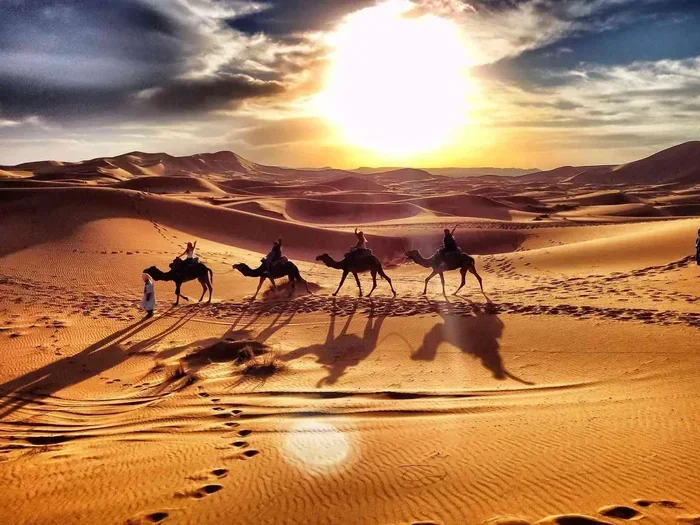
Featured image for Marrakech Sahara camels
Image source: marrakech-desert-trips.com
A 14-day tour from Marrakech to Sahara Desert is the ultimate way to experience Morocco’s diversity in one unforgettable journey. This extended adventure takes you from the bustling medinas of imperial cities to the towering dunes of Erg Chebbi, with stops at ancient kasbahs, lush oases, and authentic Berber villages along the way. Perfect for travelers who want to go beyond the surface and truly immerse themselves in Moroccan culture, landscapes, and traditions. Whether you’re trekking in the Atlas Mountains or sleeping under the stars in the Sahara, this two-week itinerary promises memories that last a lifetime.
Key Takeaways
- Comprehensive Coverage: A 14-day itinerary allows you to visit 4 imperial cities (Marrakech, Fes, Meknes, Rabat), the Sahara Desert, and multiple UNESCO World Heritage Sites without rushing.
- Diverse Landscapes: You’ll experience stunning contrasts, from snow-capped Atlas Mountains to palm-lined oases and golden sand dunes.
- Cultural Immersion: Extended time means deeper connections with Berber communities, traditional crafts, and authentic Moroccan cuisine.
- Sahara Adventure: Camel trekking to Erg Chebbi or Erg Chigaga, overnight in luxury or traditional desert camps, and unforgettable sunrise views.
- Best Travel Seasons: Spring (March-May) and autumn (September-November) offer the most comfortable weather for desert exploration.
- Budget Flexibility: Tours range from $1,200 to $3,500+ depending on accommodation levels, from budget riads to luxury desert camps.
- Practical Duration: Two weeks is the sweet spot for travelers wanting a complete Moroccan experience without feeling hurried.
📑 Table of Contents
- Why a 14-Day Marrakech to Sahara Desert Tour is Morocco’s Ultimate Adventure
- What Makes Morocco Special: Who, What, and Where You’ll Explore
- When to Go: Timing Your Moroccan Adventure
- The Complete 14-Day Itinerary Breakdown
- Essential Tips for Your 14-Day Journey
- Choosing the Right Tour Operator
- Making the Most of Your Moroccan Adventure
Why a 14-Day Marrakech to Sahara Desert Tour is Morocco’s Ultimate Adventure
Picture this: you’re standing on the edge of a massive sand dune, the sun setting behind you in shades of orange and pink. Below, a sea of golden sand stretches as far as your eyes can see. The only sounds are the gentle whispers of wind and the soft footsteps of camels nearby. This isn’t a dream. This is what awaits you on a 14 days tour from Marrakech to Sahara Desert.
Morocco is one of those rare countries that feels like stepping into another world. It’s a place where ancient medinas (old walled cities) sit alongside modern cafes, where snow-capped mountains meet scorching deserts, and where the call to prayer echoes through narrow alleys five times a day. But here’s the thing: trying to see all of this in just a few days is like trying to drink water from a fire hose. You simply can’t absorb it all.
That’s where a 14-day itinerary becomes perfect. Think of it like reading a great novel. You could speed-read it in two days and forget everything, or you could take your time and actually enjoy the story. Two weeks gives you enough time to feel Morocco, not just see it. You’ll have mornings to wander through spice markets, afternoons to hike in mountain valleys, and evenings to share mint tea with Berber families in their homes.
Did You Know? Morocco has 9 UNESCO World Heritage Sites, and a well-planned 14-day tour typically covers 5-6 of them. The country also receives over 13 million tourists annually, with Marrakech being one of the most visited cities in Africa.
What Makes Morocco Special: Who, What, and Where You’ll Explore
Who Should Take This Tour?
This journey is perfect for almost every type of traveler. Are you a history buff who loves ancient architecture? You’ll be thrilled. Are you an adventure seeker craving dune surfing and mountain hiking? Morocco delivers. Maybe you’re a foodie wanting to taste tagine and fresh bread straight from clay ovens. Or perhaps you’re a culture lover eager to meet Berber nomads and learn about their way of life.
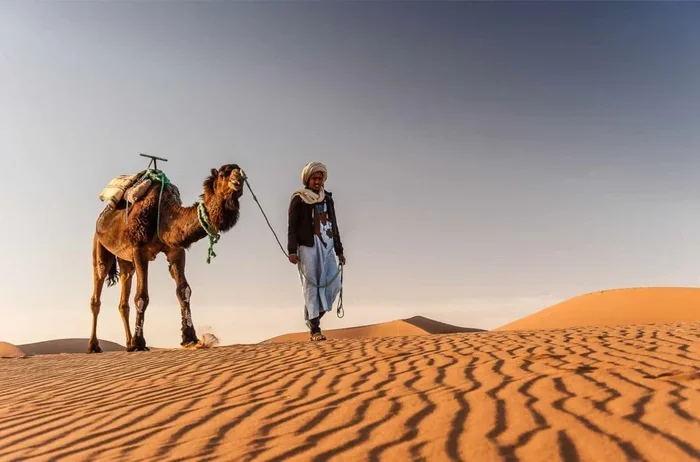
Visual guide about Marrakech Sahara camels
Image source: moroccanjourneys.com
The 14-day format works especially well for:
- First-time visitors to North Africa who want a complete overview
- Photography enthusiasts chasing diverse landscapes and vibrant colors
- Families with older children (typically 10+ years old)
- Couples on honeymoon seeking romantic desert experiences
- Solo travelers wanting safe, guided exploration
Honestly, the only people who might want a shorter trip are those with very limited vacation time or travelers who already know Morocco well and just want to focus on one region.
What Exactly Is Included in This Tour?
A typical 14-day Marrakech to Sahara tour is like a greatest hits album of Morocco. You’ll get comfortable transportation (usually a minivan or 4×4 depending on terrain), English-speaking driver-guides, accommodations ranging from traditional riads to desert camps, breakfast daily, and many dinners. Most tours also include camel rides, guided medina tours, and entrance fees to major monuments.
Here’s a simple breakdown of what’s usually covered:
- Transportation: Air-conditioned vehicle for the entire journey
- Accommodations: 12-13 nights in hotels/riads + 1 night in desert camp
- Meals: Daily breakfast plus selected dinners
- Activities: Camel trekking, guided city walks, cultural experiences
- Support: Local guides, 24/7 assistance, hotel pickups
Where Will You Go?
The route forms a giant loop through Morocco’s most spectacular regions. You start in Marrakech (the “Red City”), head south over the Atlas Mountains through Ait Benhaddou and Ouarzazate, reach the Sahara at Merzouga or M’Hamid, then journey north through the Draa Valley, Tinghir, and the stunning Todra Gorge. From there, you’ll visit Fes, Meknes, Volubilis, and Rabat before returning to Marrakech via the Atlantic coast or back through the mountains.
Think of it as a giant circle drawn on a map, like a child drawing a sun with rays. Marrakech is the center, and your path spirals out to touch every major attraction.
When to Go: Timing Your Moroccan Adventure
The Best Seasons
Timing matters more than you might think. Morocco’s climate varies wildly by region. The Sahara can hit 45°C (113°F) in summer, while the Atlas Mountains might see snow in winter. So picking the right season is like choosing the right gear for a hike; it makes all the difference.
Spring (March to May) is widely considered the best time. Temperatures are mild (20-28°C), wildflowers bloom in the mountains, and the desert is comfortable for camel rides. This is also when you can catch the famous Rose Festival in Kelaa M’Gouna.
Autumn (September to November) is equally fantastic. The summer heat fades, crowds thin out, and the light is gorgeous for photography. October in particular offers perfect conditions almost everywhere.
Seasons to Avoid (or Embrace Carefully)
Summer (June to August) can be brutal in the desert, with sandstorms possible and temperatures soaring. However, mountain regions remain pleasant, and coastal areas like Essaouira offer relief.
Winter (December to February) brings snow to the Atlas passes (sometimes closing roads) and very cold desert nights. But it’s also the cheapest time and offers dramatic skies for photographers.
Did You Know? The Sahara Desert covers 3.6 million square miles across multiple countries, but only the Moroccan portion offers the well-developed tourist infrastructure for comfortable 14-day tours.
The Complete 14-Day Itinerary Breakdown
Days 1-2: Discovering Marrakech
Your adventure begins in Marrakech, Morocco’s most famous imperial city. Spend your first day getting oriented with the medina, the bustling heart of the city. The main square, Jemaa el-Fnaa, comes alive at night with food stalls, storytellers, musicians, and snake charmers. It’s like stepping into a medieval fair that somehow still exists in the 21st century.
On day two, explore the stunning Bahia Palace, the Saadian Tombs, and the peaceful Majorelle Garden. Don’t miss the Koutoubia Mosque (visible from across the city) and the Ben Youssef Madrasa, an ancient Islamic college with incredible tilework.
Pro Tip: Hire a local guide for the medina on your first morning. The alleys are a maze, and having someone explain the history makes everything click into place.
Days 3-4: Crossing the Atlas Mountains
Day three takes you over the High Atlas Mountains via the spectacular Tizi n’Tichka Pass (at 2,260 meters). The drive alone is worth the trip, with winding roads revealing Berber villages, terraced fields, and panoramic valley views. Stop at a local argan oil cooperative where women extract oil from nuts using traditional methods.
Continue to the UNESCO-listed Ait Benhaddou, a fortified village (ksar) that has served as a backdrop for films like Gladiator and Game of Thrones. Spend the night in nearby Ouarzazate, known as the “Hollywood of Africa” for its film studios.
Days 5-7: Into the Sahara Desert
This is the heart of your journey. Day five brings you to the Draa Valley, Morocco’s longest river valley, lined with date palms and ancient kasbahs. You’ll reach the edge of the Sahara by day six, where camels await to carry you into the dunes of Erg Chebbi (the most popular choice) or Erg Chigaga (more remote and wild).
Spend a full day in the desert. Watch the sunrise paint the dunes gold, try sandboarding down the slopes, and experience the profound silence of the Sahara at night. Sleeping in a Berber tent under millions of stars is something you’ll never forget. It’s like nature’s own planetarium show, every single night.
Desert Camp Options: Choose between standard nomad tents (shared bathrooms, basic but authentic) or luxury “glamping” camps with private bathrooms, proper beds, and even air conditioning in some cases.
Days 8-9: Todra Gorge and Dades Valley
Leaving the desert, head toward Todra Gorge, where canyon walls rise 400 meters high, creating one of Morocco’s most dramatic landscapes. Rock climbers love this spot, but you can simply enjoy the walking paths along the river.
Continue to the Dades Valley, famous for its bizarre rock formations called “Monkey Fingers” and its rose gardens. The route here is called the “Road of a Thousand Kasbahs” for good reason; you’ll pass dozens of these ancient fortified houses.
Days 10-12: Fes and the Imperial Cities
No 14 days tour from Marrakech to Sahara Desert would be complete without Fes, Morocco’s spiritual and cultural capital. The Fes el-Bali medina is the world’s largest car-free urban zone and a UNESCO site. Lose yourself in the tanneries, the Al-Qarawiyyin University (founded in 859 CE, making it the world’s oldest continuously operating university), and the maze of souks selling everything from spices to silver.
Day eleven takes you to Meknes and the Roman ruins of Volubilis. Meknes is quieter than Fes but equally impressive, with the massive Heri es-Souani granaries and the beautiful Bab Mansour gate. Volubilis offers some of North Africa’s best-preserved Roman mosaics.
Cultural Insight: Fes has been ruled by various dynasties for over 1,200 years. Walking through the medina is like walking through time itself.
Days 13-14: Chefchaouen or Coastal Return to Marrakech
For your final days, many tours offer a choice. You can either drive to Chefchaouen, the famous “Blue City” nestled in the Rif Mountains, or take a scenic route back to Marrakech via the coast, stopping at Casablanca (to see the stunning Hassan II Mosque) and Essaouira, a breezy coastal town with Portuguese architecture and fresh seafood.
Whichever route you choose, you’ll return to Marrakech with sand still in your shoes and a heart full of memories.
Essential Tips for Your 14-Day Journey
What to Pack
Packing for Morocco is like packing for three different climates: hot desert, cold mountains, and everything in between. Here’s what you actually need:
- Clothing: Light layers, a warm jacket for desert nights, modest clothes for religious sites, comfortable walking shoes
- Sun Protection: Sunglasses, sunscreen, a hat or scarf (a shemagh is perfect)
- Health Items: Motion sickness pills (mountain roads are winding!), basic medications, hand sanitizer
- Tech: Camera, power adapter (Morocco uses Type C and E), portable charger
- Documents: Passport (check expiration!), travel insurance, copies of bookings
Budget and Money Matters
Morocco offers excellent value compared to Europe. A mid-range 14-day tour typically costs between $1,500 and $2,500 per person, including accommodation, transport, guide, and most meals. Luxury tours can run $3,000-$5,000+, while budget options start around $1,000-$1,300.
The local currency is the Moroccan Dirham (MAD). Credit cards work in larger hotels and restaurants, but you’ll need cash for souks, small shops, and tips. ATMs are widely available in cities.
Tipping Etiquette: Budget around 10-15% for restaurant service and small tips for guides, drivers, and hotel staff. Your tour operator can advise on appropriate amounts.
Health and Safety
Morocco is generally very safe for tourists. The biggest health concerns are usually:
- Sun and heat: Stay hydrated, especially in the desert
- Traveler’s stomach: Drink bottled water, avoid raw vegetables from street vendors (peelable fruits are fine)
- Road safety: Mountain roads can be dramatic; keep medications for motion sickness handy
- Sand in unexpected places: Bring a camera bag cover and zip bags for electronics in the desert
Did You Know? Morocco’s Berber population (Amazigh) makes up roughly 35% of the country. Learning a few words in Tashelhit or Tamazight alongside Arabic will earn you big smiles from locals.
Choosing the Right Tour Operator
What to Look For
Not all tour operators are created equal. Think of it like choosing a restaurant. You want fresh ingredients, skilled preparation, and a comfortable atmosphere. For tours, this translates to:
- Small group sizes: 8-12 people max for a more personal experience
- Local expertise: Moroccan-owned companies understand the culture best
- Transparent pricing: No surprise fees or commission-based shopping stops
- Quality accommodations: Authentic riads rather than generic hotels where possible
- Flexible itineraries: Some customization based on your interests
Red Flags to Avoid
Be cautious of operators who pressure you into shopping at specific stores (often they get commissions), those with consistently poor reviews, or companies offering prices that seem too good to be true. The cheapest option often means cramped transport, mediocre hotels, and rushed experiences.
Read reviews on TripAdvisor, Google, and travel forums. Talk to previous travelers. A reputable operator will happily provide references and detailed itineraries.
Making the Most of Your Moroccan Adventure
Here’s some final advice that can transform a good trip into an amazing one. First, slow down. Morocco operates on its own rhythm, and trying to rush will only frustrate you. Embrace the “Moroccan time” concept where things happen when they’re meant to happen.
Second, engage with locals. Even basic attempts to speak Arabic or learn about Berber culture open doors you didn’t know existed. A simple “Salam alaikum” (peace be upon you) and a genuine smile go further than any guidebook.
Third, try everything at least once. That might be sipping mint tea with strangers, sleeping under desert stars, or trying the spiciest tagine of your life. These are the moments that become stories you tell for years.
A 14 days tour from Marrakech to Sahara Desert isn’t just a vacation. It’s a journey through one of the world’s most fascinating countries, where every turn reveals something new. From the moment you step into Marrakech’s chaotic medina to your final sunset over the Sahara dunes, you’ll be collecting experiences that stay with you forever.
Morocco has been welcoming travelers for centuries, from medieval traders to modern explorers. Now it’s your turn. The Red City awaits. The Sahara calls. The adventure of a lifetime is just 14 days away.
Frequently Asked Questions
How much does a 14-day Marrakech to Sahara Desert tour typically cost?
A 14-day tour from Marrakech to the Sahara Desert typically costs between $1,200 and $3,500 per person, depending on the accommodation level and inclusions. Budget tours using basic riads and standard desert camps start around $1,200-$1,500, mid-range options with comfortable hotels and upgraded camps run $1,800-$2,500, while luxury tours with premium riads and luxury desert camps can exceed $3,500. Most tours include transportation, guide, accommodations, breakfast daily, and selected dinners.
Is 14 days enough to see Morocco from Marrakech to the Sahara?
Yes, 14 days is actually considered the ideal duration for a comprehensive Morocco tour that includes the Sahara Desert. This timeframe allows you to visit 4-5 imperial cities, cross the Atlas Mountains, spend quality time in the desert with a camel trek, and explore UNESCO sites without rushing. Shorter trips of 7-10 days require skipping major destinations, while tours longer than 14 days are better suited for travelers wanting to add coastal relaxation or trekking expeditions.
What is the best time of year for a Marrakech to Sahara tour?
The best times are spring (March to May) and autumn (September to November) when temperatures are mild across all regions. Spring offers comfortable desert temperatures (20-28°C) and blooming wildflowers in the mountains, while autumn provides equally pleasant weather with fewer crowds. Summer (June-August) can be extremely hot in the Sahara with temperatures reaching 45°C, and winter (December-February) brings cold desert nights and occasional snow that can close mountain passes.
Do I need travel insurance for a Sahara Desert tour?
Yes, travel insurance is strongly recommended for any Morocco tour, especially those involving desert excursions. Your policy should cover medical emergencies, trip cancellation, and evacuation. Some desert activities like camel riding or hiking in gorges may not be covered by basic policies, so check with your provider. Reputable tour operators typically require proof of insurance before departure, particularly for tours that venture into remote desert regions.
What should I wear on a Marrakech to Sahara Desert tour?
Pack light, breathable clothing for daytime, but also bring layers for cool desert nights and mountain regions. Modest attire is respectful, especially when visiting religious sites; cover shoulders and knees. Essential items include comfortable walking shoes, a warm jacket for evenings, a scarf or shemagh for sun protection and sand, sunglasses, and sunscreen. Avoid bright colors if you want to blend in, but locals appreciate visitors who dress thoughtfully rather than revealingly.
Is it safe to drink the water in Morocco?
Tap water in Morocco is generally not recommended for tourists. Stick to bottled water, which is cheap and widely available throughout your journey. Most hotels and riads provide bottled water in rooms, and your tour vehicle will typically have water available. Avoid ice cubes from unknown sources, and when eating street food, choose freshly cooked items. Bottled water is essential during desert excursions where dehydration is a real concern.