
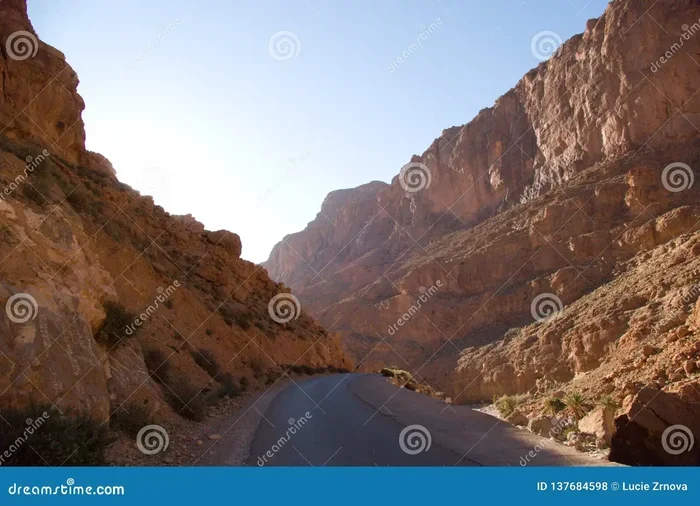
Featured image for Todra Gorge Morocco landscape
Image source: thumbs.dreamstime.com
A 10 days tour from Marrakech to Todra Gorge is one of Morocco’s most rewarding travel experiences, blending imperial cities, mountain passes, and the vast Sahara Desert into one unforgettable journey. This comprehensive route covers roughly 1,800 kilometers and takes travelers through five distinct geographical regions, from the High Atlas peaks to the dramatic Todra canyon walls. Perfect for first-time visitors and adventure lovers alike, the itinerary balances cultural immersion with outdoor exploration, making it a favorite on Morocco’s tourism circuit.
Imagine waking up in a bustling medina, riding a camel into golden sand dunes by sunset, and standing between canyon walls so tall they seem to touch the sky. A 10 days tour from Marrakech to Todra Gorge delivers all of this and more, wrapping Morocco’s most iconic landscapes into a single, unforgettable adventure.
Morocco welcomed over 14.5 million tourists in 2023, according to the Ministry of Tourism, and the Marrakech-to-Sahara corridor remains the country’s most-visited route. The reason is simple: in just ten days, travelers experience snow-capped mountains, ancient kasbahs, endless dunes, and one of the world’s most dramatic gorges.
Whether you’re a solo backpacker, a couple seeking romance, or a family looking for cultural depth, this guide will walk you through everything you need to know. Think of it as your friendly roadmap to planning the trip of a lifetime.
Key Takeaways
- Route Overview: The 10-day Marrakech to Todra Gorge tour spans roughly 1,800 km through five distinct landscapes, including the Atlas Mountains, Sahara Desert, and Dades Valley.
- Best Travel Season: October through April offers the most comfortable temperatures, while March and November provide ideal conditions with fewer crowds.
- Budget Range: Expect to spend between $800 and $2,000 per person, depending on accommodation choices ranging from riads to luxury desert camps.
- Cultural Highlights: The journey includes UNESCO World Heritage sites, traditional Berber villages, and authentic experiences like camel trekking and mint tea ceremonies.
- Physical Demands: The tour requires moderate fitness for activities like dune climbing and gorge walking, but most days are relaxed and scenic.
- Must-See Stops: Ait Benhaddou, Merzouga dunes, Todra Gorge, and Ouarzazate are considered the highlights of this iconic Moroccan route.
- Travel Tip: Booking a guided small-group tour saves money, provides local insight, and handles logistics in regions where English is rarely spoken.
📑 Table of Contents
- What Exactly Is a 10 Days Tour from Marrakech to Todra Gorge?
- When Is the Best Time to Travel?
- How Much Does the Tour Cost?
- What Will You Experience Day by Day?
- What Are the Must-Do Activities Along the Way?
- What Should You Pack for the Trip?
- What Are the Biggest Mistakes Travelers Make?
- Is the Tour Safe for Families and Solo Travelers?
- How Do You Choose the Right Tour Operator?
- Why Is This Tour Worth the Investment?
- Final Thoughts
What Exactly Is a 10 Days Tour from Marrakech to Todra Gorge?
A 10 days tour from Marrakech to Todra Gorge is a guided overland journey through southern Morocco that begins in the imperial city of Marrakech and ends back where it started after circling through the Sahara Desert, Berber heartlands, and the towering Todra Gorge. The route typically forms a loop, meaning you’ll return to Marrakech after exploring the country’s most photogenic regions.
Who Is This Tour Designed For?
This itinerary appeals to a wide range of travelers. Adventure seekers love the camel rides and dune climbs. Culture enthusiasts appreciate the stops at Ait Benhaddou and the Dades Valley. Photographers find endless inspiration in the ochre landscapes and shifting desert light. Even relaxed travelers enjoy the journey because most driving days cover scenic routes with comfortable stops along the way.
Where Does the Tour Go?
Think of the route like a giant figure-eight drawn across southern Morocco. It moves through the High Atlas Mountains, dips into the Draa Valley, crosses into the Sahara, then climbs north through the Todra and Dades Gorges before returning west. Major stops typically include:
- Marrakech (start and end)
- Ait Benhaddou
- Ouarzazate (the “Hollywood of Africa”)
- Draa Valley
- Merzouga or Zagora (Sahara Desert entry points)
- Todra Gorge
- Dades Valley
- Essaouira or the Atlas Mountains (variations possible)
Why Choose a 10-Day Itinerary Over Shorter Trips?
Did you know that Morocco has over 500 kilometers of desert coastline along the Algerian border? A shorter three-day tour can only scratch the surface, while a 10-day journey allows time to genuinely absorb each location. You get sunrise in the dunes, sunset on the gorge, and unhurried evenings in ancient kasbahs. The longer pace also reduces the “rushed tourist” feeling that plagues shorter itineraries.
When Is the Best Time to Travel?
Timing can make or break your experience. Morocco’s geography creates wildly different conditions depending on the season, so choosing wisely means the difference between a magical trip and a sweaty struggle.
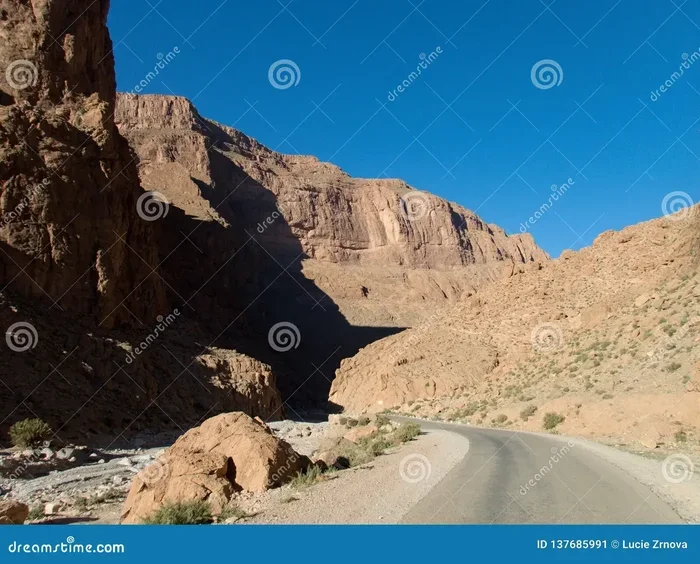
Visual guide about Todra Gorge Morocco landscape
Image source: thumbs.dreamstime.com
Understanding Morocco’s Seasons
Morocco has three travel seasons:
- High Season (October–April): Pleasant temperatures ranging from 15°C to 25°C in the desert, cooler nights in the mountains. This is the most popular window.
- Shoulder Season (March and September): Mild weather, fewer crowds, and lower prices. Many experienced travelers consider this the sweet spot.
- Low Season (May–August): Scorching desert heat can exceed 45°C, making daytime travel uncomfortable. Mountain passes remain cooler.
Best Months Specifically for Todra Gorge
Todra Gorge is enjoyable year-round, but spring (March–May) is exceptional. The surrounding valleys bloom with wildflowers, temperatures hover between 18°C and 28°C, and the rivers flow full from snowmelt. Fall (September–November) is equally rewarding, with golden light that photographers adore.
Ramadan Considerations
Did you know that Morocco’s tourism calendar shifts around Ramadan? During this holy month, many restaurants close during daylight, and some attractions have shortened hours. However, the country also becomes quieter, prices drop, and evenings come alive with festive energy. Travelers who appreciate cultural immersion often find Ramadan fascinating; those wanting full services should plan around it.
How Much Does the Tour Cost?
Money matters, and Morocco offers excellent value compared to most international destinations. A 10 days tour from Marrakech to Todra Gorge typically costs between $800 and $2,000 per person, depending on the style of travel.
Budget Breakdown by Category
Think of your expenses like layers of an onion. The base layer is transport and accommodation, the middle is meals and activities, and the top is souvenirs and tips.
- Budget Travel: $800–$1,100 per person. Shared group tours, basic riads, and local restaurants.
- Mid-Range Travel: $1,200–$1,600 per person. Small-group tours with upgraded hotels and one luxury desert camp night.
- Luxury Travel: $1,800–$2,500+ per person. Private guides, premium riads, and exclusive desert glamping.
What’s Typically Included
Most tour packages bundle the essentials: transportation in a 4×4 or minivan, an English-speaking driver-guide, accommodation, breakfast and dinner daily, camel treks, and entry fees to specific attractions. Airfare to Morocco, lunches, drinks, and personal shopping are usually extras.
Hidden Costs to Watch
Here’s a tip most guides skip: tipping in Morocco is expected but not officially regulated. Budget roughly 10% for guides and 5% for restaurant staff. Souvenir shopping at medinas involves bargaining, so always start at about 40% of the asking price.
What Will You Experience Day by Day?
Let’s walk through a typical itinerary so you can visualize the journey. Think of each day as a chapter in a novel, each one building toward the climactic finale in the Sahara.
Days 1–2: Exploring Marrakech
Start in Marrakech’s medina, a UNESCO World Heritage Site since 1985. Wander through Jemaa el-Fnaa square, where snake charmers, storytellers, and food stalls create a centuries-old spectacle. Visit the Saadian Tombs, Bahia Palace, and the Majorelle Garden, a vibrant blue oasis once owned by Yves Saint Laurent. The city’s red sandstone walls earned it the nickname “the Red City.”
Days 3–4: Crossing the Atlas and Visiting Ait Benhaddou
The drive crosses the Tizi n’Tichka pass at 2,260 meters, offering breathtaking views of the High Atlas range. At Ait Benhaddou, you’ll step into a fortified village that has served as a filming location for movies like Gladiator and Game of Thrones. Think of it as a real-life movie set you can actually walk through.
Days 5–6: Ouarzazate, Draa Valley, and the Sahara
Ouarzazate is famous for its film studios, often called the “Hollywood of Africa.” From there, the road descends into the Draa Valley, Morocco’s longest riverbed, lined with date palms and ancient kasbahs. By Day 6, you reach Merzouga or Zagora, where camels await to carry you into the Erg Chebbi or Erg Chigaga dunes. Nights spent in a desert camp under a starlit sky are unforgettable. Did you know the Sahara has some of the darkest skies on Earth, with over 4,000 stars visible to the naked eye?
Days 7–8: Todra and Dades Gorges
This is the heart of your tour. Todra Gorge rises 400 meters high, with walls so narrow in places you can touch both sides. The nearby Dades Gorge offers equally dramatic scenery, with switchback roads carved into rose-colored cliffs. Both areas are rock-climbing destinations, but simple walks along the riverbeds are equally rewarding for casual travelers.
Days 9–10: Return Through the Roses Valley and Back to Marrakech
The return route passes through the Valley of the Roses, famous for its rosewater products and annual festival in May. From there, it’s a final push through scenic terrain back to Marrakech, often stopping at a local argan oil cooperative where women demonstrate traditional extraction methods. By the time you arrive back in the city, you’ll have traveled nearly 1,800 kilometers and experienced Morocco in all its diversity.
What Are the Must-Do Activities Along the Way?
Beyond sightseeing, this journey offers hands-on experiences that turn a trip into a story you’ll tell forever.
Camel Trekking in the Sahara
This is the highlight for most travelers. A gentle one-hour camel ride at sunset takes you into the dunes, where silence and scale create an almost spiritual feeling. Imagine sitting on a camel, watching the sun melt into orange dunes, and realizing you’re at one of the most remote points on the planet.
Mint Tea Ceremonies with Berber Families
Mint tea isn’t just a drink in Morocco; it’s a ritual. Local families brew it three times, representing life, love, and death. Joining a Berber family for tea in their home provides genuine cultural exchange that no museum can offer.
Hiking Through Todra Gorge
Even non-hikers can enjoy a walk through Todra Gorge. The easy riverside trail takes about two hours round trip, with towering walls constantly changing color as the sun moves. Climbing enthusiasts will find world-class routes here too.
Exploring Local Souks
Souks in Ouarzazate and Marrakech overflow with handmade carpets, spices, lanterns, and leather goods. Bargaining is expected, so approach it like a friendly game rather than a confrontation.
What Should You Pack for the Trip?
Packing smart makes the journey smoother. The key is layering, because temperatures swing between desert days and mountain nights.
Clothing Essentials
- Lightweight, breathable shirts and pants
- A warm jacket for mountain evenings
- Modest clothing for visiting villages (covered shoulders and knees)
- Comfortable walking shoes
- Sandals for desert nights
- A scarf or shemagh for sand and sun protection
Health and Safety Items
- Sunscreen (SPF 30 or higher)
- Reusable water bottle
- Basic first-aid kit
- Motion sickness pills for winding mountain roads
- Hand sanitizer and wet wipes
Tech and Documents
- Universal adapter (Morocco uses Type C and E plugs)
- Power bank for long desert nights
- Camera with extra memory cards
- Passport (valid for 6+ months)
What Are the Biggest Mistakes Travelers Make?
Learning from others’ missteps can save your trip. Here are common pitfalls to avoid.
Underestimating Travel Distances
Morocco looks small on a map, but roads wind through mountains and deserts. A “short” 200-kilometer drive can take four hours. Don’t schedule tight timelines.
Skipping Travel Insurance
Did you know medical evacuation from remote areas of Morocco can cost over $10,000? Comprehensive travel insurance is essential, especially for desert regions with limited medical facilities.
Ignoring Local Customs
Morocco is a Muslim-majority country with conservative values in rural areas. Dressing modestly and asking permission before photographing people shows respect and earns goodwill.
Overpacking
Roof racks on tour vehicles have limited space. One carry-on-sized bag plus a daypack is plenty for a 10-day trip.
Is the Tour Safe for Families and Solo Travelers?
Yes, generally very safe. Morocco consistently ranks among Africa’s safest countries for tourists. Violent crime against visitors is rare, and locals are famously hospitable.
Family Considerations
Children love the camel rides, starry nights, and colorful souks. The only challenge is long driving days, which can tire younger kids. Many operators offer family-friendly itineraries with shorter drives and more interactive stops.
Solo Traveler Tips
Solo travelers thrive on group tours for companionship and safety. Joining a small-group tour is an easy way to meet like-minded adventurers. Hotels and riads are also welcoming to solo guests.
Women Traveling Alone
Female travelers report overwhelmingly positive experiences in Morocco. Dressing modestly and ignoring persistent street vendors minimizes unwanted attention. Joining a women-led tour or group adds extra comfort for first-timers.
How Do You Choose the Right Tour Operator?
Not all tours are equal. Quality varies dramatically, and a good operator transforms the experience.
What to Look For
- Licensed Moroccan guides with strong reviews
- Small group sizes (ideally under 12 people)
- Transparent pricing with no hidden fees
- Flexible cancellation policies
- Authentic experiences beyond typical tourist stops
Red Flags to Avoid
Be cautious of operators offering unrealistically low prices, lacking verifiable reviews, or refusing to share detailed itineraries. Trustworthy companies welcome questions and provide references.
Why Is This Tour Worth the Investment?
In a world of cookie-cutter vacations, this journey stands out. It’s not just a trip; it’s a cultural immersion, an adventure, and a memory-maker rolled into one. The diversity of landscapes means every day brings something new. The warmth of Moroccan hospitality ensures you feel welcome everywhere. And the price point delivers exceptional value compared to similar adventures in Europe or North America.
Did you know that over 70% of travelers who visit Morocco say they plan to return? That stat alone speaks volumes about the magnetic pull of this country.
Final Thoughts
A 10 days tour from Marrakech to Todra Gorge is more than a vacation; it’s a journey through one of the world’s most fascinating corners. From the chaos of Marrakech’s medinas to the silence of Saharan dunes, from snow-dusted mountain passes to rose-scented valleys, every kilometer tells a story. With thoughtful planning, the right operator, and an open heart, this trip becomes a chapter of your life you’ll revisit again and again.
So pack your bags, charge your camera, and prepare to discover Morocco the way it was meant to be explored: slowly, deeply, and with wonder.
Frequently Asked Questions
How long is the drive from Marrakech to Todra Gorge?
The direct drive from Marrakech to Todra Gorge is roughly 400 kilometers and takes about 7 hours. However, most travelers complete it over two days as part of a longer itinerary, stopping at Ait Benhaddou and the Dades Valley along the way.
Is a 10 days tour from Marrakech to Todra Gorge suitable for children?
Yes, families with children aged 6 and older typically enjoy this tour. Camel rides, desert camps, and visits to kasbahs are kid-friendly. Parents should prepare younger children for long driving days and bring entertainment for the road.
What is the best month for a Marrakech to Todra Gorge tour?
March, April, October, and November are considered ideal. Temperatures are mild, crowds are manageable, and scenery is at its most beautiful, especially during spring blooms in the Dades and Roses Valleys.
Do I need a visa for Morocco?
Most travelers from the US, UK, EU, Canada, and Australia can stay in Morocco visa-free for up to 90 days. Always check your specific country’s requirements before booking your tour.
Can I do the 10 days tour from Marrakech to Todra Gorge independently?
Yes, independent travel is possible, especially with a rental car. However, guided tours are recommended for first-time visitors because local drivers handle challenging roads, language barriers, and offer cultural insights that enrich the experience.
What should I wear inside the desert camp?
Light, loose-fitting cotton clothing works best. Desert nights can be surprisingly cold between November and March, so bring a warm jacket and hat. Modest clothing is appreciated in Berber communities.