
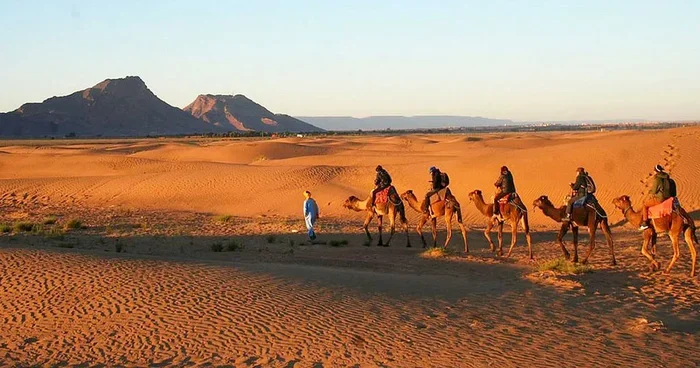
Featured image for Marrakech to Zagora desert tour
Image source: sunnyexcursion.com
A 10 day tour from Marrakech to Zagora offers the perfect blend of adventure, culture, and natural beauty across southern Morocco. This extended journey takes you through the Atlas Mountains, bustling Berber villages, UNESCO World Heritage sites, and the mesmerizing Sahara Desert. Travelers experience camel trekking, traditional riad stays, and authentic Moroccan cuisine while discovering hidden gems beyond typical tourist routes.
Picture this: you wake up in a bustling Marrakech medina, the call to prayer echoing through ancient alleyways. By evening, you’re watching the sun melt into golden Saharan dunes near Zagora. This transformation happens over ten unforgettable days on a journey through Morocco’s most spectacular landscapes.
A 10 day tour from Marrakech to Zagora isn’t just a vacation. Think of it as a slow-motion movie where every scene reveals something new. You start with vibrant souks and palaces, then climb into the Atlas Mountains, and finally reach the edge of the Sahara Desert. The extended timeframe means you stop rushing. You actually breathe in the mint tea, chat with a Berber carpet weaver, and watch stars multiply over desert camps.
Most travelers rush through Morocco in three or four days. They miss the magic. Ten days gives you space to discover places like the rose valleys near Kelaa M’Gouna, the fossil beds of Erfoud, or the dramatic gorges of Todra. You’ll understand why Moroccans say “Yallah” (let’s go) with such enthusiasm once you experience this journey yourself.
Key Takeaways
- Duration Advantage: A 10 day tour allows deeper exploration compared to shorter 3-5 day trips, covering more diverse landscapes at a relaxed pace.
- Sahara Experience: The Zagora region offers accessible desert experiences with Erg Chigaga and Erg Zaher dunes, plus authentic camel trekking opportunities.
- Cultural Immersion: Extended tours provide time to visit Berber villages, traditional souks, and historic kasbahs like Ait Ben Haddou.
- Best Travel Season: October through April offers the most comfortable temperatures for desert exploration, avoiding summer heat exceeding 45°C.
- Route Highlights: The journey crosses the High Atlas via Tizi n’Tichka pass at 2,260 meters elevation before descending into desert terrain.
- Budget Considerations: Ten-day tours typically range from $800-$1,500 per person, including accommodation, transport, and most meals.
- Physical Requirements: Moderate fitness is sufficient, though optional activities like sandboarding and quad biking add excitement.
📑 Table of Contents
- What Makes a 10 Day Marrakech to Zagora Tour Different?
- Who Should Choose This 10 Day Adventure?
- Where Does the Journey Take You?
- When Is the Best Time for This Tour?
- What Should You Expect Day-by-Day?
- Why Choose a Guided Tour Over Independent Travel?
- How Much Does a 10 Day Tour from Marrakech to Zagora Cost?
- Practical Tips for Your Journey
- Common Questions About This Tour Route
- Making Your Decision
What Makes a 10 Day Marrakech to Zagora Tour Different?
The difference between a short trip and a 10 day tour from Marrakech to Zagora is like comparing a speedboat ride to a deep-sea fishing expedition. Both get you on the water, but one lets you actually catch something meaningful.
Depth Over Speed
Shorter tours typically cover 200-300 kilometers per day. A ten-day itinerary averages 120-150 kilometers daily. That extra time means you stop at viewpoints, take photographs, and absorb the changing scenery. Did you know that Morocco has nine distinct climate zones? You experience at least four of them on this route.
The slower pace also helps your body adjust. Many travelers experience mild altitude sickness crossing the Atlas Mountains. Spreading the journey over ten days gives your system time to acclimatize naturally. No rushing from oxygen-poor mountain passes straight into desert heat.
Cultural Connection Opportunities
Extended tours include homestay experiences, cooking classes, and guided medina tours that one-week trips simply skip. You might learn to make tagine in a family kitchen, or spend an evening listening to Gnawa musicians in Essaouira.
The Sahara portion alone takes 2-3 days in a quality ten-day itinerary. You trek by camel to your desert camp at sunset, spend a night under canvas, and return at dawn. Rushed tours compress this into a single night, missing the magical sunrise hour when dunes turn from gold to pink to deep purple.
Who Should Choose This 10 Day Adventure?
Not every traveler needs ten days. But certain trip styles benefit enormously from the extended format.
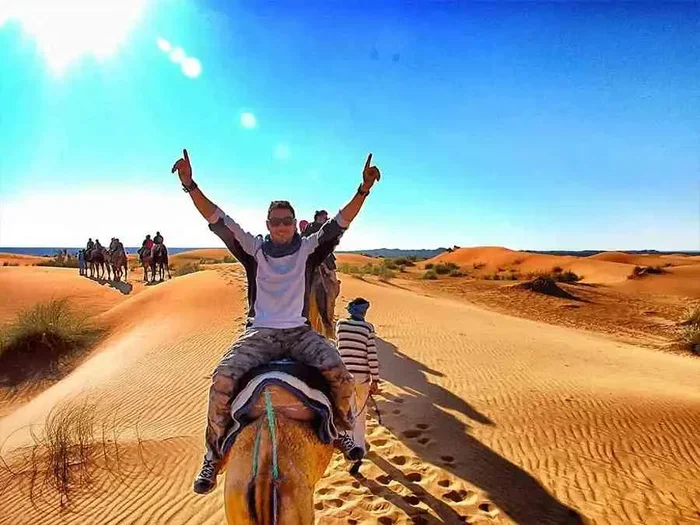
Visual guide about Marrakech to Zagora desert tour
Image source: marrakech-desert-trips.com
Photography Enthusiasts
If you carry a camera bag heavier than your backpack, this tour is your dream. The golden hour light in Morocco lasts approximately 90 minutes after sunrise and before sunset. You need time positioned in the right places. Ten days lets you plan shoots at:
- The blue-painted streets of Chefchaouen
- Sahara dunes at multiple times of day
- Traditional Berber markets (souks)
- Atlas Mountain villages with dramatic backdrops
Slow Travel Advocates
The slow travel movement champions deeper connections over checklist completions. A 10 day tour from Marrakech to Zagora aligns perfectly with this philosophy. You spend 2-3 nights in key locations rather than one-night stands across ten cities.
Travel writer Paul Theroux once said, “Tourists don’t know where they’ve been, travelers don’t know where they’re going.” This tour helps you become a traveler. You notice how bread tastes different in the Atlas Mountains versus the coast. You recognize that mint tea ceremony varies by region.
Families With Older Children
Children aged 8+ handle this itinerary well. The camel trekking, sandboarding, and overnight camp experience create memories that last lifetimes. Families appreciate having built-in buffer days for tired kids, unexpected rain, or simply wanting to stay an extra night somewhere magical.
Where Does the Journey Take You?
The route from Marrakech to Zagora traces ancient caravan paths used for centuries. Modern highways make it faster, but the spirit remains the same.
The Atlas Mountain Crossing
Your journey begins crossing the High Atlas Mountains via the Tizi n’Tichka pass. At 2,260 meters (7,414 feet) elevation, this mountain pass offers panoramic views that literally take your breath away. The road winds through Berber villages where time seems paused.
Traditional mud-brick kasbahs dot the landscape. These fortified family homes date back centuries. The most famous, Ait Ben Haddou, is a UNESCO World Heritage Site that has served as a backdrop for films like “Gladiator” and “Game of Thrones.”
Ouarzazate: The Gateway to the Desert
Known as the “Hollywood of Africa,” Ouarzazate hosts film studios where Lawrence of Arabia and Star Wars scenes were filmed. The town sits at the meeting point of three valleys: Draa, Dadès, and Todra.
Did you know that Morocco’s film industry generates over $1 billion annually? Many productions choose Ouarzazate for its guaranteed sunshine (over 300 sunny days yearly) and dramatic terrain variety.
The Draa Valley and Zagora
The Draa Valley stretches approximately 200 kilometers, lined with palm groves that create an unexpected green ribbon through arid land. Zagora itself is a small desert town that serves as the launching point for Sahara expeditions.
From Zagora, you reach Erg Chigaga or Erg Zaher (also called Erg Znaigui). These dune fields sit 50-60 kilometers into the actual Sahara. The journey involves 4×4 vehicles, camel caravans, or combinations of both.
When Is the Best Time for This Tour?
Timing matters enormously for desert tours. The wrong season can transform a magical experience into an endurance test.
Optimal Months: October Through April
During these months, daytime temperatures in the Sahara range from 20-28°C (68-82°F). Nights cool to 8-12°C (46-54°F), perfect for sleeping under canvas with proper bedding. Spring (March-April) brings wildflowers to desert edges, creating unexpected beauty.
October-November offers harvest season, when you might witness dates being collected from palm trees. The light during autumn months also creates exceptional photography conditions.
Months to Avoid: June Through August
Summer desert temperatures regularly exceed 45°C (113°F). Sand becomes hot enough to cook eggs. Even camels refuse to work during midday hours. Tour operators either suspend operations or run dangerously early morning schedules.
Statistics show that emergency heat-related incidents increase 400% in Moroccan desert regions during July and August. Responsible operators refuse bookings during peak heat windows.
Shoulder Season Sweet Spots
Late September and early May offer good conditions with fewer crowds. Hotel prices drop 20-30% compared to peak winter season. The tradeoff includes slightly cooler swimming temperatures if your route includes coastal extensions.
What Should You Expect Day-by-Day?
Understanding the daily rhythm helps you prepare mentally and physically. Here’s a typical breakdown of how your ten days unfold.
Days 1-2: Marrakech Orientation
Most tours begin with 1-2 nights in Marrakech. You explore the medina, visit the Bahia Palace, wander through Jardin Majorelle, and experience the famous Jemaa el-Fnaa square at night. This isn’t wasted time. Acclimatization to Moroccan culture, currency, and customs makes the rest of your journey smoother.
Days 3-4: Atlas Mountains and Ait Ben Haddou
The crossing from Marrakech to the desert takes 2-3 days in a quality ten-day tour. You stop at Ait Ben Haddou, explore Ouarzazate, and stay in traditional kasbah hotels. The pace allows for hiking in the surrounding valleys.
Days 5-7: Gorges, Valleys, and Desert Approach
These middle days often include the Todra Gorges (where canyon walls rise 400 meters vertically), the Dadès Valley (known for “monkey fingers” rock formations), and the journey into Zagora town. You’ll pass through the Rose Valley near Kelaa M’Gouna, where rose water has been produced since the 10th century.
Days 8-9: Sahara Desert Immersion
The desert portion usually claims 2 full days. You travel by camel or 4×4 into the dunes, spend one or two nights in desert camps, and experience the silence that city dwellers rarely encounter. Evening entertainment often includes Berber drumming around campfires.
Day 10: Return to Marrakech
The final day involves a long drive back to Marrakech (approximately 9 hours) or alternatively, onward travel to coastal cities like Essaouira. Some operators offer flight options from Zagora or Ouarzazate for those who want to skip the return drive.
Why Choose a Guided Tour Over Independent Travel?
Independent travel works in Morocco, but guided tours offer specific advantages for this particular route.
Desert Logistics Simplified
Reaching Erg Chigaga requires either a guided camel caravan, a 4×4 with experienced driver, or both. Independent travelers often underestimate the logistics. Sand roads, GPS limitations, and language barriers create real challenges.
Guided tours handle permits, camp reservations, and emergency protocols. If sandstorms arise (they happen), experienced guides know alternate routes and shelter locations. This safety net proves invaluable when you’re 50 kilometers from the nearest paved road.
Local Knowledge Access
Your guide serves as cultural interpreter, history teacher, and sometimes family connector. They know which carpet shops offer fair prices, which restaurants serve authentic tagine, and which viewpoints reward early morning visits.
Did you know that Moroccan guides must pass certification exams covering history, geography, and first aid? Licensed guides (with official “Carte Guide” badges) provide assurance of training and accountability.
Cost Efficiency
Surprisingly, guided tours often cost less than independent travel once you calculate fuel, accommodation, and entrance fees. Group tours of 6-12 people achieve economies of scale impossible for solo travelers. The added benefit? Built-in social experiences with fellow adventurers.
How Much Does a 10 Day Tour from Marrakech to Zagora Cost?
Pricing varies significantly based on accommodation standards, group size, and included activities.
Budget Tier: $700-$900 Per Person
This range typically includes shared bathroom accommodations, basic riads, and standard desert camps. Meals are usually included, but drinks and tips aren’t. Group sizes run 10-15 people.
Mid-Range Tier: $900-$1,400 Per Person
Mid-range tours offer private bathrooms, upgraded riads, and comfortable desert camps with proper beds. Group sizes shrink to 6-10 people. Some include cooking classes or hammam experiences.
Luxury Tier: $1,500-$3,000+ Per Person
Luxury tours feature 4-5 star riads, private 4×4 vehicles, and premium desert camps with en-suite bathrooms. Some offer hot air balloon rides over the Atlas Mountains or private hot springs access.
What’s Typically Included
- Accommodation (9-10 nights)
- Daily breakfast and most dinners
- Air-conditioned transportation
- English-speaking guide
- Camel trekking
- Desert camp accommodation
What’s Usually Extra
- Lunches ($8-15 each)
- Drinks (alcohol is expensive in Morocco)
- Entrance fees to monuments ($1-5 each)
- Tipping ($10-15 per day suggested)
- Personal shopping
- Travel insurance
Practical Tips for Your Journey
Success on a 10 day tour from Marrakech to Zagora depends on preparation. These tips help you maximize enjoyment and minimize hassles.
Pack Smart for Temperature Variations
You’ll experience freezing mountain mornings and warm desert afternoons within the same day. Layering works better than bulky clothing. Pack:
- Lightweight long-sleeved shirts
- A warm fleece or jacket for desert nights
- Scarf (useful for sand, sun, and cold)
- Sturdy walking shoes plus sandals
- Sunscreen (SPF 50+)
- Lip balm with SPF
Money and Communication
Bring cash in small denominations for tips and small purchases. ATMs exist in cities but disappear in rural areas. A local SIM card with data helps navigation and communication. Maroc Telecom and Orange offer tourist packages starting around $5 for 10GB.
Health Considerations
Consult your doctor about recommended vaccinations (typically Hepatitis A, Typhoid). Pack a personal first aid kit including:
- Rehydration salts
- Anti-diarrheal medication
- Pain relievers
- Blister treatment
- Hand sanitizer
The tap water isn’t drinkable in Morocco. Stick to bottled water throughout your journey. Most tour operators provide safe drinking water, but carrying your own bottle ensures availability.
Cultural Etiquette
Morocco is predominantly Muslim, though quite liberal compared to some neighbors. Basic respect includes:
- Asking permission before photographing people
- Modest dress in rural areas
- Using your right hand for eating and greeting
- Avoiding public displays of affection
- Removing shoes when entering homes or mosques
Common Questions About This Tour Route
Beyond logistics, travelers ask about specific experiences and expectations.
Is the Sahara Safe?
The Zagora region experiences minimal crime against tourists. The biggest dangers are natural: sandstorms, dehydration, and getting lost. Reputable tour operators carry satellite phones and emergency supplies. Travel insurance with evacuation coverage costs around $50-100 for ten days and provides peace of mind.
What Language Barriers Exist?
In tourist areas, English and French work well. Your guide handles translation. In Berber villages, French becomes more common than English. Learning basic Arabic greetings (Salaam Alaikum) and French numbers improves interactions significantly.
Can Dietary Restrictions Be Accommodated?
Vegetarian travelers find Morocco surprisingly easy. Vegetable tagines, salads, and bread form meal staples. Vegan options require more planning. Gluten-free diets present challenges since bread accompanies most meals. Communicate restrictions when booking, not upon arrival.
How Strenuous Is the Tour?
Moderate fitness suffices. The most physical moments involve short walks in gorges and the camel trek (approximately 1-2 hours each way). Sandboarding and optional hiking add intensity. Those with mobility issues should discuss limitations in advance; some activities have alternatives.
What About Solo Travelers?
Solo travelers often feel nervous about group tours. In reality, solo participants report the best social experiences. Group tours provide built-in companions for meals and activities. Many operators offer single room supplements ($200-400 total) or match solo travelers with same-gender roommates.
Should You Visit During Ramadan?
Ramadan dates shift yearly (approximately 11 days earlier each year). During this month, daytime eating in public becomes inappropriate. Many restaurants close during daylight hours. However, the cultural experience of iftar (evening meal) celebrations can be magical if you’re respectful. Tours operate normally but with adjusted meal times.
Making Your Decision
A 10 day tour from Marrakech to Zagora represents more than a vacation. It offers transformation. You arrive as a tourist and leave understanding a bit of what makes Morocco tick. The mint tea tastes different when you’ve watched it poured from height. The carpet patterns mean more when you meet the weaver. The desert silence echoes longer when you’ve truly heard it.
This journey isn’t for everyone. If you crave resort pools and structured schedules, look elsewhere. But if you want stories, if you want challenge balanced with comfort, if you want to see landscapes that existed before humans and will exist long after, then ten days in Morocco awaits.
Book during shoulder seasons for the best balance of price and weather. Choose operators with strong reviews and proper licensing. Ask questions before you pay. And then say “Yallah” – let’s go – to an adventure that will reshape how you see travel, deserts, and perhaps yourself.
The Sahara has been calling travelers for millennia. Ten days gives you enough time to answer properly, to listen to what it whispers, and to bring those whispers home with you in stories you’ll tell for years.