
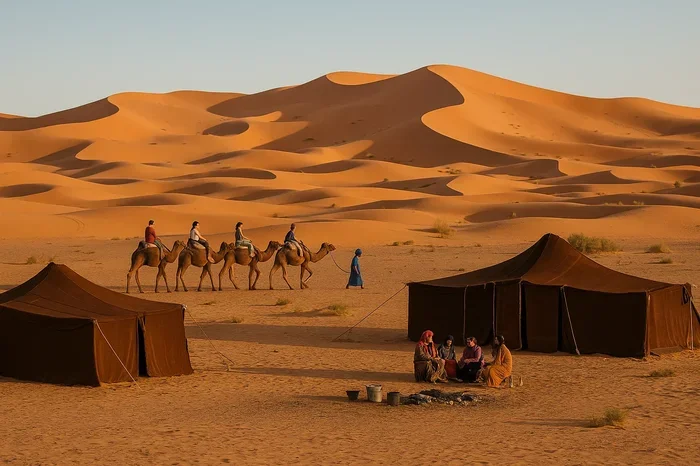
Featured image for Marrakech Sahara desert camels
Image source: planningtomorocco.com
A 10 day tour from Marrakech to Sahara Desert offers the most comprehensive way to experience Morocco’s diverse landscapes, rich culture, and ancient history. This carefully crafted itinerary takes you from the bustling medinas of Marrakech through the Atlas Mountains, across desert dunes, and into the heart of Berber villages. Travelers can expect camel treks, overnight desert camps, visits to UNESCO World Heritage Sites, and authentic cultural encounters that go far beyond a typical vacation.
Imagine standing atop a towering sand dune as the sun sets over the Sahara, painting the sky in brilliant shades of orange and purple. Picture yourself wandering through ancient medinas where the air smells of spices and leather, or sharing mint tea with a Berber family in a mud-brick village. A 10 day tour from Marrakech to Sahara Desert isn’t just a trip. Think of it as a journey through time, culture, and some of the most breathtaking landscapes on Earth.
Morocco sits at the crossroads of Africa, Europe, and the Middle East. This unique position has shaped its history, architecture, and traditions for over a thousand years. The Sahara Desert alone covers approximately 9.2 million square kilometers, making it the largest hot desert in the world. Yet Morocco offers so much more than just sand. Within a single 10-day journey, you’ll encounter snow-capped mountains, lush palm groves, coastal cities, and ancient kasbahs that have stood for centuries.
This comprehensive guide will walk you through everything you need to know about planning and enjoying the perfect 10-day Moroccan adventure. From what to pack to when to go, from hidden gems to must-see attractions, consider this your complete roadmap to one of the world’s most enchanting travel experiences.
Key Takeaways
- Optimal Duration: 10 days provides the perfect balance between exploration and relaxation, covering roughly 1,200-1,500 kilometers of Morocco’s most stunning terrain.
- Cultural Immersion: The tour includes visits to multiple UNESCO World Heritage Sites including Ait Ben Haddou and the medinas of Fes and Marrakech.
- Desert Experience: You’ll spend at least one night in a traditional Berber desert camp under the Sahara’s star-filled sky.
- Geographic Diversity: The route traverses four distinct landscapes: coastal areas, mountain ranges, valley oases, and desert dunes.
- Budget Flexibility: Prices range from $800-$2,500 per person depending on accommodation choices and tour style.
- Best Travel Seasons: October through April offers the most comfortable weather, avoiding summer desert heat exceeding 45°C (113°F).
- Physical Accessibility: Most activities suit average fitness levels, though camel rides and dune walks require basic mobility.
📑 Table of Contents
- What Exactly Is a 10 Day Marrakech to Sahara Tour?
- Why Choose a 10 Day Itinerary Over Shorter Options?
- When Is the Best Time to Embark on This Journey?
- Who Should Consider This Tour and What Will You Experience?
- How Much Does a 10 Day Marrakech to Sahara Tour Cost?
- What Should You Pack for a 10 Day Morocco Adventure?
- Essential Tips for an Unforgettable Experience
- Sample 10-Day Itinerary Breakdown
- Conclusion: Your Moroccan Adventure Awaits
What Exactly Is a 10 Day Marrakech to Sahara Tour?
A 10 day tour from Marrakech to Sahara Desert is a structured travel itinerary that takes you on a loop or one-way journey through Morocco’s most spectacular regions. Unlike shorter trips that rush through highlights, this extended timeframe allows for deeper exploration and meaningful cultural exchanges. Think of it like reading a full novel versus skimming a summary. You get the complete story, including all the rich details that make Morocco truly special.
The Classic Route Explained
Most 10-day tours follow a circular or linear route that begins and ends in Marrakech. The typical path includes stops in the Atlas Mountains, the Dades and Todra Valleys, the Sahara Desert near Merzouga or Zagora, and various UNESCO World Heritage Sites along the way. Some variations include the coastal city of Essaouira, while others focus on inland cultural sites like Fes or Ouarzazate.
The journey typically covers between 1,200 and 1,500 kilometers, though you won’t be driving the entire time. Tours include comfortable overnight stops in riads (traditional Moroccan guesthouses), hotels, and that unforgettable night or two under the desert stars.
What’s Included in Most Tour Packages
Standard inclusions usually cover:
- Transportation: Air-conditioned minibus or 4×4 vehicle with driver
- Accommodation: 8-9 nights in hotels/riads plus 1 night in desert camp
- Activities: Camel trek, guided medina tours, and visits to historical sites
- Meals: Daily breakfast and most dinners (varies by operator)
- Local Guides: Official guides in cities like Fes and Ait Ben Haddou
Did you know? The word “riad” comes from the Arabic term for “garden.” Traditional riads are built around interior courtyards, often featuring fountains and orange trees. This architectural design keeps homes cool during hot summers and provides privacy from the busy streets outside.
Why Choose a 10 Day Itinerary Over Shorter Options?
You might wonder why 10 days specifically. After all, you can technically reach the Sahara from Marrakech in just two days. But doing so would mean missing roughly 80% of what makes this journey extraordinary. The 10-day format strikes the perfect balance, like choosing a seven-course meal over fast food. Both will fill you up, but only one provides a truly memorable experience.
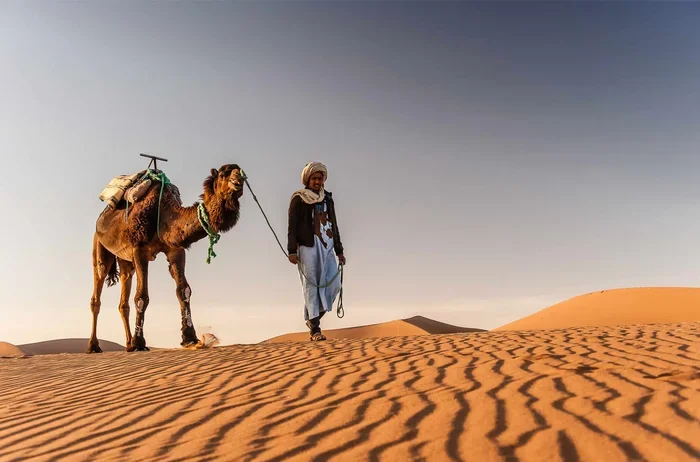
Visual guide about Marrakech Sahara desert camels
Image source: moroccanjourneys.com
The Problem with Rushed Tours
Shorter tours, particularly 3-5 day options, often involve 8-10 hours of daily driving. This leaves little time for actual exploration or genuine cultural connection. Travelers frequently report feeling exhausted rather than enriched. A 10 day tour from Marrakech to Sahara Desert solves this problem by allowing 4-6 hours of driving per day on average, leaving ample time for activities, meals, and spontaneous discoveries.
Health and Safety Considerations
Extended driving in Morocco’s varied terrain can be physically demanding. Did you know that Morocco’s roads include everything from modern highways to unpaved desert tracks? The 10-day pace allows travelers to acclimatize gradually to altitude changes (some Atlas Mountain passes exceed 2,200 meters), climate variations, and different food and water. This slower approach reduces the risk of travel fatigue and stomach issues that plague rushed itineraries.
Value for Money
While a 10-day tour costs more upfront than shorter options, the per-day value is often better. You’re not paying for rushed logistics, and many experiences, like the desert camp overnight, become more meaningful when you’re not exhausted. Additionally, group tour prices typically decrease on a per-day basis as the tour length increases, thanks to fixed costs being spread over more days.
When Is the Best Time to Embark on This Journey?
Timing can make or break your Sahara Desert adventure. Morocco’s climate varies dramatically by region and season, so understanding the weather patterns is essential. Think of it like choosing the right season to visit any destination. The difference between a pleasant trip and an uncomfortable one often comes down to a few weeks on the calendar.
Seasonal Breakdown
Spring (March-May): Arguably the best time for a 10 day tour from Marrakech to Sahara Desert. Temperatures range from 20-28°C (68-82°F) in most regions. Wildflowers bloom in the Atlas Mountains, and the desert remains comfortable for camel treks and camping. This is peak tourist season, so book accommodations 2-3 months in advance.
Fall (September-November): Equally ideal, with similar temperatures to spring. October offers perhaps the sweetest combination of good weather, fewer crowds, and lower prices. The desert sunsets during fall are particularly spectacular due to clearer atmospheric conditions.
Winter (December-February): Surprisingly viable, especially if you don’t mind cooler temperatures. Desert nights can drop to 5°C (41°F) or below, requiring warm sleeping bags. However, the Atlas Mountains may have snow, creating stunning photo opportunities. Marrakech stays mild at 15-20°C (59-68°F).
Summer (June-August): Challenging but possible. Desert temperatures regularly exceed 45°C (113°F) during the day. Some operators cancel tours or shift itineraries during peak summer. If you must travel then, coastal variations and mountain retreats become essential parts of the route.
Ramadan Considerations
Did you know that Morocco’s population is approximately 99% Muslim? During the holy month of Ramadan, daily life slows considerably. Restaurants may close during daylight hours, and the atmosphere changes significantly. Some travelers find this a fascinating cultural experience, while others prefer to visit outside Ramadan for full access to attractions and restaurants.
Festival Timing
Morocco hosts numerous festivals throughout the year. The Marrakech Popular Arts Festival in July, the Fes Sacred Music Festival in June, and various moussems (religious festivals) in desert regions offer unique cultural insights. Researching the festival calendar can help you time your visit around events of interest.
Who Should Consider This Tour and What Will You Experience?
The beauty of a 10 day tour from Marrakech to Sahara Desert lies in its universal appeal. Different types of travelers find different aspects compelling, but almost everyone comes away transformed by the experience. Let’s look at who this tour suits best and what you can expect along the way.
Ideal Traveler Profiles
Culture Enthusiasts: If you love history, architecture, and learning about different ways of life, this tour is paradise. You’ll explore medinas that haven’t changed in centuries, visit kasbahs that once controlled trans-Saharan trade routes, and meet artisans continuing traditions passed down through generations.
Adventure Seekers: While not extreme adventure, the tour offers plenty of excitement. Camel trekking across dunes, hiking through Todra Gorges, and navigating mountain passes provide genuine thrills. The adventure is accessible rather than extreme, making it perfect for those seeking new experiences without serious risk.
Photography Lovers: Morocco is among the most photogenic countries on Earth. Every turn reveals a new composition opportunity, from blue-washed Chefchaouen to golden Erg Chebbi dunes. The quality of light, especially during golden hour, makes even amateur photographers look professional.
Relaxation Travelers: Despite covering significant distance, the pace allows for genuine relaxation. Long evenings in riads, leisurely mint tea sessions, and unhurried meals mean you return home refreshed rather than exhausted.
The Sahara Desert Experience
The highlight of any 10 day tour from Marrakech to Sahara Desert is, of course, the Sahara itself. Most tours visit either Erg Chebbi near Merzouga or Erg Chigaga near Zagora. Erg Chebbi features taller dunes (up to 150 meters) and more developed tourism infrastructure, while Erg Chigaga offers a more remote, untouched experience.
The classic Sahara experience includes:
- Camel Trek: A 1-2 hour ride into the dunes at sunset, with camels carrying your overnight bags
- Desert Camp: Traditional Berber tents with comfortable mattresses, shared bathrooms, and communal dining
- Star Gazing: With minimal light pollution, the Sahara offers some of the world’s best stargazing. Did you know you can see the Milky Way with the naked eye from the desert?
- Berber Music: Evening performances featuring traditional drums and songs around a campfire
- Sandboarding: Many camps offer boards for sliding down smaller dunes
Cultural Encounters Along the Way
Beyond the desert, your 10 day tour from Marrakech to Sahara Desert includes rich cultural experiences. You’ll visit Ait Ben Haddou, the UNESCO World Heritage Site featured in films like “Gladiator” and “Game of Thrones.” You’ll explore the Todra Gorges, where 400-meter cliffs create a dramatic natural cathedral. You’ll wander through rose valleys, date palm oases, and traditional Berber villages where time seems to stand still.
How Much Does a 10 Day Marrakech to Sahara Tour Cost?
Budget planning is crucial for any international trip. Morocco offers excellent value compared to many destinations, but costs vary significantly based on your choices. Understanding the price landscape helps you plan effectively and avoid surprises. Think of your budget like a toolbox. The more tools you have, the more options become available.
Price Ranges by Tour Type
Budget Tours ($800-$1,200 per person): These typically include shared accommodations in basic but clean riads and hotels, group sizes of 12-16 people, and standard desert camps. Meals are often included only partially, usually breakfast and 2-3 dinners.
Mid-Range Tours ($1,200-$1,800 per person): Expect smaller groups (6-10 people), upgraded riad accommodations with traditional architecture and pools, and sometimes luxury desert camps with private tents and ensuite bathrooms. Most meals included.
Luxury Tours ($1,800-$2,500+ per person): Private guides and vehicles, stays in 4-5 star properties, exclusive desert camps with private bathrooms and gourmet meals, and premium experiences like private camel treks or hot air balloon rides.
What’s Not Included
Most tours exclude:
- International Flights: Typically $500-$1,500 from North America or Europe
- Travel Insurance: Highly recommended, around $50-$150 for the trip duration
- Tips: Budget $10-$15 per day for drivers and guides
- Lunches: Usually $8-$15 per meal
- Drinks: Alcohol is limited and expensive in Morocco
- Personal Expenses: Souvenirs, snacks, optional activities
Money-Saving Strategies
Did you know that traveling in shoulder seasons (October or April) can save 20-30% on tour costs? Booking directly with Moroccan operators rather than international companies also reduces prices significantly. Additionally, choosing group tours over private tours offers substantial savings while still providing excellent experiences.
What Should You Pack for a 10 Day Morocco Adventure?
Packing for Morocco requires balancing preparation for diverse climates and respecting local customs. The country spans from snowy mountains to scorching deserts, often within a single day. Proper packing means comfort, respect, and readiness for anything. Think of your suitcase as a survival kit. Every item should serve a purpose.
Clothing Essentials
Modest, Layered Clothing: Morocco is a conservative Muslim country, so covering shoulders and knees shows respect, especially in rural areas and religious sites. Light layers work best because temperatures can swing 20°C between day and night in the desert.
Specific Items to Pack:
- Long-sleeved shirts and blouses (moisture-wicking for desert days)
- Lightweight pants or long skirts
- One warm jacket for cool desert evenings and mountain passes
- Comfortable walking shoes plus sandals for the desert
- Scarf or shemagh (versatile for sun protection, warmth, or modesty)
- Swimwear for riad pools and hammam experiences
Practical Gear
Beyond clothing, certain items prove invaluable:
- Sunscreen and Sunglasses: The desert sun is intense, with UV index often exceeding 10
- Reusable Water Bottle: Staying hydrated is crucial; aim for 3-4 liters daily in the desert
- Headlamp: Essential for desert camp nights and power-outage-prone riads
- Power Adapter: Morocco uses Type C and E plugs, 220V
- Basic First Aid Kit: Include stomach remedies, as traveler’s diarrhea affects 30-50% of visitors
- Camera with Extra Batteries: You’ll shoot far more photos than expected
What NOT to Bring
Leave behind revealing clothing, expensive jewelry, and excessive electronics. Did you know that pickpocketing in tourist areas of Morocco is relatively common? Bring only what you can afford to lose, and use hotel safes for valuables. Also, drones require special permits, and certain medications may face customs restrictions. Research before packing questionable items.
Essential Tips for an Unforgettable Experience
Even the best-planned trip benefits from insider knowledge. These tips, gathered from experienced travelers and local guides, help you navigate potential challenges and maximize enjoyment. Consider them the secret ingredients that transform a good trip into an extraordinary one.
Cultural Etiquette and Customs
Understanding basic Moroccan etiquette goes a long way. Greetings are important, so learn “Salam Alaikum” and the response “Ala Alaikum Salam.” Always use your right hand for eating and giving/receiving items. Remove shoes when entering homes and some shops. Ask permission before photographing people, and never photograph military or government buildings.
Language Basics
While Arabic and Berber are official languages, French is widely spoken in cities. English is increasingly common in tourist areas. Learning basic phrases in Arabic or French earns respect and often better service. Simple phrases like “Shukran” (thank you), “La, shukran” (no, thank you) for persistent vendors, and “Bslama” (goodbye) prove invaluable.
Staying Healthy
Morocco is generally safe for travelers, but health precautions matter. Stick to bottled water, which is widely available. Eat at established restaurants rather than street stalls for the first few days while your stomach adjusts. Carry hand sanitizer and use it frequently. The strong sun and dry air can dehydrate you quickly, especially in the desert, so drink more water than you think necessary.
Photography Tips
The light in Morocco is magical, particularly during the “golden hour” before sunset and “blue hour” after. Did you know that many riads restrict interior photography? Always ask before photographing people, especially women. Markets can be challenging; ask permission before shooting, or visit early morning when vendors are setting up for less crowded shots.
Shopping Smart
Morocco’s souks (markets) offer incredible treasures but require savvy shopping. Bargaining is expected, so start at 40-50% of the asking price and negotiate respectfully. Quality varies dramatically, so examine goods carefully. Fixed-price shops exist in newer parts of cities, but traditional souks follow the bargaining tradition. Buying directly from artisans in smaller villages often yields better prices and authentic goods.
Sample 10-Day Itinerary Breakdown
While specific itineraries vary by operator, most 10 day tour from Marrakech to Sahara Desert packages follow a similar structure. This sample itinerary shows what you can expect day by day, though remember that weather, road conditions, and group preferences can cause minor variations.
Days 1-3: Marrakech and Atlas Mountains
The journey typically begins with exploration of Marrakech itself, including the famous Jemaa el-Fnaa square, Majorelle Garden, and the labyrinthine medina. Day 3 usually involves crossing the High Atlas Mountains via the spectacular Tizi n’Tichka pass (2,260 meters elevation), with stops at argan oil cooperatives and Berber villages.
Days 4-5: Ait Ben Haddou and Ouarzazate
You’ll visit the UNESCO-listed Ait Ben Haddou kasbah, exploring its ancient towers and learning about its role in trans-Saharan trade. Many tours include a stop at Ouarzazate, known as the “Hollywood of Africa” for its film studios. The dramatic Dades Valley, with its winding road known as the “Monkey Fingers,” provides stunning scenery.
Days 6-7: Todra Gorges and Sahara Approach
Todra Gorges offer hiking opportunities among towering rock walls. From there, the route descends toward the desert, passing through date palm oases and traditional towns. The anticipation builds as sand dunes appear on the horizon, culminating in the camel trek to your desert camp.
Days 8-10: Sahara, Return, and Final Explorations
After sunrise over the dunes and perhaps a final camel ride, the return journey begins. Many tours stop at Draa Valley’s palm groves or include the stunning Ait Saoun oasis. The final days might include visits to Ouarzazate film studios, more Atlas Mountain scenery, or extended time back in Marrakech for last-minute shopping and sightseeing.
Conclusion: Your Moroccan Adventure Awaits
A 10 day tour from Marrakech to Sahara Desert represents far more than a vacation. It’s an immersion into one of the world’s most captivating cultures, a journey through landscapes that have inspired travelers for centuries, and an experience that challenges and rewards in equal measure. From the moment you step into the sensory overload of Marrakech’s medinas to the profound silence of the Sahara at midnight, every day brings new discoveries.
The beauty of this journey lies in its accessibility. You don’t need extreme fitness, advanced language skills, or unlimited budget. You need curiosity, respect, and a willingness to embrace the unexpected. Whether you find yourself lost in a medina’s winding alleys, sharing tea with strangers who become friends, or watching stars wheel overhead from a desert camp, Morocco offers something that pure tourism rarely does: genuine transformation.
Start planning your 10 day tour from Marrakech to Sahara Desert today, and prepare for the adventure of a lifetime. The Sahara has welcomed travelers for millennia. Now it’s your turn to add your story to its endless narrative of wonder and discovery.
Frequently Asked Questions
Is 10 days enough to tour from Marrakech to the Sahara Desert?
Yes, 10 days is actually the ideal duration for this journey. It provides enough time to explore without rushing, typically including 4-6 hours of driving per day with plenty of stops. Shorter tours often mean exhausted travelers, while longer tours can include too much travel time.
What is the best time of year to visit the Sahara Desert from Marrakech?
October through April offers the most comfortable weather, with daytime temperatures between 20-28°C (68-82°F). Spring (March-May) and Fall (September-November) are particularly pleasant. Avoid June-August when desert temperatures can exceed 45°C (113°F), making outdoor activities dangerous.
Do I need to be physically fit for a camel trek in the Sahara?
Basic mobility is helpful but extreme fitness isn’t required. Camel rides involve mounting and dismounting a tall animal, which can be challenging for those with knee or back issues. The trek itself is usually 1-2 hours, with the camel doing the work. Most travelers of average fitness manage comfortably.
What should I wear in Morocco, especially in desert regions?
Pack modest, lightweight clothing that covers shoulders and knees as a sign of cultural respect. Bring layers because desert temperatures can swing 20°C between day and night. A scarf or shemagh protects from sun, sand, and cold evenings. Comfortable closed-toe shoes for sightseeing and sandals for the desert work well.
Is it safe to travel to Morocco and the Sahara Desert?
Morocco is generally very safe for tourists, with low violent crime rates. The main concerns are petty theft in tourist areas and traffic on roads. Desert regions are particularly secure, and tour operators maintain strong safety protocols. Following standard travel precautions and staying with reputable guides ensures a safe experience.
How much should I budget for a 10-day Morocco tour excluding flights?
Budget $1,000-$1,500 for mid-range tours, including accommodations, most meals, and activities. Add $300-$500 for lunches, tips, drinks, souvenirs, and personal expenses. International flights typically cost $500-$1,500 from North America or Europe, depending on departure city and season.