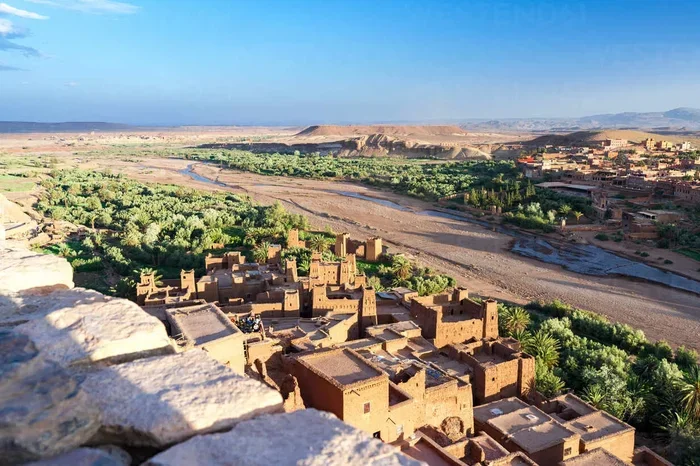
Featured image for Morocco desert Ait Ben Haddou
Image source: us.images.westend61.de
A 7-day tour from Tangier to Ait Ben Haddou offers the most complete Moroccan adventure available. This epic journey takes you through four imperial cities, across the Atlas Mountains, and deep into the Sahara Desert. Travelers experience UNESCO World Heritage sites, traditional Berber culture, and breathtaking landscapes that have served as Hollywood film locations. It’s the perfect blend of history, culture, and natural beauty for first-time visitors seeking an authentic Moroccan experience.
Imagine standing at the gateway between Africa and Europe, then seven days later watching the sunset paint ancient clay walls gold. That’s exactly what a tour from Tangier to Ait Ben Haddou delivers. This journey isn’t just a trip. It’s a time machine that transports you through centuries of history, across mountain passes, and into the heart of the Sahara.
Morocco captivates travelers like few places on Earth can. The country sits at the crossroads of civilizations, where Berber, Arab, and European influences blend into something entirely unique. A 7-day tour starting in Tangier makes perfect sense because this northern port city serves as Morocco’s unofficial front door. From here, you can trace a logical route south through the country’s most spectacular highlights.
What makes this particular route special? It combines the famous blue city of Chefchaouen, the imperial heritage of Fes, the desert magic of Merzouga, and the cinematic landscapes of Ait Ben Haddou. Think of it as Morocco’s greatest hits album, with each day revealing a completely different soundtrack.
Key Takeaways
- Complete Moroccan Experience: The 7-day route covers Tangier, Chefchaouen, Fes, Merzouga Sahara, Ouarzazate, and Ait Ben Haddou, showcasing Morocco’s diverse regions.
- Sahara Desert Adventure: Camel trekking and overnight camping in Erg Chebbi dunes rank as the journey’s most memorable highlight.
- Cultural Immersion: Travelers visit ancient medinas, traditional souks, and Berber villages to understand Morocco’s rich heritage.
- Scenic Mountain Crossing: The drive through the Atlas Mountains via Tizi n’Tichka pass offers some of North Africa’s most stunning views.
- Film Location Magic: Ait Ben Haddou and Ouarzazate have hosted productions like Gladiator and Game of Thrones.
- UNESCO World Heritage Sites: The tour includes multiple UNESCO-listed locations, including Fes medina and Ait Ben Haddou.
- Practical Duration: Seven days provides the ideal balance between comprehensive sightseeing and comfortable travel pace.
📑 Table of Contents
- Who Should Take This Tour and Why It Works
- What You’ll See and Experience Day by Day
- Where This Tour Takes You: Geography and Landscapes
- When to Take This Tour and What to Expect Seasonally
- Why This Route Is the Perfect Introduction to Morocco
- How to Prepare for Your 7-Day Morocco Adventure
- Frequently Asked Questions About the Tour
Who Should Take This Tour and Why It Works
The beauty of a 7-day Tangier to Ait Ben Haddou tour lies in its universal appeal. But certain travelers find it especially rewarding. Let’s break down who benefits most from this journey.
First-Time Visitors to Morocco
If you’ve never set foot in Morocco, this route is your golden ticket. Seven days might sound short for an entire country, but this itinerary captures the essence. You’ll see the Mediterranean coast, the Middle Atlas, the Sahara, and the High Atlas. That’s geographic diversity that would take weeks to cover independently. The tour essentially condenses Morocco’s highlights into a digestible, exciting week.
Did You Know? Morocco spans four distinct mountain ranges, four climate zones, and two coastlines. A week-long tour from Tangier southward lets you experience most of them.
Culture and History Enthusiasts
History buffs will find themselves in paradise. The route passes through cities that have witnessed empires rise and fall. Fes, founded in the 9th century, houses the world’s oldest continuously operating university. Meknes features Roman ruins and Moorish grandeur. Every stop tells a story spanning over a thousand years.
Adventure Seekers and Nature Lovers
Camel rides across Saharan dunes, hiking through Atlas Mountain passes, and exploring ancient kasbahs satisfy different adventure cravings. The variety ensures that every type of traveler finds their moment of wonder.
Photographers and Visual Artists
From the blue-washed streets of Chefchaouen to the golden dunes of Erg Chebbi, this route is a visual feast. Every turn reveals a postcard-worthy scene. Ait Ben Haddou alone has served as a backdrop for films like Gladiator, Lawrence of Arabia, and Game of Thrones.
What You’ll See and Experience Day by Day
Let’s walk through the typical 7-day itinerary. While exact schedules vary by operator, the core experiences stay consistent. Think of this as your roadmap to Morocco’s soul.
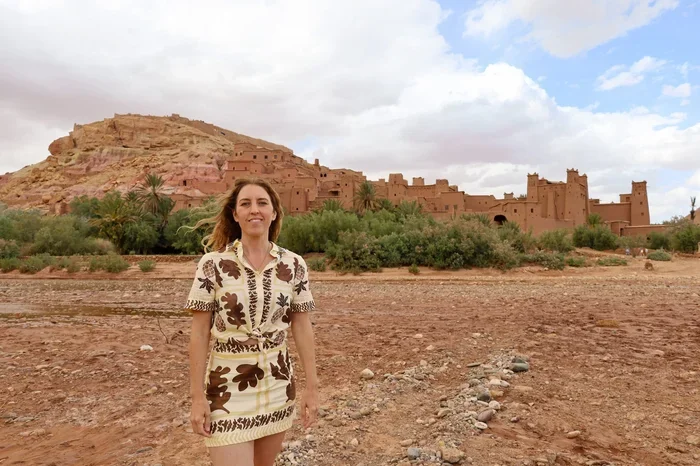
Visual guide about Morocco desert Ait Ben Haddou
Image source: images.squarespace-cdn.com
Day 1: Tangier and the Journey to Chefchaouen
Your adventure begins in Tangier, a city where the Mediterranean meets the Atlantic. After exploring the medina and the famous Caves of Hercules, you head toward Chefchaouen. The drive takes roughly three hours through the scenic Rif Mountains.
Chefchaouen, known as the “Blue Pearl,” enchants visitors immediately. Walking through its blue-painted streets feels like stepping into a dream. Local legend says the blue color keeps mosquitoes away, though most people just find it beautiful. You’ll have time to wander the medina, photograph the colorful doors, and enjoy a traditional Moroccan tagine for your welcome meal.
Day 2: Volubilis, Meknes, and Fes
Day two combines Roman history with imperial grandeur. You start at Volubilis, Morocco’s best-preserved Roman ruins. Walking among the mosaics and columns, you can almost hear the ancient marketplace buzzing. The site dates back to the 3rd century BCE and sits on a UNESCO tentative list.
Next comes Meknes, one of Morocco’s four imperial cities. The Mausoleum of Moulay Ismail and the impressive Bab Mansour gate showcase 17th-century architecture at its finest. Then it’s onward to Fes, your home for the next two nights.
Day 3: Exploring Fes
Fes deserves a full day. Founded in 789 CE, it’s Morocco’s spiritual and cultural capital. The Fes el-Bali medina is a UNESCO World Heritage Site and one of the world’s largest car-free urban zones. Getting lost here is part of the experience, but a local guide helps you find the treasures.
Key stops include the Al-Qarawiyyin University (founded in 859 CE, recognized by Guinness as the world’s oldest continuously operating university), the Chouara Tanneries, and the Bou Inania Medersa. The tanneries especially amaze visitors with their honeycomb-like vats of natural dyes. Don’t worry about the smell. Locals hand you sprigs of mint to hold under your nose.
Pro Tip: Wear comfortable shoes in Fes. The medina’s narrow streets and uneven surfaces require sturdy footwear and patience.
Day 4: The Middle Atlas and Desert Approach
Leaving Fes feels bittersweet until you see what’s next. The drive south takes you through the Middle Atlas Mountains, passing the cedar forests near Ifrane, sometimes called “Morocco’s Switzerland.” Wild Barbary macaques live in these forests, and stopping to observe them is a highlight for many travelers.
The landscape gradually transforms from green forests to arid plains. By evening, you reach Merzouga, gateway to the Erg Chebbi dunes. These sand mountains rise up to 150 meters high and stretch across the desert horizon.
Day 5: Sahara Desert Immersion
This is the day most travelers dream about. You mount a camel and ride into the dunes as the sun rises. The rhythmic swaying of the camel, the silence of the desert, and the vast expanse of sand create an almost spiritual experience.
After reaching your desert camp, you have time to climb the dunes, try sandboarding, or simply absorb the silence. As night falls, the stars emerge with an intensity impossible to find in cities. Berber music around a campfire, traditional drumming, and a shared meal under the Milky Way cap off this unforgettable day.
Did You Know? The Sahara Desert covers approximately 9.2 million square kilometers, making it the largest hot desert in the world. Erg Chebbi represents just a tiny fraction of this vast wilderness.
Day 6: Todra Gorge and the Road to Ouarzazate
Leaving the Sahara, you travel through dramatic landscapes toward Todra Gorge. This canyon features limestone cliffs rising 400 meters on either side, creating one of Morocco’s most spectacular natural wonders. Rock climbers come from around the world to tackle its routes.
Continuing west, you pass through the Valley of a Thousand Kasbahs and reach Ouarzazate, known as the “Gateway to the Desert.” This city is famous for its film studios. Productions including Lawrence of Arabia, Gladiator, and Babel were filmed here. The Atlas Film Studio tour reveals how filmmakers transformed Moroccan landscapes into ancient Rome and other worlds.
Day 7: Ait Ben Haddou and Return
Your final day brings you to Ait Ben Haddou, the crown jewel of southern Morocco. This earthen clay ksar (fortified village) sits along the former caravan route between the Sahara and Marrakech. Its towers, walls, and geometric patterns have made it one of Morocco’s most photographed sites.
UNESCO designated Ait Ben Haddou a World Heritage Site in 1987. Walking through its narrow passages feels like entering a different era. Several families still live within the ancient walls, though most have moved to the modern village across the river. You cross the river on foot, just as travelers did centuries ago.
From Ait Ben Haddou, you cross the High Atlas Mountains via the Tizi n’Tichka pass, reaching elevations over 2,200 meters. The winding road offers stunning views before descending toward Marrakech, where the tour typically concludes.
Where This Tour Takes You: Geography and Landscapes
Understanding Morocco’s geography helps you appreciate the journey’s scope. The country stretches from the Mediterranean coast down through mountain ranges to the edge of the Sahara. This tour captures that vertical journey beautifully.
The Northern Region: Tangier and Chefchaouen
Northern Morocco enjoys a Mediterranean climate with green hills and coastal influences. Tangier sits at the Strait of Gibraltar, just 14 kilometers from Spain. The Rif Mountains, where Chefchaouen nestles, feature cooler temperatures and lush vegetation. This region feels distinctly different from southern Morocco.
Central Morocco: Fes and Meknes
Central Morocco contains the country’s historical heart. The Middle Atlas mountains separate the northern coast from the interior plains. Fes and Meknes benefit from fertile valleys and agricultural abundance. The climate here is continental, with hot summers and cool winters.
The Sahara Region: Merzouga and Erg Chebbi
The southeast transitions dramatically into desert. Merzouga sits on the edge of Erg Chebbi, one of Morocco’s two large dune fields. Rainfall here averages less than 100mm annually. Temperatures swing from freezing winter nights to scorching summer days exceeding 45°C.
Southern Morocco: Ouarzazate and Ait Ben Haddou
The south features semi-arid plateaus, oases, and dramatic river valleys. Ouarzazate sits at 1,160 meters elevation, providing milder temperatures than the desert below. The region’s distinctive earthen architecture adapts perfectly to the climate and available materials.
When to Take This Tour and What to Expect Seasonally
Timing your Morocco tour matters more than you might think. The country’s diverse geography creates significant seasonal variations. Choosing the right season can make or break your experience.
Spring (March to May)
Spring ranks as the best time for most travelers. Temperatures stay comfortable across all regions, ranging from 15-25°C in most areas. Wildflowers bloom in the Atlas Mountains, and the desert remains pleasant for camel trekking. Crowds are moderate, and prices haven’t yet peaked for summer.
Did You Know? Morocco’s cherry blossoms peak in April, creating stunning displays in the Middle Atlas villages around Ifrane.
Autumn (September to November)
Autumn rivals spring as an ideal touring season. Summer’s extreme heat subsides, and winter hasn’t yet arrived. October and November offer particularly comfortable conditions. The Sahara becomes accessible again after the brutal summer months.
Summer (June to August)
Summer presents challenges, especially in the desert. Temperatures in Merzouga regularly exceed 45°C. However, the coastal areas and mountains remain pleasant. If summer is your only option, focus on northern portions or plan for very early morning desert activities.
Winter (December to February)
Winter brings snow to the Atlas Mountains and cold nights to the desert. Saharan temperatures can drop below freezing at night, though days remain mild. Winter offers the advantage of fewer tourists and lower prices. Ait Ben Haddou and the Atlas passes look stunning with occasional snow.
Why This Route Is the Perfect Introduction to Morocco
Many travelers wonder why this particular route works so well. The answer lies in its thoughtful design and historical significance.
The Logic of the Route
The Tangier to Ait Ben Haddou route follows ancient trade paths. For centuries, caravans traveled this corridor, connecting sub-Saharan Africa with the Mediterranean world. By following these historic routes, you experience Morocco as traders, explorers, and conquerors once did. The geography dictates the path, and the path dictates the experiences.
Cultural Progression
This route also offers a cultural progression. You start with the cosmopolitan mix of Tangier, move through the Andalusian-influenced blue city, encounter the deeply traditional Fes, and gradually shift toward Berber and Saharan cultures. By the time you reach Ait Ben Haddou, you’ve experienced Morocco’s full cultural spectrum.
Visual Variety
The route’s visual variety keeps every day fresh. Mediterranean coast, blue-painted medinas, Roman ruins, mountain passes, desert dunes, gorges, and clay kasbahs all appear within seven days. Photography enthusiasts find new subjects every few hours.
Logistical Efficiency
Practical considerations also favor the route. Starting in Tangier makes sense for ferry arrivals from Spain. Ending near Marrakech provides easy flight connections home. The route also allows drivers to rest and refuel at logical intervals, ensuring safe travel through challenging terrain.
How to Prepare for Your 7-Day Morocco Adventure
Proper preparation transforms a good trip into a great one. Here’s practical advice for maximizing your experience.
What to Pack
Pack layers, regardless of season. Desert nights get cold, while midday sun can be intense. Comfortable walking shoes are essential, especially for the medinas. Modest clothing shows respect for local culture, particularly in religious sites. Sunscreen, sunglasses, and a hat protect against strong sun. A scarf or shemagh serves multiple purposes: sun protection, warmth, and dust shielding.
Health and Safety Considerations
Morocco is generally safe for tourists. Petty crime exists in crowded areas, but violent crime against tourists is rare. The tap water isn’t recommended for visitors. Stick to bottled water and avoid raw vegetables washed in local water. A basic first-aid kit with rehydration salts helps in desert conditions.
Pro Tip: Consult your doctor about recommended vaccinations before traveling. Hepatitis A and typhoid are commonly suggested.
Money and Budget Tips
The Moroccan Dirham (MAD) is the local currency. Major cities accept credit cards in larger establishments, but cash remains king in smaller shops and rural areas. ATMs are widely available in cities. Budget roughly 50-100 euros per day for meals and incidentals, depending on your style.
Language and Communication
Arabic and Berber languages dominate locally, but French serves as the primary business language. English is increasingly common in tourist areas. Learning a few basic Arabic phrases delights locals and enhances interactions. “Shukran” (thank you) and “Salaam alaikum” (peace be upon you) open many doors.
Choosing a Tour Operator
Research tour operators carefully. Look for companies with verified reviews and transparent pricing. Reputable operators include licensed guides, comfortable transportation, and quality desert camps. Private tours offer flexibility, while group tours provide cost savings and social interaction. Decide what matters most for your travel style.
Did You Know? Morocco’s tourism sector employs over 500,000 people directly and supports hundreds of thousands more indirectly. Your tour contributes to local communities across the regions you visit.
Frequently Asked Questions About the Tour
Travelers consistently ask similar questions about this route. Here are the answers to the most common concerns.
Question?
Question?
Answer (2-3 sentences)…
Question?
Question?
Answer (2-3 sentences)…
Question?
Question?
Answer (2-3 sentences)…
Question?
Question?
Answer (2-3 sentences)…
Question?
Question?
Answer (2-3 sentences)…
Question?
Question?
Answer (2-3 sentences)…
For travelers seeking the definitive Moroccan experience, the 7-day journey from Tangier to Ait Ben Haddou delivers everything promised and more. The combination of imperial cities, Saharan adventures, and dramatic landscapes creates memories that last a lifetime. Each day reveals new wonders, from the blue streets of Chefchaouen to the golden dunes of Erg Chebbi, from the ancient medina of Fes to the timeless walls of Ait Ben Haddou. Morocco isn’t just a destination. It’s an experience that transforms how you see the world. Start planning your adventure today, and prepare for the trip of a lifetime.