
Featured image for Sahara desert dunes sunset
Image source: png.pngtree.com
An 11-day tour from Marrakech to Erg Chegaga is the ultimate Moroccan desert adventure. This journey takes you through ancient medinas, towering Atlas Mountains, lush valleys, and into the heart of the Sahara’s most remote dunes. Travelers experience camel treks, luxury desert camps, and authentic Berber hospitality along the way. Perfect for those seeking a deep, immersive exploration of Morocco beyond the typical tourist path.
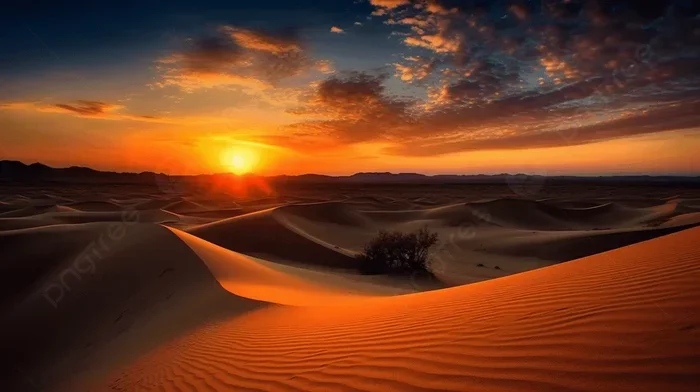
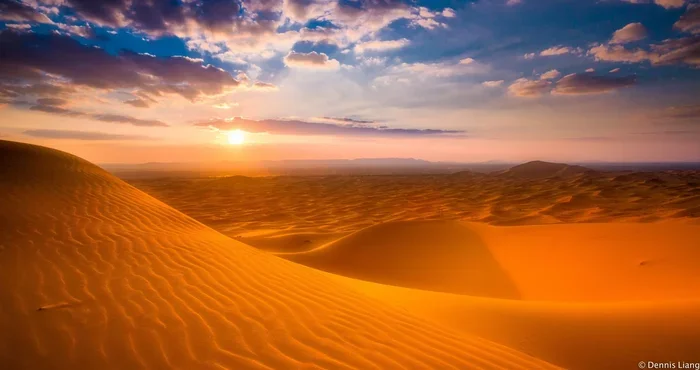
Imagine standing atop a sea of golden sand, with nothing but endless dunes stretching toward the horizon. The sun melts into the earth, painting the sky in shades of orange and pink. Behind you, camels rest peacefully. Around you, silence so profound you can hear your own heartbeat. This is Erg Chegaga, Morocco’s most remote and magical dune field, and an 11-day tour from Marrakech is your gateway to experiencing it in full.
Most travelers rush through Morocco in three or four days, barely scratching the surface. But Morocco isn’t a country you sprint through; it’s one you savor. An 11-day itinerary gives you the luxury of time. Time to wander through ancient medinas without a schedule. Time to sip mint tea with Berber families in mountain villages. Time to watch the sunrise from a dune that feels like the edge of the world.
This guide will walk you through everything you need to know about planning and enjoying the perfect 11-day Marrakech to Erg Chegaga adventure. Think of it like planning a road trip across a foreign country, except this one includes camels, kasbahs, and canyons.
Key Takeaways
- Duration & Depth: 11 days allows for slow, immersive travel through Morocco’s diverse landscapes, from Marrakech to the remote Erg Chegaga dunes.
- Remote Destination: Erg Chegaga is less crowded than Erg Chebbi, offering a more authentic and peaceful Sahara experience.
- Cultural Encounters: You’ll meet Berber communities, visit UNESCO sites like Ait Ben Haddou, and explore traditional souks.
- Adventure Activities: Camel treks, sandboarding, 4×4 desert drives, and stargazing under crystal-clear desert skies.
- Scenic Variety: The route covers the Atlas Mountains, Draa Valley, rose gardens, and ancient kasbahs.
- Practical Tips: Best traveled October-May, with comfortable layered clothing and an open mind for adventure.
- All-Inclusive Value: Most tours include transport, guides, meals, and accommodation, making it hassle-free.
📑 Table of Contents
What Makes Erg Chegaga Special?
Erg Chegaga isn’t just another desert; it’s the Sahara’s best-kept secret. Located about 50 kilometers west of the more famous Erg Chebbi dunes, Erg Chegaga remains largely untouched by mass tourism. The dunes here rise up to 150 meters high, creating a dramatic landscape that feels like stepping into another world.
The Remote Advantage
Did You Know? Erg Chegaga has no paved roads leading directly to the dunes. The final stretch requires a 4×4 vehicle, which is exactly why it stays so pristine. While Erg Chebbi sees hundreds of visitors daily, Erg Chegaga welcomes only a handful of adventurous travelers each week.
Think of it like comparing a popular beach resort to a hidden cove. Both are beautiful, but one offers solitude and authenticity that’s increasingly rare. The remoteness means darker skies, perfect for stargazing, and a sense of discovery that mass tourism simply cannot provide.
The Size and Scale
Erg Chegaga spans roughly 40 kilometers, with some of the tallest dunes in Morocco. The vastness creates an almost spiritual atmosphere. Photographers, writers, and soul-searchers have long been drawn here for exactly this reason.
The Complete 11-Day Itinerary Breakdown
Here’s where the magic happens: the actual route. An 11-day tour is carefully designed to balance adventure, culture, and relaxation. Each day builds on the last, taking you deeper into Morocco’s soul.
Visual guide about Sahara desert dunes sunset
Image source: images7.alphacoders.com
Days 1-2: Discovering Marrakech
Your journey begins in Marrakech, Morocco’s “Red City,” named for its distinctive rose-colored buildings. The medina is a feast for the senses, a place where snake charmers, storytellers, and spice merchants have plied their trades for nearly a thousand years.
Must-Visit Spots:
- Jemaa el-Fnaa Square: The beating heart of Marrakech, especially vibrant at sunset when food stalls and performers take over.
- Bahia Palace: A stunning 19th-century palace with intricate tilework and peaceful gardens.
- Majorelle Garden: Once owned by Yves Saint Laurent, this blue garden is an oasis of calm.
- Souks: Lose yourself in labyrinthine markets selling everything from lanterns to leather goods.
Imagine the medina like a giant, living museum. Every corner reveals something new, whether it’s a hidden riad, a rooftop café, or a craftsman hammering copper by hand.
Days 3-4: Crossing the Atlas Mountains
On day three, you leave the city behind and head into the High Atlas Mountains. The Tizi n’Tichka pass rises to 2,260 meters, offering breathtaking views and dramatic switchbacks.
What’s Along the Way:
- Ait Ben Haddou: A UNESCO World Heritage Site and one of Morocco’s most photographed kasbahs. Did You Know? This fortified village has been featured in films like Gladiator, Lawrence of Arabia, and Game of Thrones?
- Ouarzazate: Known as the “Hollywood of Africa” for its film studios.
- Atlas Mountains Berber Villages: Stop for tea with local families and learn about mountain life.
The crossing is like traveling through a giant natural amphitheater. Snow-capped peaks in winter, terraced fields in spring, and traditional villages clinging to hillsides year-round. It’s Morocco’s version of the Swiss Alps, but with camels.
Days 5-6: The Rose Valley and Dades Gorges
As you descend from the Atlas Mountains, the landscape softens into the Rose Valley (Valley of the Roses), famous for its rose gardens and the rosewater products made from May rose harvests.
Highlights:
- Kelaa M’Gouna: The rose capital of Morocco, especially fragrant in spring.
- Dades Valley: Known as the “Valley of a Thousand Kasbahs,” with dramatic rock formations called “Monkey Fingers.”
- Tinghir: A traditional town surrounded by palm groves.
Think of these valleys as Morocco’s hidden gardens, places where life moves slowly and traditions run deep. The scenery here looks like it was painted by an artist with a flair for the dramatic.
Days 7-8: Todra Gorge and the Road South
The journey continues to Todra Gorge, a massive canyon with 400-meter-high walls that attract rock climbers from around the world. Even if you’re not climbing, walking through the gorge is awe-inspiring.
What to Expect:
- Walking the Gorge: Easy pathways along the river, with towering cliffs overhead.
- Berber Markets: Weekly markets where locals trade goods and socialize.
- Desert Transition: As you head south, the landscape gradually shifts from mountains to arid plains.
Picture a place where the Earth split open millions of years ago, creating walls so high they seem to touch the sky. That’s Todra Gorge, and it’s one of Morocco’s most underrated natural wonders.
Days 9-10: Into the Sahara at Erg Chegaga
This is the moment you’ve been waiting for: reaching the Sahara. After passing through the Draa Valley, Morocco’s longest river valley lined with millions of palm trees, you transfer to 4×4 vehicles for the final push into Erg Chegaga.
The Desert Experience:
- Camel Trek: Ride a camel into the dunes as the sun begins its descent, exactly as caravans have done for centuries.
- Luxury Desert Camp: Spend the night in traditional Berber tents with proper beds, Moroccan carpets, and delicious tagine meals.
- Sandboarding: Try sliding down the dunes on a board, similar to snowboarding but on sand.
- Stargazing: With no light pollution, the desert sky reveals millions of stars, the Milky Way visible to the naked eye.
Did You Know? The Sahara Desert covers an area roughly the size of the United States, yet Erg Chegaga feels intimate because of its remoteness. It’s the perfect desert to disconnect from the modern world.
Imagine sitting around a campfire, listening to Berber musicians play drums under a canopy of stars. There’s no Wi-Fi, no emails, no noise. Just fire, music, and the vastness of the desert. It’s an experience that resets your soul.
Day 11: Return to Marrakech
The final day takes you back to Marrakech via the Draa Valley and possibly through the Anti-Atlas mountains. It’s a long drive, but filled with reflections on the adventure you’ve just experienced.
Why Choose an 11-Day Tour Instead of Shorter Options?
You might wonder, “Why not just do a 3-day desert tour?” The answer is simple: depth vs. distance.
The Marathon vs. The Sprint
Think of travel like exercise. A 3-day desert tour is like a sprint, fast and exciting but exhausting. An 11-day tour is more like a marathon, paced, enjoyable, and allowing you to absorb every moment.
Shorter tours rush you through cities and landscapes, giving you just enough time to take selfies and move on. An 11-day itinerary gives you time to:
- Have meaningful conversations with locals
- Explore hidden corners of medinas
- Watch sunsets without checking your watch
- Rest and recover between activities
- Spontaneously discover places not in the guidebooks
Value for Money
An 11-day tour often costs less per day than shorter tours because of economies of scale. Transport, guides, and accommodation are spread over more days, making the total price more reasonable than you’d expect.
What to Pack for Your 11-Day Adventure
Packing smart is the difference between an enjoyable trip and a miserable one. Morocco’s climate varies dramatically, from cold mountain mornings to scorching desert afternoons.
Essential Clothing
- Layered Clothing: Mornings and evenings can be surprisingly cold, especially in the desert. Think like an onion: layers you can add or remove.
- Modest Attire: While Morocco is relatively liberal, covering shoulders and knees shows respect, especially in rural areas.
- Comfortable Walking Shoes: You’ll walk on cobblestones, sand, and rocky trails.
- Sun Protection: Wide-brimmed hat, sunglasses, and high-SPF sunscreen are non-negotiable.
- Scarf or Shemagh: Useful for sun protection, warmth, and keeping sand out of your face.
Other Must-Haves
- Reusable Water Bottle: Stay hydrated; tap water isn’t safe for visitors.
- Power Bank: Charging opportunities can be limited in remote areas.
- Camera with Extra Batteries: You’ll take more photos than you imagine.
- Headlamp: Useful for desert camp nights and power outages.
- Basic First Aid Kit: Band-aids, pain relievers, and any personal medications.
Think of packing like preparing for a camping trip with luxury touches. You need practicality, but also comfort items that make long travel days more pleasant.
Best Time to Travel and Practical Tips
Timing your trip correctly can make or break your experience. Morocco’s seasons are distinct, and the desert especially is unforgiving in summer.
Seasonal Guide
- October to May (Best Months): Comfortable temperatures during the day, cool nights, and clear skies. Spring (March-May) is particularly beautiful with blooming flowers.
- June to September (Avoid if Possible): Desert temperatures can exceed 50°C (122°F). Sandstorms are also more common.
- Ramadan Consideration: Some restaurants and shops may have limited hours during this holy month, but it’s also a culturally fascinating time to visit.
Money and Communication
- Currency: Moroccan Dirham (MAD). ATMs are widely available in cities but rare in remote areas, so carry enough cash.
- Language: Arabic and Berber are official languages; French is widely spoken. English is common in tourist areas.
- Bargaining: Expected in souks. Start at about 50% of the asking price and negotiate from there.
Health and Safety
- Travel Insurance: Essential, including medical evacuation coverage.
- Vaccinations: Consult your doctor, though generally no special vaccines are required for Morocco.
- Food Safety: Stick to bottled water and eat at recommended restaurants. Moroccan cuisine is generally safe and delicious.
Choosing the Right Tour Operator
Not all tours are created equal. Your experience depends heavily on the company you choose. Here’s what to look for:
Red Flags to Avoid
- Operators who pressure you into unnecessary shopping stops
- Companies with consistently poor reviews on multiple platforms
- Unusually cheap prices that seem too good to be true
- Lack of proper licensing or insurance information
Green Flags to Seek
- Small group sizes (ideally under 12 people) for a more personal experience
- Knowledgeable, English-speaking guides who share cultural insights
- Transparent pricing with no hidden fees
- Good reviews from previous travelers on platforms like TripAdvisor
- Responsive customer service before, during, and after the tour
Think of choosing a tour operator like choosing a travel companion. You want someone reliable, knowledgeable, and genuinely interested in making your experience memorable.
Conclusion
An 11-day tour from Marrakech to Erg Chegaga isn’t just a vacation; it’s a transformation. You’ll return home with sand still in your shoes, stories that sound almost unbelievable, and a deep appreciation for Morocco’s incredible diversity. From the bustling medinas of Marrakech to the silent majesty of the Sahara, every day reveals something new about this captivating country.
The journey teaches patience, as you slow down to match the rhythm of desert life. It teaches wonder, as you watch the sun set over dunes that have existed for millennia. And it teaches connection, as you share tea, meals, and stories with people whose lives are vastly different from your own yet fundamentally the same.
Whether you’re a solo traveler seeking adventure, a couple looking for a romantic escape, or a family wanting to show your children that the world is bigger than screens, this tour delivers. Morocco isn’t just a destination; it’s a feeling. And once you’ve felt it, it never quite leaves you.
So pack your bags, charge your camera, and prepare yourself for the trip of a lifetime. The Sahara is waiting.
Frequently Asked Questions
Is Erg Chegaga better than Erg Chebbi?
Erg Chegaga is more remote and authentic, with fewer tourists and larger, untouched dunes. Erg Chebbi is more accessible and developed with more luxury camps nearby. Choose Erg Chegaga for solitude and adventure; choose Erg Chebbi for convenience and amenities.
What is the best time of year for an 11-day Marrakech to Erg Chegaga tour?
The best months are October through May, when temperatures are comfortable and skies are clear. Spring (March-May) offers beautiful blooms in the valleys, while autumn (October-November) provides warm days and cool nights ideal for desert camping.
Do I need travel insurance for this tour?
Yes, travel insurance is highly recommended. Make sure it covers medical emergencies, trip cancellations, and ideally evacuation, as you will be traveling through remote areas where medical facilities are limited.
Can children join this 11-day desert tour?
Most tour operators welcome children aged 8 and above. The long drives and varying climates require some flexibility, but camel rides and desert camping are magical experiences for kids. Check with individual operators about age policies and safety measures.
What should I wear in the Sahara Desert?
Wear loose, light-colored, long-sleeved clothing to protect against sun and sand during the day, and add warm layers for cold desert nights. A scarf or shemagh is essential for wind and sun protection. Comfortable closed-toe shoes are recommended for walking on sand.
Are camel rides safe for beginners?
Yes, camel rides are very safe for beginners. Camels are gentle, well-trained animals, and guides accompany every ride. The motion can feel unusual at first, but most people adapt quickly. Pregnant women and those with back problems should consult their doctor before riding.