
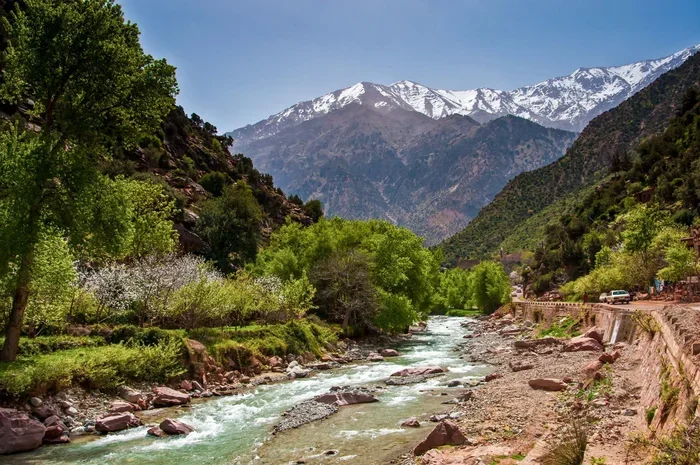
Featured image for Agadir to Ourika Valley landscape
Image source: naturallymorocco.co.uk
A private day trip from Agadir to Ourika Valley is the ultimate way to experience Morocco’s breathtaking High Atlas Mountains in a single day. This guided excursion takes you from the Atlantic coast into the heart of Berber country, where lush green valleys, cascading waterfalls, and traditional villages await. Perfect for travelers who want adventure, culture, and natural beauty without the hassle of planning their own route.
Key Takeaways
- Distance & Duration: The journey from Agadir to Ourika Valley covers roughly 300 kilometers one way, taking about 3.5 to 4 hours each direction through the majestic High Atlas range.
- Best Time to Go: Spring (March-May) and autumn (September-November) offer the most pleasant weather for hiking and waterfall visits, with mild temperatures and vibrant scenery.
- What Makes It Special: Unlike crowded group tours, a private trip means personalized pacing, flexible stops, and a dedicated driver-guide who shares insider knowledge.
- Cultural Highlights: You’ll pass through authentic Berber villages, visit local markets, and experience traditional mint tea hospitality along the way.
- Must-See Attraction: The seven-tiered Setti Fatma waterfalls are the crown jewel of Ourika Valley, offering refreshing hiking trails through the stunning landscape.
- What to Pack: Comfortable walking shoes, sunscreen, a light jacket, a camera, and modest clothing for visiting mountain villages are essentials.
- Value for Money: Private tours typically include hotel pickup, air-conditioned transport, and a knowledgeable guide, making them excellent value compared to DIY travel.
📑 Table of Contents
- Why Travelers Are Falling in Love with the Agadir to Ourika Valley Route
- Understanding the Journey: Geography, Distance, and What to Expect
- The Allure of Ourika Valley: Why This Spot Stands Out
- Planning Your Perfect Day Trip: Logistics Made Simple
- The Cultural Experience: More Than Just Scenery
- Making the Most of Your Day: A Sample Itinerary
- Common Questions and Practical Tips
- The Lasting Impact: Why This Trip Changes People
- Wrapping Up: Your Moroccan Adventure Awaits
Why Travelers Are Falling in Love with the Agadir to Ourika Valley Route
Imagine waking up to the salty breeze of the Atlantic Ocean in Agadir, and by afternoon, finding yourself surrounded by snow-capped mountains, terraced gardens, and rushing waterfalls. Sounds impossible, right? Well, that’s exactly what a private day trip from Agadir to Ourika Valley delivers, and it’s becoming one of Morocco’s most talked-about adventures.
Think of Morocco as a giant sandwich. On one side, you’ve got the sunny coast with beaches and surf. On the other side, you’ve got the dramatic Atlas Mountains. Most travelers only see one slice. This day trip lets you taste both in a single, unforgettable day. It’s like ordering the combo meal when everyone else is choosing just one item.
Here’s something most people don’t realize: Morocco’s geography is incredibly diverse. The country stretches from the Sahara Desert in the south to the Mediterranean in the north, with mountain ranges running through the middle like a natural spine. The Ourika Valley sits on the northern slopes of the High Atlas Mountains, just an hour from Marrakech. From Agadir, it’s a longer journey, but that’s exactly what makes it feel like a real adventure.
Did You Know? The High Atlas Mountains contain Mount Toubkal, the highest peak in North Africa at 4,167 meters. The Ourika Valley is nestled in these same mountains, meaning you’re essentially driving through the foothills of North Africa’s tallest mountain on this trip.
Understanding the Journey: Geography, Distance, and What to Expect
Let’s break down the practical stuff first, because knowing what you’re getting into makes the whole experience better.
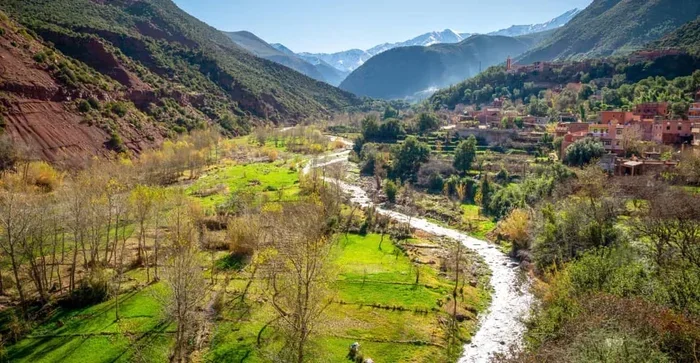
Visual guide about Agadir to Ourika Valley landscape
Image source: cdn.getyourguide.com
The Route from Coast to Mountains
The most scenic path goes north along the Atlantic coast toward Marrakech, then southeast into the Atlas Mountains. You’ll start in Agadir at sea level and climb to roughly 1,500 meters by the time you reach Ourika Valley. That’s like going from the bottom of a swimming pool to the top of a five-story building, except spread over three hours of stunning scenery.
The drive typically follows this path:
- Agadir to Marrakech: About 260 kilometers, roughly 3 hours via the A7 highway
- Marrakech to Ourika Valley: About 60 kilometers, roughly 1 hour through winding mountain roads
Now, here’s where things get interesting. The highway portion is smooth and modern. Morocco has invested heavily in infrastructure, and the roads are surprisingly well-maintained. Think of it like the difference between driving on a country road and a freshly paved interstate.
What “Private” Really Means
When we say “private day trip,” we mean just you, your travel companions, your driver, and your vehicle. No strangers, no rigid schedules, no waiting for people who take too many photos (no judgment, we all do it). Want to stop for a photo? Done. Need a bathroom break? Whenever you want. Spotted something interesting on the roadside? Your guide will happily pull over.
This flexibility is the secret sauce that transforms a good trip into a great one. Compare this to a group tour where 15 people have to agree on everything, and you start to see why private trips are worth the extra investment.
The Allure of Ourika Valley: Why This Spot Stands Out
Ourika Valley isn’t just another pretty place. It has a soul, a rhythm, a character that grabs you and doesn’t let go.
A Valley Frozen in Time
The valley has been inhabited by Berber communities for centuries. These indigenous North Africans have maintained their traditional way of life in the mountains long before Marrakech became a tourist hotspot. Walking through Ourika feels like stepping into a living museum, except the exhibits are real people living real lives.
The valley floor is surprisingly green, thanks to the Ourika River that flows through it year-round. Farmers grow vegetables, herbs, and fruits on terraced plots that climb up the valley walls. It’s agriculture as art, the kind of farming that makes you wonder how people figured out how to grow food on a 45-degree slope.
Did You Know? The terraced farming system used in Ourika Valley dates back over 1,000 years. It’s so effective that UNESCO has studied these agricultural methods as examples of sustainable mountain farming.
The Famous Setti Fatma Waterfalls
The crown jewel of any Ourika Valley visit is the Setti Fatma waterfall complex. This isn’t just one waterfall; it’s a series of seven cascading falls, each more beautiful than the last. The hiking trail takes you up through the rocky terrain, with each tier offering a new reward.
Here’s a simple analogy: imagine a staircase made of water. Each step is a pool or cascade, and climbing to the top is like nature’s version of a victory march. The higher you go, the more refreshing the spray on your face and the more impressive the views.
Now, a word of caution. The hike to the upper falls requires reasonable fitness and proper footwear. The path can be slippery, especially in spring when snowmelt increases the water flow. But here’s the beautiful part: even if you only make it to the second or third waterfall, you’re still going to have an amazing experience. The lower falls are gorgeous, and there’s no shame in enjoying them.
Monday Market Day Magic
If you time your visit right, you’ll experience one of Morocco’s most authentic weekly events. Every Monday, the village of Setti Fatma hosts a traditional souk (market) where Berber families from surrounding mountains gather.
Think of it as the original farmers’ market, where locals buy and sell everything from fresh produce to handcrafted goods to livestock. It’s loud, colorful, aromatic, and completely unfiltered. This is Morocco at its most genuine, the kind of scene that guidebook writers get excited about.
You’ll see donkeys loaded with goods, women in traditional dress haggling for the best prices, and craftsmen selling everything from hand-woven baskets to silver jewelry. It’s not staged for tourists. It’s just life happening, and you get a front-row seat.
Planning Your Perfect Day Trip: Logistics Made Simple
Good planning turns a good trip into a great one. Here’s everything you need to know to nail the logistics.
When to Go: Timing Is Everything
The best months for this trip are March through May and September through November. During these shoulder seasons, the weather is mild, the skies are clear, and the landscapes are at their most beautiful.
Summer (June-August) brings intense heat to the valleys, though the mountain elevation provides some relief. Winter (December-February) can mean snow in the upper elevations, which is gorgeous but can make hiking tricky. Spring is particularly special because the valley explodes with wildflowers, and the waterfalls are at their most powerful thanks to snowmelt.
Here’s a helpful analogy: visiting Ourika Valley in spring is like watching nature hit the refresh button. Everything comes alive, colors pop, and the whole valley feels like it’s celebrating the end of winter.
What to Wear and Bring
Dressing right makes a huge difference. Here’s your packing checklist:
- Comfortable walking shoes: The waterfall trails are rocky and sometimes slippery. Sandals or fashion sneakers won’t cut it.
- Light layers: Mornings can be cool, but by midday, you’ll want to peel down to a t-shirt.
- Sun protection: Hat, sunglasses, and SPF 30+ sunscreen. The sun at altitude is stronger than you think.
- Water bottle: Stay hydrated, especially during the hike.
- Camera or phone: You’re going to want to capture this.
- Small backpack: To carry your stuff during the hike.
- Cash: Small bills for tips, market shopping, and any spontaneous purchases.
One more thing: dress modestly when visiting villages. This means covering your shoulders and knees. It’s respectful to local culture, and it’ll earn you warmer interactions with residents. Think of it like visiting a friend’s grandparents’ house. You wouldn’t show up in beachwear, right?
Choosing the Right Tour Operator
Not all private tours are created equal. Here’s what to look for:
- Experienced drivers: Mountain roads can be tricky. You want someone who knows every curve.
- English-speaking guides: Communication makes everything better.
- Flexible itineraries: Avoid companies with rigid schedules.
- Good vehicles: Air conditioning is non-negotiable for the long drive.
- Transparent pricing: Know exactly what’s included before you book.
A solid tour operator will include hotel pickup and drop-off, transportation, a guide, and sometimes lunch. Confirm these details before booking so there are no surprises.
The Cultural Experience: More Than Just Scenery
The landscapes will knock your socks off, but the cultural experiences are what will haunt your memories for years to come.
Meeting the Berber People
The Berbers, or Amazigh as they call themselves (meaning “free people”), are the indigenous inhabitants of North Africa. They were here long before the Arabs arrived in the 7th century, and they’ve maintained their language, traditions, and identity throughout the centuries.
During your Ourika Valley visit, you’ll likely have the chance to visit a Berber family in their home. This isn’t a staged tourist show. It’s a genuine invitation into someone’s life. You’ll sit on cushions, drink sweet mint tea (Morocco’s national drink), and hear stories about mountain living. The family will likely show you how they bake bread in a clay oven, press olives, or make traditional crafts.
Here’s a fun fact: Did You Know? The Berber language has its own writing system called Tifinagh, which is over 2,500 years old. You’ll see this alphabet on signs and tattoos throughout the valley.
Mint Tea: Morocco’s Liquid Welcome
If you take only one thing from this trip, let it be the ritual of mint tea. Every interaction in Morocco seems to begin and end with tea. It’s poured from a height to create foam, served in small glasses, and loaded with sugar and fresh mint.
Think of mint tea as Morocco’s version of a hug. When someone offers you tea, they’re not just being polite. They’re saying, “You are welcome here.” Refusing is considered rude, so always accept, even if you’re full or in a hurry. Take a sip, express your thanks, and soak in the moment.
A pro tip: the first pour is the strongest in flavor, the second pour is the sweetest, and by the third pour, you’ve built a friendship that might last a lifetime.
Traditional Crafts and Shopping
The valley is dotted with small workshops where artisans create beautiful goods by hand. You’ll see:
- Argan oil production: Morocco’s “liquid gold,” pressed from nuts unique to this region
- Pottery and ceramics: Made using techniques passed down through generations
- Textiles and weaving: Berber rugs and fabrics with geometric patterns that tell stories
- Silver jewelry: Often incorporating symbols of protection and good fortune
Shopping here is different from Marrakech’s souks. The vendors are less aggressive, the prices are more reasonable, and the experience feels more personal. You’re buying from the maker, not a middleman.
Making the Most of Your Day: A Sample Itinerary
Here’s what a typical day looks like, so you know exactly what’s coming.
Early Morning: Departure from Agadir
Most tours start around 6:30 or 7:00 AM. Yes, that’s early, but trust us, the early start maximizes your day. Your driver will pick you up from your hotel in a comfortable, air-conditioned vehicle. Use this time to catch up on sleep, enjoy the scenery, or chat with your guide about what’s ahead.
Bring snacks for the road. A granola bar, some fruit, and plenty of water will keep you fueled until lunch.
Mid-Morning: Arrival at Ourika Valley
By around 11:00 AM, you’ll arrive in the valley. The first stop is usually a viewpoint where you can see the entire valley spread out below you. This is the “wow” moment, the one that makes all the early rising worth it. Pull out your camera. Take it all in. Breathe.
After that, you’ll typically visit a Berber house for tea and a cultural experience. This is your chance to learn about local life, ask questions, and connect with the community.
Midday: The Waterfall Adventure
After the cultural visit, it’s time to tackle the Setti Fatma waterfalls. Your guide will lead you to the trailhead and explain the route. The lower falls are easy to reach, taking maybe 30 minutes of casual walking. The upper falls require more effort but reward you with spectacular views.
You’ll have lunch at a local restaurant near the falls, typically featuring tagine (Morocco’s famous slow-cooked stew), fresh salad, and bread. The food is simple, fresh, and delicious.
Afternoon: Return Journey
By 3:00 or 4:00 PM, you’ll start the journey back to Agadir. You’ll arrive in the early evening, usually with enough time to enjoy dinner and reflect on an incredible day.
Most travelers say the drive back feels shorter. Why? Because you’re carrying memories now, and memories make time fly.
Common Questions and Practical Tips
Let’s address the things that experienced travelers always want to know.
Is This Trip Suitable for Families?
Absolutely! The trip works well for families with children over 6 or 7. Younger kids might struggle with the waterfall hike, but they can enjoy the valley views, the cultural experiences, and the drive. The private format means you can adjust the pace to suit your family’s needs.
What About Solo Travelers?
Solo travelers love this trip because the private format means you get undivided attention from your guide. You can ask all the questions you want, take your time at each stop, and customize the experience to your interests. Many solo travelers say the connections they make with guides and locals are highlights of their entire Morocco trip.
Is the Long Drive Worth It?
This is the most common question, and the answer is a resounding yes. Here’s why: the drive itself is part of the experience. You’ll watch the scenery transform before you, pass through different climate zones, and see parts of Morocco most tourists never experience. Plus, when you arrive at Ourika Valley, you’re seeing something truly special that justifies the journey.
Think of it like flying to a tropical island. Yes, the flight is long, but the moment you step onto that beach, you forget every minute spent in transit. The same principle applies here.
What If It Rains?
Rain in Ourika Valley is rare but possible, especially in spring. Light rain actually enhances the experience because the waterfalls flow stronger and the colors become more vibrant. Heavy rain might make hiking slippery, but your guide will adjust the plan accordingly. Either way, you’ll have an adventure.
The Lasting Impact: Why This Trip Changes People
Travel changes us. That’s not poetry. It’s a fact backed by countless studies on the psychological benefits of travel. But some trips change us more than others, and the Agadir to Ourika Valley journey is one of those transformative experiences.
Standing at the base of a waterfall in a valley that’s been inhabited for over a thousand years, drinking tea with a Berber family whose ancestors have called these mountains home for generations, it does something to your perspective. It makes the world feel bigger and smaller at the same time. Bigger because you’re seeing landscapes and cultures so different from your own. Smaller because you realize how connected we all are through our shared humanity.
Did You Know? Studies show that travelers who engage with local communities during their trips report higher satisfaction and longer-lasting positive memories than those who stick to standard tourist activities. Visiting Ourika Valley offers exactly this kind of meaningful engagement.
The beauty of a private day trip is that it lets you experience this transformation at your own pace. You’re not herded through like cattle. You’re invited to explore, to connect, to feel. That’s the difference between seeing a place and experiencing it.
Wrapping Up: Your Moroccan Adventure Awaits
A private day trip from Agadir to Ourika Valley is more than a tour. It’s an invitation to see Morocco in a way most travelers never do. You’ll trade the beach for mountains, the modern for the traditional, and the familiar for the extraordinary, all in a single day.
From the moment your driver picks you up in the morning to the moment you return in the evening, every minute is packed with beauty, culture, and adventure. The waterfalls will cool your face, the tea will warm your hands, and the mountains will lift your spirits.
If you’re visiting Agadir and want to break free from the typical resort experience, this trip is your ticket. Book it, pack your sense of wonder, and prepare for one of the most rewarding days of your travels. Morocco has many treasures, but few compare to standing in the Ourika Valley, surrounded by mountains that have witnessed centuries of history, knowing that for one beautiful day, you were part of that story too.
The High Atlas Mountains are calling. It’s time to answer.