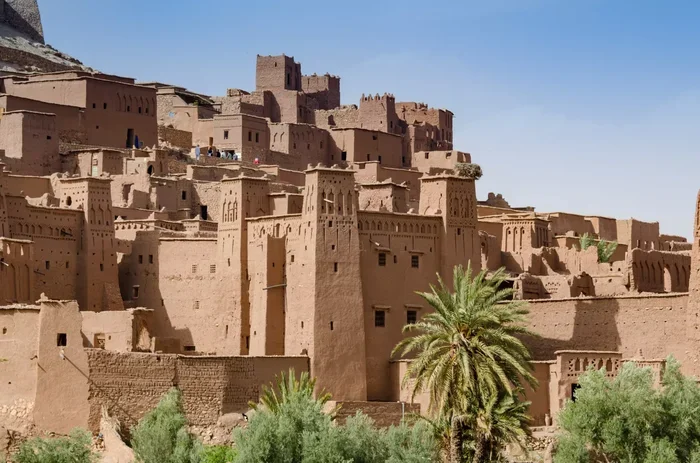
Featured image for Marrakech Ait Ben Haddou desert tour
Image source: deserttourinmorocco.com
A Private 14 Day Tour from Marrakech to Ait Ben Haddou is the ultimate way to experience Morocco’s diverse landscapes and rich culture in comfort. This carefully crafted itinerary takes you through imperial cities, breathtaking mountain passes, and the golden Sahara Desert. With a dedicated guide and vehicle, you’ll explore at your own pace while discovering UNESCO sites, ancient medinas, and traditional Berber villages along the way.
Picture this: you’re standing on a rooftop terrace in Marrakech, the call to prayer echoing across the bustling medina below, while the snow-capped Atlas Mountains rise in the distance. In two weeks, that same mountain range will frame your journey to the edge of the Sahara Desert. A private 14 day tour from Marrakech to Ait Ben Haddou isn’t just a vacation. It’s a carefully woven story across Morocco’s most spectacular regions, told at your own pace, with every detail handled by someone who calls this land home.
Morocco welcomed over 14.5 million tourists in 2023, according to the Ministry of Tourism, and multi-day private circuits have become the fastest-growing segment of the market. Travelers increasingly want depth over speed, authenticity over checklist sightseeing. That’s exactly what this itinerary delivers: a complete portrait of a country that feels like several countries stacked on top of each other.
Whether you’re a first-time visitor or returning to dig deeper, a private tour offers something group trips simply can’t match. You choose when to linger at a spice market. You decide whether to skip the pottery demonstration in favor of an extra hour in a quiet garden. Think of it like having a knowledgeable friend drive you through their hometown, pointing out the hidden gems and funny stories that never make it into the guidebooks.
Key Takeaways
- Comprehensive Route: The 14 day journey covers over 2,500 kilometers, linking Marrakech, Fes, the Sahara, and Ait Ben Haddou into one seamless adventure.
- Personalized Experience: A private tour means flexible schedules, custom stops, and one-on-one attention from your local guide throughout the trip.
- Cultural Immersion: You’ll visit four UNESCO World Heritage Sites, including Ait Ben Haddou, the medinas of Fes and Marrakech, and the Volubilis ruins.
- Diverse Landscapes: From the Atlas Mountains to the Sahara dunes, the tour showcases Morocco’s incredible geographic variety in just two weeks.
- Sahara Adventure: Camel trekking and an overnight stay in a luxury desert camp are highlights that make this tour unforgettable.
- Authentic Cuisine: Traditional tagines, fresh couscous, and mint tea tastings are woven into the daily experience.
- Best Travel Seasons: Spring (March-May) and autumn (September-November) offer the most comfortable weather for this multi-stop journey.
📑 Table of Contents
Why Choose a Private 14 Day Tour from Marrakech to Ait Ben Haddou?
The short answer: freedom, depth, and comfort. But let’s break down why thousands of travelers each year specifically choose this length and style of tour over alternatives.
A two-week private journey hits the sweet spot. It’s long enough to cross the country without rushing, yet short enough to fit within most annual leave allowances. Group tours compress this same route into 7-8 days, which means spending 5-7 hours daily in a bus with 30 strangers. Private tours average 4-6 hours of driving per day, with built-in flexibility.
The Numbers Behind the Experience
- 2,500+ km covered across Morocco’s most scenic routes
- 4 UNESCO World Heritage Sites visited along the way
- 3 climate zones experienced: coastal-influenced plains, mountain, and desert
- 200+ photo stops typically included (your driver knows them all)
- 0 rushed mornings because you set the schedule
Who This Tour Is Perfect For
Did you know that 68% of private Morocco tour bookings in 2023 came from couples and small families, according to tour operator data shared by TourRadar? This style of travel appeals to honeymooners seeking romantic desert sunsets, parents wanting an educational family adventure, and friends celebrating milestone trips. Solo travelers also benefit enormously, since private guides offer both companionship and safety.
What You’ll See: The Complete Itinerary Breakdown
Let’s walk through what two weeks in Morocco actually looks like. Think of this as your day-by-day preview, so you arrive knowing exactly what awaits.
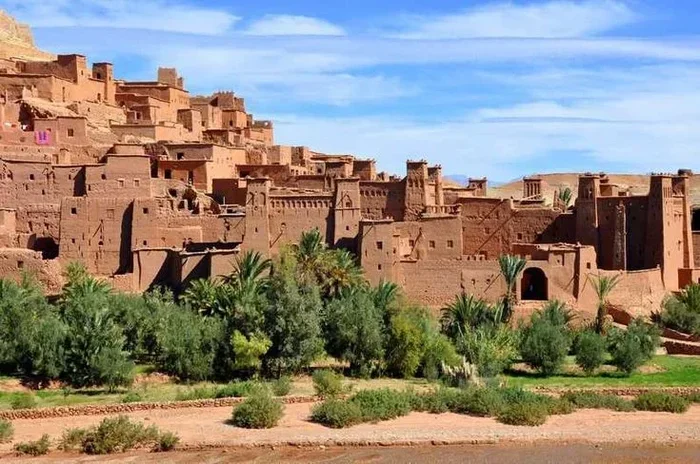
Visual guide about Marrakech Ait Ben Haddou desert tour
Image source: i.pinimg.com
Days 1-3: Discovering Marrakech
Your adventure begins in the “Red City.” Marrakech is sensory overload in the best way possible. The medina is a UNESCO World Heritage Site, and your guide will help you navigate its 9,000+ alleyways like a local.
Start at the legendary Jemaa el-Fnaa square, where storytellers, snake charmers, and food vendors have performed for nearly 1,000 years. Yes, a millennium. The square was first documented in 1050 AD and remains Morocco’s cultural heartbeat.
Over three days, you’ll explore:
- Bahia Palace: A 19th-century masterpiece with 150 rooms showcasing Moroccan craftsmanship
- Saadian Tombs: Hidden for centuries, rediscovered in 1917
- Majorelle Garden: The cobalt-blue sanctuary created by French painter Jacques Majorelle in 1923
- Ben Youssef Madrasa: Once housing 900 students, now a stunning example of Islamic architecture
- Souk explorations: From leather to lanterns, your guide knows which workshops welcome visitors
Your driver will also recommend authentic restaurants away from tourist traps. A good tagine in a family-run spot costs around 80-120 MAD ($8-12), while rooftop medina restaurants run 200-300 MAD ($20-30) per person.
Days 4-5: Crossing the Atlas Mountains
Day four brings your first major transition: the High Atlas crossing via the Tizi n’Tichka pass at 2,260 meters (7,415 feet). It’s like driving from Mediterranean climate to Alpine conditions in just three hours. The road winds through Berber villages where farmers still use techniques unchanged for centuries.
Stops along the way include:
- Argan oil cooperatives: See how the “Moroccan gold” is pressed by hand (argan trees grow only here and in parts of Mexico)
- Tin Mal Mosque: A remote 12th-century pilgrimage site few tourists ever see
- Telouet Kasbah: The abandoned palace of the Glaoui dynasty, often called the “Moroccan Alhambra”
Day five brings you to Ait Ben Haddou itself, the crown jewel of the southern route. More on that in a moment.
Days 6-7: Ait Ben Haddou and Ouarzazate
Ait Ben Haddou isn’t just a stop on your tour. It’s the emotional heart of the journey. This earthen clay ksar (fortified village) has stood for over 900 years and has served as a backdrop for more than 20 Hollywood films, including Gladiator, Lawrence of Arabia, and Game of Thrones.
Walking through its narrow passages feels like stepping onto a film set because, in many ways, you are. The village sits along the old caravan route between Marrakech and the Sahara, which is why UNESCO inscribed it in 1987.
Nearby Ouarzazate, nicknamed the “Door of the Desert,” offers:
- Atlas Studios: The world’s largest film studio, where you can walk among props from Kingdom of Heaven and The Mummy
- Taourirt Kasbah: Once home to the Glaoui family, now a maze of decorated rooms
- Ksar of Tifoultoute: A smaller, less-crowded alternative to Ait Ben Haddou with stunning valley views
Days 8-9: The Road to the Sahara
The drive from Ouarzazate to Merzouga takes you through the Draa Valley, Morocco’s longest river valley, lined with date palms and ancient kasbahs. Think of it as Morocco’s answer to the Nile, minus the cruise ships.
You’ll pass through:
- Agdz: A palm-shaded town at the foot of Jebel Kissane, a mountain resembling a hat
- Zagora: Famous for the “Timbuktu 52 days” sign (though camels now make it in roughly 52 hours)
- Alnif: A fossil hunter’s paradise, where you can buy 400-million-year-old trilobites
By day nine, you’ll arrive at the edge of the Sahara at Merzouga or nearby Erg Chebbi, where dunes rise 150 meters high. The transition from rocky plains to golden sand happens almost suddenly, like flipping from one chapter to the next in a novel.
Day 10: Sahara Desert Experience
This is the day many travelers call the trip’s highlight. You’ll mount a camel (or ride a 4×4 if you prefer) into the dunes as the sun climbs. The ride takes about 90 minutes to reach your luxury desert camp, where traditional Berber tents with real beds, private bathrooms, and three-course dinners await.
Did you know the Sahara covers 9.2 million square kilometers, making it the largest hot desert on Earth? Yet in Morocco, you can experience its essence in just one night because the desert here is more about atmosphere than endless isolation.
Evening activities include:
- Berber drumming sessions around a campfire
- Stargazing in one of the world’s clearest night skies (the Sahara has near-zero light pollution)
- Optional sandboarding down smaller dunes
- A traditional henna session if you’re interested
Days 11-12: The Middle Atlas and Ifrane
Leaving the desert, you’ll travel north through changing landscapes. Within four hours, the scenery shifts from Saharan sand to cedar forests and even snow-capped peaks in winter.
The Middle Atlas region offers surprising contrasts:
- Errachidia: A modern oasis city often called the “Military Capital”
- Midelt: Known for its apple orchards and mineral-rich fossils
- Azrou: Home to the famous Barbary macaques in the cedar forests
- Ifrane: Built by the French in 1929 and nicknamed “Little Switzerland of Morocco,” complete with alpine-style chalets
Wild monkey sightings in the Azrou cedar forest are nearly guaranteed. There are around 200 Barbary macaques in the area, and they’re remarkably relaxed around humans. Just don’t feed them, despite their hopeful stares.
Days 13-14: Fes and the Roman Ruins
Your penultimate stop is Fes, Morocco’s spiritual and intellectual capital. Founded in 789 AD, it hosts the world’s oldest continuously operating university, the University of al-Qarawiyyin, dating from 859 AD. That’s older than Oxford by about 200 years.
The Fes medina has 9,400 streets, nearly all too narrow for cars. Your guide becomes essential here, leading you through:
- Al-Qarawiyyin Mosque and University: A library holding manuscripts dating to the 9th century
- Bou Inania Madrasa: A 14th-century theological school with stunning tile work
- Chouara Tanneries: The oldest leather tanneries in the world, still operating the same way since the 11th century
- Nejjarine Museum: Housed in a beautifully restored 18th-century fondouk (caravanserai)
Day fourteen often includes a detour to Volubilis, the best-preserved Roman ruins in North Africa, dating to the 3rd century BC. The mosaics here still show their original colors after 2,000 years. From Volubilis, you can either return to Marrakech (about 5 hours’ drive) or end your tour in Fes, depending on your flight arrangements.
How to Choose the Right Private Tour Operator
Not all Morocco tour companies deliver the same experience. Here’s how to separate the excellent from the merely adequate.
What to Look For
- Licensed guides: Official Moroccan guides carry a green badge from the Ministry of Tourism. Ask to see it.
- Recent vehicle fleet: Most touring happens in Toyota Land Cruisers or Mercedes vans. Anything older than 5 years signals a budget operator.
- Transparent pricing: Reputable companies itemize costs: driver, fuel, accommodation, entrance fees, camel trek.
- Local ownership: Companies run by Moroccan families typically reinvest in local communities and offer more authentic experiences.
Red Flags to Avoid
- Companies requesting 100% payment upfront via wire transfer
- No verifiable reviews on TripAdvisor or Google (minimum 50 reviews recommended)
- Itineraries that skip the Sahara overnight (it’s a must-do)
- Drivers doubling as guides without official credentials
Typical Pricing for 2024-2025
A quality private 14 day tour from Marrakech to Ait Ben Haddou, including mid-range accommodation, costs between $2,800-4,500 per person (based on double occupancy). Luxury versions with riads and premium desert camps run $5,500-8,500. These prices typically include:
- Private vehicle and fuel for 14 days
- English-speaking driver-guide
- 13 nights of accommodation (mix of riads, hotels, and desert camp)
- Camel trek to desert camp
- Daily breakfast and most dinners
- Airport transfers
Not typically included: lunch drinks, tips (budget 200-300 MAD per day), personal shopping, and entrance fees (around 400-600 MAD total for major sites).
When to Go: Best Seasons and Weather Insights
Timing your trip correctly can transform a good experience into an unforgettable one. Morocco’s geography creates significant climate variation, and what works in the desert doesn’t work in the mountains.
Spring (March-May): The Sweet Spot
Temperatures in Marrakech hover around 22-28°C (72-82°F), the desert is warm but not extreme, and the Atlas passes remain snow-free. Wildflowers bloom across the countryside, particularly in April. This is peak season for good reason.
Autumn (September-November): The Photographer’s Choice
Similar temperatures to spring, with the bonus of post-summer clarity in the desert skies. October is particularly stunning because harvest season paints the valleys in golden and amber tones.
Summer (June-August): Budget-Friendly but Hot
Desert temperatures regularly exceed 45°C (113°F). Marrakech sits around 38°C (100°F). Mountain areas remain pleasant, but the overall experience suffers. Summer prices drop 20-30%, which appeals to budget travelers, but you’ll spend more time indoors.
Winter (December-February): Surprisingly Charming
Sahara nights can drop below 5°C (41°F), but days remain sunny at 18-22°C. Snow occasionally closes mountain passes, and some desert camps reduce operations. However, you’ll find the lowest crowds and lowest prices, plus the chance to see the Atlas peaks covered in snow while the desert stays warm.
What to Pack and Practical Tips
Packing for a 14-day Morocco tour requires more thought than you might expect. The climate shifts dramatically across regions, and cultural norms influence clothing choices, especially in rural areas.
Essential Items
- Layers: Even in summer, desert nights and mountain mornings get cold. Pack a fleece, a light jacket, and breathable fabrics for daytime.
- Modest clothing: For women, long pants or skirts and shoulder-covering tops are respectful in rural areas. Men should avoid sleeveless shirts in villages.
- Comfortable walking shoes: You’ll log 10,000+ steps daily in medinas. Sandals won’t survive the cobblestones.
- Sun protection: SPF 50 sunscreen, a wide-brimmed hat, and polarized sunglasses are non-negotiable.
- Power adapter: Morocco uses Type C and E plugs. Bring a universal adapter.
- Cash: ATMs are widespread in cities but scarce in rural areas. Carry 2,000-3,000 MAD ($200-300) as backup.
What to Leave Behind
- Expensive jewelry and flashy watches (rural theft is rare but flashy items attract unwanted attention)
- Heavy books (download e-books or audiobooks; weight adds up on long drives)
- Drones without permits (Morocco requires advance registration for drone use)
- Single-use plastics (Morocco banned plastic bags in 2016)
Health and Safety Tips
Morocco is generally very safe for tourists. The UK Foreign Office notes that violent crime against travelers is rare. The main concerns are:
- Stomach adjustment: Stick to bottled water for the first 48 hours. Your driver will always have bottles available.
- Traffic in medinas: Motorbikes and donkeys rule the alleys. Stay alert and follow your guide’s positioning.
- Heat exhaustion: Carry water and rest mid-day during summer months.
- Scam awareness: “Unofficial guides” in tourist areas may offer unsolicited help. Politely decline and find your registered guide.
Frequently Asked Questions
Is 14 days enough to see Morocco properly?
Fourteen days is ideal for a Morocco first-timer. It allows time for the major highlights without rushing, covering Marrakech, the Sahara, Fes, and the southern kasbah route. Longer trips let you add the coast (Essaouira) or Chefchaouen, but two weeks provides a comprehensive introduction that satisfies 95% of visitors.
Do I need to speak Arabic or French?
Not at all. Your private guide speaks English, and tourism is well-developed across the route. However, learning five basic Arabic phrases (hello, thank you, please, yes, no) wins smiles everywhere. French is widely understood in cities and helps in markets, but isn’t necessary for the tour itself.
Is the camel ride safe for older travelers or children?
Yes, with caveats. Children should be at least 6-7 years old to ride comfortably. Older travelers with back or knee issues can request 4×4 transport to the desert camp instead. Most operators accommodate these requests at no extra charge, but mention it during booking.
What type of accommodation should I expect?
Mid-range tours use traditional riads (converted courtyard mansions) in cities and well-appointed desert camps. Riads offer authentic Moroccan architecture with modern amenities: en-suite bathrooms, air conditioning, and often rooftop terraces. Desert camps range from basic Berber tents to luxury versions with private bathrooms and king beds.
Can I customize the itinerary?
Absolutely, that’s the main advantage of a private tour. Most operators happily add stops, swap cities, or adjust pacing. Common customizations include adding Essaouira, extending the desert stay to two nights, or skipping Fes for Chefchaouen. Discuss changes before final booking to ensure logistics work.
What’s the best way to handle tipping?
Tipping is customary but not stressful. Budget around 200-300 MAD ($20-30) per day total for your driver-guide, distributed at the end. Riad staff, camel handlers, and restaurant servers expect 20-50 MAD each. Many travelers tip the driver-guide separately as they often go above and beyond.
After 14 days exploring Morocco this way, you’ll return home with something rare: a genuine connection to a country that defies easy description. You’ll have crossed mountains, slept under Saharan stars, haggled in 1,000-year-old souks, and shared mint tea with families who welcomed you into their world. The private format ensures every moment belongs to you, while the structure ensures you never miss Morocco’s essential experiences. That’s the magic of a well-planned Private 14 Day Tour from Marrakech to Ait Ben Haddou.