
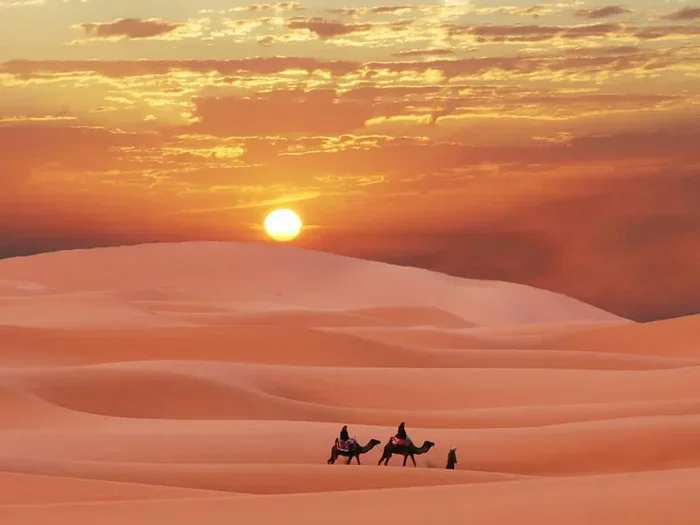
Featured image for Erg Chegaga desert dunes sunset
Image source: desertmajesty.com
The Marrakech to Erg Chegaga 12 day tour is the most complete desert adventure in Morocco. This epic journey takes you from the vibrant souks of Marrakech through the Atlas Mountains, past ancient kasbahs, and deep into the Sahara to reach the remote Erg Chegaga dunes. You’ll experience camel treks, luxury desert camps, and authentic Berber culture while covering over 1,500 kilometers of Morocco’s most stunning landscapes.
Imagine standing on top of a massive sand dune, watching the sun melt into the horizon. The sky turns from orange to pink to deep purple. Around you, nothing but endless waves of golden sand stretch in every direction. This is Erg Chegaga, and getting there from Marrakech is one of the greatest road trips on Earth.
A 12 day tour from Marrakech to Erg Chegaga gives you more than just a vacation. It gives you a story you’ll tell for the rest of your life. You’ll cross the High Atlas Mountains. You’ll wander through kasbahs that look like something from a movie. You’ll share mint tea with Berber families. And you’ll sleep under a blanket of stars so bright it feels like you can reach up and touch them.
This guide covers everything you need to know. We’ll explain what makes Erg Chegaga special. We’ll walk you through the 12-day itinerary. We’ll share tips on what to pack, when to go, and how to choose the best tour operator. By the end, you’ll know exactly why this trip deserves a spot at the top of your travel bucket list.
Key Takeaways
- Remote Location: Erg Chegaga is the largest and most isolated dune sea in Morocco, located 50km from the nearest road.
- Perfect Duration: 12 days allows you to travel at a relaxed pace and experience highlights without rushing.
- Cultural Immersion: The route passes through multiple Berber villages, offering authentic cultural encounters.
- Scenic Diversity: You’ll see snow-capped mountains, lush valleys, palm oases, and endless sand dunes.
- Camel Trekking: The tour includes traditional camel rides across the Sahara at sunset and sunrise.
- Best Season: October to April offers the most comfortable temperatures for desert exploration.
- All-Inclusive Option: Most 12-day tours include transport, accommodation, meals, and guide services.
📑 Table of Contents
What Is Erg Chegaga and Why Is It Special?
Erg Chegaga is a massive sea of sand dunes in the Sahara Desert. The word “erg” means “dune sea” in Arabic. This particular erg covers about 36 kilometers of width and stretches roughly 40 kilometers in length. Some dunes rise over 150 meters high. That’s taller than the Statue of Liberty plus its pedestal.
But here’s what makes Erg Chegaga truly special. It’s the most remote and untouched dune sea in Morocco. Most tourists who visit the Sahara go to Erg Chebbi near Merzouga. That erg is beautiful, but it sits right next to a small town. You can see buildings from the dunes. Erg Chegaga is different. The nearest paved road is 50 kilometers away. There are no buildings, no power lines, and no other signs of modern life. Just you, the sand, and the stars.
Did You Know? Erg Chegaga receives only a fraction of the visitors that Erg Chebbi gets. While Erg Chebbi sees thousands of tourists each week during peak season, Erg Chegaga might see only a handful. This means you often have entire dunes to yourself for sunrise and sunset views.
The journey to reach this remote paradise is part of the magic. You travel through landscapes that change constantly. One moment you’re in snow-capped mountains. The next you’re in green valleys filled with walnut trees. Then you cross rocky desert plateaus before finally reaching the sand. It’s like watching a nature documentary play out in real life through your window.
The Cultural Significance of the Sahara
The Sahara isn’t just sand. It’s home to nomadic Berber tribes who have lived this way for thousands of years. The word “Berber” comes from the Greek word “barbaros.” The Berbers call themselves “Imazighen,” which means “free people.” They have their own language, traditions, and way of life perfectly adapted to the desert.
Think of the Sahara as a giant ocean and the Berbers as its sailors. Just like sailors have boats and navigation tools, the Berbers have camels and an intimate knowledge of stars, wind patterns, and hidden water sources. When you visit Erg Chegaga, you’re entering their world. A good tour will introduce you to this rich culture.
The 12 Day Marrakech to Erg Chegaga Itinerary
A 12 day tour is the sweet spot for this journey. It gives you enough time to truly experience each location without feeling rushed. Anything shorter means you spend most of your time in a vehicle. Anything longer, and you start repeating experiences. Here’s how most tours break down the 12 days.
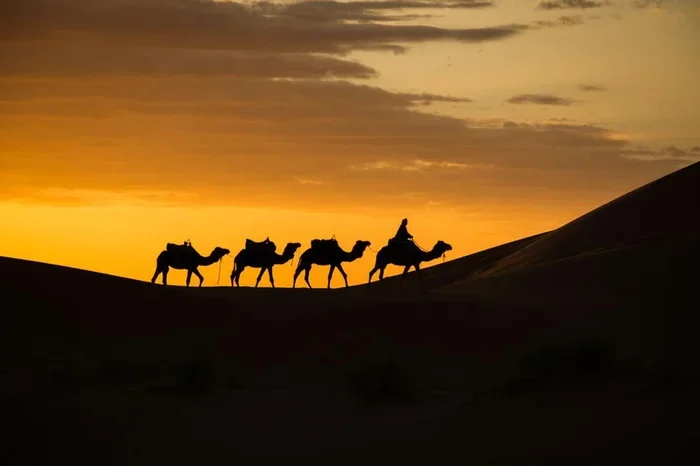
Visual guide about Erg Chegaga desert dunes sunset
Image source: moroccotrailfinders.com
Days 1-2: Exploring Marrakech
Your adventure begins in Marrakech, the “Red City” of Morocco. Named for the distinctive red sandstone used in its old buildings, Marrakech is a feast for the senses. Your tour likely includes a guided visit to the medina, the ancient walled heart of the city.
The medina is a UNESCO World Heritage site. It’s a maze of narrow streets filled with shops, mosques, and palaces. Your guide will help you navigate to the famous Jemaa el-Fnaa square. This square comes alive every evening with storytellers, musicians, snake charmers, and food stalls. It feels like stepping back 1,000 years in time.
Most tours also include visits to the Majorelle Garden, the Bahia Palace, and the Saadian Tombs. The Majorelle Garden is particularly stunning. It was created by French painter Jacques Majorelle in 1923 and later restored by fashion designer Yves Saint Laurent. The garden features vibrant blue buildings set among exotic plants from around the world.
Days 3-4: Crossing the High Atlas Mountains
Day three takes you over the High Atlas Mountains via the Tizi n’Tichka pass. At 2,260 meters above sea level, this is the highest major mountain pass in Morocco. The road winds through stunning scenery with hairpin turns that offer breathtaking views.
Think of the Atlas Mountains as Morocco’s backbone. They run from the Atlantic Ocean to the desert. They separate the humid coastal areas from the dry Sahara. In winter, the peaks are covered in snow. In summer, they’re green and filled with wildflowers. The mountains are home to Berber villages where people still live much as they have for centuries.
You’ll stop in Aït Benhaddou, a famous fortified village that’s been featured in movies like Gladiator and Lawrence of Arabia. This UNESCO site is a perfect example of southern Moroccan architecture. The buildings are made of rammed earth and decorated with geometric patterns. Climbing to the top of the village gives you panoramic views of the surrounding valley.
Days 5-6: The Draa Valley and Desert Edge
After the mountains, your route takes you to the Draa Valley. This valley is Morocco’s longest river valley, stretching over 1,100 kilometers. The Draa River creates a ribbon of green palm groves that cuts through the arid landscape. It’s like finding an oasis in the middle of nowhere.
The valley is lined with millions of date palms. These palms produce some of the best dates in the world. Villages along the valley have ancient kasbahs, traditional fortified houses. Many of these kasbahs are crumbling, but some have been restored and serve as hotels or museums.
You’ll also visit Ouarzazate, known as the “Gateway to the Sahara.” This city is home to the famous Atlas Film Studios, where many Hollywood movies have been filmed, including Gladiator, Kingdom of Heaven, and Game of Thrones. The nearby Taourirt Kasbah is one of the most beautiful in Morocco.
Days 7-8: The Journey to Erg Chegaga
This is the part of the trip where things get truly wild. You leave the paved roads behind and venture into the real desert. The route from M’hamid (the last town before the dunes) to Erg Chegaga takes you across 56 kilometers of unpaved desert track.
The landscape here is stark and beautiful. You’ll see dried riverbeds called “wadis.” You’ll pass acacia trees that somehow survive in this harsh environment. You might spot desert foxes, lizards, and various bird species. The silence is profound. In a world filled with constant noise, the desert quiet is almost shocking.
You might also visit the sacred oasis of Oum Laalag. This small green spot in the middle of the desert has been a resting place for caravans for centuries. Local nomads still bring their animals here to graze. The contrast between the green vegetation and the surrounding sand is striking.
Days 8-9: Erg Chegaga and Camel Trekking
Finally, you arrive at Erg Chegaga. This is the moment you’ve been waiting for. You’ll mount your camel, and your Berber guide will lead you into the dunes. The ride is slow and gentle, swaying like a boat on water. Camels are called “ships of the desert” for a good reason.
The camel trek takes you to a traditional desert camp. These camps range from basic to luxurious. Most 12-day tours include a luxury camp with proper beds, private bathrooms, and delicious meals. You’ll sit around a campfire while Berber musicians play drums and sing traditional songs. Dinner features tagine, couscous, and freshly baked bread.
But the real magic happens after dark. Far from any city lights, the stars come out in unbelievable numbers. The Milky Way stretches across the sky like a river of light. You can see planets, nebulae, and shooting stars with the naked eye. Most people have never seen the sky like this. It’s humbling and awe-inspiring.
Did You Know? The Sahara Desert covers an area larger than the continental United States. It spans 11 countries and receives less than 100mm of rain per year on average. Yet it’s home to over 2 million people who have adapted to live in this extreme environment.
Days 9-10: Return Journey and Hidden Gems
Many tours follow a circular route on the way back. Instead of retracing your steps, you’ll discover new landscapes. One popular route takes you through the Iriki Lake, a seasonal salt lake that appears after rare desert rains. The dried lakebed creates a surreal landscape of white salt crystals against red sand.
You’ll also pass through the volcanic landscapes of the Anti-Atlas region. These ancient black mountains contrast dramatically with the golden sand you’ve been traveling through. The town of Tazenakht is famous for its carpets, woven by local Berber women using techniques passed down through generations.
Days 11-12: Back to Marrakech
The final days of your tour take you back through the Atlas Mountains to Marrakech. Most tours include stops at any sites you might have missed on the way out. You’ll arrive back in Marrakech with enough time to do any last-minute shopping in the medina.
The souks of Marrakech are famous worldwide. You can find everything from spices to leather goods to traditional Moroccan lamps. Bargaining is expected, so start at about half the asking price and work your way up. Remember, shopping in the medina is part of the cultural experience.
What to Pack for Your 12 Day Tour
Packing smart can make or break your desert adventure. Morocco’s climate varies dramatically depending on where you are. The mountains can be cold, the desert can be scorching during the day and freezing at night, and the cities have their own weather patterns. Layering is the key to comfort.
Clothing Essentials
Pack lightweight, loose-fitting clothes for daytime. Cotton and linen breathe well in the heat. Long pants and long-sleeved shirts protect you from the sun and from any insects. For evenings, bring a warm jacket or fleece, especially if you’re traveling between November and March when desert nights can drop below freezing.
A scarf or shemagh is incredibly useful. You can use it to protect your head and face from sun, sand, and cold. Many travelers also bring a light rain jacket, particularly for spring and fall when mountain weather can be unpredictable.
Footwear and Accessories
Comfortable walking shoes are essential for exploring kasbahs and medina streets. Sandals work well for the desert camp. A wide-brimmed hat and quality sunglasses protect you from the intense sun. Don’t forget sunscreen with high SPF and lip balm with SPF, as the desert sun is brutal.
Health and Practical Items
Bring a basic first aid kit with bandages, pain relievers, and any personal medications. Hand sanitizer and wet wipes are handy when facilities are limited. A power bank keeps your phone charged during long drives. A headlamp or flashlight helps you navigate at the desert camp at night. Finally, bring a reusable water bottle to stay hydrated.
Best Time to Visit Erg Chegaga
The best time for a 12 day Marrakech to Erg Chegaga tour is between October and April. During these months, temperatures are comfortable for both desert activities and mountain travel. The summer months of June, July, and August can be dangerously hot, with desert temperatures exceeding 50°C (122°F).
Spring (March-May) and fall (October-November) are particularly magical. The weather is mild, and you’ll see wildflowers in the mountains during spring. Winter (December-February) offers cooler temperatures, and you might even see snow on the Atlas Mountains while enjoying mild desert days. However, nights in the desert can be very cold during winter.
Did You Know? The Sahara Desert is actually getting bigger. Research published in 2018 showed that the Sahara has expanded by about 10% since 1920 due to climate change. Some scientists estimate that the desert has grown by an area larger than the United Kingdom during this period.
Choosing the Right Tour Operator
Not all tours to Erg Chegaga are created equal. The difference between a memorable trip and a disappointing one often comes down to the tour operator you choose. Here are the key factors to consider when making your decision.
Group Size Matters
Smaller groups mean more personal attention and flexibility. A 12 day tour with only 4-8 travelers allows for a more intimate experience. You’ll have easier access to your guide for questions, and the group can adapt to spontaneous opportunities. Larger groups of 15-20 people often feel rushed and impersonal.
Accommodation Quality
Check what’s included in the price. Luxury desert camps with proper beds, private bathrooms, and electricity are available but cost more. Budget tours might use basic tents with shared facilities. The mid-range option typically includes comfortable desert camps with shared or private bathrooms. Read reviews carefully to understand what you’re actually getting.
Guide Expertise
A knowledgeable guide transforms a simple trip into an educational journey. The best guides speak multiple languages and have deep knowledge of Berber culture, Moroccan history, and the natural environment. They can explain the significance of what you’re seeing and answer questions thoughtfully. Look for operators who employ local guides, as they bring authentic perspectives.
Transportation Quality
The journey to Erg Chegaga involves rough terrain. Make sure the tour uses 4×4 vehicles that can handle the desert tracks comfortably. Air conditioning is essential for the long drives. Some operators also offer the option of a driver who’s separate from the guide, which means better commentary throughout the journey.
Budget and Cost Considerations
A 12 day Marrakech to Erg Chegaga tour typically costs between $1,500 and $3,500 per person. The price varies based on accommodation quality, group size, and what’s included. Budget options might cost around $1,200 but will use basic accommodations. Mid-range tours around $2,000 offer excellent value with comfortable hotels and a good desert camp. Luxury tours can exceed $4,000 but include premium experiences.
Most tours include accommodation, transportation, breakfast and dinner daily, the camel trek, and entrance fees to major sites. Lunch, drinks, tips, and personal shopping are usually extra. Always clarify what’s included before booking. Some tours include airport transfers while others don’t.
Tipping is customary in Morocco. Plan to tip your guide and driver at the end of the tour. Standard tipping is around $10-15 per day for guides and $5-10 per day for drivers. Camel handlers and camp staff also appreciate small tips. Budget about $200-300 total for tips on a 12 day tour.
Health, Safety, and Travel Tips
Morocco is generally a very safe country for tourists. The people are known for their hospitality and warmth. Violent crime against tourists is rare. However, like any destination, it’s wise to take basic precautions. Keep your valuables secure, be aware of your surroundings in crowded medinas, and don’t accept unsolicited “help” from strangers who may demand payment afterward.
Health-wise, drink bottled water only and avoid ice in drinks. The food in established restaurants and tour-provided meals is generally safe. If you have a sensitive stomach, bring some medication just in case. The sun is intense, so stay hydrated and use sunscreen regularly.
Most travelers don’t need special vaccinations for Morocco, but it’s worth checking with your doctor before the trip. Basic travel insurance is highly recommended. Make sure your policy covers desert activities like camel trekking.
Did You Know? Morocco is one of only three countries in the world that border both the Atlantic Ocean and the Mediterranean Sea. The other two are Spain and France. This unique geography contributes to Morocco’s incredible diversity of landscapes and cultures.
Conclusion
A 12 day tour from Marrakech to Erg Chegaga is more than just a vacation. It’s a journey through time, culture, and some of the most stunning landscapes on Earth. From the bustling medinas of Marrakech to the silent majesty of the Sahara, every day brings new experiences and unforgettable memories.
You’ll return home with stories to tell. Stories about climbing ancient kasbahs, sharing mint tea with Berber families, and watching the sun rise over endless dunes. Stories about the taste of tagine cooked over desert fires and the sight of more stars than you ever imagined possible.
Morocco has a way of capturing hearts. The colors are more vibrant, the spices more fragrant, and the hospitality more genuine than you might expect. Erg Chegaga, in particular, offers something rare in our connected world. True solitude. True silence. A chance to disconnect from the noise of daily life and reconnect with something deeper.
Whether you’re a solo traveler seeking adventure, a couple looking for a romantic getaway, or a family wanting to experience something truly different, this 12 day tour delivers. Start planning now, and prepare yourself for the trip of a lifetime. The Sahara is waiting.
Frequently Asked Questions
How long does it take to drive from Marrakech to Erg Chegaga?
The drive from Marrakech to Erg Chegaga takes about 2 full days. The total distance is roughly 600 kilometers, but the last 56 kilometers are off-road through the desert. A 12 day tour gives you plenty of time to enjoy the journey rather than just rushing through it.
Is a 12 day Marrakech to Erg Chegaga tour suitable for families with children?
Yes, this tour is great for families with children aged 8 and up. The camel rides are safe and fun for kids, and the variety of experiences keeps everyone engaged. Younger children might struggle with the long drives, so consider their attention span when booking.
What is the difference between Erg Chegaga and Erg Chebbi?
Erg Chebbi is closer to the town of Merzouga and sees more tourists. Erg Chegaga is more remote, larger, and offers a more authentic desert experience. The drive to Erg Chegaga is longer, but the reward is a more isolated and peaceful setting away from crowds.
What should I wear for the camel trek in the Sahara?
Wear comfortable, loose-fitting clothes that cover your arms and legs to protect from sun and sand. Long pants work best for camel riding. Bring a scarf to wrap around your head and face during sandier conditions. Closed-toe shoes are recommended.
Are luxury desert camps available at Erg Chegaga?
Yes, several luxury and mid-range desert camps operate at Erg Chegaga. These camps feature comfortable beds, private bathrooms, traditional Moroccan decor, and excellent food. Some even offer activities like yoga, stargazing, and traditional music performances.
What is included in most 12 day Marrakech to Erg Chegaga tours?
Most tours include airport transfers, 11 nights of accommodation, daily breakfast and dinner, transportation in 4×4 vehicles, an English-speaking guide, the camel trek, desert camp experience, and entrance fees to major attractions. Lunch, drinks, and tips are typically extra.