
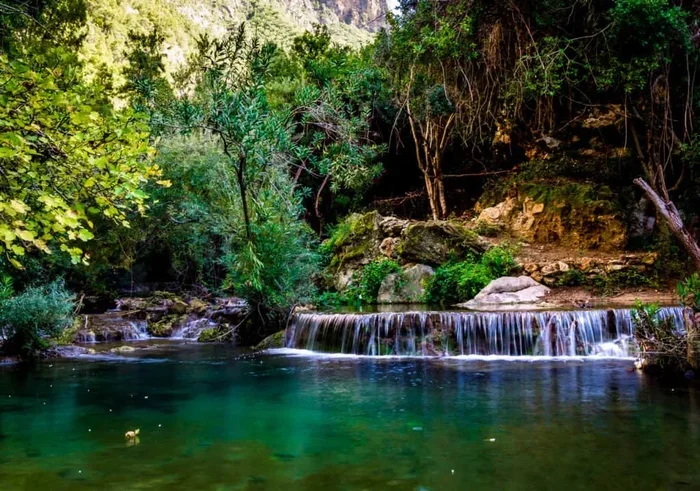
Featured image for Akchour Waterfalls Morocco nature
Image source: journalofnomads.com
The Marrakech to Akchour Waterfalls day trip is one of Morocco’s most breathtaking adventures, taking you from the bustling souks of Marrakech to the serene cascades of the Rif Mountains. Covering roughly 500 kilometers, this journey blends scenic driving, Berber village stops, and a refreshing hike to the falls. Perfect for nature lovers and adventure seekers, it’s a full-day experience that rewards travelers with cool pools, lush valleys, and unforgettable memories.
Imagine leaving the sun-baked streets of Marrakech behind and driving through winding mountain roads, past terraced hillsides, and into a lush green valley where crystal-clear water tumbles over ancient rocks. That’s exactly what the Marrakech to Akchour Waterfalls day trip promises, and it delivers every single time. It’s a long day, yes, but one packed with jaw-dropping scenery, cultural encounters, and a refreshing reward at the end of the trail.
Most travelers visiting Morocco spend their time exploring Marrakech’s medina, sipping mint tea on rooftop terraces, and wandering through the colorful souks. But just a few hours away lies a completely different world, one of cascading waterfalls, natural rock bridges, and quiet Berber hamlets. The Akchour Waterfalls, tucked inside a national park in the Rif Mountains, are a well-kept secret among those who venture beyond the typical tourist trail.
Whether you’re a solo traveler, a couple on a romantic getaway, or a family looking for an active day outdoors, this trip has something for everyone. In this guide, we’ll walk you through everything you need to know: how to get there, what to expect on the hike, where to stop along the way, and the little tips that can turn a good trip into a great one. Let’s dive in.
Key Takeaways
- Distance & Duration: The Marrakech to Akchour Waterfalls day trip covers about 500 km and takes 10-12 hours round-trip.
- Best Time to Visit: Spring (March-May) and autumn (September-November) offer ideal weather and waterfall flow.
- What to Pack: Comfortable hiking shoes, swimwear, a light jacket, water, snacks, and a camera are essential.
- Trail Difficulty: The hike to the falls is moderate, roughly 2-3 km each way, suitable for most fitness levels.
- Hidden Gems: God’s Bridge (Pont de Dieu) and the small village of Akchour are must-see stops along the way.
- Transport Options: Private drivers, guided tours, or rental cars are the most common ways to make the journey.
- Cultural Insight: The route passes through Berber villages, offering a glimpse into traditional Moroccan rural life.
📑 Table of Contents
- What Makes the Akchour Waterfalls So Special?
- Planning the Journey: From Marrakech to Akchour
- What to Expect on the Hike
- When to Go: Timing Your Trip
- Essential Packing List
- Cultural Etiquette and Local Tips
- Where to Eat Along the Way
- Common Mistakes to Avoid
- Final Thoughts: Is the Marrakech to Akchour Waterfalls Day Trip Worth It?
What Makes the Akchour Waterfalls So Special?
The Akchour Waterfalls sit inside Talassemtane National Park, a protected area in northern Morocco known for its dense cedar forests, dramatic cliffs, and rare wildlife. The park is home to the Barbary macaque, a species of monkey found nowhere else in the world, and over 150 species of birds. But the real showstopper is the water.
The falls cascade through a series of natural pools, each one cooler and more inviting than the last. Think of it like nature’s own swimming pool, layered one on top of another, with smooth rocks and overhanging trees providing natural shade. The water comes from snowmelt and mountain springs, so it’s refreshingly cold, even in the summer months.
The Main Cascade vs. The Hidden Pools
Most day-trippers head straight for the main waterfall, a thundering curtain of water that drops about 25 meters into a deep emerald pool. It’s stunning, and yes, it’s the photo you’ve probably seen on Instagram. But if you continue hiking for another 20-30 minutes past the main fall, you’ll find a series of quieter, smaller pools where you can swim without the crowds. Think of it as the difference between the front row at a concert and the balcony, same show, better experience.
Did You Know?
Talassemtane National Park covers over 60,000 hectares and is one of the last remaining habitats of the endangered Barbary macaque. The park also hosts the world’s largest population of the Moroccan fir tree, a species that dates back millions of years.
Planning the Journey: From Marrakech to Akchour
The drive from Marrakech to Akchour is roughly 500 kilometers, and it takes about 6.5 to 7 hours one way, depending on traffic and road conditions. That’s a long day, so planning is key. Think of it like running a marathon: you wouldn’t show up without training, and you shouldn’t hit the road without a plan.
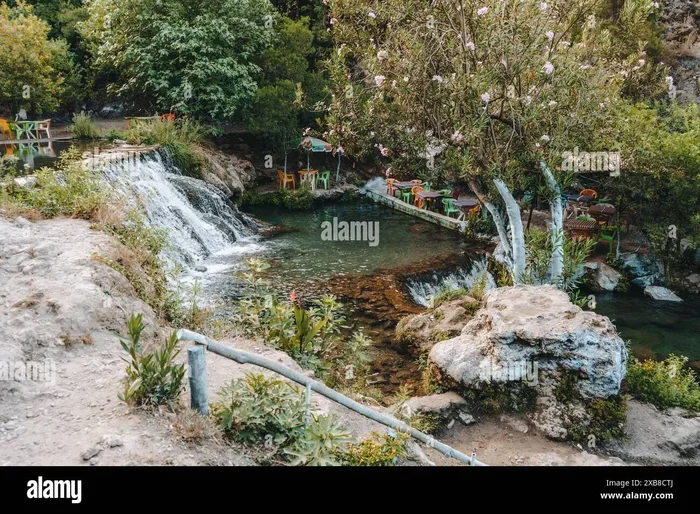
Visual guide about Akchour Waterfalls Morocco nature
Image source: c8.alamy.com
Route Overview
Most travelers take the route through Casablanca and Rabat, following the A1 highway north along the Atlantic coast before cutting east toward Chefchaouen and Akchour. An alternative route goes through Beni Mellal and the Middle Atlas, which is more scenic but adds extra driving time. The coastal route is faster and gives you a chance to stretch your legs in cities like Casablanca or Rabat if you want a mid-journey break.
Transport Options
There are three main ways to make the trip:
- Private Driver: The most popular and comfortable option. A driver knows the roads, can navigate mountain passes safely, and lets you relax or nap during the long drive. Expect to pay between 1,500 and 2,500 MAD ($150-$250 USD) for a full-day private transfer.
- Guided Tour: Many tour operators in Marrakech offer organized day trips that include transport, a guide, and sometimes lunch. Prices range from 1,200 to 2,000 MAD per person. The advantage is that you get local insights and don’t have to worry about logistics.
- Self-Drive: Renting a car gives you the most flexibility, but the mountain roads near Akchour can be narrow, winding, and occasionally challenging. If you’re confident behind the wheel and enjoy road trips, this can be a rewarding option. Rental cars start at around 400 MAD per day.
What to Expect on the Hike
Once you arrive at the small village of Akchour, the real adventure begins. The trailhead is just past the village, and from there it’s a roughly 2.5-kilometer walk to the main waterfall. The path is well-marked and follows a river through a stunning valley, so even if you’re not an experienced hiker, you’ll find it manageable.
Trail Difficulty and Terrain
The hike is rated as moderate. The first kilometer is relatively flat and wide, almost like a gravel path through a forest. As you get closer to the falls, the trail narrows and you’ll encounter some rocky sections and small stream crossings. Think of it like walking through a nature park, but with a bit more adventure thrown in. Comfortable shoes with good grip are a must. Sandals or flip-flops will make you miserable.
God’s Bridge: A Must-See Detour
About 1.5 kilometers into the hike, you’ll reach a fork in the trail. The left path leads to the main waterfall; the right path takes you to Pont de Dieu, or God’s Bridge. This natural rock arch spans a deep gorge with a river rushing beneath it. It’s one of the most photographed spots in the region, and for good reason. Walking across the bridge feels like stepping onto a movie set, except the special effects are real and the views are unreal. Plan to spend about 30-45 minutes here, and bring your camera.
Swimming at the Falls
If you’re visiting between April and October, bring your swimwear. The pools at the base of the main waterfall are deep enough for swimming, and the cold water is incredibly refreshing after the long drive and hike. There are smooth rocks where you can sit and dry off, and small food vendors near the entrance sell fresh-squeezed orange juice, tea, and simple snacks. Think of it as a natural spa, minus the price tag.
When to Go: Timing Your Trip
Timing can make or break your Marrakech to Akchour Waterfalls day trip. The falls look different in every season, and the crowds vary wildly throughout the year.
Spring (March-May)
Spring is widely considered the best time to visit. The waterfalls are at their most powerful thanks to snowmelt from the mountains, the valleys are green and blooming, and the temperatures are mild, usually between 15°C and 25°C. April is particularly beautiful, with wildflowers adding splashes of color to the landscape.
Summer (June-August)
Summer brings hotter weather, with temperatures in Marrakech often exceeding 40°C. However, the Rif Mountains are noticeably cooler, and the falls are still a great escape. The trade-off? More tourists, especially on weekends, and lower water levels. Early morning starts are essential if you want to beat the heat and the crowds.
Autumn (September-November)
Autumn is another excellent window. The crowds thin out, the weather cools down, and the waterfalls still have enough flow to impress. October is a sweet spot, warm enough for swimming but cool enough for comfortable hiking.
Winter (December-February)
Winter transforms the falls into a moody, atmospheric landscape. The water flow is lower, but the surrounding forests are lush and the air is crisp. Swimming is not advisable due to cold temperatures, but the hiking is still enjoyable if you don’t mind bundling up. Some trails may be muddy or slippery, so proper footwear is essential.
Essential Packing List
Packing for this trip is about being prepared without overloading yourself. Here’s what you need:
- Hiking shoes: Sturdy, comfortable, and broken in. Your feet will thank you.
- Swimwear and a quick-dry towel: You’ll want to take a dip at the falls.
- Light jacket or fleece: Mountain mornings can be surprisingly cool, even in summer.
- Sunscreen and a hat: The Moroccan sun is intense, especially at higher elevations.
- Reusable water bottle: Stay hydrated. You’ll find fresh water at the trailhead.
- Snacks: Energy bars, nuts, or fruit. There are limited food options on the trail.
- Waterproof phone pouch: Protects your phone from splashes and accidental drops near the water.
- Cash: Small bills for entry fees, snacks, and tips. The park entry fee is typically 10-20 MAD per person.
- Camera or smartphone: The views are too good not to capture.
Pro Tip
Think of packing for this trip like packing for a flight: bring only what you need, keep it light, and have a backup plan for your valuables. A small daypack is ideal. Leave your bulky luggage at your hotel in Marrakech and travel light.
Cultural Etiquette and Local Tips
One of the most rewarding parts of the Marrakech to Akchour Waterfalls day trip is the chance to experience rural Moroccan culture. The Rif region is home to the Riffian Berber community, and the villages along the way offer a glimpse into a way of life that has remained largely unchanged for generations.
Respecting Local Customs
Morocco is a Muslim country, and while the Rif region is generally liberal and welcoming to tourists, it’s important to be respectful. Dress modestly, especially in villages. That means covering your shoulders and knees. When taking photos of people, always ask permission first. A smile and a simple “la, choukran” (no, thank you) go a long way if you’d rather not be photographed.
Tipping and Bargaining
Tipping is appreciated but not mandatory. If you have a driver, 100-200 MAD is a generous tip. At small food stalls, rounding up the bill is a kind gesture. Bargaining is part of the culture, but at the falls, prices are usually fixed, so there’s no need to haggle over a bottle of water.
Language Tips
Arabic and Amazigh (Berber) are the main languages in the region. French is widely understood, and English is increasingly common in tourist areas. Learning a few basic phrases in Arabic or French can enhance your experience. “Salam alaikum” (peace be upon you) and “shukran” (thank you) are always appreciated.
Where to Eat Along the Way
Food is part of the adventure, and the route from Marrakech to Akchour offers plenty of opportunities to sample local cuisine.
Lunch in Chefchaouen
If your route takes you through Chefchaouen, the famous blue city, take a break here for lunch. The medina is filled with rooftop restaurants serving traditional dishes like tagine, couscous, and pastilla. A full meal typically costs between 60 and 100 MAD. Think of it as a cultural appetizer before the main course, the waterfalls.
Snacks at the Trailhead
Near the entrance to the trail, you’ll find a handful of small stalls selling fresh juice, Moroccan mint tea, and basic snacks like sandwiches and fruit. The orange juice, freshly squeezed and often garnished with a sprig of mint, is a local favorite and costs just 5-10 MAD. It’s the perfect pick-me-up before the hike.
Picnic Option
If you prefer to bring your own food, consider stopping at a supermarket in Casablanca or Rabat to pick up supplies. A picnic by the river, with the sound of rushing water in the background, is hard to beat. Just remember to take your trash with you and leave no trace.
Common Mistakes to Avoid
Even experienced travelers can slip up on a trip like this. Here are a few common mistakes and how to avoid them:
- Starting too late: The drive is long, and the trail is best enjoyed in the morning light. Aim to leave Marrakech by 5 or 6 AM.
- Wearing the wrong shoes: Sandals and flip-flops are a recipe for blisters and slips. Invest in a decent pair of hiking shoes.
- Underestimating the drive: 7 hours each way is no joke. Make sure you’re prepared for a long day in the car. Bring music, podcasts, or a good travel companion.
- Skipping God’s Bridge: It’s right there on the trail, and it’s spectacular. Don’t miss it.
- Forgetting cash: Card payments are rare in rural Morocco. Bring enough cash for entry fees, snacks, and tips.
Final Thoughts: Is the Marrakech to Akchour Waterfalls Day Trip Worth It?
In a word, absolutely. The Marrakech to Akchour Waterfalls day trip is one of those rare experiences that manages to exceed expectations. The drive is long, no question about it, but the reward, a hidden paradise of cascading water, lush green valleys, and genuine cultural encounters, is worth every minute on the road.
It’s a trip that reminds you why travel matters. You leave the noise and chaos of Marrakech and enter a world where the only sounds are birdsong, rushing water, and the occasional call to prayer echoing from a distant village. You come back tired, dusty, and probably a little sunburned, but also refreshed, inspired, and already planning your next adventure.
So, if you’re visiting Marrakech and looking for a day trip that goes beyond the ordinary, lace up your hiking shoes, charge your camera, and set your alarm for an early start. The Akchour Waterfalls are waiting, and trust us, they’re even more beautiful in person.
Frequently Asked Questions
How long is the drive from Marrakech to Akchour Waterfalls?
The drive from Marrakech to Akchour Waterfalls is approximately 500 kilometers and takes 6.5 to 7 hours one way, depending on traffic and weather conditions. Most travelers opt for a private driver or guided tour to make the long journey more comfortable.
Is the hike to Akchour Waterfalls suitable for beginners?
Yes, the hike to the main waterfall is considered moderate and is suitable for most fitness levels. The trail is about 2.5 kilometers each way, with some rocky sections near the end. Comfortable hiking shoes and a reasonable level of mobility are all you need.
What is the best time of year to visit Akchour Waterfalls?
Spring (March to May) and autumn (September to November) are the best times to visit. During these months, the waterfalls have strong water flow, the weather is mild, and the surrounding landscapes are at their most beautiful.
Can you swim in the Akchour Waterfalls?
Yes, swimming is allowed and very popular, especially from April to October. The pools at the base of the main waterfall are deep and refreshing, though the water is cold due to its mountain source. Bringing swimwear and a quick-dry towel is highly recommended.
What is God’s Bridge, and is it worth visiting?
God’s Bridge, or Pont de Dieu, is a stunning natural rock arch that spans a deep gorge about 1.5 kilometers into the hike. It’s one of the most photographed spots in the region and is absolutely worth the short detour from the main trail.
How much does the Marrakech to Akchour Waterfalls day trip cost?
Costs vary depending on your transport choice. A private driver typically costs between 1,500 and 2,500 MAD for the day, while guided group tours range from 1,200 to 2,000 MAD per person. The park entry fee is around 10-20 MAD per person, and meals and snacks are generally affordable.