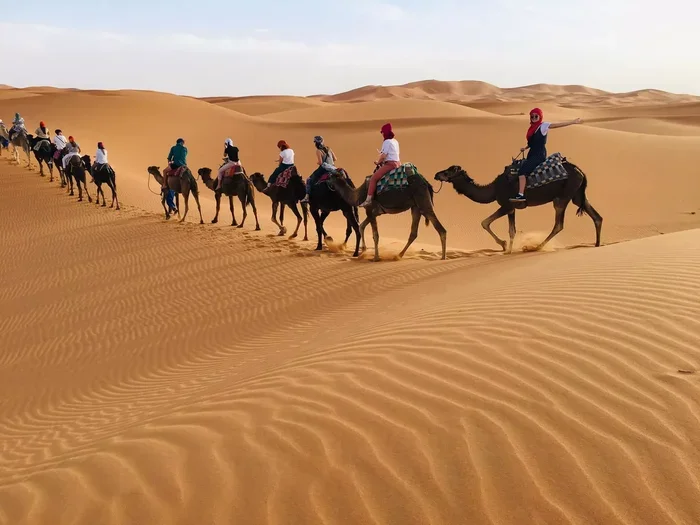
Featured image for Fes to Ziz Valley desert tour packing list
Image source: indigoexpedition.com
Packing smart is the secret to enjoying your Fes to Ziz Valley desert tour. From breathable layers and sun protection to proper documents and hydration supplies, the right gear makes all the difference in Morocco’s varied landscapes. This comprehensive checklist covers everything—clothing, accessories, toiletries, tech, and cultural considerations—so you can focus on camel treks, golden dunes, and unforgettable memories rather than packing stress.
Imagine standing at the edge of the Sahara as the sun paints the Ziz Valley dunes in shades of gold and amber. You’re surrounded by silence so deep you can hear your own heartbeat. Your phone has no signal, the stars are blinding, and the only thing between you and complete comfort is whether you packed the right stuff.
The Fes to Ziz Valley desert tour is one of Morocco’s most magical journeys. It takes you from the ancient medina streets of Fes through the Middle Atlas Mountains, cedar forests, and dramatic gorges before depositing you at the edge of the Sahara Desert. Along the way, you’ll ride camels, sleep in Berber tents, explore kasbahs, and meet some of the friendliest people on Earth. But the desert is also one of the most demanding environments you can visit, and what you bring (or forget) can shape your entire experience.
This guide is your complete packing companion. Think of it as the friend who’s already done the trip and wants to save you from every possible mistake. Whether you’re a minimalist backpacker or a “just-in-case” overpacker, you’ll find a practical, real-world checklist tailored specifically to this route. Let’s make sure you show up ready for the adventure of a lifetime.
Key Takeaways
- Layered clothing is essential: Desert temperatures can swing from 35°C (95°F) days to near-freezing nights, so pack breathable base layers plus a warm jacket.
- Sun protection is non-negotiable: The Moroccan sun is intense, so bring SPF 30+ sunscreen, UV sunglasses, and a wide-brimmed hat or scarf.
- Proper footwear matters: Closed-toe walking shoes for rocky trails and sandals for camp relaxation are the winning combination.
- Document prep prevents problems: Passport copies, travel insurance, and printed itineraries save headaches at checkpoints.
- Hydration and health supplies are critical: A reusable water bottle, electrolyte tablets, and basic medications handle the dry desert air.
- Respect local culture through clothing choices: Modest attire, especially for women, shows respect and enhances your experience in Berber villages.
- Less is more for desert travel: Soft duffel bags beat hard suitcases because luggage often rides on top of 4×4 vehicles or camels.
📑 Table of Contents
- Understanding Your Fes to Ziz Valley Desert Tour
- The Essential Clothing and Footwear Checklist
- Documents, Money, and Health Essentials
- Tech, Photography, and Gadget Gear
- Toiletries and Personal Care
- Packing Strategies: Bags, Organization, and Smart Tips
- Cultural Considerations and Etiquette
- Sample Packing List: Your Printable Checklist
- Final Tips for a Smooth Desert Tour
Understanding Your Fes to Ziz Valley Desert Tour
Before we dive into the suitcase, let’s set the scene. The journey from Fes to the Ziz Valley typically spans 3 to 4 days, covering roughly 600 kilometers of Morocco’s most diverse terrain. You’ll start in the imperial city of Fes, wind through the Middle Atlas Mountains, pass through the cedar forests near Ifrane (often called “the Switzerland of Morocco”), descend into the dramatic Ziz Gorge, and finally arrive at the towering Erg Chebbi or Erg Chigaga dunes near Merzouga or M’Hamid.
Who This Tour Is For
This route attracts a wonderfully mixed crowd: solo travelers, couples, families, photographers, adventure seekers, and culture enthusiasts. It’s accessible to most fitness levels because much of the travel happens in a 4×4 vehicle or on a camel. The main physical demands are short walks in the dunes and occasional hikes through gorges.
What You’ll Experience
Expect a blend of cultural immersion and natural wonder. You’ll visit Berber villages, explore ancient kasbahs like the UNESCO-listed Ait Ben Haddou (on extended tours), wander through Todra or Dades Gorges, ride camels into the desert at sunset, and sleep under stars in traditional nomad tents. Evenings often include drumming circles, Berber music, and traditional tagine dinners.
Where You’ll Sleep
Accommodation ranges from riads (traditional Moroccan guesthouses) in towns to desert camps in the Sahara. Desert camps vary from “standard” (shared bathrooms, basic tents) to “luxury” (private bathrooms, proper beds, plush rugs). Knowing your camp style in advance helps you pack appropriately.
When to Go
The best seasons are spring (March-May) and autumn (September-November). Summer temperatures in the desert can exceed 45°C (113°F), while winter nights can drop below freezing. Did You Know? The Sahara Desert actually freezes some winter evenings, with temperatures occasionally dipping to -5°C (23°F). That single fact has saved many an unprepared traveler from a miserably cold night.
Why Packing Right Matters
The desert has a funny way of amplifying mistakes. Forget sunscreen, and you’ll feel it by noon. Skip warm layers, and you’ll shiver under the stars. Pack the wrong shoes, and dune climbing becomes miserable. The desert doesn’t forgive overpacking either; every extra kilo might end up strapped to a camel or crammed into a 4×4. Smart packing means more comfort, less stress, and a lighter footprint on your camel.
The Essential Clothing and Footwear Checklist
Think of your clothing like an onion: layers you can add or peel away as temperatures shift. Between the chilly Middle Atlas mornings and the sweltering desert afternoons, your wardrobe needs to be flexible, modest, and practical.
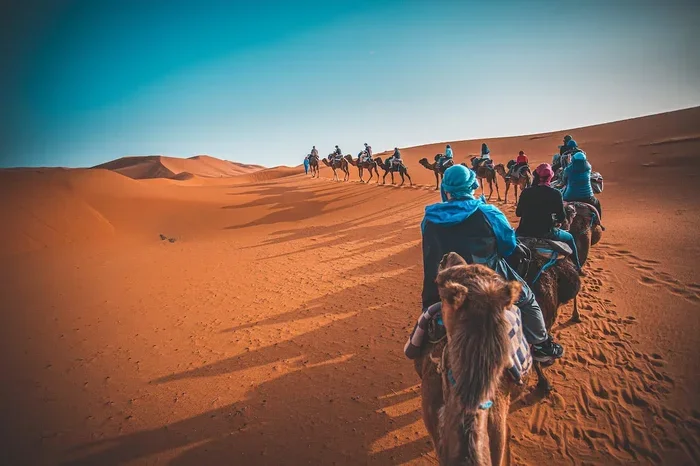
Visual guide about Fes to Ziz Valley desert tour packing list
Image source: desertexplored.com
Base Layers and Tops
Pack 4 to 5 long-sleeved, breathable shirts made from lightweight fabrics like merino wool or moisture-wicking synthetics. Long sleeves aren’t just for sun protection, they’re also a respectful choice when visiting Berber villages. Add 2 to 3 short-sleeved t-shirts for hotter moments, especially during midday drives or desert afternoons.
For women, longer tunics or loose-fitting blouses work beautifully. For men, lightweight button-downs are ideal because they cover shoulders in villages and look great in photos. Did You Know? Long sleeves protect you from sunburn AND from mosquitoes at dawn, which swarm near desert water sources.
Bottoms and Modest Wear
Bring 2 pairs of lightweight pants: one zip-off convertible pair for versatility, and one breathable pair for cooler evenings. Women should also pack a long skirt or maxi dress for cultural visits and camp relaxation. Avoid shorts in rural areas; they’re considered disrespectful in most Berber villages.
Warm Layers
This is where many travelers go wrong. Even in October, desert nights can be surprisingly cold. Pack:
- One warm fleece or down jacket (compressible is best)
- A lightweight windbreaker for breezy dune evenings
- A warm beanie and gloves for cold nights (yes, even in spring)
- Thermal underwear for winter tours (December-February)
Footwear That Works
Your feet will thank you for bringing two pairs:
- Sturdy closed-toe shoes: Hiking shoes or trail runners handle rocky paths, gorges, and uneven village streets. Waterproof is a bonus for spring tours.
- Sandals or easy slip-ons: Perfect for camp life, bathroom trips, and letting your feet breathe after long days.
Skip brand-new shoes; break them in before the trip. Blisters in the desert are no joke.
Headwear and Sun Armor
The sun is relentless, especially between 11 a.m. and 4 p.m. Bring a wide-brimmed hat or a traditional shemagh (Moroccan scarf), which doubles as sun protection, dust cover, and warmth when wrapped at night. Quality sunglasses with UV protection are non-negotiable. Polarized ones make dune views even more spectacular.
Swimwear and Camp Comfort
If your tour includes hotel stops with pools (common in Ouarzazate or Erfoud), pack a swimsuit. For desert nights, loose cotton pants and a soft long-sleeve top make excellent sleepwear that still keeps you warm.
Documents, Money, and Health Essentials
Think of this section as your “adulting” checklist. These items might not be exciting, but forgetting them can derail your entire trip.
Travel Documents
- Passport: Valid for at least 6 months beyond your travel dates
- Printed copies of: Passport, visa (if needed), travel insurance, tour booking confirmation, hotel reservations, and emergency contacts
- Passport photos (2-3): Useful for SIM cards or unexpected ID needs
- Travel insurance details: Including the 24-hour emergency hotline number
Money Matters
Carry a mix of cash (Moroccan Dirham) and cards. ATMs are common in Fes and larger towns but vanish in the desert. Bring at least 2,000 MAD (roughly $200 USD) in small bills for tips, souvenirs, and emergencies. Did You Know? Tipping is customary in Morocco, and guides, drivers, and camel handlers all rely on tips as part of their income. Plan around $5-10 per day for tipping.
Health and Medication Kit
Build a small but smart kit:
- Personal prescription medications (with copies of prescriptions)
- Motion sickness pills (winding mountain roads are no joke)
- Pain relievers (ibuprofen or paracetamol)
- Anti-diarrheal medication (like Imodium)
- Rehydration salts or electrolyte tablets
- Band-aids, blister patches, and antiseptic wipes
- Hand sanitizer (60%+ alcohol)
- Tissues (toilets in remote areas rarely have paper)
- Personal hygiene items in small sizes
Consult your doctor about recommended vaccines before travel. Common suggestions include Hepatitis A, Typhoid, and Tetanus boosters.
Tech, Photography, and Gadget Gear
Morocco’s landscapes are a photographer’s dream, but the desert is also tough on electronics. Sand and heat are enemies of your gear, so plan accordingly.
Phones and Chargers
Your phone will be your camera, map, translator, and journal. Bring:
- A quality phone with extra storage
- Portable power bank (10,000-20,000 mAh) for off-grid charging
- Universal adapter (Morocco uses Type C and E plugs, 220V)
- Durable charging cables (backup cables are wise)
- Headphones for long drives
Photography Equipment
Whether you’re a serious photographer or just love Instagram, consider:
- A DSLR or mirrorless camera with a versatile zoom lens (24-70mm is ideal)
- Extra memory cards and batteries (cold nights and heat drain batteries fast)
- A lightweight tripod for star photography in the desert
- A microfiber cleaning cloth for dust
- A dry bag or ziplock bags for sand protection
Did You Know? The Sahara has some of the darkest skies on Earth. On clear nights, the Milky Way is so bright it casts shadows. A simple tripod and 20-second exposure can capture something breathtaking.
Connectivity
Wi-Fi is available in most hotels but disappears in the desert. Consider buying a Moroccan SIM card (Maroc Telecom or Orange) at the airport in Fes. A 10 GB data plan costs around 50 MAD ($5) and lasts a week. Offline maps (Google Maps or Maps.me) are lifesavers when GPS signal flickers.
Toiletries and Personal Care
Desert air is dry, dusty, and surprisingly hard on your skin. Plan for moisture, protection, and minimal waste.
Sun Protection
- High SPF sunscreen (SPF 30-50, reef-safe if possible)
- SPF lip balm (lips burn fast in the desert)
- Aloe vera gel for after-sun care
Skin and Hair Care
- Moisturizer (the desert will dry your skin)
- Lip balm
- Hand cream
- Dry shampoo (great for dusty days)
- Hair ties or headbands (wind is constant)
Bathroom Essentials
- Quick-dry travel towel (camps provide basic towels)
- Toothbrush, toothpaste, and floss
- Deodorant
- Wet wipes (essential for desert bathroom breaks)
- Toilet paper or tissues (always carry some)
- Menstrual products (stock up in Fes)
- Small bottle of hand sanitizer
Health and Comfort
- Insect repellent (DEET-based for desert evenings)
- Eye drops for dry air
- Nail clippers and small scissors (in checked luggage)
- A small flashlight or headlamp (essential for camp nights)
Packing Strategies: Bags, Organization, and Smart Tips
How you pack is just as important as what you pack. Your luggage will travel in 4×4 vehicles, on camels, and sometimes on your back. Plan for rough handling and limited space.
Choosing the Right Bag
A soft duffel bag (40-50 liters) is ideal. Hard suitcases are tempting but problematic; they don’t fit well on 4×4 roof racks and can crack under desert conditions. Backpacks work for backpackers, but day bags are essential for everyone. Bring a small daypack (15-25 liters) for daily excursions, carrying water, snacks, sunscreen, and your camera.
Organizing with Packing Cubes
Packing cubes are game-changers for desert trips. They keep your clean clothes separate from dusty ones, make finding items easy, and compress your load. Color-code by category: one cube for tops, one for bottoms, one for underwear and socks.
Daypack Checklist
Your daypack is your daily survival kit. Always carry:
- 1.5-2 liters of water (more in hot months)
- Trail snacks (energy bars, nuts, dried fruit)
- Sunscreen and lip balm
- Sunglasses and hat
- Camera or phone
- Light layer (desert temps drop fast at sunset)
- Small first-aid kit
- Cash for tips and small purchases
- Tissues and hand sanitizer
- Headlamp (in case you’re out after dark)
What to Leave Behind
Less is more. Avoid bringing:
- Expensive jewelry or watches (sand destroys them)
- Hairdryers and straighteners (voltage issues and limited power)
- Full-size toiletries (refill travel containers)
- Too many shoes (two pairs is plenty)
- Heavy books (load a Kindle or use your phone)
- Excessive electronics
Water and Hydration Strategy
Did You Know? The average person loses 2-3 liters of water per day in the desert through sweat and breath, often without realizing it. Dehydration is the number one cause of fatigue and illness for desert travelers. Your strategy:
- Carry a 1-2 liter reusable bottle (insulated to keep water cool)
- Refill at every opportunity (hotels, restaurants, guides often have bottled water)
- Add electrolyte tablets to one bottle daily
- Avoid excessive caffeine and alcohol, which dehydrate
- Drink even when you’re not thirsty; thirst means you’re already behind
Cultural Considerations and Etiquette
Packing isn’t just about objects; it’s also about cultural awareness. Morocco is a moderate Muslim country, and showing respect through your choices enhances every interaction.
Clothing and Modesty
Shoulders, knees, and cleavage should be covered in rural areas, religious sites, and Berber villages. For women, loose pants, maxi skirts, and long-sleeved tops are perfect. Men should avoid sleeveless shirts in villages. In cities like Fes, you have more flexibility, but erring on the modest side is always appreciated.
Gifts and Small Tokens
If you’re visiting specific villages or schools, small gifts like pens, notebooks, or soccer balls are wonderful. Don’t give money to children directly; it encourages begging. Instead, donate through your guide to local schools or cooperatives.
Photography Etiquette
Always ask permission before photographing people, especially women and elders. Some Berber communities charge fees for photography. Respect refusals gracefully.
Language Basics
Even a few Arabic or French phrases open hearts. Learn:
- Salam alaikum (peace be upon you, a common greeting)
- Shukran (thank you)
- La, shukran (no, thank you) for pushy vendors
- Inshallah (God willing, used for future plans)
Tipping Culture
Tipping is expected and appreciated. Standard rates:
- Tour driver/guide: 100-150 MAD per day
- Camel handler: 50-100 MAD
- Restaurant service: 10% (check if already included)
- Hotel staff: 20-30 MAD for bag handling and housekeeping
- Fuel station attendants: 10-20 MAD
Sample Packing List: Your Printable Checklist
Let’s pull it all together into a final, actionable list you can screenshot or print.
Clothing
- 4-5 long-sleeved breathable shirts
- 2-3 t-shirts
- 2 pairs lightweight pants (one convertible)
- 1 long skirt or maxi dress (for women)
- 1 warm fleece or down jacket
- 1 windbreaker
- 1 warm hat/beanie
- 1 pair thermal leggings (winter only)
- 5-7 pairs underwear
- 5-7 pairs socks (mix of hiking and regular)
- Sleepwear
- Swimsuit (if tour includes pools)
Footwear
- 1 pair hiking shoes or trail runners
- 1 pair sandals or camp shoes
Accessories
- Wide-brimmed hat or shemagh scarf
- UV-protection sunglasses
- Daypack (15-25L)
- Reusable water bottle (1-2L)
- Headlamp or small flashlight
- Bandana or buff
Documents
- Passport (valid 6+ months)
- Travel insurance documents
- Printed tour confirmations
- Cash (Moroccan Dirham)
- Credit/debit cards
- Passport copies (2-3)
- Passport photos
Health and Hygiene
- Personal medications
- First-aid basics
- SPF 30-50 sunscreen
- SPF lip balm
- Insect repellent
- Hand sanitizer
- Wet wipes
- Tissues
- Toothbrush and toothpaste
- Quick-dry towel
- Moisturizer
- Personal hygiene products
Tech
- Phone and charger
- Power bank
- Universal adapter
- Camera (optional)
- Headphones
- Offline maps downloaded
Optional But Recommended
- Energy bars or trail snacks
- Electrolyte tablets
- Small gifts for villagers
- Notebook and pen
- Phrasebook or translation app
- Binoculars (great for desert wildlife)
- Dry bag for electronics
Final Tips for a Smooth Desert Tour
You’re packed and ready, but here are a few last-minute wisdom drops from seasoned desert travelers.
First, embrace the slower pace. Morocco runs on its own rhythm, and the desert even more so. Wi-Fi will vanish, schedules will flex, and that’s part of the magic. Breathe, smile, and let go.
Second, stay flexible. Weather can shift quickly in the mountains. Sandstorms occasionally sweep the desert. Your itinerary might change by an hour or two. Travelers who roll with the flow have the best experiences.
Third, engage with your guides. Moroccan guides are a treasure trove of stories, history, and humor. Ask questions, learn a few words in Darija (Moroccan Arabic), and share photos at the end. These small connections turn a tour into a memory.
Fourth, respect the environment. Leave no trace. The desert is fragile, and trash sticks around for decades. Bring reusable items, take your waste back to cities, and stick to marked paths.
Fifth, prepare for sensory overload in the best way. The call to prayer at dawn, the spice-scented medinas of Fes, the silence of the dunes, the stars at night; this journey hits every sense. Let yourself feel it all.
The Fes to Ziz Valley desert tour is more than a trip; it’s a transformation. With the right packing list, you’ll be free to focus on what truly matters: the golden light on ancient kasbahs, the laughter around a campfire, the gentle sway of a camel’s gait, and the unforgettable feeling of standing where the Sahara kisses the sky.
Pack smart, travel light, and welcome to Morocco.
Frequently Asked Questions
What should I wear on a Fes to Ziz Valley desert tour?
Wear lightweight, breathable layers that cover shoulders and knees. Pack long-sleeved shirts, lightweight pants, a warm jacket for cold nights, and a wide-brimmed hat. Modest clothing shows respect in Berber villages and protects against sun and sand.
How cold does the Sahara get at night near Ziz Valley?
Desert nights can drop to near freezing even in spring and fall, with winter temperatures occasionally reaching -5°C (23°F). A warm jacket, fleece, beanie, and thermal layers are essential, especially between November and March.
Do I need a visa for Morocco for this tour?
Most Western travelers (US, EU, UK, Canada, Australia) can enter Morocco visa-free for stays up to 90 days. Your passport must be valid for at least 6 months beyond your entry date. Always check current requirements with your local Moroccan embassy before travel.
What kind of bag should I bring on a desert tour?
A soft duffel bag (40-50 liters) is ideal because it fits easily in 4×4 vehicles and can be strapped to camels. Avoid hard suitcases since they don’t handle rough transport well. Pair your duffel with a small daypack for daily excursions.
How much water should I drink daily on the desert tour?
Drink at least 3-4 liters of water per day in the desert, more during summer months. Carry a 1.5-2 liter reusable bottle and refill at every opportunity. Add electrolyte tablets to one bottle daily to replace minerals lost through sweat.
Is it safe to travel from Fes to Ziz Valley?
Yes, this route is generally very safe for tourists. Morocco’s desert regions are well-policed, and organized tours include experienced drivers familiar with the terrain. Standard precautions apply: guard your valuables, avoid walking alone at night in cities, and follow your guide’s advice.