
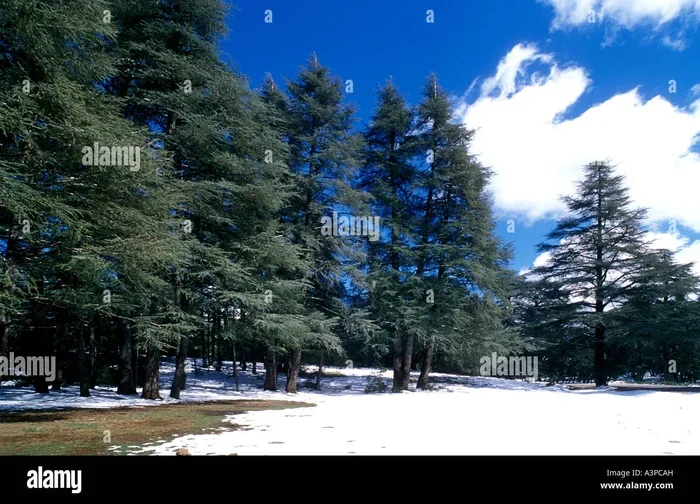
Featured image for Cedars forest Azrou Morocco
Image source: c8.alamy.com
A 7-day excursion from Fez to the Azrou Cedar Forest offers the perfect blend of culture, nature, and adventure in Morocco’s Middle Atlas Mountains. This immersive journey takes travelers through ancient Berber villages, Ifrane’s “Little Switzerland” charm, and the majestic cedar woodlands home to the famous Barbary macaques. It’s an ideal route for those seeking an authentic Moroccan experience beyond the typical tourist trail.
Picture this: you’re standing in a centuries-old cedar forest, surrounded by trees that have watched over Morocco for thousands of years. A family of curious Barbary monkeys approaches you, unafraid and playful. Behind you, snow-capped Atlas Mountains rise into a crisp blue sky. This isn’t a dream. It’s day three of a 7-day excursion from Fez to the Azrou Cedar Forest, and it’s waiting for you right now.
Morocco is a country that surprises travelers at every turn. While most visitors rush from Marrakech to the Sahara, the real magic often lies in the country’s quieter corners. The Middle Atlas Mountains, with their cool cedar forests and ancient Berber villages, offer something rare: an authentic Morocco that feels untouched by time. This is where nomads still herd their sheep through mountain passes, where artisans craft pottery using techniques passed down through generations, and where the air smells of wild thyme and pine.
This guide will walk you through everything you need to know about planning and enjoying a 7-day excursion from Fez to the Azrou Cedar Forest. We’ll cover the route, the highlights, what to pack, and how to make the most of every single day. Whether you’re a solo traveler, a couple, or a family, this journey promises memories that will last a lifetime.
Key Takeaways
- Duration and Route: The 7-day excursion covers approximately 400-500 km round-trip, weaving through Fez, Ifrane, Azrou, and surrounding Berber villages in the Middle Atlas.
- Best Time to Visit: Spring (March-May) and autumn (September-November) offer the most pleasant weather for hiking and wildlife viewing in the cedar forests.
- Cultural Highlights: Travelers visit authentic Berber communities, local markets (souks), and traditional artisan workshops rarely seen by mainstream tourists.
- Wildlife Encounter: The Azrou Cedar Forest is one of the few places in the world where you can see Barbary macaques in their natural habitat, sometimes in groups of 20-40.
- Physical Activity: Moderate hiking is involved, with elevation ranging from 1,200m to 2,000m, making reasonable fitness helpful but not essential.
- Cultural Sensitivity: Respecting local customs, dressing modestly, and asking permission before photographing people are essential practices.
- What to Pack: Layered clothing, sturdy walking shoes, sun protection, and a camera are must-haves for this diverse climate zone.
📑 Table of Contents
- Why Choose a 7-Day Excursion from Fez to the Azrou Cedar Forest?
- What’s Included in a Typical 7-Day Itinerary?
- When Is the Best Time to Take This Excursion?
- Who Should Consider This 7-Day Excursion?
- How to Prepare: Practical Tips and Packing Advice
- Frequently Asked Questions About the 7-Day Excursion from Fez
- Final Thoughts: Why This Journey Matters
Why Choose a 7-Day Excursion from Fez to the Azrou Cedar Forest?
You might wonder why seven days? Why not a quick day trip or a weekend getaway? The answer is simple: this region deserves time. Think of it like reading a great novel. You wouldn’t skip to the last chapter, would you? The Middle Atlas Mountains reveal their secrets slowly, layer by layer, just like a good story unfolds.
A 7-day itinerary gives you the breathing room to truly connect with the landscape and its people. You get to wake up with the mist rolling over the cedar trees. You get to share mint tea with a Berber family in their home. You get to watch the sunset paint the mountains gold while you sit by a campfire. These moments can’t be rushed.
The Unique Appeal of the Middle Atlas Region
The Middle Atlas is often called Morocco’s “green lung,” and for good reason. While much of Morocco is desert or semi-arid, this mountain range receives significant rainfall, creating lush forests, sparkling lakes, and fertile valleys. It’s a completely different Morocco from what most tourists experience.
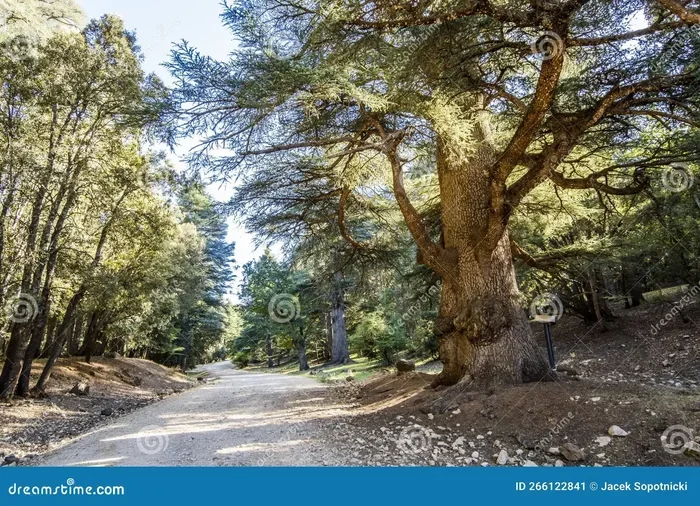
Did You Know? The Azrou Cedar Forest covers approximately 13,000 hectares and contains some cedar trees that are over 800 years old. These ancient giants can reach heights of 40 meters and trunk sizes of 3-4 meters in diameter. They’re not just trees; they’re living monuments to Morocco’s natural heritage.
The region’s Berber communities have lived here for centuries, developing a unique culture that blends mountain traditions with North African hospitality. When you visit, you’re not just seeing a place; you’re stepping into a living, breathing culture that has adapted to and thrived in this mountainous environment for generations.
What’s Included in a Typical 7-Day Itinerary?
Let’s break down what a well-planned 7-day excursion actually looks like. Most reputable tours follow a similar structure, though the exact details may vary. Think of this as your roadmap, the skeleton upon which your adventure will be built.
Visual guide about Cedars forest Azrou Morocco
Image source: thumbs.dreamstime.com
Day 1: Fez to Ifrane and the Middle Atlas Gateway
Your journey begins in Fez, Morocco’s spiritual and cultural capital. After breakfast, you’ll leave the bustling medina behind and head south into the mountains. The drive itself is spectacular, winding through increasingly dramatic landscapes.
Your first stop is usually Ifrane, often called “Little Switzerland” of Morocco. Did You Know? Ifrane was actually designed by the French in the 1930s as a hill station, and its clean streets, red-roofed houses, and flower gardens look more Alpine than African. It’s a surreal but charming contrast to the rest of Morocco.
From Ifrane, you’ll continue to Azrou, your base for the next few days. Azrou means “rock” in the Berber language, and the town sits at an elevation of about 1,300 meters. It’s a quiet, welcoming place that serves as the perfect launching pad for cedar forest explorations.
Day 2: Exploring the Azrou Cedar Forest
This is the day many travelers remember most. You’ll spend the morning hiking through the cedar forest, where the famous Barbary macaques (Barbary apes) live. These playful primates live in groups and are often curious about visitors. Remember, though: they’re wild animals, so keep your distance and never feed them.
The hiking here is moderate, with well-marked trails suitable for most fitness levels. As you walk, your guide will point out the different types of vegetation, explain the forest’s ecological importance, and share stories about the monkeys’ social structures. Did You Know? Barbary macaques are the only primate species native to North Africa, and the Azrou forest hosts one of their last remaining wild populations.
You’ll also have the chance to visit the village of Azrou itself, where Berber craftsmen create beautiful carpets and blankets using traditional methods. The weekly market (Tuesday market) is particularly lively and offers an authentic glimpse into rural Moroccan commerce.
Day 3: Berber Villages and Local Culture
Day three takes you deeper into Berber country. You’ll visit small villages that few tourists ever see, where life moves at the pace of seasons rather than seconds. These visits are carefully arranged to be respectful and beneficial to the local communities.
You’ll likely stop at a local cooperative where women produce argan oil or weave traditional textiles. These cooperatives empower rural women economically and preserve traditional crafts. Buying directly from them ensures your money supports the community directly.
Lunch is often a picnic in a scenic spot or a home-cooked meal with a local family. The food is simple but delicious: tagines, fresh bread, olives, and mint tea. Eating with locals is one of the most rewarding experiences of any Moroccan journey.
Day 4: Middle Atlas Lakes and Waterfalls
Morocco’s Middle Atlas is dotted with stunning lakes and hidden waterfalls. Day four typically includes visits to places like Lake Afenfiter or the cascades near Ifrane. These spots are perfect for photography, relaxation, and a bit of adventure.
The lakes are also home to diverse birdlife, making them a paradise for birdwatchers. Bring your binoculars if you’re keen on spotting some of the 100+ species that pass through or live in the region year-round.
Day 5: Midelt and the Desert Transition Zone
As you move further south, the landscape begins to change. The lush cedars give way to more arid terrain, and you’ll start to feel the desert’s approach. Midelt, your stop for this leg, sits at the crossroads between the Atlas Mountains and the Sahara.
This transition zone is fascinating from a geographical perspective. You can literally watch the ecosystem change within a single day’s drive. Midelt is also famous for its apples, and you’ll see orchards everywhere. The town has a relaxed, welcoming atmosphere that contrasts with the busier tourist hubs.
Day 6: The Sahara Desert Experience
Many 7-day itineraries include a side trip to the edge of the Sahara Desert, often to Merzouga or Erg Chebbi. This is where you’ll ride a camel into the dunes and spend a night under the stars in a traditional Berber camp.
Did You Know? The Sahara Desert covers approximately 9.2 million square kilometers, making it the largest hot desert in the world. Yet Morocco’s portion of it, particularly Erg Chebbi with its dunes reaching 150 meters high, offers some of the most accessible and stunning desert experiences anywhere.
Watching the sunrise over the Sahara is one of those life-list moments. The silence, the vastness, the colors shifting from pink to gold to brilliant white; it’s an experience that words can barely capture.
Day 7: Return to Fez via a Different Route
Your final day typically involves a return journey to Fez, often via a different route to maximize what you see. You might pass through the Ziz Valley with its dramatic gorges and palm groves, or stop at a fossil-rich site near Erfoud.
This return journey is a chance to reflect on everything you’ve experienced. By now, you’ll have a deeper understanding of Morocco’s diversity and the warmth of its people. You’ll arrive back in Fez with stories to tell, photos to share, and a connection to this beautiful country that will stay with you forever.
When Is the Best Time to Take This Excursion?
Timing can make or break your experience, so let’s talk about seasons. The Middle Atlas has a mountain climate, which means cooler temperatures and occasional snow in winter. Summer, while hot in the lowlands, is pleasant in the mountains.
Spring (March to May)
Spring is arguably the best time for this excursion. The weather is mild (15-25°C), the wildflowers are blooming, and the cedar forests are at their most beautiful. This is also when Barbary macaques are most active, making wildlife viewing exceptional.
The downside? Spring is popular, so book accommodations and tours well in advance. Prices may also be slightly higher during peak Easter and school holiday periods.
Autumn (September to November)
Autumn rivals spring as an ideal time. The summer heat has broken, the harvest season brings fresh produce, and the light is gorgeous for photography. Temperatures are comfortable for hiking and exploring.
Winter (December to February)
Winter brings snow to the higher elevations, creating postcard-perfect scenes. However, some mountain roads may be closed, and temperatures can drop below freezing at night. If you don’t mind the cold and want a unique experience, winter is magical, just pack accordingly.
Summer (June to August)
Summer is the off-season for good reason. Temperatures in the lowlands can exceed 40°C, though the mountains remain relatively cool. If you travel in summer, plan your activities for early morning and late afternoon to avoid the midday heat.
Who Should Consider This 7-Day Excursion?
This journey appeals to a wide range of travelers, but certain types of people will find it especially rewarding.
Nature Lovers and Wildlife Enthusiasts
If you love being outdoors, spotting animals, and breathing fresh mountain air, this excursion is for you. The cedar forests, lakes, and varied terrain offer endless opportunities for nature appreciation.
Culture Seekers and Authentic Travelers
For those tired of crowded tourist sites and looking for genuine cultural exchange, the Berber villages and local cooperatives provide exactly that. You’ll meet people who are genuinely happy to share their traditions, not just perform for tourists.
Photographers
The Middle Atlas is a photographer’s dream. From misty forests to dramatic mountain vistas, from colorful souks to intimate portraits of Berber life, every frame tells a story.
Families with Older Children
Families with kids aged 8 and up will find this adventure educational and exciting. The monkeys, the camel rides, the camping under stars; these are experiences children remember for decades.
Solo Travelers
Solo travelers, especially women, often find Morocco’s Middle Atlas welcoming and safe. Group tours provide built-in social opportunities, and the local people are generally warm and curious about visitors.
How to Prepare: Practical Tips and Packing Advice
Good preparation makes a great trip. Here’s what you need to know to get ready for your 7-day adventure.
What to Pack
Packing smart is crucial. The weather can vary dramatically between Fez (warm), the mountains (cool), and the desert (extreme temperature swings). Layered clothing is your best friend.
Here’s a quick checklist:
- Clothing: Light layers for daytime, warm jacket for evenings, modest dress for village visits
- Footwear: Sturdy walking shoes or light hiking boots
- Sun Protection: Hat, sunglasses, high-SPF sunscreen
- Camera: With extra batteries and memory cards
- Health: Personal medications, hand sanitizer, wet wipes
- Miscellaneous: Reusable water bottle, small daypack, flashlight, universal adapter
Health and Safety Considerations
The Middle Atlas is generally safe, but common-sense precautions apply. Drink bottled or filtered water, be cautious with street food (though cooked meals at established places are usually fine), and keep your belongings secure in crowded areas.
If you have specific health concerns, consult your doctor before traveling. The region is at elevation, so those with respiratory or cardiac conditions should take it easy on arrival.
Money and Budgeting
Morocco uses the Moroccan Dirham (MAD). While cards are accepted in hotels and larger restaurants in cities, you’ll need cash for rural areas, markets, and tips. ATMs are widely available in Fez and larger towns.
A 7-day excursion typically costs between €600-1,200 per person, depending on accommodation standards and whether you choose group or private tours. This usually includes transport, accommodation, guides, and most meals, but always confirm what’s included.
Respecting Local Culture
Morocco is a Muslim country with conservative values in many areas. Dressing modestly, especially in rural communities, shows respect. When visiting villages, ask before photographing people, and always accept mint tea when offered; refusing can be considered rude.
Learning a few basic Arabic or Berber phrases like “salaam alaikum” (peace be upon you) and “shukran” (thank you) goes a long way in building rapport with locals.
Frequently Asked Questions About the 7-Day Excursion from Fez
Is this excursion suitable for children?
Yes, this excursion is family-friendly, particularly for children aged 8 and above. The activities are engaging, and kids especially love the Barbary monkeys and camel rides. However, parents should prepare children for some travel days and varied accommodations.
Do I need to be physically fit for this trip?
Moderate fitness is helpful but not essential. Most activities involve walking on relatively flat terrain or gentle slopes. If you have mobility concerns, discuss them with your tour operator in advance so accommodations can be made.
What type of accommodation should I expect?
Accommodations range from comfortable hotels in cities to authentic riads (traditional guesthouses) in smaller towns. Some itineraries include a night in a desert camp with traditional Berber tents. Standards vary, but reputable tours maintain good quality throughout.
Is it safe to travel in the Middle Atlas?
Yes, the Middle Atlas is considered very safe for tourists. Crime rates are low, and local people are generally welcoming. As with any travel, exercise normal precautions with your belongings and follow your guide’s advice.
Can I customize this 7-day itinerary?
Most tour operators offer customization options. Whether you want more hiking, additional cultural experiences, or alternative accommodation styles, discuss your preferences when booking. Private tours typically offer the most flexibility.
What’s the best way to book this excursion?
Book through a reputable tour operator with good reviews and clear communication. Check platforms like TripAdvisor, Read Reviews, and ask for references. Booking directly with local Moroccan operators often provides better value and more authentic experiences than international resellers.
Final Thoughts: Why This Journey Matters
A 7-day excursion from Fez to the Azrou Cedar Forest is more than just a vacation. It’s a chance to step outside your daily routine and into a world where ancient cedar trees have stood for centuries, where Berber families still live as their ancestors did, and where the stars at night shine brighter than you ever imagined possible.
In a world that often feels rushed and fragmented, this journey offers something precious: slowness, connection, and wonder. You’ll come home not just with photos, but with a renewed sense of curiosity about the world and the diverse ways people live in it. The cedar trees of Azrou have witnessed thousands of years of human history. Now, you’ll be part of that story.
So, are you ready to trade the familiar for the extraordinary? Pack your bags, bring your sense of adventure, and let Morocco’s Middle Atlas show you what real travel feels like. The cedar forest is waiting, and so are the monkeys, the mountains, and the memories that will stay with you forever.