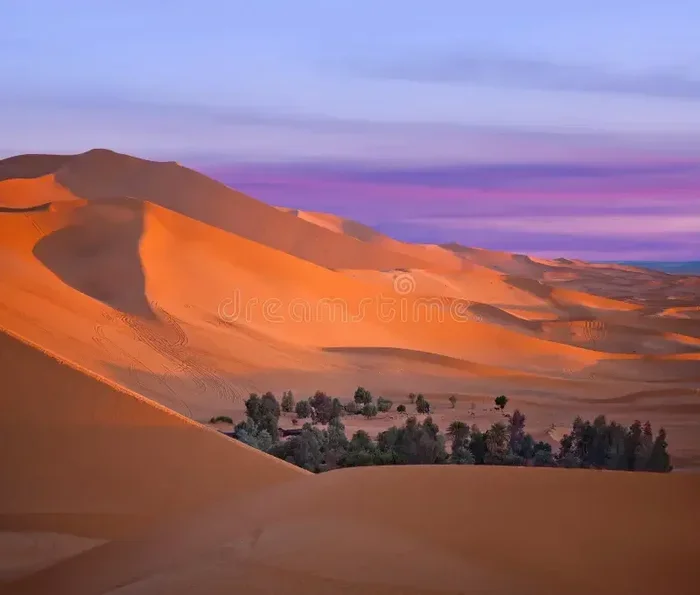
Featured image for Erg Chebbi desert dunes sunset
Image source: thumbs.dreamstime.com
This 2-day excursion from Fes to Erg Chebbi takes you deep into the heart of the Moroccan Sahara, where towering golden dunes meet endless skies. You’ll journey through Middle Atlas mountains, visit ancient kasbahs, ride camels to a traditional Berber camp, and witness breathtaking sunsets over the dunes. Perfect for travelers with limited time, this adventure combines culture, nature, and authentic desert experiences into one unforgettable trip.
Picture this: you’re standing on top of a massive sand dune, the color of honey and cinnamon, watching the sun melt into the horizon. Behind you, a caravan of camels leaves footprints in the sand. Above you, a sky so full of stars it looks like someone spilled a jar of diamonds. This is what awaits you on a 2-day excursion from Fes to Erg Chebbi.
Many travelers visit Morocco and think they’ve seen it all after exploring the medinas of Fes and Marrakech. But the real magic, the kind that changes you, lives in the Sahara Desert. And the good news? You don’t need a two-week vacation to experience it. This carefully crafted 2-day itinerary lets you witness the majesty of Erg Chebbi, one of the world’s most stunning desert landscapes, while still leaving time for other adventures.
Whether you’re a solo backpacker, a couple seeking romance, or a family wanting to show your kids something truly extraordinary, the journey from Fes to Erg Chebbi delivers memories that last forever. Let’s walk through everything you need to know to make this trip absolutely perfect.
Key Takeaways
- Route Overview: The 2-day trip covers roughly 700 kilometers from Fes to Erg Chebbi, passing through stunning landscapes including cedar forests, Atlas mountains, and desert plains.
- Travel Duration: Each day involves 6-8 hours of driving, leaving plenty of time for sightseeing, camel trekking, and cultural experiences.
- Desert Highlights: Erg Chebbi features dunes reaching 150 meters tall, making it one of the world’s most spectacular desert landscapes.
- Cultural Encounters: You’ll meet Berber nomads, visit traditional villages like Erfoud, and learn about centuries-old customs still practiced today.
- Practical Packing: Layered clothing is essential because desert temperatures swing dramatically from 40°C days to near-freezing nights.
- Best Season: October through April offers the most comfortable weather, avoiding the brutal summer heat that can exceed 45°C.
- Budget Range: Prices typically range from €120-€250 per person, including transport, accommodation, meals, and camel rides.
📑 Table of Contents
- What Makes Erg Chebbi Special and Why Visit From Fes?
- Detailed Itinerary: What Happens on Each Day
- Choosing Your Tour: Options and What to Expect
- What to Pack: Your Desert Survival Kit
- Best Time to Visit and Weather Considerations
- Budget Breakdown and Money-Saving Tips
- Safety, Health, and Cultural Etiquette
- Beyond the Basics: Making Your Trip Extraordinary
- Real Traveler Experiences: What to Really Expect
- Booking Your Excursion: Practical Steps
- Conclusion: Why This Trip Changes People
What Makes Erg Chebbi Special and Why Visit From Fes?
Let’s start with the basics. Erg Chebbi is a massive sea of sand dunes located in southeastern Morocco, near the town of Merzouga. The word “erg” comes from the Arabic term for a large area of sand dunes, and Chebbi is the name of the specific dune field. Together, they create one of the most photographed desert landscapes on Earth.
The dunes here rise up to 150 meters tall, and they stretch for about 22 kilometers north to south and 5 kilometers east to west. That’s roughly 110 square kilometers of pure, undulating golden sand. To put it in perspective, imagine stacking ten Statues of Liberty on top of each other, and the dunes would still tower higher.
The Geographic Wonder
What makes Erg Chebbi different from other deserts is the color and texture of the sand. The grains contain iron oxide and other minerals, giving them that distinctive reddish-orange hue that photographers and filmmakers adore. Movies like “The Mummy,” “Gladiator,” and “Sahara” have used locations nearby because the landscape looks otherworldly.
But why travel from Fes specifically? Well, Fes is one of Morocco’s imperial cities and a major tourist hub. While Marrakech has closer access to the Sahara via Zagora, the route from Fes offers a unique journey through different landscapes. You’ll cross the Middle Atlas mountains, pass through the Ziz Valley palm groves, and see a side of Morocco most visitors miss.
A Journey Through Changing Landscapes
Think of this trip like a movie with multiple acts. Act one begins in the ancient medina of Fes, with its medieval architecture and winding alleys. Act two takes you through mountain passes and forest valleys. Act three immerses you in the desert itself. Each transition feels like entering a new world, which is part of what makes this excursion so captivating.
Did You Know? The Sahara Desert covers approximately 9.2 million square kilometers, making it the largest hot desert in the world. Yet only about 15% of the Sahara is actually sand dunes. Erg Chebbi represents that precious, dramatic minority.
Detailed Itinerary: What Happens on Each Day
Understanding the flow of your trip helps you prepare mentally and physically. Here’s exactly what a typical 2-day excursion from Fes to Erg Chebbi looks like, though exact stops may vary slightly depending on your tour operator.
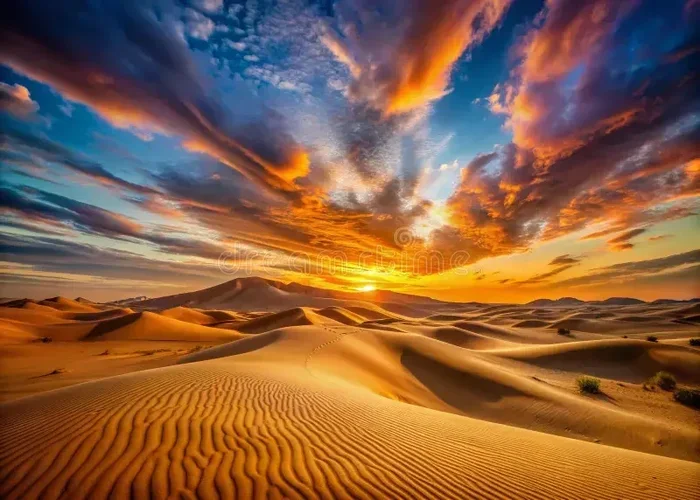
Visual guide about Erg Chebbi desert dunes sunset
Image source: thumbs.dreamstime.com
Day One: Fes to the Sahara
Morning Departure (7:00-8:00 AM): Most tours begin early to maximize daylight hours and beat the afternoon heat. You’ll meet your driver and guide, usually at your hotel or a designated meeting point in Fes. The vehicles are typically 4×4 Land Cruisers or comfortable minivans, depending on the size of your group.
Stop One: Ifrane and the Middle Atlas (9:30 AM): Your first break comes in Ifrane, often called “the Switzerland of Morocco.” This charming town features clean streets, European-style architecture, and surprisingly cool weather due to its elevation of about 1,665 meters. Ifrane is famous for its low crime rate and the presence of Barbary macaques in the surrounding cedar forests.
Stop Two: Azrou Cedar Forest (10:30 AM): Just 15 kilometers from Ifrane, the Azrou cedar forest is home to the famous Barbary monkeys (actually Barbary macaques). These are the only primate species in Morocco, and they live in this forest. Stop and feed them while exploring the massive ancient cedars, some over 300 years old.
Lunch in Midelt or Errachidia (1:00 PM): After crossing the Atlas mountains via the scenic Tizi N’Talghomt pass, you’ll stop for lunch in either Midelt or Errachidia. These small cities offer authentic Moroccan cuisine at local restaurants. Try the tagine, slow-cooked stews named after the conical clay pots they’re prepared in.
Afternoon: Ziz Valley and Erfoud (3:00 PM): The Ziz Valley is an absolute showstopper. Picture a long river lined with hundreds of thousands of palm trees creating a green canyon. It’s like discovering an oasis in the middle of nowhere. Your driver will stop at panoramic viewpoints for photos. Later, you’ll pass through Erfoud, known as the “Gateway to the Sahara” and famous for its fossil workshops where ancient marine creatures are transformed into decorative items.
Arrival at Merzouga (6:00 PM): You’ll reach the village of Merzouga by late afternoon. This is where the real adventure begins. After a short break, you’ll meet your camels (yes, real camels) for the trek into the dunes. The ride takes about 1-1.5 hours as the sun begins to set, painting the sand in impossible shades of pink, orange, and purple.
Desert Camp Experience (8:00 PM): You’ll arrive at your Berber camp, a collection of traditional nomadic tents set up among the dunes. After a traditional dinner of Moroccan salads, tajine, and mint tea, you’ll gather around a campfire where local Berbers play drums and sing traditional music. Many travelers describe this as the highlight of their entire Morocco trip.
Day Two: Sahara to Fes
Sunrise Wake-Up (5:30 AM): Yes, it feels early, but trust me, you don’t want to miss sunrise in the Sahara. The way light hits the dunes at dawn is genuinely magical. You’ll either walk up a nearby dune or ride your camel back out to catch the spectacle.
Return to Merzouga (8:00 AM): After breakfast at the camp, you’ll ride camels back to the village, or if you prefer, you can be transported by 4×4. Many people opt for the camel ride both ways, but the choice is yours.
Morning Sightseeing (9:30 AM-12:00 PM): Before heading back, many tours include stops at:
- Dayet Srji salt lake (seasonal flamingo viewing)
- Khamila village (a traditional Gnawa music village)
- Eye of the Sahara (a natural spring)
- Fossil workshops in Erfoud
Lunch and Return Journey (1:00-8:00 PM): You’ll retrace your route with stops for lunch and breaks, arriving back in Fes by evening. The return drive feels faster because you’re mesmerized by the landscapes all over again.
Choosing Your Tour: Options and What to Expect
Not all Sahara excursions are created equal. Understanding your options helps you pick the right experience for your budget and preferences.
Group Tours vs. Private Tours
Group tours are the most budget-friendly option, typically costing €120-€150 per person. You’ll share the vehicle with other travelers (usually 8-15 people). This format works great for solo travelers and those wanting to meet people. The downside? You have less flexibility on stops and timing.
Private tours cost €200-€350 per person (more affordable if you’re a group of 3-4). You get your own vehicle and driver, customized stops, and more personal attention from your guide. If you’re a couple or small group, this often provides better value when you factor in the experience quality.
Standard vs. Luxury Desert Camps
Standard camps offer traditional Berber tents with shared bathrooms. They’re authentic, comfortable enough, and provide the genuine desert experience. Most travelers absolutely love them.
Luxury camps feature permanent tent suites with private bathrooms, proper beds, and sometimes even air conditioning. They’re located further from the dunes but offer more comfort. If you have mobility issues or prefer glamping, these are excellent choices. Expect to pay €80-€150 extra per person.
What’s Included in Most Tours
- Transportation in air-conditioned vehicle
- English-speaking driver/guide
- One night desert camp accommodation
- Breakfast and dinner (and sometimes lunch)
- Camel ride to/from the camp
- Sandboarding in some packages
- Hotel pickup and drop-off in Fes
What’s Not Included
- Drinks and personal expenses
- Tips for guides and camel handlers
- Travel insurance
- Lunch on most days
- Entry fees to certain sites
What to Pack: Your Desert Survival Kit
Packing smart makes the difference between a great trip and a miserable one. Here’s exactly what you need to bring.
Clothing Essentials
The desert has a split personality. Days can be hot (25-35°C in winter, up to 45°C in summer), but nights drop dramatically (sometimes near freezing in winter). Layering is your best friend.
Must-pack items:
- Light, long-sleeved shirts (sun protection plus warmth)
- A warm jacket or fleece for evening
- Comfortable pants (jeans work but loose pants are better)
- A scarf or shemagh (traditional head wrap, also useful against sand)
- Sunglasses with UV filter
- A wide-brimmed hat or cap
- Comfortable walking shoes or sneakers
- Sandals for the camp
- Warm sleepwear for cold nights
Personal Items You Might Forget
- Sunscreen SPF 50+ (the desert sun is intense)
- Lip balm with SPF
- Reusable water bottle (your guide will refill it)
- Camera with extra battery and memory cards
- Power bank for charging devices
- Headlamp or flashlight (camp lighting is minimal)
- Wet wipes and hand sanitizer
- Personal medications
- Toilet paper (some bathrooms lack it)
- Earplugs (camels snore, seriously)
What NOT to Bring
- Heavy suitcases (vehicle space is limited)
- Expensive jewelry
- Too much technology
- Revealing clothing (respect local customs)
- Brand new shoes (break them in first)
Best Time to Visit and Weather Considerations
Timing your trip correctly dramatically affects your enjoyment. Let me break down what each season offers.
October to April: The Sweet Spot
This is peak season for good reason. Daytime temperatures range from 20-28°C, perfect for being outdoors. Nights are cool to cold, but that’s part of the charm. The sky is crystal clear, giving you incredible stargazing opportunities. The Milky Way looks close enough to touch.
December and January can get quite cold at night, dropping to 0-5°C. Bring extra layers. Some camps provide heavy blankets, but having your own warm sleeping bag liner adds comfort.
May to September: Hot Season
Summer temperatures regularly exceed 40°C during the day. While this sounds brutal, some travelers actually prefer it because the desert is less crowded and prices drop. The key is choosing early morning or late afternoon activities and staying hydrated.
Avoid July and August if possible. The combination of heat, occasional sandstorms, and harsh sun can be genuinely uncomfortable, especially for children or elderly travelers.
Seasonal Highlights
- Spring (March-May): Wildflowers bloom in the Atlas mountains
- Fall (September-November): Comfortable temperatures, harvest season in oases
- Winter (December-February): Fewer crowds, best stargazing, snow on Atlas peaks
- Summer (June-August): Hottest but cheapest, dramatic thunderstorms possible
Did You Know? The temperature difference between day and night in the Sahara can exceed 30°C. In summer, you might experience 45°C during the day and 15°C at night. In winter, you could have 25°C days and near-freezing nights.
Budget Breakdown and Money-Saving Tips
Let’s talk numbers, because nobody likes surprise costs. Here’s a realistic breakdown of what you’ll spend.
Tour Costs
- Budget group tour: €120-€150 per person
- Mid-range private tour: €180-€250 per person
- Luxury private tour: €280-€400 per person
Additional Expenses
- Tips: €10-€20 per person (split between driver and camp staff)
- Drinks: €5-€15
- Souvenirs: €10-€50
- Lunch on Day 2: €5-€10
- Personal expenses: €10-€20
Money-Saving Strategies
Book directly with local operators: International booking platforms add commissions. Email local companies directly for better rates. Many have websites now.
Travel in shoulder season: November and March offer great weather with lower prices than December-February peak.
Join a group tour if solo: Group rates are significantly cheaper than private tours for solo travelers.
Bring snacks from Fes: Stop at a local shop before departure for water, fruit, and snacks. Tour-provided meals are filling, but having your own supplies helps.
Negotiate respectfully: While tour prices are usually fixed, you can ask about upgrades or inclusions. Friendly negotiation is part of Moroccan culture.
Safety, Health, and Cultural Etiquette
Morocco is generally very safe for tourists, but being informed helps you have a smoother experience.
Health Considerations
The biggest health concern is dehydration. Drink at least 3-4 liters of water daily during your desert trip. Your body loses moisture in dry climates faster than you realize. Your guide will provide water, but having your own bottle ensures you stay hydrated.
Sun exposure is real. Even in winter, the desert sun is strong due to clear skies and minimal ozone protection. Apply sunscreen every 2-3 hours, wear a hat, and use sunglasses.
Motion sickness can affect some travelers on the long, bumpy roads. If you’re prone to it, bring medication. The roads have improved significantly but mountain passes still have winding sections.
Cultural Etiquette
Morocco is a Muslim country with conservative values. Dress modestly, especially in rural areas. Cover shoulders and knees. When visiting the camp, respect prayer times. During Ramadan, eating in public during daylight hours is disrespectful.
Photography rules: Always ask permission before photographing people, especially women and elderly individuals. Berber communities are generally welcoming but appreciate being asked first.
Tipping culture is established but not mandatory. Round up restaurant bills, tip your guide and driver, and consider small tips for camel handlers and camp staff.
Safety Tips
- Keep valuables in hotel safes in Fes
- Don’t leave belongings unattended in vehicles
- Stay with your group during stops
- Follow your guide’s instructions in the desert
- Carry a copy of your passport
- Have emergency contact numbers saved
Did You Know? Morocco ranked 30th out of 163 countries in the 2024 Global Peace Index, making it one of the safer countries in Africa. The Sahara regions are particularly safe due to strong tourist infrastructure.
Beyond the Basics: Making Your Trip Extraordinary
Now that you know the essentials, let me share tips that transform a good trip into an incredible one.
Cultural Experiences to Add
Stay longer at the camp: If your schedule allows, consider a 3-day version. You can spend a full day at the desert, take a longer camel trek, and visit remote areas most tourists never see.
Photography timing: The hour before sunset and the hour after sunrise are magical for photography. The low-angle light creates dramatic shadows and warm colors on the sand.
Sandboarding: Many tours include this, but if not, ask. Sliding down dunes on a board is hilariously fun for all ages.
Stargazing: The Sahara has minimal light pollution. After dinner, lie on the sand and look up. You might see shooting stars, satellites, and the Milky Way in stunning detail.
Berber music session: The traditional drumming around the campfire isn’t just entertainment. It’s a centuries-old tradition that connects you to the nomadic culture.
Common Mistakes to Avoid
- Booking the cheapest tour without reading reviews
- Underestimating desert cold at night
- Not bringing enough water
- Skipping travel insurance
- Wearing inappropriate clothing
- Expecting luxury bathrooms in the desert
- Not charging devices before departure
- Forgetting that this is a 2-day trip, not a relaxing vacation
Photography Tips for the Desert
The desert offers incredible photo opportunities, but it’s also challenging. The bright sand and harsh sun can fool your camera’s meter. Here’s how to get amazing shots:
- Shoot during golden hour (sunrise/sunset)
- Use a polarizing filter to enhance sky colors
- Include people or camels for scale
- Try silhouette shots against the sky
- Capture textures in the sand
- Bring a microfiber cloth to clean your lens (sand gets everywhere)
Real Traveler Experiences: What to Really Expect
Reading tour descriptions is helpful, but hearing from actual travelers gives you ground-level insight. Here’s what most people consistently say about this excursion:
The “Wow” Moments
Almost universally, travelers describe three “wow” moments: seeing Erg Chebbi for the first time, watching the sunset over the dunes, and experiencing the star-filled sky at night. Many people say these moments brought them to tears or left them speechless.
The camel trek itself is another highlight. Despite being initially nervous, most people fall in love with these gentle, quirky animals. They have personalities, they make funny sounds, and they walk in a rhythm that feels almost meditative.
The Challenging Parts
Honesty matters here. The driving is long. Six to seven hours per day means you’ll spend significant time in a vehicle. The roads are good but twisty in mountain sections. If you get car sick easily, prepare accordingly.
Cell phone reception disappears in many areas. If being constantly connected matters to you, this might be frustrating. But many travelers appreciate the digital detox.
The camp is basic by hotel standards. Showers may be cold, toilets are shared or simple, and the silence can be intense if you’re used to city noise. This is part of the experience, but it’s worth knowing in advance.
Who Loves This Trip Most
- Adventure seekers and nature lovers
- Photography enthusiasts
- Cultural travelers interested in Berber heritage
- Couples looking for romantic experiences
- Families with older children (ages 8+)
- Solo travelers wanting meaningful experiences
Booking Your Excursion: Practical Steps
You’re probably excited and ready to book. Here’s how to do it smoothly.
Research and Compare
Start by reading recent reviews on TripAdvisor, Google, and travel forums. Look for operators with consistently high ratings over multiple years, not just one good season. Pay attention to comments about guide quality, vehicle condition, and camp standards.
Get quotes from at least 3-4 operators. Prices vary more than you’d expect. Email them directly, as many offer better rates than what’s listed online.
Questions to Ask Before Booking
- What type of vehicle will we have?
- How many people maximum in our group?
- Is the guide English-speaking?
- What’s the camp like exactly?
- Are meals included and what’s served?
- What’s the cancellation policy?
- Do you provide water during the trip?
- Can you accommodate dietary restrictions?
Red Flags to Avoid
- Operators with no online reviews
- Pressure to book immediately
- Prices that seem too good to be true
- Vague responses to specific questions
- No physical address or contact information
- Requests for full payment upfront to personal accounts
Payment and Confirmation
Reputable operators accept credit cards, PayPal, or bank transfers. Many ask for a 20-30% deposit to confirm, with the rest paid on arrival. Get everything in writing, including the itinerary, inclusions, and cancellation terms.
Print or screenshot your confirmation. Have your operator’s phone number saved, and save your hotel’s address in Arabic for your driver.
Conclusion: Why This Trip Changes People
There’s something about the Sahara that gets under your skin. Maybe it’s the vastness that makes your problems feel smaller. Maybe it’s the silence that quiets your busy mind. Maybe it’s the ancient landscape that reminds you how brief and beautiful life is. Whatever it is, almost everyone who takes this 2-day excursion from Fes to Erg Chebbi comes back slightly different.
You arrive as a tourist checking off an experience. You leave as someone who stood in one of Earth’s most remarkable places and felt the weight of human history beneath their feet. The Berbers have been crossing these dunes for thousands of years. Caravans of camels once carried gold and salt across this exact sand. Nomads still live here, following ancient rhythms and stars.
This trip isn’t just about pretty photos (though you’ll get plenty). It’s about connection, to nature, to culture, and to yourself. It’s about proving to yourself that yes, you can sleep under the stars and wake up to a sunrise that makes everything worthwhile.
If you’re visiting Fes and wondering whether to add this excursion to your itinerary, the answer is absolutely yes. Two days is short enough to fit into any schedule but long enough to completely transform your Morocco experience. You’ll see mountains, valleys, forests, oases, and deserts. You’ll ride a camel, eat Berber food, hear traditional music, and sleep under more stars than you’ve ever seen.
Book the trip. Pack your bags. Charge your camera. And get ready for an adventure that you’ll be talking about for years to come. The Sahara is waiting, and it’s more magical than you can imagine until you’re standing there yourself.
The golden dunes of Erg Chebbi have welcomed travelers for millennia. Now it’s your turn.
Frequently Asked Questions
Is 2 days enough for the trip from Fes to Erg Chebbi?
Yes, 2 days is sufficient to experience the highlights of Erg Chebbi. While longer trips (3-4 days) allow more time for exploration, a 2-day excursion covers the essentials: the scenic drive, camel trek, overnight desert camp, sunrise, and return journey. You’ll feel rushed only if you want to do extensive hiking in the dunes or visit multiple desert locations.
What’s the distance from Fes to Erg Chebbi?
The distance is approximately 700 kilometers one way. The journey takes about 7-8 hours each direction, with stops for sightseeing, meals, and stretching. The route crosses the Middle Atlas mountains and passes through several towns and valleys, making the drive scenic and engaging.
How cold does it get in the Sahara at night?
Desert nights can be surprisingly cold. In winter (December-February), temperatures often drop to 0-5°C, occasionally below freezing. In summer, nights cool to 15-20°C. The temperature swings between day and night can exceed 30°C, which is why layered clothing is essential for this trip.
Are the camel rides safe and suitable for beginners?
Yes, camel rides are very safe for beginners and people of all ages. The camels are well-trained, and experienced handlers lead them. The ride is gentle, though getting on and off requires some flexibility. Children as young as 5 can participate, and handlers are patient with nervous first-timers.
Can I do this excursion if I have dietary restrictions?
Most tour operators can accommodate dietary restrictions including vegetarian, vegan, gluten-free, and halal requirements. Moroccan cuisine naturally features many vegetables, legumes, and grains. Inform your operator when booking, and they’ll arrange appropriate meals. Note that vegan options are easier than strict vegetarian in some remote areas.
What happens if there’s a sandstorm during my trip?
Sandstorms are rare but possible, especially in spring. Tour operators monitor weather conditions and will modify itineraries for safety if needed. This might mean spending extra time in protected areas, delaying the camel trek, or adjusting the route. Reputable operators prioritize safety and will communicate changes clearly to guests.