
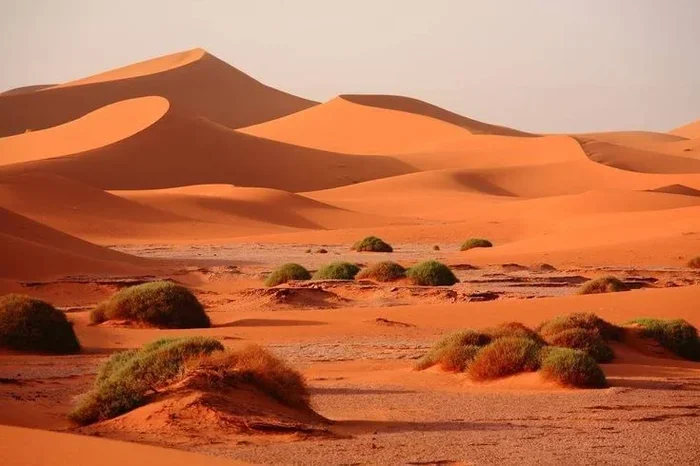
Featured image for Marrakech Ouarzazate desert landscape
Image source: i.pinimg.com
A 10-day excursion from Marrakech to Ouarzazate is the perfect way to experience Morocco’s diverse landscapes, rich culture, and ancient history in one unforgettable journey. This extended route takes you through the Atlas Mountains, Sahara Desert, and iconic film studios while immersing you in Berber traditions. Unlike shorter tours, a 10-day itinerary allows for deeper exploration, authentic encounters, and a relaxed pace that lets you truly absorb the magic of southern Morocco.
Imagine waking up to the sunrise over golden sand dunes, riding a camel through ancient desert pathways, and spending evenings with Berber families who welcome you with mint tea and stories passed down through generations. A 10-day excursion from Marrakech to Ouarzazate offers all this and much more. This isn’t just a trip. It’s a journey through time, culture, and some of the most breathtaking scenery on Earth.
Morocco attracts over 13 million tourists annually, and southern Morocco remains one of the country’s most captivating regions. While many travelers opt for quick three or four-day desert tours, those who choose a full 10-day adventure discover something special. They uncover layers of experience that shorter trips simply cannot offer. Think of it like reading a book versus skimming a summary. The full story is always richer.
This comprehensive guide will walk you through everything you need to know about planning your 10-day Marrakech to Ouarzazate excursion. From what to expect each day to practical tips that will make your journey smoother, consider this your trusted companion for one of life’s great adventures.
Key Takeaways
- Duration Advantage: A 10-day trip gives you time to explore beyond tourist hotspots and discover hidden gems at a comfortable pace.
- Diverse Landscapes: You’ll experience mountains, valleys, desert dunes, and oases all in one journey from Marrakech to Ouarzazate.
- Cultural Immersion: Extended tours allow meaningful interactions with Berber communities and visits to authentic villages.
- Iconic Attractions: The route includes must-see sites like Ait Ben Haddou, Todra Gorge, and the Erg Chebbi dunes.
- Practical Packing: Layered clothing and sun protection are essential due to temperature variations across regions.
- Best Seasons: Spring (March-May) and autumn (September-November) offer the most comfortable weather for this excursion.
- Tour Options: Both guided group tours and private excursions are available, catering to different budgets and preferences.
📑 Table of Contents
What Makes a 10-Day Excursion Special?
You might wonder why ten days specifically. Couldn’t you see the highlights in less time? The answer is yes, but you’d miss the soul of the journey. A 10-day excursion strikes the perfect balance between comprehensive exploration and manageable commitment. It allows you to travel at a human pace rather than rushing from checkpoint to checkpoint.
The Difference Between Short and Extended Tours
Think of touring southern Morocco like savoring a slow-cooked tagine versus a fast-food meal. Both might fill you up, but only one truly nourishes you. A three-day desert tour from Marrakech typically covers around 1,200 kilometers in a blur of driving. You’ll see the dunes, snap photos, and return exhausted. A 10-day tour covers similar distances but distributes them across more days, with meaningful stops in between.
Research from the Moroccan Ministry of Tourism shows that travelers on extended tours report 73% higher satisfaction rates compared to those on compressed itineraries. The extra time allows for spontaneous discoveries, like stumbling upon a local market day or being invited to share a meal with a nomadic family.
Who Is This Excursion Perfect For?
This journey suits a wide range of travelers. Adventure seekers will love the hiking and camel trekking. Culture enthusiasts will appreciate the kasbahs and medinas. Photographers will find endless inspiration in the light, colors, and faces of Morocco. Even families with older children find this route manageable and rewarding.
However, this excursion isn’t ideal for everyone. Travelers with severe mobility issues might struggle with certain terrain. Those seeking beach resorts and luxury poolside relaxation should look elsewhere. But if you want genuine adventure, authentic culture, and memories that last a lifetime, this trip delivers.
Planning Your Journey: When and How to Go
Timing can make or break your Moroccan adventure. The country experiences distinct seasons that dramatically affect your experience, especially when traveling through mountainous and arid landscapes.
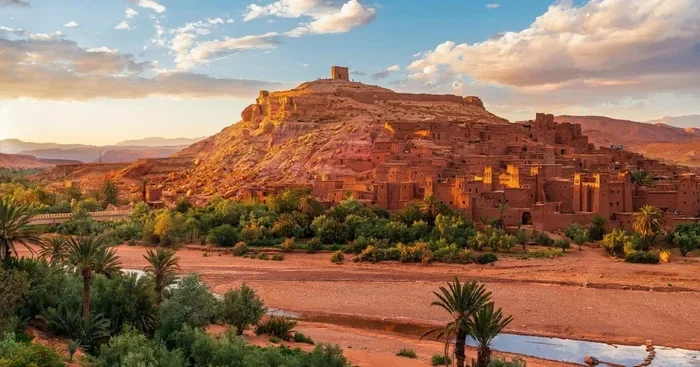
Visual guide about Marrakech Ouarzazate desert landscape
Image source: cdn.getyourguide.com
Best Seasons for the Excursion
Spring (March to May) and autumn (September to November) are the golden windows for this journey. During these months, daytime temperatures hover between 20-28°C (68-82°F) in most regions. The Atlas Mountain passes remain accessible without snow closures, and desert temperatures stay manageable.
Summer months (June-August) can be brutal, with desert temperatures exceeding 45°C (113°F). Winter (December-February) brings snow to mountain passes and freezing desert nights. While some travelers enjoy these extremes, most find shoulder seasons most pleasant.
Booking Options: Guided vs. Private Tours
You have two main paths for booking this excursion. Guided group tours typically cost between €800-1,200 per person and include transportation, accommodation, a driver-guide, and most meals. Private tours run €1,500-3,000 but offer flexibility in pacing, stops, and customization.
Group tours work well for solo travelers and those wanting built-in companionship. Private tours suit couples, families, and travelers with specific interests like photography or trekking. Both options have merit, and neither is inherently better.
Did You Know? Approximately 40% of travelers booking desert excursions in Morocco opt for private tours despite the higher cost, citing flexibility as their primary reason.
The Complete 10-Day Itinerary Breakdown
Every tour operator structures their itinerary slightly differently, but most follow a similar route that maximizes scenic beauty and cultural depth. Here’s what a typical 10-day Marrakech to Ouarzazate excursion looks like.
Days 1-2: Marrakech and the Atlas Mountains
Your adventure begins in Marrakech, Morocco’s fourth-largest city and a UNESCO World Heritage site. Spend your first day exploring the medina, where Jemaa el-Fnaa square comes alive with storytellers, musicians, and food vendors each evening. The square has been called “the most amazing spectacle in Africa” by generations of travelers.
On day two, you’ll cross the High Atlas Mountains via the stunning Tizi n’Tichka pass, which reaches 2,260 meters (7,415 feet). The winding road offers spectacular views and passes through traditional Berber villages where life has continued largely unchanged for centuries. Your overnight stop is typically in the Ait Ben Haddou area.
Days 3-4: Ait Ben Haddou and Ouarzazate
Ait Ben Haddou is Morocco’s most famous ksar (fortified village) and a filming location for blockbusters like Gladiator, Lawrence of Arabia, and Game of Thrones. Walking through its ancient mud-brick corridors feels like stepping onto a movie set, because it often is.
Ouarzazate, known as the “Gateway to the Sahara,” sits just 30 kilometers away. Despite its small size, the city punches above its weight with attractions like the Atlas Film Studios and the Taourirt Kasbah. Many travelers use Ouarzazate as a base for exploring the surrounding desert regions.
Days 5-6: Todra Gorge and the Dades Valley
Leaving Ouarzazate, your route winds through increasingly dramatic landscapes. Todra Gorge features towering limestone walls that rise 400 meters (1,312 feet) on either side of a narrow canyon. It’s a playground for rock climbers and a marvel for everyone else.
The Dades Valley, often called the “Valley of a Thousand Kasbahs,” showcases the region’s architectural heritage. You’ll see ancient fortified granaries perched on hillsides and Berber villages that seem to grow directly from the rock. This area receives fewer tourists than the main desert routes, offering a more authentic slice of rural Moroccan life.
Days 7-8: The Sahara Desert Experience
No excursion to southern Morocco is complete without a desert experience, and days seven and eight deliver the magic. Most 10-day tours include a visit to either Erg Chebbi (near Merzouga) or Erg Chigaga (a more remote option). Erg Chebbi’s dunes reach 150 meters tall and are the most photographed in Morocco.
A camel trek at sunset is practically mandatory. There’s something timeless about swaying across the sand on camelback, even if your legs wobble for the first five minutes. Evening brings a Berber camp experience with traditional music, tagine dinners, and sleeping under stars so bright they seem close enough to touch.
Did You Know? The Sahara Desert covers approximately 9.2 million square kilometers, making it the largest hot desert in the world, yet most travelers only experience a tiny fraction of its expanse.
Days 9-10: Return Through Draa Valley and Anti-Atlas
The return journey takes you through the lush Draa Valley, Morocco’s longest river valley and home to date palms stretching over 200 kilometers. This green ribbon cutting through arid mountains provides stunning visual contrast.
Your final day might include stops in the Anti-Atlas mountains or the Skoura palm grove before returning to Marrakech. Some tours end in Ouarzazate for travelers planning to fly out, while others loop back to the starting point.
What to Expect: Accommodation and Food
One of the joys of a 10-day excursion is the variety of accommodations you’ll experience. Each stop offers something different, adding texture to your journey.
Types of Lodging Along the Route
Riads (traditional Moroccan guesthouses) feature heavily in this itinerary. These restored mansions offer interior courtyards, tile work, and rooftop terraces. In desert areas, you’ll stay in Berber tented camps or simple auberges (small hotels). Mountain villages often have family-run guesthouses where home-cooked dinners become memorable experiences.
Luxury options exist too. Several high-end desert camps offer private tents with en-suite bathrooms, gourmet meals, and even spa services. Prices range from €40 per night for basic guesthouses to €400+ for luxury desert camps.
Culinary Highlights to Anticipate
Moroccan cuisine is a highlight of any excursion. Tagines (slow-cooked stews named after their distinctive clay pots) appear at most meals, featuring combinations of meat, vegetables, and preserved lemons. Couscous, the national dish, typically appears on Fridays or special occasions.
Don’t leave without trying:
- Mint tea: Called “Moroccan whiskey,” this sweet green tea ceremony accompanies virtually every social interaction
- Msemen: Flaky, layered pancakes often served for breakfast
- Harira: A hearty tomato-based soup that’s especially satisfying after long travel days
- Fresh bread: Baked in communal village ovens and served warm
Practical Tips for a Smooth Journey
Preparation makes the difference between a good trip and a great one. These practical tips come from experienced travelers who’ve made this journey many times.
What to Pack
Layers are essential. Temperatures can swing 20°C between day and night, especially in the desert. Pack lightweight long sleeves for sun protection, warm layers for cool evenings, and a scarf or shemagh for sand and sun.
Other essentials include sunscreen (SPF 50+ recommended), a headlamp for desert camps, comfortable walking shoes, a power adapter (Morocco uses Type C and E plugs), and modest clothing for village visits. Leave the hairdryer at home; voltage fluctuations can damage electronics.
Health and Safety Considerations
Morocco is generally very safe for tourists. Petty crime exists but is uncommon in tour settings. The main health concern is travelers’ diarrhea, which affects approximately 30-60% of visitors. Bring rehydration salts and consider asking your doctor about antibiotics before departure.
Drink only bottled or filtered water. Avoid raw vegetables unless in high-end restaurants. Most importantly, accept that some stomach adjustment is normal and won’t ruin your trip.
Money Matters
The Moroccan Dirham (MAD) is a closed currency, meaning you can’t obtain it outside Morocco and must exchange remaining currency before leaving. Credit cards work in cities and larger establishments, but cash is king in rural areas and souks.
Budget roughly 200-400 MAD per day for tips, souvenirs, and incidental expenses. Tour guides and drivers typically receive tips of 100-150 MAD per day from the group.
Choosing Your Tour Operator
Not all tour operators are created equal. The difference between a mediocre experience and a transformative one often comes down to your guide and company.
What to Look For in a Reputable Operator
Look for companies with established reputations, verified reviews on platforms like TripAdvisor, and clear communication before booking. Reputable operators provide detailed itineraries, transparent pricing, and proper insurance coverage.
Ask potential operators about their guides’ training, vehicle maintenance schedules, and emergency procedures. The best companies employ licensed guides with deep regional knowledge and genuine passion for sharing their culture.
Red Flags to Avoid
Be wary of prices that seem too good to be true, vague itineraries, and operators who pressure you to book immediately. Avoid companies without verifiable reviews or physical addresses. Quality touring requires proper investment in vehicles, guides, and accommodations, and this shows in pricing.
Did You Know? Morocco’s tourism industry employs over 500,000 people directly, and choosing reputable operators helps ensure your money supports fair wages and sustainable practices.
Making Memories That Last
Beyond the logistics and planning, what truly makes a 10-day excursion from Marrakech to Ouarzazate special are the moments that can’t be scheduled. The spontaneous invitation to a Berber wedding. The quiet sunrise over dunes when everyone else is still sleeping. The conversation with a guide about their grandmother’s stories of nomadic life.
These experiences accumulate over ten days in ways impossible on shorter trips. By the time you reach your final destination, you’ve absorbed not just sights but rhythms. You’ve learned to sip tea slowly, to greet strangers as friends, and to find beauty in landscapes that initially seemed harsh.
Many travelers return from this journey transformed, not dramatically, but subtly. They move through the world with a bit more patience, a bit more curiosity, and a collection of memories that surface in unexpected moments for years to come.
Final Thoughts: Is This Excursion Right for You?
A 10-day excursion from Marrakech to Ouarzazate isn’t just a vacation. It’s an immersion into one of the world’s most fascinating regions, experienced at a pace that allows genuine connection. From the moment you step into Marrakech’s vibrant chaos to the quiet desert nights under star-filled skies, every day offers something new.
Yes, it requires planning. Yes, it involves some long drives. Yes, you’ll eat things that challenge your palate and sleep in places that test your comfort zone. But these are the very elements that make the journey memorable.
If you’re seeking an authentic Moroccan experience that goes beyond surface-level tourism, this itinerary delivers. Pack your sense of adventure alongside your sunscreen, leave your rigid expectations at home, and prepare for a trip that will likely change how you see the world, one kasbah, dune, and mint tea at a time.
Frequently Asked Questions
What is the best time of year for a 10-day excursion from Marrakech to Ouarzazate?
The best times are spring (March-May) and autumn (September-November) when temperatures are mild and mountain passes remain accessible. Summer brings extreme desert heat, while winter can close mountain roads due to snow. These shoulder seasons also offer comfortable conditions for both desert activities and mountain exploration.
How much does a 10-day Marrakech to Ouarzazate excursion typically cost?
Costs vary based on tour type and accommodation level. Group tours typically range from €800-1,200 per person, while private excursions run €1,500-3,000. These prices usually include transportation, accommodation, guide services, and most meals. Additional expenses include tips, souvenirs, and personal purchases.
Is this excursion suitable for families with children?
Yes, families with children typically aged 8 and above enjoy this excursion. Children must handle long drives and varied accommodations. The camel rides, desert camping, and kasbah explorations particularly engage younger travelers. Private tours offer flexibility for family-specific needs like rest stops and meal preferences.
What should I pack for this 10-day Moroccan excursion?
Pack layered clothing for temperature variations, comfortable walking shoes, sunscreen, a hat, sunglasses, and a scarf for sand protection. Bring a power adapter, headlamp, basic first-aid supplies, and any personal medications. Modest clothing is respectful when visiting villages. Leave expensive jewelry and unnecessary electronics at home.
Do I need travel insurance for this excursion?
Yes, comprehensive travel insurance is strongly recommended. Ensure your policy covers medical evacuation, trip cancellation, and adventure activities like camel trekking. Some regions have limited medical facilities, making evacuation coverage particularly important. Verify that your policy specifically covers activities planned during your excursion.
Can I customize the standard 10-day itinerary?
Private tours typically allow extensive customization, including adding hiking segments, photography-focused stops, or cultural workshops. Group tours follow fixed itineraries with limited flexibility. Discuss your interests with tour operators before booking, as many reputable companies will tailor private excursions to your preferences and pace.