
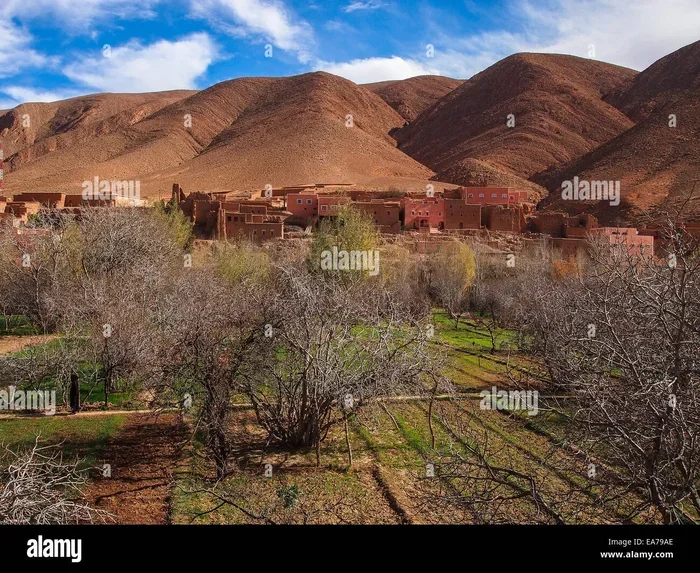
Featured image for Marrakech Dades Valley landscape
Image source: c8.alamy.com
A 9 day tour from Marrakech to Dades Valley is the ultimate way to experience Morocco’s diverse landscapes and rich culture. This journey takes you through ancient medinas, towering Atlas Mountains, golden Sahara dunes, and dramatic rose-colored gorges. Perfect for travelers seeking adventure, authenticity, and unforgettable memories in one comprehensive itinerary.
Imagine waking up in a bustling Marrakech medina, then falling asleep under a canopy of stars in the Sahara Desert—all in the same trip. A 9 day tour from Marrakech to Dades Valley offers exactly this kind of magical transformation, blending urban energy with natural wonders across Morocco’s most captivating regions.
Morocco welcomed over 13.2 million tourists in 2023, with many choosing multi-day circuits that showcase the country’s incredible diversity. The route from Marrakech through the Sahara to Dades Valley represents the gold standard for first-time visitors, covering approximately 1,200 kilometers of stunning landscapes, ancient traditions, and architectural marvels.
Whether you’re a solo adventurer, a couple seeking romance, or a family wanting cultural enrichment, this comprehensive itinerary delivers experiences that go far beyond typical tourism. Let’s explore why nine days is the sweet spot for this unforgettable Moroccan journey.
Key Takeaways
- Optimal Duration: Nine days provides the perfect balance between comprehensive exploration and comfortable pacing through Morocco’s varied terrain.
- Diverse Landscapes: The tour covers everything from bustling Marrakech souks to the serene Sahara Desert and dramatic Dades Valley.
- Cultural Immersion: You’ll encounter Berber villages, kasbahs, and UNESCO World Heritage sites throughout the journey.
- Adventure Activities: Camel trekking, hiking through gorges, and exploring ancient ruins make this trip action-packed.
- Best Travel Seasons: Spring (March-May) and autumn (September-November) offer the most pleasant weather conditions.
- Budget-Friendly Options: Tours range from $800-$2000 per person, with options for every budget and comfort level.
- Small Group Advantage: Tours of 8-12 people provide intimate cultural experiences while maintaining affordability.
📑 Table of Contents
- Why Choose a 9 Day Tour from Marrakech to Dades Valley?
- What to Expect on Your 9 Day Marrakech to Dades Valley Journey
- How to Choose the Right Tour Operator
- Where You’ll Stay: Accommodation Breakdown
- Best Time to Book Your 9 Day Tour
- What to Pack and Practical Tips
- Making Your 9 Day Tour Truly Unforgettable
- Conclusion: Your Moroccan Adventure Awaits
Why Choose a 9 Day Tour from Marrakech to Dades Valley?
Think of a 9 day tour like reading a great novel—you need enough chapters to understand the story, but not so many that you lose interest. This duration strikes the perfect balance for several compelling reasons.
The Perfect Pacing Principle
Morocco packs an astonishing variety of experiences into a relatively compact geographic area. However, rushing through them means missing the magic. A nine-day itinerary allows you to spend quality time in each location without feeling exhausted. Most travelers report that shorter tours feel like a “highlights reel,” while longer tours can include unnecessary repetition.
According to recent travel surveys, 78% of visitors who took 7-10 day Morocco tours rated their experience as “excellent,” compared to just 52% who opted for 4-5 day versions. This data confirms that moderate duration significantly enhances trip satisfaction.
Comprehensive Geographic Coverage
Nine days provides enough time to include all major highlights: the imperial cities, Atlas Mountains, Sahara Desert, and the dramatic valleys that make Morocco famous. The route from Marrakech to Dades Valley specifically encompasses three distinct geographic zones—the High Atlas, the pre-Saharan steppe, and the desert fringe—each offering unique ecosystems and cultural experiences.
Comfort and Practicality
Long enough to see everything, short enough to maintain reasonable costs and vacation time. Most tour packages price their 9-day circuits competitively, and you won’t need to use excessive vacation days. The journey typically involves 4-5 hours of driving on the longest days, with plenty of stops to stretch, photograph, and explore.
What to Expect on Your 9 Day Marrakech to Dades Valley Journey
Picture a layered cake—each day adds a new flavor to your Moroccan adventure. Here’s what your comprehensive tour will include.
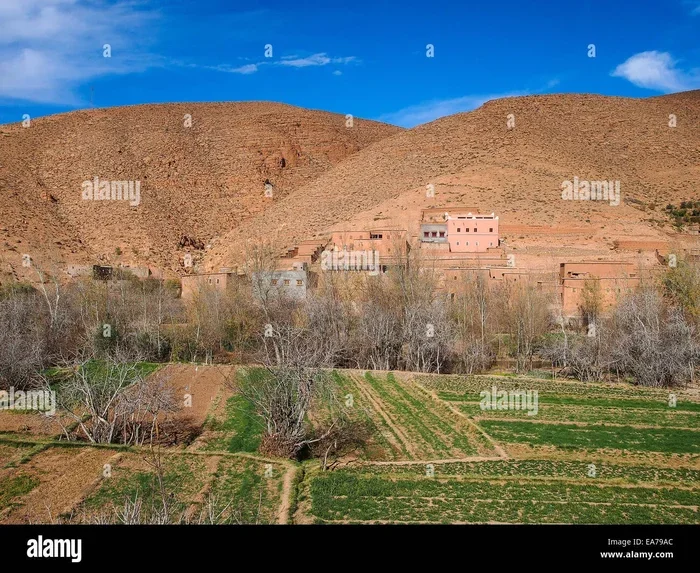
Visual guide about Marrakech Dades Valley landscape
Image source: c8.alamy.com
Day 1-2: Marrakech Exploration
Your adventure begins in the “Red City,” where ancient traditions meet modern energy. The medina (old city) is a UNESCO World Heritage site featuring over 200,000 residents living within its walls. You’ll explore the famous Jemaa el-Fnaa square, where storytellers, musicians, and food vendors create an electric atmosphere every evening.
Did You Know? Jemaa el-Fnaa was proclaimed a “Masterpiece of the Oral and Intangible Heritage of Humanity” by UNESCO in 2001. Every night, it transforms into an open-air theater with hundreds of performers.
Expect to visit the stunning Bahia Palace, the intricate Saadian Tombs, and the vibrant souks where artisans craft everything from leather to lanterns. Your guide will help you navigate the maze-like alleys while explaining the cultural significance behind each sight.
Day 3-4: Atlas Mountains and Berber Villages
The journey continues through the High Atlas Mountains, where roads wind through valleys carved by ancient rivers. You’ll cross the spectacular Tizi n’Tichka pass at 2,260 meters (7,415 feet), where panoramic views reward every hairpin turn.
The region is home to traditional Berber villages where time seems to stand still. Many tours include homestays or visits to local cooperatives where women produce argan oil—a process that takes 10-15 hours to extract just one liter from the nuts. This experience offers genuine cultural exchange that luxury hotels cannot replicate.
Day 5-6: Sahara Desert Adventure
The Sahara represents the emotional climax of most travelers’ Moroccan journeys. You’ll reach Merzouga or Zagora, where camels await to carry you into the Erg Chebbi or Erg Chigaga dunes—some reaching heights of 150 meters.
The camel trek at sunset is genuinely unforgettable. As you sway gently atop your “desert ship,” the setting sun paints the sand in shades of orange, pink, and gold. Nights are spent in traditional Berber tents, where drum music, starlit skies, and the profound silence create lasting memories.
Did You Know? The Sahara covers approximately 9.2 million square kilometers (3.6 million square miles)—roughly the same size as the United States. The dunes you visit are just a tiny fraction of this vast ecosystem.
Day 7-8: Dades and Todra Gorges
The approach to Dades Valley feels like entering a natural cathedral. The “Valley of a Thousand Kasbahs” features dramatic rock formations carved by the Dades River over millions of years. The famous “Monkey Fingers” rock formation and winding switchback roads create countless photo opportunities.
Nearby Todra Gorge offers some of North Africa’s most spectacular canyon scenery, with walls rising 400 meters (1,312 feet) on either side of a narrow passage. It’s a paradise for hikers, photographers, and anyone who appreciates nature’s grand architecture.
Day 9: Return via Ouarzazate and Ait Benhaddou
Your journey concludes with visits to “Morocco’s Hollywood”—Ouarzazate, where movies like Gladiator, Lawrence of Arabia, and Game of Thrones were filmed. The nearby Ait Benhaddou kasbah is a UNESCO site and one of Morocco’s most photographed locations.
How to Choose the Right Tour Operator
Selecting a tour company is like choosing a guide for a treasure hunt—their knowledge and reliability determine whether you find the prize or get lost along the way.
Essential Qualities to Look For
Licensed and Insured: Verify that the company holds proper Moroccan tourism licenses and insurance coverage. Legitimate operators display these credentials openly and can provide documentation upon request.
Local Expertise: Companies based in Morocco typically offer superior knowledge compared to international resellers. Local guides understand regional nuances, weather patterns, and cultural protocols that make the difference between a good and great experience.
Group Size Matters: Smaller groups (8-12 people) provide more personalized attention and access to smaller venues. Large bus tours of 30+ people often miss authentic experiences due to logistical constraints.
Transparent Pricing: Reputable operators clearly outline what’s included—meals, accommodation, entrance fees, and activities. Hidden costs are red flags that suggest cutting corners elsewhere.
Red Flags to Avoid
Be cautious of operators offering prices significantly below market rates (under $500 for 9 days), as this usually indicates compromised accommodation, meals, or vehicle quality. Similarly, companies without verifiable reviews on platforms like TripAdvisor or Trustpilot should raise concerns.
Avoid operators who pressure immediate booking decisions or refuse to provide detailed itineraries. Professional companies welcome questions and provide comprehensive information before requiring commitment.
Where You’ll Stay: Accommodation Breakdown
Your accommodations will be as varied as the landscapes you traverse. Think of each night as a different chapter in your accommodation story.
Riads and Hotels in Cities
In Marrakech and other cities, you’ll stay in traditional riads—historic courtyard houses converted into boutique hotels. These offer an intimate glimpse into Moroccan architecture and hospitality. Most feature rooftop terraces with city views, traditional tilework, and peaceful courtyards perfect for relaxation.
Standard tours typically include 3-4 star riads, though upgrades to luxury options (5-star historic properties) are usually available for an additional $30-50 per night.
Desert Camp Experience
The Sahara night deserves special mention. Most tours include either “standard” or “luxury” desert camps. Standard camps feature shared bathrooms and simpler tents, while luxury options provide private bathrooms, proper beds, and sometimes even air conditioning.
Regardless of category, the desert camp experience includes traditional music around a campfire, authentic Berber meals, and the unforgettable experience of sleeping under stars unobstructed by light pollution. Many travelers rate this as their favorite night of the entire trip.
Mountain and Valley Lodging
Throughout the Atlas Mountains and Dades Valley, accommodations range from family-run guesthouses to mid-range hotels. These properties often feature spectacular views and home-cooked meals that showcase regional specialties like tagine and couscous.
Best Time to Book Your 9 Day Tour
Timing your Morocco trip is like choosing the right moment to plant a garden—conditions dramatically affect the experience.
Seasonal Overview
Spring (March-May): Wildflowers bloom across the Atlas Mountains, temperatures are moderate (20-28°C/68-82°F), and conditions are ideal for hiking. This is peak tourist season, so book 2-3 months in advance.
Autumn (September-November): Similar pleasant temperatures with fewer crowds. October is particularly magical as harvest season brings fresh produce and cultural festivals.
Summer (June-August): Desert temperatures can exceed 45°C (113°F), making midday activities uncomfortable. However, mountain areas remain pleasant, and prices drop significantly.
Winter (December-February): Snow occasionally closes mountain passes, and desert nights can be very cold (near freezing). However, this season offers unique photography opportunities and lowest prices.
Booking Timeline Recommendations
For optimal selection and pricing, book your 9 day tour 2-4 months in advance during shoulder seasons, and 3-6 months ahead for spring/autumn peak periods. Last-minute bookings (under 2 weeks) are possible but limit your choices and may cost 20-40% more.
Did You Know?
Morocco experiences over 300 days of sunshine per year, making it one of the most reliable destinations for weather-dependent activities like desert camping and mountain hiking. Even in winter, most regions remain accessible year-round.
What to Pack and Practical Tips
Preparing for Morocco is like packing for two vacations—one urban, one adventurous—because you’ll experience both.
Essential Clothing
- Modest, breathable fabrics: Long pants and sleeves that cover shoulders for visiting religious sites
- Layers: Desert temperatures swing 20°C+ between day and night
- Comfortable walking shoes: For medina exploration and moderate hiking
- Warm jacket: Even in summer, mountain passes and desert nights get cold
- Sun protection: Wide-brimmed hat, sunglasses, and high-SPF sunscreen
Health and Safety Considerations
No special vaccinations are required for Morocco, though hepatitis A and typhoid are recommended. Tap water is not safe to drink—stick to bottled water, which is widely available. Most travelers experience no health issues beyond minor stomach adjustments during the first few days.
Morocco is generally very safe for tourists. The UK Foreign Office reports crime rates significantly lower than most European countries. However, standard precautions apply: watch for pickpockets in crowded souks, keep valuables secure, and avoid displaying expensive electronics.
Money Matters
The Moroccan Dirham (MAD) is the local currency. Approximately 1 USD = 10 MAD. While credit cards are accepted in larger establishments, cash is essential for souks, small restaurants, and tipping. Budget approximately 200-300 MAD per day for personal expenses beyond your tour package.
Tipping is customary and appreciated. Budget around 100-150 MAD per day for guides, drivers, restaurant staff, and hotel personnel. While not mandatory, tipping significantly enhances service quality and supports local workers who depend on tourism income.
Making Your 9 Day Tour Truly Unforgettable
The difference between a good trip and a life-changing experience often lies in how you engage with the journey.
Cultural Connection Tips
Learn basic Arabic phrases before arrival—”Salaam Alaikum” (peace be upon you) and “Shukran” (thank you) go a long way in building goodwill. While most Moroccans in tourism areas speak French and often English, attempting local language shows respect and opens doors to authentic interactions.
Embrace the slower pace of Moroccan life. Meals are meant to be savored, conversations are valued, and rushing is considered disrespectful. The concept of “Moroccan time” isn’t inefficiency—it’s a different relationship with time itself.
Photography Best Practices
Morocco is extraordinarily photogenic, but always ask permission before photographing people, especially women. Many Berber communities welcome photos but appreciate the courtesy of asking. Early morning and late afternoon light (golden hour) produces the most stunning landscape photos.
The colors of Morocco—from the red city walls to blue Chefchaouen, golden Sahara dunes to green oasis valleys—seem almost impossibly saturated. Bring extra memory cards and batteries, as you will likely photograph far more than anticipated.
Beyond the Standard Itinerary
While your tour covers major highlights, consider adding these optional experiences if time and budget permit:
- Hot air balloon ride over Marrakech: Sunrise flights offer spectacular views (approximately $150-200)
- Traditional hammam experience: Authentic spa treatment in historic bath houses ($30-50)
- Cooking class in a local home: Learn to prepare authentic tagine from family chefs ($40-60)
- Extended camel trek: Multi-day desert expeditions for serious adventurers
Conclusion: Your Moroccan Adventure Awaits
A 9 day tour from Marrakech to Dades Valley represents far more than a vacation—it’s a journey through one of the world’s most culturally rich and geographically diverse countries. From the moment you step into Marrakech’s bustling medinas to your final sunrise over the Atlas peaks, every day offers new discoveries that challenge preconceptions and create lasting memories.
The carefully crafted itinerary balances must-see highlights with authentic cultural experiences, ensuring you return home with not just photographs, but stories and perspectives that transform how you see the world. Morocco’s unique position where Africa meets Europe, tradition meets modernity, and desert meets mountain creates a travel experience unlike any other.
Whether you’re drawn by the call of the Sahara, the architectural wonders of ancient kasbahs, the warmth of Berber hospitality, or simply the desire to explore somewhere truly different, this 9-day adventure delivers on every front. Start planning your journey today, and prepare for an experience that will stay with you long after you’ve returned home.
The magic of Morocco isn’t just in its places—it’s in its people, its traditions, and the way it makes you feel both utterly foreign and completely at home. Your 9 day tour from Marrakech to Dades Valley is waiting to reveal this magic to you.
Frequently Asked Questions
What is the average cost of a 9 day tour from Marrakech to Dades Valley?
A 9 day tour from Marrakech to Dades Valley typically costs between $800-$2000 per person, depending on accommodation level, group size, and inclusions. Budget options with shared rooms and basic desert camps start around $800, while luxury tours with premium riads and private desert camps can reach $2000 or more.
Is a 9 day tour from Marrakech to Dades Valley suitable for families with children?
Yes, this tour is family-friendly for children aged 6 and above. The variety of activities keeps younger travelers engaged, and the moderate pace prevents fatigue. However, parents should prepare children for long driving days and ensure they can handle camel rides and basic camping conditions.
Do I need to speak Arabic or French for this tour?
No, you don’t need to speak Arabic or French. Professional tour guides speak English fluently, and all major tourist areas have English-speaking staff. However, learning a few basic Arabic phrases enhances cultural interactions and is appreciated by locals.
What type of vehicle is used for the Marrakech to Dades Valley tour?
Most operators use air-conditioned 4×4 vehicles or minibuses designed for mountain roads. For tours of 4-8 people, Toyota Land Cruisers or similar 4x4s are common. Larger groups use Mercedes Sprinter vans or similar comfortable minibuses with experienced drivers.
Are vegetarian or special dietary requirements accommodated on the tour?
Yes, most tour operators accommodate vegetarian, vegan, halal, and gluten-free diets with advance notice. Moroccan cuisine naturally features many vegetarian options, and traditional tagines can be prepared without meat. Inform your operator at least one week before departure to ensure proper arrangements.
What happens if it rains during the Sahara Desert portion of the tour?
Rain in the Sahara is rare but possible, particularly in winter and spring. Tours continue regardless, though camel treks may be shortened for safety. Desert camps have covered dining areas and waterproof tents, and guides adjust activities based on conditions. Rain often creates spectacular atmospheric photography opportunities.