Featured image for Marrakech Ouarzazate desert tour
Image source: caravanedugranderg.com
A 12 day tour from Marrakech to Ouarzazate is the ultimate way to experience Morocco’s southern magic. This journey takes you through the Atlas Mountains, ancient kasbahs, golden Sahara dunes, and vibrant Berber villages. Perfect for travelers who want depth over speed, this itinerary balances adventure, culture, and relaxation. It’s hands-down one of the most rewarding routes in all of North Africa.
Imagine waking up in a centuries-old riad in Marrakech, the scent of mint tea drifting through the courtyard. By day twelve, you’ll be watching the sunset paint the Sahara in shades of gold and crimson. That’s the magic of a 12 day tour from Marrakech to Ouarzazate and beyond. This isn’t just a trip—it’s a slow, soulful immersion into Morocco’s most captivating region.
Most travelers rush through Morocco in four or five days. But the south? The south needs time. You need time to wander the alleys of Ait Benhaddou, time to sip tea with a Berber family in the Atlas Mountains, and time to sit silently in the desert as the stars multiply overhead. Twelve days strikes the perfect balance—long enough to truly connect, short enough to fit into most vacation schedules.
In this guide, I’ll walk you through everything you need to know. What you’ll see, where you’ll stay, when to go, and why this particular route is considered the best introduction to southern Morocco. Let’s dive in.
Key Takeaways
- Duration Sweet Spot: 12 days gives you enough depth to explore Morocco’s south without feeling rushed, covering roughly 1,200-1,500 km of diverse landscapes.
- Iconic Stops: The route includes Ait Benhaddou, Todra Gorge, Merzouga Desert, Dades Valley, and the Draa Valley—each offering unique scenery and culture.
- Best Travel Seasons: October through April offers the most comfortable temperatures, especially for desert camping under the stars.
- Mix of Transport: Expect 4×4 vehicles, camel treks, and short walking segments—variety keeps the journey exciting.
- Budget Range: Mid-range tours typically cost between €900-€1,500 per person, including accommodation, guides, and most meals.
- Cultural Highlights: Berber villages, UNESCO World Heritage Sites, and authentic riad stays make this trip culturally rich.
- Photography Paradise: From sunrise over Erg Chebbi to the blue streets of Chefchaouen nearby, every day offers stunning shots.
📑 Table of Contents
- What Exactly Is a 12 Day Marrakech to Ouarzazate Tour?
- Who Should Take This Tour and When?
- The Ultimate 12 Day Marrakech to Ouarzazate Itinerary
- What Does the Tour Include (And What Doesn’t)?
- Choosing the Right Tour Operator
- Essential Tips for Your 12 Day Marrakech to Ouarzazate Adventure
- Why This Route Is Truly Special
- Final Thoughts: Is This Tour Worth It?
What Exactly Is a 12 Day Marrakech to Ouarzazate Tour?
A 12 day tour from Marrakech to Ouarzazate is a guided or self-guided journey that begins in the bustling imperial city of Marrakech and winds southward through Morocco’s most dramatic landscapes. It typically includes desert experiences, mountain crossings, and visits to some of the country’s most famous kasbahs and film studios.
The Core Route Explained
Think of it like a road trip through a living museum. You start in Marrakech, cross the High Atlas Mountains via the stunning Tizi n’Tichka pass, and arrive in Ouarzazate—often called the “Gateway to the Sahara.” From there, the route loops into the desert at Merzouga, snakes through dramatic gorges, and returns north through the Draa Valley or Skoura palm groves.
The journey typically spans 1,200 to 1,500 kilometers. That’s roughly the distance from London to Vienna, but with way more dramatic scenery changes. In one day, you might go from snow-capped peaks to sand dunes.
Why 12 Days Specifically?
Shorter tours (5-7 days) barely scratch the surface. You’ll spend most of your time in vehicles. Longer tours (15+ days) often include the northern coast or Chefchaouen, which is wonderful but dilutes the southern focus. Twelve days allows for:
- 2 days in Marrakech for acclimatization and exploration
- 1-2 days crossing the Atlas Mountains with stops at kasbahs
- 2-3 days in the Sahara Desert region including Merzouga
- 2-3 days exploring gorges, valleys, and villages
- Buffer days for unexpected adventures or rest
Did You Know? Morocco welcomed over 14.5 million tourists in 2023, and the Marrakech-Ouarzazate corridor remains one of the top three requested itineraries according to the Moroccan Ministry of Tourism.
Who Should Take This Tour and When?
Let’s be clear: this tour isn’t for everyone. If you prefer beach resorts or bustling European cities, look elsewhere. But if you’re the kind of traveler who wants stories to tell for decades, keep reading.
Visual guide about Marrakech Ouarzazate desert tour
Image source: revigorate.com
Who Is This Tour Perfect For?
- Culture enthusiasts who want to understand Berber heritage beyond surface-level sightseeing
- Photographers chasing dramatic landscapes, golden dunes, and ancient architecture
- Slow travelers who believe the journey matters as much as the destination
- Couples and honeymooners seeking romantic desert sunsets and intimate riad stays
- Small groups of friends who enjoy shared adventures and meaningful conversations
- Solo travelers who want the safety of an organized tour with the freedom to explore
Best Time to Go
The timing of your trip dramatically affects your experience. Let’s break it down:
October to April (Peak Season): This is when most visitors come. Temperatures in the desert hover between 20-28°C (68-82°F) during the day and drop to 5-10°C (41-50°F) at night. Perfect for camel treks and camping. However, the Atlas Mountains can get snowy in January and February, occasionally causing road delays.
May and September (Shoulder Season): These months offer a sweet spot—fewer crowds, comfortable weather, and lower prices. May temperatures start climbing in the desert, hitting 35°C+ (95°F+), but mornings remain pleasant.
June to August (Off-Season): Desert temperatures can exceed 45°C (113°F). Not ideal for most travelers, though budget-friendly and quieter.
Did You Know? The Sahara Desert actually cools down significantly at night, even in summer. Winter nights in the desert can drop below freezing, while summer days feel like stepping into an oven.
The Ultimate 12 Day Marrakech to Ouarzazate Itinerary
Here’s where the magic happens. I’ve structured this itinerary based on the most popular and highly-rated tours operating in Morocco today. Each day builds on the previous one, creating a natural flow from chaotic city to silent desert and back.
Days 1-2: Discovering Marrakech
Your adventure begins in Marrakech, the “Red City.” Spend your first day getting oriented. Wander through the medina (old city), visit the iconic Jemaa el-Fnaa square, and get lost in the souks. The souks are like a giant, colorful maze selling everything from spices to slippers.
Day two, explore deeper. Visit the Bahia Palace, the Saadian Tombs, and the Majorelle Garden. In the evening, dine at a rooftop restaurant overlooking the medina—the tagine (a slow-cooked Moroccan stew) and mint tea here taste better with that view.
Where to stay: A traditional riad in the medina, such as Riad Yasmine or Riad BE.
Day 3: Crossing the Atlas Mountains
Today, you leave the city behind. The drive over Tizi n’Tichka pass rises to 2,260 meters (7,410 feet). The road twists through Berber villages, terraced farmland, and dramatic valleys. Stop at a local argan oil cooperative—women here extract oil using techniques passed down for generations.
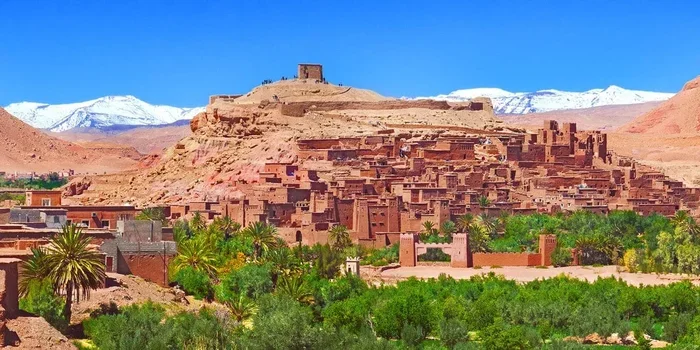
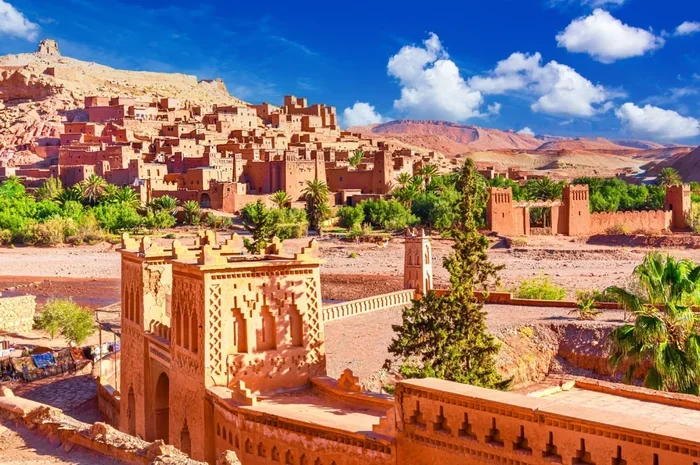
Continue to Ait Benhaddou, a UNESCO World Heritage Site and one of Morocco’s most photogenic spots. This earthen clay kasbah has stood since the 17th century and has been featured in films like Gladiator and Game of Thrones.
End the day in Ouarzazate, known as “Hollywood of Africa” for its film studios.
Day 4: Ouarzazate and Skoura
Spend the morning exploring Ouarzazate’s Atlas Film Studios and the impressive Taourirt Kasbah. Then drive to the Skoura Palm Grove, a lush oasis with over 25,000 palm trees. Walk through the palmery, visit the Amerhidil Kasbah, and enjoy a quiet afternoon amid nature.
Day 5-6: The Road to the Sahara
Day five takes you through the Valley of the Roses (Kelaa M’Gouna) and into the dramatic Todra Gorge. These towering limestone cliffs rise 400 meters (1,300 feet) and are popular with rock climbers. Walk along the riverbed and feel tiny.
Continue to Merzouga, the gateway to Erg Chebbi—Morocco’s most famous sand dunes, some reaching 150 meters (490 feet) high.
Day six is desert day. Camel trek into the dunes at sunset. Spend the night in a Berber-style desert camp under stars you’ll swear you can touch. Wake early for a sunrise camel ride. The silence of the Sahara is something you have to experience to understand.
Analogy time: The Sahara is like an ocean—vast, silent, and strangely calming. The dunes are its waves, frozen in time. And the stars? They’re the fish, hidden until you look closely.
Day 7: Desert Culture and Oasis Towns
After your desert adventure, head to Erfoud and Rissani. Visit a local market, explore fossil workshops, and learn about the region’s unique geology. Many travelers also stop at the impressive Khemliya village to experience Gnawa music performances.
Day 8-9: Gorges and Valleys
Now we reverse course, heading back west through the Dades Valley, often called the “Valley of a Thousand Kasbahs.” The road winds through bizarre rock formations—locals call them “monkey fingers” because of their unique shapes.
Day nine takes you through the Draa Valley, Morocco’s longest river valley. It’s lined with date palms, ancient kasbahs, and traditional Berber villages. Stop at Tamnougalt, one of the oldest kasbahs in the region.
Day 10-11: Anti-Atlas and Return
For the adventurous, this is where tours sometimes include the Anti-Atlas Mountains and the town of Tafraoute. Known for its pink granite boulders and almond trees, it’s a surreal landscape that feels otherworldly.
If your tour follows a more direct route, days 10-11 may include stops in the High Atlas villages like Imlil or the Ourika Valley before returning to Marrakech.
Day 12: Final Day in Marrakech
Your last day is for souvenirs, final explorations, and reflection. Visit any spots you missed on day one or two. Enjoy a traditional hammam (Moroccan spa) experience. Eat one last tagine. Then head to the airport with a camera full of memories and a heart full of wonder.
What Does the Tour Include (And What Doesn’t)?
Understanding the fine print saves headaches later. Most reputable 12 day tours from Marrakech to Ouarzazate include similar features, but always read carefully.
Standard Inclusions
- Accommodation: Mix of riads (traditional Moroccan guesthouses), hotels, and one night in a desert camp
- Transportation: Air-conditioned 4×4 vehicle or minivan with driver
- English-speaking guide: Often a licensed local guide with deep regional knowledge
- Most meals: Typically breakfast daily and several dinners
- Camel trek: One sunset or sunrise trek in the Sahara
- Entry fees: To major kasbahs and monuments listed in the itinerary
Common Exclusions
- International flights to and from Morocco
- Travel insurance (highly recommended but rarely included)
- Lunches and some dinners (allows flexibility for local exploration)
- Drinks and personal expenses
- Tips for guides and drivers (customary but separate)
- Optional activities like quad biking or cooking classes
Pro tip: Budget an extra €200-€400 for tipping, souvenirs, and personal expenses. The experience is priceless, but the extras add up.
Choosing the Right Tour Operator
Not all tours are created equal. Some are excellent. Others are overpriced and underwhelming. Here’s how to tell the difference.
Red Flags to Avoid
- Operators without verifiable reviews on platforms like TripAdvisor or GetYourGuide
- Companies that pressure you into paying the full amount upfront without a clear cancellation policy
- Tours that cram too many stops into each day (more than 4-5 hours of driving daily can be exhausting)
- Companies that don’t clearly state their vehicle type or guide qualifications
Green Flags to Look For
- Small group sizes (typically 4-12 people max for a more intimate experience)
- Local, Moroccan-owned operators (they have better knowledge and connections)
- Transparent pricing with detailed itineraries online
- Flexible booking terms and responsive customer service
- Operators who partner with local riads rather than international hotel chains
Recommended Booking Platforms
Consider these trusted options:
- GetYourGuide – Excellent for vetted, mid-range tours with clear pricing
- Viator – Wide selection with verified reviews
- TourRadar – Great for comparing multiple operators side by side
- Local operators – Booking directly with Moroccan companies often saves money
Did You Know? Booking directly with a local Moroccan operator can save you 15-25% compared to international platforms, though you lose some consumer protection. Always check reviews on Google and TripAdvisor before booking direct.
Essential Tips for Your 12 Day Marrakech to Ouarzazate Adventure
After helping countless travelers plan this journey, I’ve compiled the most important tips. Think of these as the unwritten rules that make the difference between a good trip and an unforgettable one.
What to Pack
The desert and mountains demand different clothing. Here’s the essential packing list:
- Layers: Mornings are cold, afternoons warm, evenings variable
- Modest clothing: Respectful attire for visiting villages and religious sites (shoulders and knees covered)
- Sturdy walking shoes: For kasbahs, gorges, and rocky paths
- Scarf or shemagh: Doubles as sun protection and warmth at night
- Sunscreen and sunglasses: The Moroccan sun is intense, especially in the desert
- Power bank: Electricity can be unreliable in remote areas
- Headlamp: Essential for desert camping nights
Cultural Etiquette
Morocco is a Muslim country with conservative values, especially in rural areas. A few simple guidelines go a long way:
- Always ask permission before photographing people
- Use your right hand for greetings, eating, and giving items
- Remove shoes when entering homes or mosques
- Avoid public displays of affection
- Learn a few Arabic or Berber phrases—it’s greatly appreciated
Health and Safety
Morocco is generally very safe for tourists. Petty crime exists but is minimal in tour contexts. Stay hydrated, especially in the desert. The tap water isn’t recommended—stick to bottled water. Most travelers experience mild stomach issues in the first few days; pack probiotics and stay cautious with street food initially.
Did You Know? Morocco’s healthcare system is surprisingly modern. Major cities have excellent private clinics, and pharmacies are widespread. Many Moroccan pharmacists speak English and can advise on minor health issues without needing a doctor visit.
Money Matters
The Moroccan Dirham (MAD) is a closed currency—you can’t get it outside Morocco. Bring euros or dollars to exchange. ATMs are available in cities but less reliable in remote areas. Credit cards work in upscale establishments but cash is king in small towns and souks.
Why This Route Is Truly Special
I’ve traveled extensively, and I can honestly say this route stands out. Here’s why.
The Landscape Diversity Is Unmatched
In twelve days, you’ll experience snow-capped mountains, palm-filled valleys, barren desert plateaus, lush oases, and ancient cities. Few places on Earth pack this much variety into such a small area. It’s like traveling from Switzerland to Egypt in a single road trip.
The Cultural Depth Is Real
Unlike touristic hotspots, this route takes you into actual Berber villages, family-run riads, and centuries-old trading posts. The connections you’ll make—with guides, hosts, and locals—offer insights no guidebook provides.
The Pace Encourages Presence
Twelve days prevents the “blur” effect of rushed travel. You have time to notice the patterns on a Berber carpet, the call to prayer echoing across a valley, the taste of freshly baked bread in a mountain village. These small moments become the heart of your journey.
It’s Incredibly Photogenic
Every day delivers stunning visual moments. The blue shadows on Erg Chebbi at sunrise. The reflections in Ait Benhaddou’s river. The dramatic play of light in Todra Gorge. Your Instagram will thank you.
Did You Know? Ait Benhaddou has appeared in over 20 major films and TV shows, including Lawrence of Arabia, The Mummy, and Game of Thrones. It’s one of the most-filmed locations in the world.
Final Thoughts: Is This Tour Worth It?
If you’ve read this far, you already know the answer. A 12 day tour from Marrakech to Ouarzazate isn’t just another vacation—it’s a transformation. You’ll return home with sand still in your shoes, mint tea on your lips, and stories that will captivate dinner parties for years to come.
The key is choosing the right operator, packing smartly, and embracing the unexpected. Not everything will go according to plan—roads may close, weather may shift, and plans may change. That’s part of the magic. Morocco has a way of surprising you, of offering exactly what you need, often before you knew you needed it.
Whether you’re a first-time visitor to Morocco or returning for a deeper exploration, this 12 day tour delivers everything the south has to offer. From the chaos of Marrakech to the silence of the Sahara, every kilometer tells a story. Every day creates a memory. Every moment becomes a part of you.
Book that tour. Pack that bag. The Red City and the golden dunes are waiting.
Frequently Asked Questions
What is the best 12 day tour from Marrakech to Ouarzazate?
The best tour typically includes 2 days in Marrakech, crossings of the Atlas Mountains, visits to Ait Benhaddou and Ouarzazate, a Sahara desert experience at Merzouga, and explorations of Todra Gorge and the Dades Valley. Look for small-group tours (under 12 people) with local Moroccan operators and verified reviews on TripAdvisor or GetYourGuide.
How much does a 12 day Marrakech to Ouarzazate tour cost?
Mid-range tours typically cost between €900-€1,500 per person, including accommodation, transportation, guide, breakfast daily, and several dinners. Budget tours start around €600, while luxury options can reach €2,500+. Remember to budget extra for tips, lunches, drinks, and personal expenses.
When is the best time of year for this tour?
The best time is from October to April, when desert temperatures are comfortable (20-28°C) and Atlas Mountain passes remain open. May and September are good shoulder seasons with fewer crowds. Avoid June through August unless you can handle extreme desert heat exceeding 45°C.
Do I need a visa for Morocco?
Most Western travelers (EU, US, Canada, Australia) don’t need a visa for stays under 90 days. You’ll need a valid passport with at least 6 months remaining validity. Some nationalities require a visa, so check with your local Moroccan embassy before booking.
Is the camel ride in the desert safe and ethical?
Reputable tour operators treat their camels humanely, and rides typically last 1-2 hours. If you have back problems or are pregnant, consider a 4×4 alternative. The camels are well-cared for working animals, but always book with operators who follow ethical animal welfare standards.
Can I do this tour independently without a guide?
Yes, experienced independent travelers can do this route using public transport, rental cars, or a mix of both. However, a guided tour offers significant advantages: local knowledge, language help, easier access to remote kasbahs, and the ability to focus on the experience rather than logistics. For first-time Morocco travelers, a tour is highly recommended.