
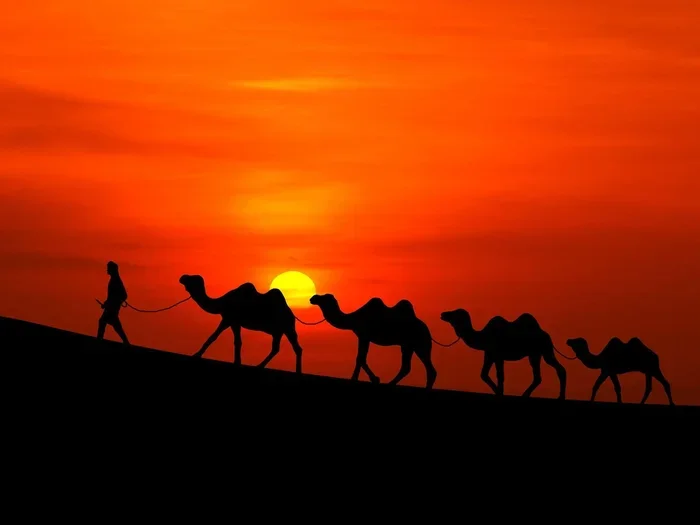
Featured image for Sahara Desert camels sunset
Image source: wallpaperaccess.com
A 3 day tour from Marrakech to Sahara Desert is the most popular way to experience Morocco’s iconic landscapes in a short time. This adventure takes you through the Atlas Mountains, ancient kasbahs, and ends with a magical camel trek into the Erg Chebbi dunes. Perfect for travelers with limited time, this journey blends culture, adventure, and authentic Berber hospitality.
Picture this: you’re riding a camel through towering golden dunes, the sun setting behind you in a blaze of orange and pink. Around you, endless waves of sand stretch to the horizon. That night, you sleep under a blanket of stars so bright it feels like you could reach up and touch them.
This isn’t a dream. It’s exactly what awaits you on a 3 day tour from Marrakech to Sahara Desert. Morocco’s most iconic adventure has been captivating travelers for decades, and for good reason. In just three days, you can journey from the bustling medinas of Marrakech to the silence of the Sahara, crossing mountains, valleys, and ancient trading routes along the way.
Whether you’re a solo backpacker, a couple seeking romance, or a family looking for adventure, this tour delivers memories that last a lifetime. Let me walk you through everything you need to know to make your Saharan adventure unforgettable.
Key Takeaways
- Optimal Duration: Three days is the sweet spot for reaching the Sahara from Marrakech without feeling rushed.
- Scenic Route: The journey crosses the High Atlas Mountains via the stunning Tizi n’Tichka pass at 2,260 meters.
- Camel Trek: Riding a camel into the Erg Chebbi dunes at sunset is the highlight most travelers cherish forever.
- Desert Camping: Overnight stays in traditional Berber camps offer authentic cultural experiences under star-filled skies.
- Best Season: October through April offers the most comfortable temperatures for desert exploration.
- Distance Covered: The round trip covers roughly 1,000 kilometers through diverse Moroccan landscapes.
- Group Options: Tours range from budget shared groups to private luxury experiences with various comfort levels.
📑 Table of Contents
- What Exactly Is a 3 Day Marrakech to Sahara Tour?
- Who Is This Tour Perfect For?
- What Will You Actually See and Do?
- Where Will You Stay?
- When Is the Best Time to Go?
- How Much Does It Cost and What’s Included?
- Essential Tips for an Amazing Experience
- Frequently Asked Questions
- Final Thoughts on Your Saharan Adventure
What Exactly Is a 3 Day Marrakech to Sahara Tour?
A 3 day tour from Marrakech to Sahara Desert is a guided overland journey that takes you from the imperial city of Marrakech to the edge of the Erg Chebbi or Erg Chigaga sand seas. Think of it as a curated road trip through Morocco’s most spectacular scenery, with every stop, meal, and experience planned for you.
The Classic Route Explained
The most popular route follows a loop that looks like this on a map: Marrakech → Atlas Mountains → Ait Benhaddou → Ouarzazate → Todra or Dades Valley → Merzouga (Sahara) → return via different roads. It’s roughly 500 kilometers one way, winding through landscapes that change every few hours.
Imagine driving through a movie set. That’s what the first day feels like. The route passes through Berber villages clinging to hillsides, past kasbahs (fortified houses) that look frozen in time, and through valleys filled with pink roses and palm trees.
Why Three Days Is the Magic Number
You might wonder: why not one day, or five? One day is simply too far, you can’t reach the Sahara and back in 24 hours without rushing. Five days is lovely but unnecessary for most travelers. Three days gives you the perfect balance: time to actually experience the desert without spending your whole vacation in a van.
Think of it like this: one day is a snapshot, three days is a photo album, and five days is a documentary. Most travelers want the photo album.
Who Is This Tour Perfect For?
The beauty of a 3 day Marrakech to Sahara tour is that it appeals to almost everyone. But some travelers love it more than others.
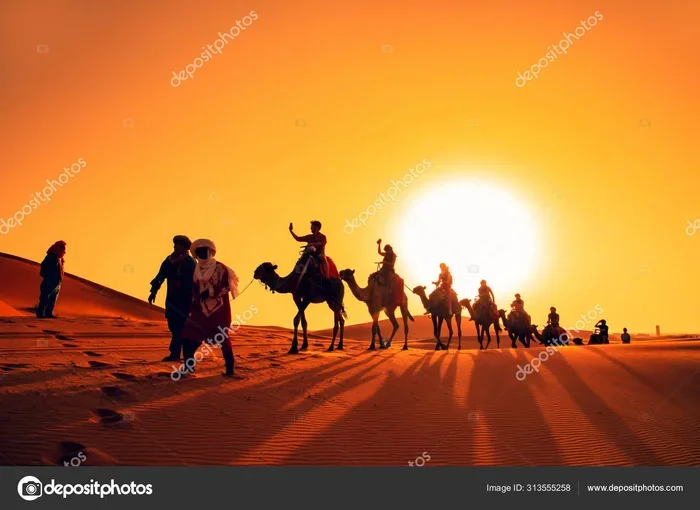
Visual guide about Sahara Desert camels sunset
Image source: st4.depositphotos.com
Adventure Seekers and Nature Lovers
If you crave landscapes that make your jaw drop, this tour delivers. The High Atlas Mountains rival the Alps in drama. The Todra Gorge has 400-meter cliffs that tower above you like cathedral walls. And the Sahara, well, the Sahara needs no introduction.
Culture Enthusiasts
Morocco’s indigenous Berber people (also called Amazigh) have lived in these regions for thousands of years. Along your route, you’ll visit kasbahs, traditional markets, and possibly share mint tea with a nomadic family. It’s like stepping into a living museum, except the exhibits are real people living their daily lives.
Couples and Honeymooners
Sunset camel rides and starlit desert dinners have made this route one of Africa’s most romantic adventures. Many tour operators offer private upgrades with luxury desert camps featuring private tents, en-suite bathrooms, and even four-poster beds in the sand.
Photography Fanatics
From the kasbah of Ait Benhaddou (a UNESCO World Heritage Site featured in Gladiator and Game of Thrones) to the play of light on dune crests, your camera will work overtime. The constantly changing light and colors make this a photographer’s paradise.
Who Might Want a Different Option?
If you have mobility issues, the long drives and camel rides might be challenging. Also, if you’re traveling with very young children, consider a shorter version or private tour with extra comfort stops. Pregnant travelers in later stages should also consult their doctor before booking.
What Will You Actually See and Do?
Let me paint a picture of your three days, hour by hour, so there are no surprises.
Day 1: Mountains, Movies, and Valleys
Your adventure begins early, usually around 7:00 or 8:00 AM, when your guide picks you up from your Marrakech riad or hotel. The first stop is the Tizi n’Tichka mountain pass. At 2,260 meters above sea level, the views are breathtaking.
Did You Know? The Atlas Mountains stretch across three countries (Morocco, Algeria, and Tunisia) and contain some of Africa’s highest peaks. Mount Toubkal, also in Morocco, stands at 4,167 meters.
After crossing the mountains, you descend into a landscape that feels like another planet. The road winds through the Ounila Valley, dotted with crumbling kasbahs and traditional mud-brick villages. Your guide will stop at the famous Ait Benhaddou, a UNESCO-listed fortified village that has served as a backdrop for over 20 Hollywood films including Lawrence of Arabia, The Mummy, and Gladiator.
You’ll have lunch in Ouarzazate, often called the “Hollywood of Africa” because of its film studios. Then it’s on to the dramatic Todra Gorge or Dades Valley, depending on your route. These towering rock formations and lush oases set the stage for tomorrow’s desert adventure. You overnight in a traditional hotel or kasbah.
Day 2: Into the Sahara
This is the day you’ve been waiting for. After breakfast, you continue toward Merzouga, watching the landscape transform from rocky plains to sandy desert. You’ll pass through towns like Erfoud, known for its fossils and date palms.
By late afternoon, you arrive at the edge of Erg Chebbi, where camels wait to carry you into the dunes. The trek takes about 60 to 90 minutes, timed to catch the sunset. There’s something almost magical about swaying on a camel’s back as the sun dips below the dunes.
Did You Know? Camels can drink up to 40 gallons of water in one go and survive for weeks without drinking. Their humps store fat, not water, which they convert to energy and moisture.
Your destination is a Berber desert camp, where traditional tents await. Here, you’ll enjoy a tagine dinner (a slow-cooked Moroccan stew), listen to Berber drumming around a campfire, and sleep under the stars. Some camps offer shared facilities; luxury camps provide private tents with proper beds and even showers.
Day 3: Sunrise and Return
Most travelers wake early to climb a nearby dune for sunrise. The silence of the Sahara at dawn is something you’ll never forget. After breakfast at camp, you ride camels back to the village.
The return journey to Marrakech takes a different route, often passing through the Draa Valley (Morocco’s longest river valley) or the town of Agdz. You’ll stop for lunch in the stunning Skoura palmery or similar oasis before arriving back in Marrakech by early evening, usually around 7:00 PM.
Where Will You Stay?
Accommodation on a 3 day Marrakech to Sahara tour ranges from basic to luxurious. Here’s what to expect at each level.
Budget Options (Shared Groups)
Standard shared tours typically include one night in a simple hotel or kasbah and one night in a traditional desert camp with shared bathrooms. Tents have mattresses, blankets, and pillows. It’s comfortable but no-frills. Perfect for backpackers and budget travelers.
Mid-Range Options
Mid-range tours feature nicer hotels with swimming pools, air conditioning, and en-suite bathrooms. Desert camps are upgraded to “comfort” camps with private tents, proper beds, and shared but clean bathroom facilities. Many travelers find this the sweet spot of comfort and authenticity.
Luxury Options
Luxury tours offer riad-style accommodations with spa facilities and gourmet meals. The desert camp is the famous “luxury desert camp” experience, think private tented suites with wooden floors, king-size beds, en-suite bathrooms with hot water, and sometimes even air conditioning. Private chefs prepare multi-course dinners under the stars.
When Is the Best Time to Go?
Timing can make or break your Sahara experience. Here’s what you need to know.
The Sweet Spot: October to April
These months offer comfortable temperatures ranging from 20°C to 28°C during the day. Nights in the desert can be cold (sometimes near freezing in winter), so pack layers. This is peak tourist season, so book ahead, especially for Christmas, New Year, and spring break.
Summer (May to September)
Summer temperatures in the Sahara regularly exceed 45°C (113°F). Sandstorms are also more common. While some tours operate year-round, most travelers find summer too uncomfortable. If you must travel in summer, opt for tours that include more time in air-conditioned vehicles and air-conditioned desert camps.
Shoulder Seasons (March-April and October-November)
These are arguably the best times. Temperatures are pleasant, crowds are thinner than peak winter, and the landscapes are beautiful. Spring brings wildflowers to the valleys; autumn offers harvest season and golden light perfect for photography.
Ramadan Considerations
If your tour falls during Ramadan, be aware that some restaurants and shops may have limited hours during the day. However, desert tours continue normally, and you’ll experience the special atmosphere of evening iftar (breaking of the fast) celebrations.
How Much Does It Cost and What’s Included?
Prices for a 3 day Marrakech to Sahara tour vary widely based on your choices.
Typical Price Ranges
- Budget shared tours: €100-180 per person
- Mid-range small group tours: €200-350 per person
- Private budget tours: €250-450 per person (2+ people)
- Luxury private tours: €500-1,200+ per person
What’s Usually Included
Standard inclusions cover: air-conditioned vehicle with driver/guide, two nights’ accommodation, breakfast and dinner daily, camel trek to/from the desert camp, and sandboarding in some tours. Hotel pickup and drop-off in Marrakech is also standard.
What’s Usually Not Included
Expect to pay extra for: lunch (most tours stop at restaurants where you choose and pay), drinks, entrance fees to certain attractions, tips for guides and drivers (customary, around €10-20 total for the tour), and personal shopping or souvenirs.
Hidden Costs to Watch For
Some operators charge extra for “comfort” desert camps or 4×4 transfer to the dunes instead of camel trekking. Always clarify exactly what’s included before booking. Reputable companies list every detail in writing.
Essential Tips for an Amazing Experience
After decades of travelers taking this route, here’s the wisdom you need to know before you go.
What to Pack
Pack layers. Desert temperatures swing wildly, cold at night, warm by midday. Essentials include: a warm jacket for evening, sunscreen and sunglasses, a headscarf or hat, comfortable walking shoes, a camera, a refillable water bottle, and a small flashlight for the camp. Leave fancy clothes at home; dust and sand are unavoidable.
Health and Safety
Morocco is generally very safe for tourists. The main concerns are sunburn and dehydration. Drink plenty of water, apply sunscreen regularly, and tell your guide about any health conditions. The roads are winding in the mountains, so if you’re prone to motion sickness, bring medication.
Choosing a Tour Operator
Read recent reviews on TripAdvisor, Viator, or GetYourGuide. Look for operators with at least 4.5-star ratings and hundreds of reviews. Ask specifically about the size of the group, the type of desert camp, and what’s included. Reputable companies include Mystic Desert Tours, Sahara Discovery, and many smaller local operators.
Photography Tips
The light in the Sahara is incredible but harsh midday. Golden hour (sunrise and sunset) is when the dunes truly glow. Bring extra batteries and memory cards; dust and cold nights can drain batteries faster than normal.
Respecting Local Culture
Morocco is a Muslim country. Dress modestly, especially when visiting villages and kasbahs. Ask permission before photographing people. Learn a few Arabic or Berber phrases like “salaam alaikum” (peace be upon you). These small gestures earn big smiles.
Tipping Etiquette
Tipping is appreciated but not mandatory. A general guide: €5-10 per day for your driver/guide, €5-10 total for camp staff, €1-2 for restaurant servers if service isn’t included. Always tip in local currency when possible.
Frequently Asked Questions
Is a 3 day Marrakech to Sahara tour worth it?
Absolutely. Three days is the ideal duration to experience the Sahara’s magic without rushing. You’ll cross stunning landscapes, visit iconic sites like Ait Benhaddou, and have a full desert experience including camel trekking and overnight camping. Most travelers rate this as a highlight of their Morocco trip.
Do I need to be fit to do this tour?
Basic fitness is sufficient. The camel ride is gentle and short, and the dunes around camp are walkable for most people. If you have mobility issues, inform your tour operator in advance so they can arrange easier alternatives, including 4×4 transfer instead of camels.
Can children join the tour?
Yes, children over 5 usually enjoy the adventure. Kids love the camel rides and the novelty of sleeping in the desert. Some operators offer family-friendly departures. Bring extra snacks, entertainment, and warm layers for little ones.
Is the camel ride safe?
Yes. Camels are well-trained, and guides lead them carefully. The ride is slow and steady. Pregnant women, people with back problems, or those with severe mobility issues should consider skipping the camel portion and opting for 4×4 transfer to camp.
Will I have phone signal and Wi-Fi?
Phone signal is available in most towns along the route, but disappears in the deep desert. Most desert camps offer Wi-Fi now, though it’s often slow. Consider this a digital detox opportunity, one of the best parts of being in the Sahara!
What’s the food like on the tour?
Delicious! Meals typically include Moroccan classics like tagine (slow-cooked stew with chicken, lamb, or vegetables), couscous, fresh bread, salads, and mint tea. Berber camps often serve traditional meals around a communal table. Vegetarian options are widely available with advance notice.
Final Thoughts on Your Saharan Adventure
A 3 day tour from Marrakech to Sahara Desert isn’t just a trip; it’s a transformation. You leave the chaos of Marrakech behind and return with a camera full of stunning photos, a heart full of memories, and a story you’ll tell for years.
The combination of dramatic mountain passes, ancient kasbahs, lush valleys, and endless dunes creates an experience that few places on Earth can match. Add the warmth of Berber hospitality, the rhythm of camel trekking, and the silence of starlit nights, and you have the perfect adventure.
Whether you choose a budget group tour or a private luxury experience, the magic of the Sahara remains the same. Book with a reputable operator, pack your sense of adventure, and prepare for one of the most incredible journeys of your life.
The desert is calling. Are you ready to answer?