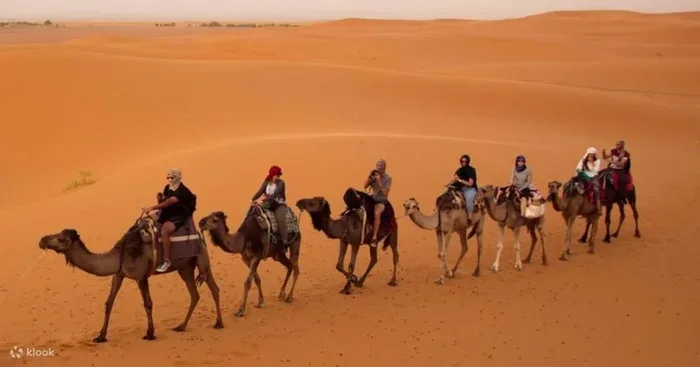
Featured image for Marrakech to Erg Chebbi tour
Image source: res.klook.com
A 14-day tour from Marrakech to Erg Chebbi is the ultimate way to experience Morocco’s diverse landscapes. This journey takes you from bustling medinas to towering mountains, ending with unforgettable camel treks into the Sahara Desert. Perfect for travelers seeking adventure, culture, and authentic Moroccan hospitality in one unforgettable trip.
Imagine waking up to the sound of waves crashing against ancient medina walls, then watching the sun set over golden sand dunes that stretch farther than your eyes can see. A 14-day tour from Marrakech to Erg Chebbi offers exactly this kind of magical contrast. It is not just a trip. It is a journey through time, culture, and some of the most stunning landscapes on Earth.
Morocco sits at the crossroads of Africa and Europe, where the Atlantic Ocean meets the Sahara Desert. This two-week adventure packs in vibrant cities, snow-capped mountains, fertile valleys, and the endless sea of sand that has captivated travelers for centuries. From the moment you step into the chaotic beauty of Marrakech to your final night sleeping under the stars in Erg Chebbi, every day brings something new.
Whether you are a solo traveler, a couple seeking romance, or a family looking for an educational vacation, this comprehensive guide covers everything you need to know. We will break down the route, highlight must-see attractions, share practical tips, and help you decide if this adventure is right for you. Let us dive into the journey of a lifetime.
Key Takeaways
- Comprehensive Route: A 14-day itinerary covers Marrakech, the Atlas Mountains, Sahara Desert, and several imperial cities.
- Sahara Highlight: Erg Chebbi features dunes up to 150 meters tall, offering world-class camel trekking and stargazing.
- Best Travel Seasons: Spring (March-May) and autumn (September-November) provide the most comfortable temperatures.
- Cultural Immersion: The tour includes stays in riads, traditional Berber camps, and visits to UNESCO World Heritage Sites.
- Adventure Activities: Beyond camel rides, expect hiking, sandboarding, and exploring ancient kasbahs.
- Budget-Friendly Option: Two-week tours offer better value than shorter trips, with prices typically ranging from $1,000-$2,500 per person.
- Small Group Advantage: Tours with 8-12 travelers provide intimate experiences while maintaining reasonable costs.
📑 Table of Contents
- What Is a 14-Day Marrakech to Erg Chebbi Tour?
- When Is the Best Time to Travel?
- Why Choose a 14-Day Tour Instead of Shorter Options?
- The Detailed 14-Day Itinerary
- What to Pack for Your 14-Day Adventure
- How Much Does a 14-Day Tour Cost?
- Essential Tips for a Memorable Experience
- Choosing the Right Tour Operator
- Common Mistakes to Avoid
- Final Thoughts on Your 14-Day Moroccan Adventure
What Is a 14-Day Marrakech to Erg Chebbi Tour?
A 14-day tour from Marrakech to Erg Chebbi is a guided or semi-guided journey that traverses Morocco from north to south, or rather from west-central Morocco deep into the Sahara Desert. The trip typically covers 1,800 to 2,200 kilometers, depending on the specific route and side excursions included. Think of it as a grand tour that hits all the highlights while leaving enough time for spontaneous discoveries.
Who Is This Tour For?
This extended journey appeals to several types of travelers. Adventure seekers love the mix of hiking, camel trekking, and desert camping. Culture enthusiasts appreciate the deep dives into Berber, Arab, and French colonial heritage. Photographers find endless inspiration in the changing landscapes. Even relaxed travelers enjoy the variety, since each day offers a different experience without requiring extreme physical exertion.
What Does the Itinerary Include?
Most 14-day tours include accommodation, breakfast and dinner daily, ground transportation in air-conditioned vehicles, English or French-speaking guides, camel treks, and entrance fees to major monuments. Some packages also include cooking classes, traditional music performances, or henna sessions. You will typically visit cities like Marrakech, Ait Benhaddou, Ouarzazate, Todra Gorge, Erfoud, Merzouga, and sometimes Fez or Chefchaouen as add-ons.
Where Does the Journey Begin and End?
The tour almost always starts in Marrakech, Morocco’s fourth-largest city and a major international hub with an easy-to-reach airport. The endpoint varies. Some tours loop back to Marrakech, while others end in Fez or Casablanca. The classic Erg Chebbi tour usually returns to Marrakech, creating a roughly circular route through the desert.
When Is the Best Time to Travel?
Timing matters enormously when planning a Sahara adventure. The desert experiences extreme temperatures, so choosing the right season makes the difference between a dream vacation and a miserable one.
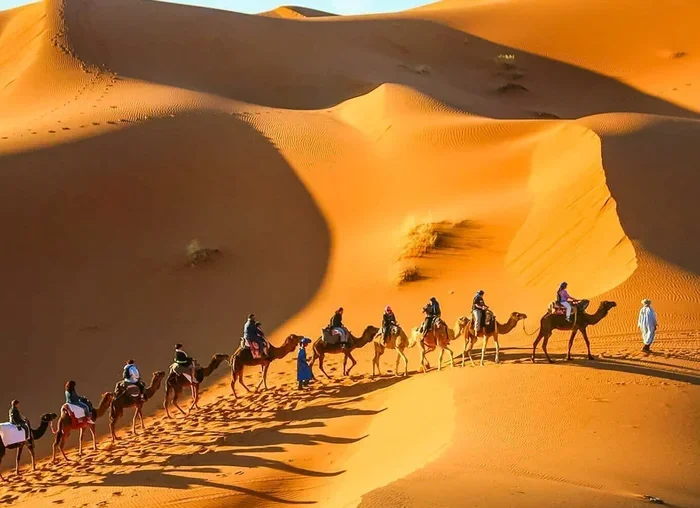
Visual guide about Marrakech to Erg Chebbi tour
Image source: mediaim.expedia.com
Ideal Seasons: Spring and Autumn
The best windows are mid-March through May and September through mid-November. During these months, daytime temperatures in the desert range from 25°C to 32°C (77°F to 90°F), while nights cool down to a comfortable 10°C to 15°C (50°F to 59°F). The Atlas Mountains might still have snow in early spring, creating spectacular photo opportunities as you cross the passes.
Summer Warnings
June through August can see desert temperatures soar above 45°C (113°F). Sandboarding and camel trekking become physically taxing, and even locals retreat indoors during midday. If summer is your only option, choose a tour that prioritizes early morning activities and provides plenty of air-conditioned rest stops.
Winter Considerations
December through February brings surprisingly cold desert nights, with temperatures dropping below freezing in Erg Chebbi. However, days remain pleasant around 18°C to 22°C (64°F to 72°F). Winter travelers enjoy fewer crowds and lower prices, but should pack warm sleeping bags and thermal layers for desert camping.
Did You Know?
The Sahara Desert covers an area roughly the size of the United States. Yet Morocco’s Erg Chebbi dunes represent just a tiny fraction of this vast ecosystem. Despite the name “desert,” the Sahara actually receives some rainfall almost every year, sometimes triggering spectacular wildflower blooms in spring.
Why Choose a 14-Day Tour Instead of Shorter Options?
You might wonder why spend two full weeks when 3-day or 7-day desert tours exist. The answer lies in the richness of the experience.
Depth Over Speed
A shorter tour rushes you through highlights, often spending just one night in the desert. A 14-day itinerary allows you to truly absorb each location. You can linger in a medina souk, share mint tea with a Berber family, watch a sunset twice from different dune vantage points, and still have time for that spontaneous side hike you heard about from fellow travelers.
Better Value for Money
Longer tours cost more upfront, but the daily rate drops significantly. A 3-day desert tour might cost $200 per day, while a 14-day tour averages $120 to $180 per day. You also save on international flights by spending two weeks in one country rather than taking multiple shorter trips over several years.
Reduced Travel Fatigue
Counterintuitively, a slower-paced 14-day tour feels less exhausting than back-to-back short trips. You settle into a rhythm, learn your guide’s preferences, build friendships with fellow travelers, and avoid the constant packing and airport stress that come with frequent travel.
Access to Remote Locations
Some of Morocco’s most stunning spots lie far from standard tourist circuits. The blue village of Chefchaouen, the Todra Gorge cliffs, the ancient kasbahs along the Route of a Thousand Kasbahs, and the Draa Valley palm groves all benefit from extra days. Two weeks lets you reach these gems without feeling rushed.
The Detailed 14-Day Itinerary
While every tour operator structures their trip slightly differently, the following breakdown represents a classic and comprehensive route. Think of it as a framework that ensures you see the best of Morocco.
Days 1-2: Marrakech Exploration
Begin your journey in Marrakech, a city that overwhelms the senses in the best possible way. Your first day covers the essentials: the sprawling Jemaa el-Fnaa square where snake charmers, musicians, and food stalls create daily theater; the intricate Bahia Palace with its carved ceilings and peaceful courtyards; and the Saadian Tombs hidden for centuries behind the Royal Palace. Day two explores the Majorelle Garden, the Yves Saint Laurent Museum, and the labyrinthine souks where bargaining is part of the fun.
Pro tip: Give yourself at least one afternoon to simply sit at a café overlooking Jemaa el-Fnaa and watch life unfold. The square transforms dramatically from day to night.
Days 3-4: Atlas Mountains and Ait Benhaddou
Day three takes you over the Tizi n’Tichka pass in the High Atlas Mountains, reaching elevations of 2,260 meters (7,415 feet). The winding road reveals Berber villages clinging to hillsides and panoramic views that explain why this region is called “the roof of North Africa.” Stop at a local argan oil cooperative to see how goats climb trees (yes, really) and how women extract the precious oil by hand.
Day four explores Ait Benhaddou, a UNESCO World Heritage Site that has served as a backdrop for films like Gladiator, Lawrence of Arabia, and Game of Thrones. Walk through the ancient clay kasbah, cross the river, and climb to the top for sweeping views. Many tours then continue to Ouarzazate, known as the “Hollywood of Africa” for its film studios.
Days 5-6: Todra Gorge and Dades Valley
Heading east, day five brings you to the Todra Gorge, where limestone cliffs rise 400 meters (1,312 feet) on either side of a narrow canyon. Rock climbers come from around the world to tackle the challenging routes, while casual visitors enjoy walking between the towering walls and meeting local Berber families in nearby villages.
Day six moves through the Dades Valley, sometimes called the “Valley of a Thousand Kasbahs” for its concentration of ancient fortified granaries. The rose gardens of Kelaa M’Gouna perfume the air in spring, and you’ll see kasbah ruins perched dramatically on hilltops throughout the region.
Days 7-8: Erfoud and the Pre-Saharan Region
By day seven, you reach Erfoud, a gateway town to the Sahara. Here, you might visit fossil workshops where ancient sea creatures are transformed into decorative items, or explore the nearby Date Palm groves that produce some of Morocco’s finest dates. Many tours include a stop at a traditional market or share a meal with a desert family.
Day eight serves as a transition day, with stops at Hassi Labyad, a seasonal lake that attracts flamingos and migratory birds, and Merzouga, the small village that sits at the edge of Erg Chebbi.
Days 9-10: The Heart of Erg Chebbi
This is the highlight of your journey. On day nine, you transfer to camels (or 4×4 vehicles if you prefer) and trek into the dunes of Erg Chebbi. The towering Erg Chebbi dunes reach heights of 150 meters (492 feet), and the most famous is the towering peak that changes color throughout the day from pale gold to deep orange to soft pink.
Your desert camp offers traditional Berber tents with surprisingly comfortable mattresses, shared facilities, and genuine tagine dinners cooked over open fires. After dinner, Berber musicians perform around a campfire, drums echoing across the silent dunes. The stars overhead are simply indescribable, and you can see the Milky Way with the naked eye.
Day ten allows you to climb a dune at sunrise, try sandboarding down the slopes, or simply relax with mint tea before returning to Merzouga.
Days 11-12: The Draa Valley and Anti-Atlas
The return journey west takes you through the Draa Valley, Morocco’s longest river valley, lined with millions of date palms. Ancient kasbahs and underground irrigation systems (called “khettaras”) showcase centuries of Berber ingenuity. Day twelve crosses the Anti-Atlas Mountains, with stops at traditional Berber villages and possibly a visit to a local school or women’s cooperative.
Days 13-14: Return to Marrakech or Departure
The final days return to Marrakech through the scenic Toubkal foothills or via a different route through Taroudant and the Souss Valley. Some tours end in Marrakech on day 13, leaving day 14 for a final shopping spree, a hammam spa experience, or departure preparations. Others continue onward to Chefchaouen or Fez for an additional cultural layer.
What to Pack for Your 14-Day Adventure
Packing smart makes the difference between enjoying your trip and struggling through it. Morocco’s varied climates require careful planning.
Clothing Essentials
Bring modest, breathable clothing that covers shoulders and knees, especially for visiting religious sites. Lightweight long-sleeved shirts protect against sun and respect local customs. Pack a warm fleece or jacket for desert nights even in spring, since temperatures drop dramatically after sunset. Comfortable walking shoes handle cobblestone medinas, while sandals work for desert camps. A scarf or shemagh serves multiple purposes: sun protection, warmth, and a respectful head covering when needed.
Health and Comfort Items
High-SPF sunscreen, a wide-brimmed hat, and quality sunglasses are non-negotiable for desert days. Hand sanitizer and wet wipes help when facilities are limited. A small first-aid kit with blister treatment, pain relievers, and anti-diarrheal medication provides peace of mind. Reusable water bottles reduce plastic waste and keep you hydrated.
Gadgets and Documents
A camera with extra batteries captures the stunning landscapes, though phone cameras work well too. A portable power bank keeps devices charged during long drives. Pack photocopies of your passport and travel insurance separately from the originals. A universal adapter handles Moroccan outlets (Type C and E).
Did You Know?
Morocco is one of the world’s top three producers of argan oil, sometimes called “liquid gold.” The oil is extracted from the nuts of the argan tree, which grows almost exclusively in southwestern Morocco. Goats love climbing these trees to eat the fruit, creating those famous photos you’ve probably seen of goats perched in branches.
How Much Does a 14-Day Tour Cost?
Prices vary widely based on accommodation standards, group size, and inclusions. Understanding the breakdown helps you choose wisely.
Budget Tier: $1,000-$1,500
Budget tours typically use shared accommodation in standard riads and basic desert camps. Group sizes run 15-20 travelers, and transportation uses larger minibuses. Meals are simple but filling, featuring tagines, couscous, and fresh bread. This tier suits backpackers, students, and travelers prioritizing experience over luxury.
Mid-Range Tier: $1,500-$2,500
Mid-range tours offer the best value for most travelers. Groups stay smaller (8-12 people), accommodation includes charming riads with pools, and desert camps feature private tents with proper beds. Guides tend to be more experienced and English fluency improves. Many tours in this range include extras like cooking classes or private cultural experiences.
Luxury Tier: $2,500-$5,000+
Luxury tours provide premium vehicles, boutique riads, and exclusive desert camps with en-suite bathrooms and four-poster beds. Private guides, personal drivers, and flexible itineraries define this tier. Some luxury operators arrange hot air balloon rides over the Atlas Mountains or private camel treks at sunrise. This category suits honeymooners, special occasions, and travelers seeking maximum comfort.
What’s Typically Not Included
International flights, travel insurance, lunch (dinner and breakfast are usually included), alcoholic beverages, souvenirs, tips for guides and drivers, and optional activities like quad biking or hot air ballooning fall outside most tour prices. Budget an additional $300-$600 for these extras.
Essential Tips for a Memorable Experience
Beyond the logistics, certain approaches make your journey truly transformative.
Embrace the Unexpected
Things will not always go according to plan. Roads might close, weather might shift, or you might get invited to an unexpected celebration. The best travelers say yes to these moments, and the memories become the highlights of their trip. Morocco rewards flexibility and curiosity over rigid schedules.
Learn Basic Arabic Phrases
Saying “Salaam alaikum” (peace be upon you) opens doors. “Shukran” (thank you), “La, shukran” (no, thank you), and “Bslama” (goodbye) show respect. You do not need fluency, but effort matters deeply in Moroccan culture and often results in warmer interactions and better prices in souks.
Respect Local Customs
Modest dress, especially for women, demonstrates cultural sensitivity. Ask permission before photographing people. Avoid public displays of affection. Friday is the holy day in Islam, and some shops close during prayer times. During Ramadan, eating publicly during daylight hours is considered disrespectful.
Bargain with a Smile
Bargaining in medina souks is expected, but it should always be friendly. Start at roughly 40-50% of the asking price and meet somewhere in the middle. Walking away is often the best tactic. If you cannot agree on a price, simply move on. Vendors will frequently call you back with a better offer.
Stay Hydrated and Rested
The combination of heat, new foods, and constant walking can exhaust even seasoned travelers. Drink water continuously, take afternoon breaks when possible, and listen to your body. The trip is a marathon, not a sprint.
Choosing the Right Tour Operator
Your experience depends heavily on who you book with. Several factors separate excellent operators from mediocre ones.
Check Reviews and Reputation
Read recent reviews on TripAdvisor, Google, and independent travel forums like Lonely Planet’s Thorn Tree. Look for consistent feedback about guide quality, vehicle condition, and problem resolution. Operators with thousands of reviews and 4.5+ star averages generally deliver reliable experiences.
Ask About Group Size
Smaller groups mean more personalized attention, better access to remote locations, and more flexibility. Large groups (20+) often feel rushed and crowded. The sweet spot for most travelers is 8-12 people.
Verify Inclusions Carefully
Some tours advertise low prices but hit you with extras at every turn. Read the fine print and ask specifically about entrance fees, meals, drinks, and activities. Reputable operators provide detailed breakdowns and answer questions transparently.
Confirm Guide Qualifications
Your guide shapes your entire experience. Look for operators who employ licensed guides with strong language skills and deep local knowledge. Many excellent guides have studied tourism formally and can explain history, religion, and culture in ways that bring Morocco to life.
Understand Cancellation Policies
Life happens, and flexible cancellation policies provide peace of mind. Avoid operators requiring 100% payment months in advance without reasonable cancellation terms. Reputable companies offer partial refunds or credits for cancellations made 30-60 days before departure.
Common Mistakes to Avoid
Even experienced travelers make errors in Morocco. Learning from others saves headaches.
Underestimating Distances
Morocco looks small on a map, but mountain roads are slow and winding. What appears to be a 200-kilometer drive often takes four or five hours. Do not try to fit too many stops into a single day.
Ignoring Altitude Effects
The Atlas passes exceed 2,000 meters. Some travelers experience mild altitude symptoms like headaches or shortness of breath. Drink extra water, avoid alcohol for the first 24 hours, and take it easy.
Drinking Tap Water
Stick to bottled or filtered water throughout your trip. Avoid ice in drinks unless you trust the source. Even salads washed in tap water can cause issues. Many travelers bring water purification tablets as backup.
Trusting GPS Blindly
Google Maps works in major cities but becomes unreliable in rural areas. Your tour driver and guide know these roads far better than any app. Trust local knowledge, especially when exploring medina alleys where GPS simply cannot navigate.
Over-Tipping or Under-Tipping
Tipping customs confuse many visitors. Generally, budget $3-$5 per day for drivers, $5-$10 per day for guides, and $1-$2 for restaurant staff. Riad and hotel staff appreciate small tips for carrying luggage or extra services. Tip in dirhams when possible.
Final Thoughts on Your 14-Day Moroccan Adventure
A 14-day tour from Marrakech to Erg Chebbi represents far more than a vacation. It is an immersion into one of the world’s most fascinating cultures, a journey through landscapes that range from Mediterranean coast to Saharan dunes, and an opportunity to disconnect from daily routines while reconnecting with adventure.
The memories you create will stay with you forever: watching the sunrise paint the dunes gold, sharing bread with a Berber family in a remote village, losing yourself in the sensory overload of a Marrakech souk, or simply lying on a desert rooftop counting shooting stars. These experiences transform how you see the world and your place in it.
Whether you travel solo, with a partner, or with family, this journey rewards those who come with open minds and open hearts. Morocco has welcomed travelers for centuries, and it continues to offer lessons in hospitality, resilience, and beauty that transcend language and borders.
Book your tour with confidence, pack thoughtfully, embrace the unexpected, and prepare for an adventure that will exceed your expectations. The road from Marrakech to Erg Chebbi awaits, and it promises to be one of the most rewarding paths you will ever walk.
Frequently Asked Questions
How long does it take to drive from Marrakech to Erg Chebbi?
The direct drive from Marrakech to Erg Chebbi takes approximately 9-10 hours, covering about 560 kilometers. Most tours spread this journey over 3-4 days to allow for scenic stops, cultural experiences, and avoiding driver fatigue. The route crosses the Atlas Mountains and passes through multiple climate zones.
Is a 14-day tour from Marrakech to Erg Chebbi suitable for families with children?
Yes, this tour works well for families with children aged 6 and above. Kids especially love the camel rides, sandboarding, and stargazing in the desert. Choose operators experienced with family groups, and ensure the itinerary includes shorter driving days with engaging activities for younger travelers.
What is the difference between Erg Chebbi and Erg Chigaga?
Erg Chebbi features dunes up to 150 meters tall near Merzouga, while Erg Chigaga has taller dunes up to 300 meters near M’Hamid. Erg Chebbi is more accessible, more developed for tourism, and typically included in standard tours. Erg Chigaga requires 4×4 vehicles and offers a more remote, rugged experience.
Do I need a visa for Morocco?
Most Western visitors, including citizens of the US, UK, Canada, EU, and Australia, do not need a visa for stays under 90 days. You will receive a tourist stamp upon arrival. Always check current requirements with your local Moroccan embassy, as rules occasionally change.
What language do guides speak on these tours?
Most tour guides speak English, French, and Arabic fluently. Some also speak Spanish, German, or Italian depending on the client base. Berber languages like Tashelhit and Tamazight are spoken in many rural areas, but guides typically translate as necessary for travelers.
Is it safe to travel to Morocco right now?
Morocco is generally very safe for tourists, with violent crime against visitors being extremely rare. The main concerns are petty theft in crowded souks and occasional scams involving unofficial guides. Traveling with a reputable tour operator significantly reduces these risks. Check your government’s travel advisories for the most current information.