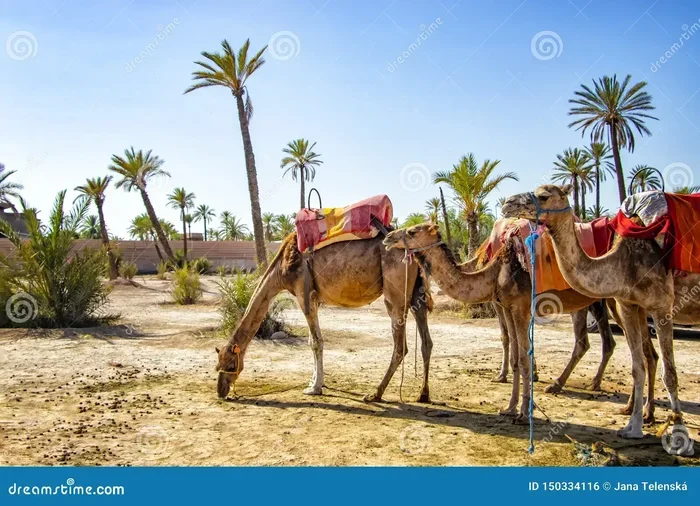
Featured image for Marrakech Sahara camels
Image source: thumbs.dreamstime.com
A private 3 day tour from Marrakech to the Sahara Desert is the ultimate way to experience Morocco’s most breathtaking landscapes in comfort and style. This carefully crafted journey takes you from the bustling souks of Marrakech through the Atlas Mountains, past ancient kasbahs, and into the golden dunes of Merzouga or Zagora. You’ll enjoy camel treks, traditional Berber hospitality, and unforgettable starlit nights in the desert — all customized to your pace and interests with a dedicated driver and guide.
Imagine trading the honking scooters and aromatic spice stalls of Marrakech for the silent, rolling dunes of the Sahara — all in just three days. A private 3 day tour from Marrakech to Sahara Desert is more than a trip; it’s a once-in-a-lifetime adventure that fits neatly into a short vacation window. With your own driver, a custom itinerary, and the freedom to stop wherever curiosity pulls you, this journey unlocks Morocco’s most magical corners without the stress of planning every detail yourself.
Did you know that the Sahara Desert covers roughly 9.2 million square kilometers, making it the largest hot desert in the world? Yet most travelers only experience a tiny sliver of it — and that sliver happens to be one of the most stunning parts: the Moroccan Sahara. Whether you’re a solo traveler seeking solitude, a couple chasing romance, or a family building memories, this trip delivers something for everyone.
Think of this tour as a sampler platter of Morocco. You get the bustling city life of Marrakech, the jaw-dropping mountain passes of the Atlas, the Hollywood-famous kasbahs, ancient oases, and the star-filled silence of the desert — all stitched together in one unforgettable ride.
Key Takeaways
- Itinerary Flexibility: Private tours let you set your own pace, stop where you want, and customize each day — unlike group tours with rigid schedules.
- Two Main Sahara Routes: Most tours head to either Merzouga (Erg Chebbi dunes) or Zagora (Erg Chigaga dunes), each offering unique landscapes and experiences.
- What to Pack: Lightweight layers, sun protection, and a warm jacket for cold desert nights are essentials you should not forget.
- Activities Included: Camel rides at sunset, sandboarding, Berber music around campfires, and visits to UNESCO-listed Ait Ben Haddou are typical highlights.
- Best Travel Season: October through April offers the most comfortable temperatures, while summer months can exceed 45°C (113°F) in the desert.
- Cost Expectations: Private 3-day tours typically range from $250 to $600 per person depending on luxury level, inclusions, and group size.
- Cultural Etiquette: Asking permission before photographing locals and dressing modestly in villages shows respect for Moroccan traditions.
📑 Table of Contents
- Why Choose a Private Tour Instead of a Group Excursion?
- What Does a Typical 3-Day Itinerary Look Like?
- Which Sahara Route Should You Pick — Merzouga or Zagora?
- How Much Does a Private 3 Day Tour Cost?
- What Should You Pack for the Sahara Desert Trip?
- When Is the Best Time to Travel?
- Tips for Choosing the Right Tour Operator
- Conclusion: Is This Tour Worth It?
Why Choose a Private Tour Instead of a Group Excursion?
Let’s be honest — group tours have their perks. They’re cheaper, social, and easy to book. But they also come with compromises. You might be stuck with strangers who want to linger at a carpet shop while you’re itching to reach the dunes. Or you might find yourself crammed into a 16-seat minivan with limited legroom for eight hours straight.
A private 3 day tour from Marrakech to Sahara Desert solves all of that. You choose the vehicle, the pace, the stops, and even the music on the road. It’s like the difference between flying economy and having your own chartered plane — both get you there, but the experience is worlds apart.
Personalized Itinerary
Private tours mean you can swap a museum visit for a longer camel ride or add a cooking class in a Berber village. Want to watch the sunrise over the dunes instead of the sunset? No problem. Your driver becomes your personal concierge on wheels.
Comfort and Privacy
Most private tours use modern, air-conditioned 4×4 vehicles or comfortable minivans. You get window seats, charging ports, and the freedom to nap, chat, or just gaze at the landscape without distractions. For families with kids, this is a lifesaver.
Cultural Immersion
With a private guide, you can dive deeper into local culture. Ask about thatched-roof architecture, why mint tea is poured from such a height, or how Berber families have lived in these mountains for centuries. These conversations simply don’t happen in large groups.
What Does a Typical 3-Day Itinerary Look Like?
While every operator tailors their tours differently, most follow a similar route. Think of it like a recipe — the ingredients stay the same, but each chef adds their own spice.
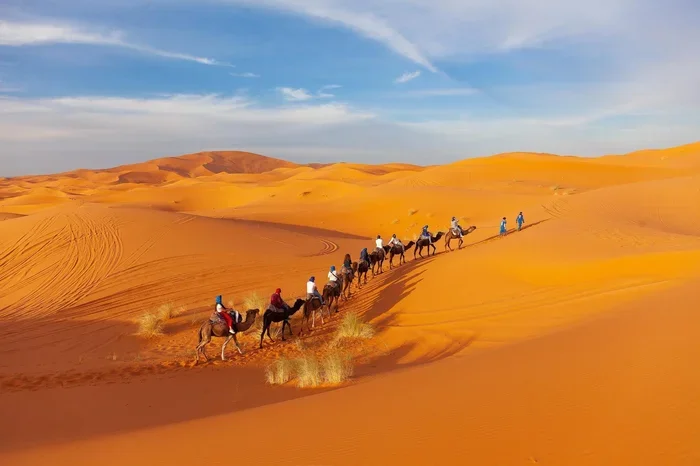
Visual guide about Marrakech Sahara camels
Image source: media.tacdn.com
Day 1: Marrakech to the Dades Valley (or Draa Valley)
Your adventure begins bright and early, usually around 7 or 8 a.m. After picking you up from your riad or hotel, you’ll cross the High Atlas Mountains via the stunning Tizi n’Tichka pass — sitting at 2,260 meters (7,415 feet), it’s one of the highest road passes in North Africa. Along the way, you’ll stop at a traditional Argan oil cooperative where women extract oil from nuts using methods unchanged for centuries.
Next comes the UNESCO World Heritage site of Ait Ben Haddou, a fortified village (ksar) that has served as the backdrop for films like Gladiator, Lawrence of Arabia, and Game of Thrones. Walking through its mud-brick alleys feels like stepping onto a movie set — because, in a way, you are.
By evening, you’ll reach the Dades or Draa Valley, famous for its dramatic rock formations called the “Monkey Fingers” and lush palm groves that look like a green ribbon snaking through the desert.
Day 2: Into the Sahara Desert
This is the day you’ve been waiting for. After breakfast, you’ll continue toward Merzouga or Zagora, depending on your chosen route. The landscapes shift dramatically — from rocky canyons to flat, sandy plains that seem to stretch forever.
By late afternoon, you’ll mount your camel (yes, they’re a bit awkward at first, but charming) and trek into the dunes of Erg Chebbi or Erg Chigaga. Watching the sun melt into the horizon while your camel sways gently beneath you is something no photograph can truly capture.
At the desert camp, you’ll be welcomed with mint tea, traditional tagine dinner, and live Berber drumming around a campfire. Then comes the real magic — sleeping under a sky so thick with stars it looks like someone spilled a jar of diamonds. Did you know that in the Sahara, you can see up to 5,000 stars on a clear night, compared to just a few hundred in a typical city?
Day 3: Return to Marrakech
Wake up early for sunrise over the dunes — trust us, it’s worth the 5 a.m. alarm. After breakfast at camp, you’ll either ride or 4×4 back to the meeting point and begin the journey back to Marrakech. The return route often includes stops in Ouarzazate (Morocco’s “Hollywood”), the Todra Gorge, or the Valley of the Roses, depending on your chosen path. You’ll arrive back in Marrakech by early evening, tired, dusty, and completely satisfied.
Which Sahara Route Should You Pick — Merzouga or Zagora?
Choosing between the two main desert gateways is like choosing between chocolate and vanilla ice cream — both are amazing, but they offer different flavors. Here’s a simple breakdown to help you decide.
Merzouga (Erg Chebbi Dunes)
Located about 9 hours from Marrakech, Merzouga offers the iconic tall, golden dunes you’ve probably seen in postcards. Some of these dunes rise up to 150 meters (492 feet) high. The area is more developed for tourism, meaning you’ll find a wider range of camps, from basic to ultra-luxury “glad” tents with private bathrooms and hot showers.
Zagora (Erg Chigaga Dunes)
Closer to Marrakech (about 7 hours), Zagora is more remote and less crowded. The dunes here are smaller but more dramatic in their isolation. If you want a true “off-the-beaten-path” feel and don’t mind fewer luxury options, Zagora is your pick. It’s also better for travelers short on time.
How Much Does a Private 3 Day Tour Cost?
Pricing can vary widely based on several factors, so let’s break it down simply.
Standard Private Tour
Expect to pay between $250 and $400 per person for a comfortable, mid-range experience. This typically includes transportation, driver/guide, one or two nights’ accommodation (hotel + desert camp), breakfast, and some dinners.
Luxury Private Tour
For $500 to $800+ per person, you can upgrade to luxury desert camps with en-suite bathrooms, private 4×4 transfers, gourmet meals, and even spa experiences. Think of it as glamping in the Sahara.
What’s Usually Included
Most packages cover vehicle and driver, fuel, accommodation, breakfast and dinner daily, camel trek, and sandboarding. Tips for drivers and guides (around 10-15% of the tour cost) are not usually included but are appreciated.
What’s Not Included
Lunch, drinks, entrance fees to certain sites, and personal expenses are typically extra. Some tours include lunch, so always ask in advance.
What Should You Pack for the Sahara Desert Trip?
Packing for the Sahara is a balancing act — daytime temperatures can soar to 35°C (95°F), while desert nights can plunge below 5°C (41°F). Here’s your cheat sheet.
Clothing
- Light layers: T-shirts, long-sleeved shirts, and a warm fleece or jacket for evenings.
- Comfortable pants: Jeans or hiking pants for cooler moments.
- Sun hat and scarf: A shemagh (traditional scarf) protects against sun and sand.
- Swimwear: Some hotels along the route have pools.
Essentials
- Sunscreen (SPF 30+): The desert sun is relentless.
- Sunglasses: Bring a sturdy pair to keep sand out.
- Reusable water bottle: Stay hydrated — aim for 3 liters per day.
- Power bank: Outlets can be scarce in remote areas.
- Headlamp: Handy for nighttime bathroom trips in the desert camp.
Optional but Recommended
- Camera with extra batteries: You’ll take hundreds of photos.
- Lip balm and moisturizer: The dry air can chap lips fast.
- Motion sickness pills: The mountain roads are winding.
When Is the Best Time to Travel?
Timing your trip right can make or break your experience. Imagine arriving in the Sahara during a sandstorm in July — not exactly the dream, right?
Peak Season: October to April
This is the sweet spot. Daytime temperatures are warm but manageable (20-28°C / 68-82°F), and desert nights are cool but not freezing. December and January can get chilly at night, dropping to 0°C (32°F) or below in some areas.
Shoulder Season: May and September
These months are still enjoyable but can be hot, especially toward the end of the day. Prices are often lower, and camps are less crowded.
Avoid: June to August
Summer in the Sahara is brutal. Temperatures regularly exceed 45°C (113°F), making daytime excursions exhausting and potentially unsafe. If summer is your only option, choose a tour that minimizes midday activities.
Tips for Choosing the Right Tour Operator
With dozens of companies offering private 3 day tours from Marrakech to Sahara Desert, choosing the right one can feel overwhelming. Here’s how to separate the gems from the duds.
Check Reviews and Reputation
Platforms like TripAdvisor, Google Reviews, and GetYourGuide are gold mines. Look for operators with at least 50 reviews and an average rating of 4.5 stars or higher. Read recent reviews to see how the company handles current conditions.
Ask About Inclusions Clearly
Vague descriptions like “comfortable accommodation” can mean anything. Ask specifically: Is the desert camp private or shared? Are meals included? What type of vehicle will be used?
Confirm Driver Language Skills
If you don’t speak Arabic or French, make sure your driver speaks English (or your preferred language). Many drivers are bilingual or even trilingual.
Compare Cancellation Policies
Life happens. Choose a company that offers flexible cancellation, ideally allowing free cancellation up to 48 hours before the tour starts.
Look for Sustainable Practices
Some operators partner with local Berber families for authentic experiences and reinvest in their communities. Choosing these companies helps preserve the culture you’re there to enjoy.
Conclusion: Is This Tour Worth It?
If you’re still on the fence, let me make it simple: yes, absolutely. A private 3 day tour from Marrakech to Sahara Desert is the most efficient, comfortable, and immersive way to experience Morocco’s most iconic landscapes. You’ll see snow-capped mountains, ancient kasbahs, lush valleys, and endless dunes — all while learning from local guides who grew up in these regions.
It’s also incredibly good value. For a few hundred dollars, you get transportation, lodging, meals, activities, and memories that will outlast any souvenir. Compare that to the cost of planning it yourself — rental cars, multiple hotel bookings, camel tour fees, and the headache of navigating rural Morocco — and the value becomes obvious.
So, is this trip right for you? If you love wide-open spaces, warm hospitality, and a touch of mystery, then pack your bags. The Sahara is calling — and trust me, you don’t want to miss this call.
Ready to start planning? Book your private 3 day tour from Marrakech to Sahara Desert today, and prepare for the adventure of a lifetime.
Frequently Asked Questions
Is a private 3 day tour from Marrakech to the Sahara Desert worth the cost compared to a group tour?
Absolutely. While group tours are cheaper, private tours offer unmatched flexibility, comfort, and cultural depth. You set the pace, choose your stops, and often stay in higher-quality accommodations. For couples, families, or anyone valuing personalization, the extra cost is well worth it.
What’s the difference between Merzouga and Zagora on these tours?
Merzouga features taller, more famous dunes (Erg Chebbi) and is about 9 hours from Marrakech, while Zagora offers smaller, more remote dunes (Erg Chigaga) and is closer at 7 hours. Merzouga is better for first-timers seeking the classic Sahara experience, while Zagora suits travelers wanting seclusion.
Do I need travel insurance for this tour?
Yes, travel insurance is highly recommended. It should cover medical emergencies, trip cancellations, and evacuation. Some remote desert areas have limited medical facilities, so comprehensive coverage ensures peace of mind during your adventure.
Can children join a private 3 day tour to the Sahara?
Children aged 5 and up generally do well on these tours, especially in private vehicles where parents can manage breaks and snacks. Camel rides are usually safe for kids, though some operators have age restrictions. Always inform your tour company about young travelers in advance.
What type of accommodation can I expect in the desert camp?
Desert camps range from basic shared tents with communal bathrooms to luxury “glamping” tents with private en-suite bathrooms, plush beds, and even electricity. Most private tours offer standard or upgrade options, so you can choose your comfort level.
Is it safe to ride camels in the Sahara?
Yes, camel rides are very safe when conducted by reputable operators. The camels are well-trained, and guides accompany you throughout. Pregnant travelers or those with severe back issues should consult their doctor before riding, as the motion can be uncomfortable.