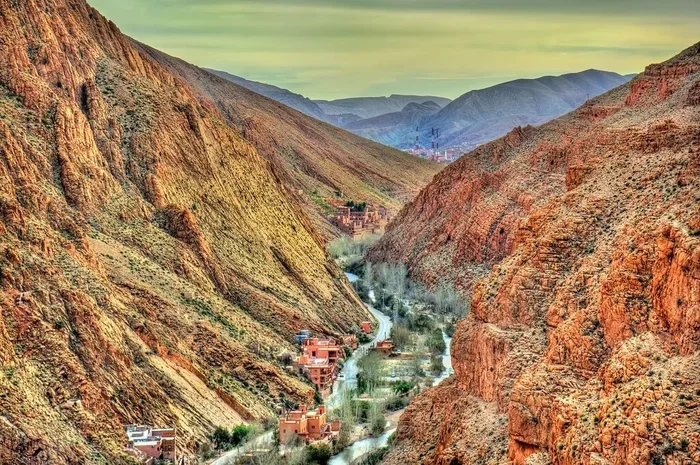
Featured image for Marrakech to Dades Valley landscape
Image source: cdn.kimkim.com
A 3-day excursion from Marrakech to the Dades Valley is one of Morocco’s most rewarding travel experiences, combining dramatic landscapes, ancient kasbahs, and authentic Berber culture. This guided journey typically crosses the High Atlas Mountains via the Tizi n’Tichka pass, winds through the UNESCO-listed Ait Benhaddou, and ventures into the rose-scented Dades Valley. Travelers can expect a mix of scenic drives, short hikes, and overnight stays in traditional riads, with optional camel treks and desert camps available. Ideal for those with limited time, this trip offers a comprehensive taste of southern Morocco’s most iconic sights.
Picture this: you wake up in the lively, rose-colored chaos of Marrakech, where donkey carts weave through narrow alleys and the call to prayer echoes off ancient walls. By sunset the next day, you’re standing on a ridge in the Dades Valley, watching golden light pour over a maze of red rock formations and green palm groves. That’s the magic of a 3-day excursion from Marrakech to the Dades Valley — a journey that packs an entire country of wonder into just 72 hours.
This route is one of Morocco’s most beloved circuits for good reason. It threads through some of the most spectacular scenery in North Africa, from the snow-dusted peaks of the High Atlas to the cinematic kasbahs of Ouarzazate, often called the “Hollywood of Africa.” Along the way, you’ll meet Berber families who have lived in these mountains for generations, taste tagines slow-cooked over open flames, and sleep beneath skies so thick with stars you’ll feel like you’re floating in space.
Whether you’re a first-time visitor to Morocco or a seasoned traveler seeking something beyond the imperial cities, this guide will walk you through everything you need to know. We’ll cover the route, the highlights, the practicalities, and the little details that turn a good trip into an unforgettable one. Think of this as your friendly roadmap to one of the world’s most photogenic corners.
Key Takeaways
- Route Overview: The classic Marrakech to Dades Valley loop covers roughly 700 km over three days, crossing the High Atlas via Tizi n’Tichka (2,260 m) and passing Ait Benhaddou, Ouarzazate, and the Rose Valley.
- Best Travel Season: Spring (March–May) and autumn (September–November) offer the most comfortable temperatures, blooming valleys, and clear skies for photography.
- Group vs. Private Tours: Shared group tours are budget-friendly (around €120–€180 per person), while private tours offer flexibility and personalization for €400–€700 total.
- What to Pack: Layers for mountain chills, comfortable walking shoes, sunscreen, a headscarf for desert winds, and a camera with extra battery power.
- Top Experiences: Camel trekking at sunset, walking through the Todra or Dades Gorges, exploring Ait Benhaddou, and sleeping under the stars in a Berber desert camp.
- Cultural Insight: The Dades Valley is home to Berber communities who have farmed these lands for centuries; respectful interaction and learning a few Arabic or Amazigh phrases enriches the experience.
- Booking Advice: Reserve at least 2–4 weeks in advance during peak season, and always check operator reviews on platforms like TripAdvisor or GetYourGuide for safety and quality assurance.
📑 Table of Contents
- 1. Who, What, Where, When, and Why: The Basics of the Marrakech to Dades Valley Trip
- 2. The Itinerary in Detail: What Each Day Really Looks Like
- 3. Choosing Your Tour: Group, Private, and Budget Options
- 4. What to Pack and Practical Tips for the Journey
- 5. Cultural Etiquette and Meaningful Encounters
- 6. Booking, Costs, and Final Recommendations
1. Who, What, Where, When, and Why: The Basics of the Marrakech to Dades Valley Trip
Who Is This Trip For?
The short answer: almost everyone. A 3-day Dades Valley excursion appeals to solo travelers, couples, families with older children, photographers, hikers, and culture lovers alike. It’s especially popular with travelers who have a few days to spare in Morocco but don’t want to commit to a two-week grand tour. The route is well-trodden, infrastructure is solid, and tour operators cater to a wide range of budgets and interests.
If you’re someone who enjoys variety — a bit of adventure, a bit of comfort, and a lot of wow-factor scenery — this trip checks every box. The only caveat: it involves long driving days (around 5–7 hours of driving per day), so it’s not ideal for travelers with severe back issues or very young children who struggle with car rides.
What Exactly Is the Dades Valley?
The Dades Valley (often called the “Valley of a Thousand Kasbahs”) is a stunning river valley in Morocco’s High Atlas region, stretching roughly 125 km between the towns of Ouarzazate and Tinghir. It’s named after the Dades River, which has carved dramatic gorges through red limestone cliffs over millions of years. Imagine a cross between the American Southwest and a Moroccan fairy tale — that’s the Dades Valley.
Did You Know? The Dades Gorge, the valley’s most famous section, features “monkey fingers” — bizarrely shaped rock formations that twist toward the sky like petrified fingers. These were formed by erosion over 50 million years.
Where Does the Trip Go?
Most 3-day excursions follow a loop that starts and ends in Marrakech. Here’s the typical itinerary at a glance:
- Day 1: Marrakech → Tizi n’Tichka Pass → Ait Benhaddou → Ouarzazate → Rose Valley → Dades Valley
- Day 2: Dades Valley → Todra Gorges → (optional camel trek) → Merzouga/Erg Chebbi or Zagora desert
- Day 3: Desert → Draa Valley → Anti-Atlas Mountains → Ouarzazate → Marrakech
Some tours skip the desert and focus purely on the Dades and Todra Gorges, which keeps the pace more relaxed. Others include a night in the Sahara — most commonly at Erg Chebbi near Merzouga — for the iconic camel trek and desert camp experience.
When Is the Best Time to Go?
The two sweet spots are spring (March to May) and autumn (September to November). During these months, daytime temperatures hover between 20°C and 28°C (68°F–82°F), the valleys are either blooming or glowing with fall colors, and the desert nights are cool but not freezing.
Summer (June to August) can be brutally hot in the desert, with temperatures often exceeding 45°C (113°F) in Merzouga. Winter (December to February) brings snow to the High Atlas passes and freezing nights in the desert, which is magical but requires extra preparation.
Did You Know? The High Atlas mountains block moisture from the Sahara, so even though the Dades Valley is semi-arid, it supports lush oases thanks to snowmelt and underground springs.
Why Choose a 3-Day Excursion Over Independent Travel?
Morocco’s roads are generally safe and well-maintained, but driving in Marrakech is notoriously chaotic. Mountain roads in the Atlas can be narrow and winding, especially for first-time visitors. A guided tour removes the stress of navigation, lets you learn from local guides, and includes door-to-door transportation. Plus, many of the best experiences — like staying in a desert camp or visiting a Berber family — require local connections that tour operators already have.
Think of it like this: booking a tour is like having a knowledgeable friend drive you through their favorite neighborhood, pointing out all the hidden gems.
2. The Itinerary in Detail: What Each Day Really Looks Like
Day 1: Marrakech to the Dades Valley
Your adventure begins with an early morning pickup from your Marrakech riad or hotel, usually around 7:00 or 7:30 AM. After loading up the vehicle — typically a comfortable 4×4 or minivan with air conditioning — you’ll head southeast toward the Atlas Mountains.
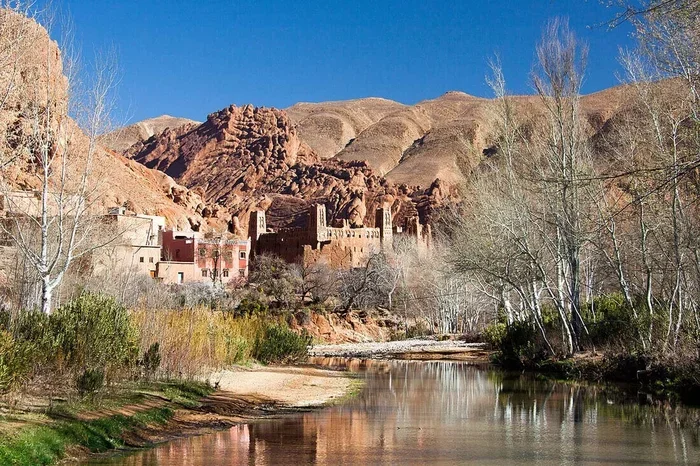
Visual guide about Marrakech to Dades Valley landscape
Image source: marrakech-desert-trips.com
The Tizi n’Tichka Pass is your first major landmark. At 2,260 meters (7,414 feet), it’s the highest paved mountain pass in North Africa. The drive up is dramatic, with switchbacks revealing panoramic views of terraced farmland and snow-capped peaks. Your driver will likely stop for photos and a stretch.
After descending the eastern slope, you’ll reach Ait Benhaddou, a UNESCO World Heritage Site and the most famous ksar (fortified village) in Morocco. You’ll have around 1.5–2 hours to explore. Walk across the river, climb to the top of the hill for sweeping views, and try to spot filming locations from Gladiator, Lawrence of Arabia, and Game of Thrones.
Lunch is typically in Ouarzazate, the “Gateway to the Sahara.” Try a traditional Berber omelet or lamb tagine. Many tours include a quick visit to the Atlas Film Studios, where blockbusters from The Mummy to Kingdom of Heaven were filmed.
The afternoon takes you through the Rose Valley (Kalaat M’Gouna), so named for the Damask roses grown here in May. You’ll then reach the Dades Valley by late afternoon, with enough daylight for a short hike or a visit to a local kasbah. Overnight is usually in a family-run riad with mint tea on arrival and a hearty dinner of couscous or tajine.
Day 2: Dades Valley to the Sahara (or Extended Gorge Exploration)
If your tour includes the desert, the morning starts with a scenic drive through the Dades Gorges, stopping at the famous “monkey fingers” rock formation. Then you’ll continue toward Todra Gorges, where towering 400-meter cliffs frame a narrow river canyon. Spend an hour or two walking through the gorge — it’s one of the most accessible and spectacular hikes in Morocco.
From Todra, the road heads south toward Merzouga or Erg Chebbi, depending on the tour operator. Arrival is usually late afternoon, just in time for a camel trek into the dunes. The trek lasts about 1–1.5 hours, and you’ll arrive at your desert camp as the sun sets. Berber drums, mint tea, and a traditional dinner await, followed by sleeping in a nomadic tent under impossibly bright stars.
Did You Know? The Sahara Desert is roughly the size of the continental United States, but only about 15% is sand dunes. Erg Chebbi is one of only two “ergs” (large dune seas) in Morocco.
If you’d rather skip the desert, some operators offer alternative Day 2 activities like cooking classes, Berber music nights, or guided hikes into remote parts of the Dades Valley.
Day 3: Return to Marrakech
Wake early to watch the sunrise over the dunes — it’s a moment that tends to silence even the chattiest travelers. After breakfast and a short camel ride back, you’ll begin the long drive back to Marrakech.
The return route typically passes through the Draa Valley, Morocco’s longest river valley, lined with millions of date palms. You’ll also cross the Anti-Atlas Mountains, which are older, lower, and rockier than the High Atlas.
Stops include the dramatic Agdz oasis and possibly a fossil workshop in Tamnougalt. Lunch is usually in Ouarzazate again, and you’ll reach Marrakech by late afternoon or early evening, depending on traffic and stops.
Did You Know? The Draa Valley has over 8 million date palms, making it one of the largest date-producing regions in the world.
3. Choosing Your Tour: Group, Private, and Budget Options
Group Tours
Group tours are the most budget-friendly option, typically costing between €120 and €180 per person for a 3-day trip including accommodation, transportation, and most meals. Group sizes range from 8 to 16 people, depending on the operator. The downside is less flexibility — you’ll move at the group’s pace, and personal requests are harder to accommodate.
Private Tours
Private tours give you your own vehicle, driver, and guide, allowing you to set your own pace and add or skip stops. Prices range from €400 to €700 total for a 3-day trip (not per person), depending on the level of luxury. This option is great for couples, families, or anyone who values flexibility.
Budget and DIY Options
If you’re traveling on a tight budget, public buses and shared grand taxis can get you to Ouarzazate and Tinghir, where you can arrange local guides and accommodation. However, this approach requires more time, planning, and comfort with independent travel.
Pro Tip: When comparing tour prices, always check what’s included. Some “cheap” tours look appealing but skimp on meals, charge extra for entry fees, or stay in basic hotels. The best value tours include accommodation, breakfast and dinner daily, camel trek, and a knowledgeable guide.
4. What to Pack and Practical Tips for the Journey
Clothing and Gear
Morocco’s mountain and desert regions experience big temperature swings. Even in spring, you might go from 25°C (77°F) in the valley to 5°C (41°F) at the pass. Here’s what to pack:
- Layers: A light jacket, fleece, and a waterproof outer layer
- Walking shoes: Comfortable shoes with good grip (not sandals)
- Sun protection: Hat, sunglasses, SPF 30+ sunscreen
- Headscarf: Useful for sand, sun, and visiting religious sites
- Camera: Extra batteries and memory cards (cold drains batteries fast)
Health and Safety
Morocco is generally very safe for tourists. Petty crime exists but is rare. The main safety concerns are road conditions and sun exposure. Drink bottled water, bring any prescription medications, and pack a basic first-aid kit with rehydration salts, pain relievers, and bandages.
Did You Know? Morocco has one of the lowest violent crime rates in the world, ranking 23rd out of 163 countries on the 2023 Global Peace Index.
Money and Tipping
The Moroccan currency is the dirham (MAD). Credit cards are accepted in cities but not in remote areas, so carry cash. Tipping is expected — about 10–15% at restaurants, and small tips for drivers, guides, and hotel staff. A good rule of thumb for guides on a 3-day tour: around 100–150 MAD per day.
Connectivity
Most riads and hotels offer free Wi-Fi, but signal can be spotty in the mountains. Consider buying a local SIM card from Maroc Telecom or Orange at the Marrakech airport. A 10 GB data package costs around 50 MAD (about €5) and lasts most tourists a week.
5. Cultural Etiquette and Meaningful Encounters
Respectful Photography
Moroccans are generally friendly and accommodating, but always ask permission before photographing people, especially women and children. In Berber villages, a smile and a polite “Salam alaikum” go a long way.
Local Customs
When visiting religious sites or rural homes, remove your shoes and dress modestly (cover shoulders and knees). Alcohol is available in some hotels and restaurants but is less common in rural areas. Pork is rarely served.
Supporting Local Communities
One of the best ways to make your trip meaningful is to support local businesses. Buy handicrafts directly from artisans, eat at family-run restaurants, and consider tipping generously. Many tours now include visits to women-run cooperatives where you can buy argan oil, rose water, and handwoven textiles.
Did You Know? The argan tree, found only in southwestern Morocco, produces oil that takes 8 hours of manual labor to extract from just 1 kilogram of seeds.
Learning Basic Phrases
Even a few words of Arabic or Amazigh (Berber) can transform your interactions. Try these:
- Salam alaikum — Peace be upon you (hello)
- Shukran — Thank you
- La, shukran — No, thank you
- Bslama — Goodbye
6. Booking, Costs, and Final Recommendations
How Far in Advance Should You Book?
For travel in spring or autumn, 2–4 weeks is usually sufficient. However, the Sahara camps fill up quickly during peak season (October–April), so earlier booking is wise if you’re set on a specific operator or camp type.
What Does a Typical Tour Cost?
Prices vary widely, but here’s a general breakdown for a 3-day, 2-night excursion:
- Budget group tour: €120–€180 per person
- Mid-range group tour: €200–€280 per person
- Private tour (2 people): €400–€600 total
- Luxury private tour: €700–€1,200 total
Choosing a Reputable Operator
Look for operators with verified reviews on TripAdvisor, GetYourGuide, or Viator. Pay attention to recent reviews (within the last 6 months) and look for comments about guide quality, vehicle comfort, and accommodation standards. Reputable companies include Marrakech Desert Trips, Morocco Desert Tours, and Discover Morocco Tours, though there are many excellent smaller operators as well.
When to Avoid Booking
The worst time to visit is during the Muslim holy month of Ramadan (dates vary by year) if you want to enjoy normal restaurant service. Also avoid the peak summer heat (July–August) unless you’re prepared for temperatures above 40°C (104°F) in the desert.
Final Thoughts: Why This Trip Is Worth It
A 3-day excursion from Marrakech to the Dades Valley is more than a tour — it’s a curated journey through Morocco’s most iconic landscapes, cultures, and flavors. In just 72 hours, you’ll cross snow-capped mountains, walk through ancient kasbahs, meet Berber families who still live much as their ancestors did, and sleep under some of the clearest night skies on Earth.
If you’re looking for a trip that combines adventure, culture, photography opportunities, and genuine human connection, this is it. The pace is brisk but manageable, the scenery is unforgettable, and the memories will last a lifetime.
So pack your bags, charge your camera, and get ready for one of the most beautiful journeys you can take in Africa. Morocco is waiting — and the Dades Valley is calling.
Frequently Asked Questions
How long is the drive from Marrakech to the Dades Valley?
The drive from Marrakech to the Dades Valley takes roughly 6–7 hours, including stops at Ait Benhaddou and Ouarzazate. Most tours break this into two segments to avoid exhausting travelers, with an overnight stop along the route.
Is a 3-day trip to the Dades Valley enough time?
Yes, three days is the ideal length for experiencing the Dades Valley’s highlights without rushing. You’ll have time for scenic drives, a camel trek, gorges exploration, and meaningful cultural interactions, all without feeling like you’re constantly on the move.
What’s the best month to visit the Dades Valley?
April, May, September, and October are widely considered the best months. Temperatures are mild, the valleys are green or blooming, and the desert is accessible without extreme heat or cold.
Do I need a visa for Morocco?
Citizens of the US, UK, EU, Canada, and Australia do not need a visa for stays under 90 days. Your passport should be valid for at least 6 months beyond your entry date. Always check with your local Moroccan embassy for the most current requirements.
Can I do this trip independently without a tour?
Yes, it’s possible but more challenging. You’d need to arrange transport between cities, book accommodation in advance, and hire local guides at attractions. Many independent travelers find that a guided tour offers better value and access to authentic experiences.
Is it safe to travel to the Sahara Desert?
Yes, the areas around Merzouga and Erg Chebbi are very safe for tourists. Local Berber guides are experienced and well-trained, and the desert camps have strict safety protocols. Just be sure to book through a reputable operator.