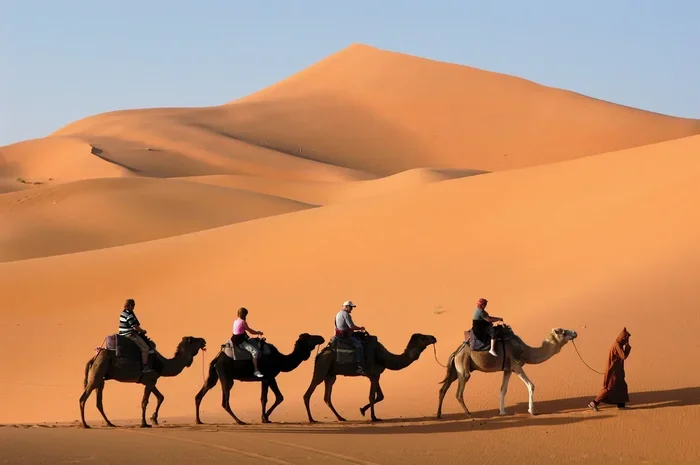
Featured image for Marrakech Sahara camel caravan
Image source: cdn.britannica.com
A 14-day tour from Marrakech to the Sahara Desert offers the ultimate Moroccan adventure, blending imperial cities, ancient medinas, and breathtaking desert landscapes. This extended journey allows travelers to fully immerse themselves in Morocco’s rich culture, from bustling souks to tranquil oases. Perfect for those seeking depth and authenticity, this tour covers everything from Marrakech to Fes, including the majestic Erg Chebbi dunes and the stunning Atlas Mountains.
Picture this: You’re standing at the edge of the Sahara Desert, the golden sand stretching endlessly before you, the sun setting in a blaze of orange and pink. Behind you lies a journey through ancient medinas, bustling souks, and snow-capped mountains. This isn’t a dream; it’s the reality of a 14-day tour from Marrakech to the Sahara Desert. Morocco is a land of contrasts, where imperial cities meet Berber villages, and modern life blends seamlessly with centuries-old traditions.
But why choose a 14-day tour over a shorter one? Think of it like reading a book versus skimming a pamphlet. A longer tour gives you the chapters, the details, the nuance. You get to see the Sahara dunes at sunrise, explore the blue streets of Chefchaouen, and wander through the Roman ruins of Volubilis. You meet locals, taste authentic cuisine, and truly understand what makes Morocco magical.
Did you know that Morocco’s Sahara Desert covers approximately 250,000 square kilometers, making it one of the largest deserts in the world? Or that the country boasts nine UNESCO World Heritage Sites? This guide will walk you through everything you need to know about planning the perfect 14-day Marrakech to Sahara Desert adventure. We’ll cover the itinerary, what to pack, cultural tips, and answer all your burning questions.
Key Takeaways
- Comprehensive Experience: A 14-day tour provides ample time to explore Morocco’s diverse landscapes and cultures beyond the typical 7-day itinerary.
- Cultural Immersion: The journey includes stays in traditional Berber camps, visits to UNESCO World Heritage sites, and interactions with local artisans.
- Scenic Diversity: From the Atlas Mountains to the Sahara Dunes, travelers experience dramatic shifts in scenery, climate, and atmosphere.
- Imperial Cities: The route covers Marrakech, Fes, Meknes, and Rabat, offering a deep dive into Morocco’s royal history and architecture.
- Adventure Activities: Camel trekking, 4×4 desert excursions, and hiking in the Todra Gorge make this tour ideal for active travelers.
- Authentic Cuisine: Travelers savor tagines, couscous, and mint tea, experiencing Morocco’s renowned culinary traditions.
- Evergreen Appeal: This itinerary remains popular year-round, with each season offering unique charms and experiences.
📑 Table of Contents
Who Is This Tour For?
The 14-day Marrakech to Sahara Desert tour is designed for travelers who want more than just a snapshot of Morocco. It’s for the curious explorer, the culture enthusiast, and the adventure seeker. If you’re the type of person who likes to dig deeper, stay longer in one place, and truly connect with a destination, this tour is for you.
Ideal Traveler Profile
This tour suits a wide range of travelers. Solo adventurers find it easy to join group tours and meet like-minded people. Couples enjoy the romantic desert sunsets and starlit nights. Families appreciate the educational value and safe, structured itinerary. Even seasoned travelers who have visited Morocco before often choose the 14-day option to see regions they missed on previous trips.
Think of this tour as a deep dive rather than a surface-level swim. While a 7-day tour might show you the highlights, a 14-day tour lets you breathe in the atmosphere, understand the history, and form genuine connections with the places you visit. It’s the difference between tasting a single dish and enjoying a full multi-course meal.
Physical Requirements
Most days involve moderate walking, often over uneven terrain in medinas and archaeological sites. You don’t need to be an athlete, but a basic level of mobility helps. Camel trekking is optional and can be skipped if you have back issues. The longest drive days are around 5-6 hours, with plenty of scenic stops along the way.
What Does the 14-Day Itinerary Cover?
A well-planned 14-day itinerary balances travel time with meaningful exploration. It typically starts in Marrakech and ends in Fes (or vice versa), creating a logical geographic flow that minimizes backtracking.
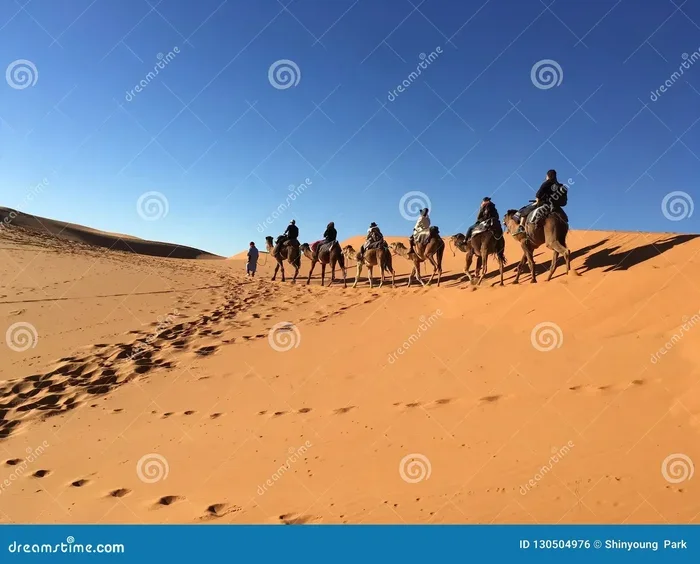
Visual guide about Marrakech Sahara camel caravan
Image source: thumbs.dreamstime.com
Days 1-3: Marrakech and the Atlas Mountains
Your adventure begins in Marrakech, the “Red City.” You’ll spend your first day acclimatizing, exploring the famous Jemaa el-Fnaa square, and getting lost in the labyrinthine medina. Day two might take you through the High Atlas Mountains via the Tizi n’Tichka pass, stopping at traditional Berber villages along the way. Day three often includes a visit to the stunning Ait Benhaddou, a UNESCO World Heritage Site that has served as a backdrop for movies like Gladiator and Game of Thrones.
Did You Know? Ait Benhaddou is one of Morocco’s most filmed locations, appearing in over 20 major productions. It’s a fortified village (ksar) that showcases traditional Moroccan earthen clay architecture.
Days 4-6: The Road to the Sahara
This leg of the journey takes you through the “Valley of a Thousand Kasbahs” and the Todra Gorge, where towering canyon walls reach heights of 400 meters. You’ll start to feel the desert approaching as the landscape becomes more arid and dramatic. By day six, you arrive at Merzouga, the gateway to the Erg Chebbi dunes.
Here’s a practical tip: the drive from Todra Gorge to Merzouga is long but spectacular. Bring a good book or download some podcasts. The changing scenery keeps your eyes busy, from palm groves to rocky plateaus.
Days 7-8: Sahara Desert Immersion
The Sahara is the heart of this journey. You’ll ride camels into the dunes at sunset, spend a night in a traditional Berber camp under the stars, and wake up early to catch the sunrise over the sand sea. Day eight often includes a 4×4 excursion to visit nomadic families and explore lesser-known dune areas.
Think of the Sahara as nature’s amphitheater. The silence is profound, broken only by the wind shaping the dunes. The sky at night is so clear you’ll see the Milky Way stretching across the horizon. It’s a humbling experience that puts life into perspective.
Days 9-10: From Desert to Fes via Ziz Valley and Middle Atlas
Leaving the desert behind, you travel through the Ziz Valley, known for its palm groves and traditional irrigation systems. The route then takes you through the Middle Atlas Mountains, where you might encounter the famous Barbary macaques in the cedar forests of Azrou. You arrive in Fes by day ten.
Days 11-12: Exploring Fes
Fes is Morocco’s spiritual and cultural capital. It’s home to the world’s oldest university, Al-Qarawiyyin, founded in 859 AD. Two full days allow you to explore the medina (a UNESCO site), visit the famous Chouara tanneries, and take a cooking class to learn how to make a proper Moroccan tagine.
Did You Know? Fes medina has over 9,000 narrow streets and alleys. It’s so complex that even Google Maps struggles to map it accurately. Hiring a local guide is highly recommended.
Days 13-14: Meknes, Volubilis, Chefchaouen, and Departure
The final stretch includes visits to Meknes (another imperial city), the Roman ruins of Volubilis, and the “Blue City” of Chefchaouen nestled in the Rif Mountains. Many tours end with a transfer to Casablanca or Tangier for departure flights, though some return to Marrakech.
Where Will You Stay?
Accommodations on a 14-day tour range from comfortable riads to luxury desert camps. This variety is part of what makes the journey special.
Riads in the Cities
A riad is a traditional Moroccan house or palace with an interior garden or courtyard. Staying in a riad is like stepping into a living museum. Many are hundreds of years old, featuring intricate tilework (zellige), carved stucco, and cedar wood ceilings. They’re typically located in the heart of the medina, putting you steps away from the main attractions.
Desert Camps
In the Sahara, you’ll stay in a Berber-style desert camp. These range from basic (shared bathrooms, traditional tents) to luxury (private bathrooms, king-sized beds, en-suite tents). Most include a traditional dinner, music around a campfire, and a chance to try drumming. The camps are set up in locations that offer privacy and stunning views.
Here’s an analogy: staying in a riad is like staying in a boutique European hotel, but with Moroccan soul. Staying in a desert camp is like glamping in a national park, but with the added magic of Saharan stars.
Hotels and Kasbahs
In smaller towns and along the route, you’ll stay in mid-range hotels or restored kasbahs. These often have swimming pools, which are a welcome relief after a hot day of sightseeing. Rooms are clean and comfortable, with air conditioning being a standard amenity in most places.
When Is the Best Time to Go?
Morocco is a year-round destination, but the timing of your trip affects your experience significantly.
Seasonal Breakdown
- Spring (March-May): Ideal weather across the country. Wildflowers bloom in the Atlas, and temperatures are mild in the desert. This is peak season, so book early.
- Summer (June-August): Hot in the desert (40°C+) but perfect for the coast and mountains. Crowds are thinner, and prices are lower.
- Autumn (September-November): Another excellent window. The summer heat subsides, and the light is beautiful for photography.
- Winter (December-February): Cold in the mountains (snow possible) but pleasant in the desert during the day. Nights can be very cold in the Sahara.
Did You Know? The Sahara Desert can drop below freezing at night in winter, despite being one of the hottest places on Earth during the day. Always pack layers.
Festival Considerations
If you time your visit right, you might catch one of Morocco’s vibrant festivals. The Fes Festival of World Sacred Music (June) and the Marrakech Popular Arts Festival (July) are major cultural events. Ramadan is also a special time to visit, though some restaurants may be closed during the day, and the pace of life changes significantly.
Why Choose This Specific Tour?
With so many tour options available, what makes the 14-day Marrakech to Sahara Desert route stand out?
Depth Over Breadth
Many travelers rush through Morocco in 5-7 days, ticking off the highlights. While that’s fine for some, a 14-day tour offers depth. You get to spend two full days in Fes, not just a few hours. You experience a sunrise AND a sunset in the Sahara. You have time to revisit a place you loved or linger in a shop negotiating for a carpet.
Think of it as the difference between watching a movie on your phone versus seeing it in IMAX. The story is the same, but the experience is completely different.
Logistical Advantages
A 14-day tour handles all the logistics for you: transportation, accommodation, meals (usually breakfast and dinner), and guides. Navigating Morocco independently can be challenging due to language barriers, complex medinas, and long distances between attractions. Having an expert guide means you don’t waste time figuring out logistics and can focus on enjoying the experience.
Cultural Bridges
A good tour guide acts as a cultural bridge, explaining nuances that you might miss otherwise. Why is mint tea poured from such a height? What does that specific rug pattern mean? Why do we remove shoes before entering this room? These details transform a trip from sightseeing into genuine understanding.
Value for Money
When you calculate the cost of a 14-day tour versus independent travel, the tour often provides better value. Group rates for hotels, included meals, and guided experiences add up. Plus, you save the stress of planning and navigating.
How to Prepare for Your Tour
Preparation is the key to enjoying your Moroccan adventure. Here’s what you need to know before you go.
What to Pack
Packing for Morocco requires thinking about layers, modesty, and practicality. Here’s a basic list:
- Clothing: Lightweight, breathable fabrics for the day; warm layers for desert nights. Modest attire for visiting religious sites (covered shoulders and knees).
- Footwear: Comfortable walking shoes for medinas; sandals for the desert.
- Sun Protection: Sunscreen, sunglasses, and a wide-brimmed hat.
- Health Kit: Hand sanitizer, wet wipes, basic medications, and any personal prescriptions.
- Documents: Passport (valid for 6 months), travel insurance, and photocopies of important documents.
Cultural Etiquette
Morocco is a Muslim country, and respecting local customs enhances your experience. Always ask before photographing people. Dress modestly, especially in rural areas. Use your right hand for eating and greeting. Learn a few basic Arabic or Berber phrases like “Salaam Alaikum” (peace be upon you).
Health and Safety
Morocco is generally safe for tourists. Petty crime exists, as in any tourist destination, so keep an eye on your belongings in crowded areas. The tap water is not recommended for tourists; stick to bottled water. The food is generally safe, but if you have a sensitive stomach, avoid raw vegetables and street food for the first few days.
Did You Know? Morocco has one of the lowest crime rates in Africa, and violent crime against tourists is extremely rare. The Moroccan tourism police are specifically trained to assist visitors.
Frequently Asked Questions
Is a 14-day tour too long for Morocco?
Not at all. While you can see the highlights in 7 days, a 14-day tour allows for a more relaxed pace and deeper exploration. It covers significant ground without feeling rushed, making it ideal for travelers who want a comprehensive experience.
What is the average cost of a 14-day Marrakech to Sahara Desert tour?
Prices vary widely based on accommodation level and inclusions. Budget tours start around $1,500-$2,000 per person, while luxury tours can exceed $5,000. Most mid-range tours fall between $2,500-$3,500, including accommodation, transport, guides, and most meals.
Is the Sahara Desert safe for tourists?
Yes, the areas visited on tourist routes (like Erg Chebbi and Erg Chigaga) are very safe. The Moroccan military patrols these regions, and local guides are experienced in ensuring visitor safety. The biggest “danger” is getting lost in the dunes, which is why guides accompany all excursions.
Do I need a visa for Morocco?
Citizens of many countries, including the US, UK, Canada, and EU nations, do not need a visa for stays under 90 days. However, requirements change, so always check with your local Moroccan embassy or consulate before traveling.
Can I customize the itinerary?
Many tour operators offer customizable itineraries. If you want to spend more days in Chefchaouen or skip a particular city, most operators can adjust the route. Private tours are the most flexible, while group tours follow a set schedule.
What language is spoken in Morocco?
Arabic and Berber are the official languages. French is widely spoken, especially in business and government. English is increasingly common in tourist areas, but learning a few basic French phrases can be very helpful, particularly in the medinas.
Final Thoughts: Your Moroccan Adventure Awaits
A 14-day tour from Marrakech to the Sahara Desert is more than a vacation; it’s a journey through time, culture, and natural beauty. It’s a chance to ride a camel into the sunset, explore ancient medinas, and stand in awe of landscapes that seem otherworldly. It’s an opportunity to meet people whose warmth and hospitality will stay with you long after you’ve returned home.
Whether you’re a first-time visitor or a returning traveler, this extended itinerary offers something special. It gives you the time to truly absorb the rhythm of Moroccan life, to understand its complexities, and to appreciate its simple pleasures. So pack your bags, bring your sense of adventure, and prepare for the trip of a lifetime. The Sahara is calling, and it’s a journey you’ll never forget.