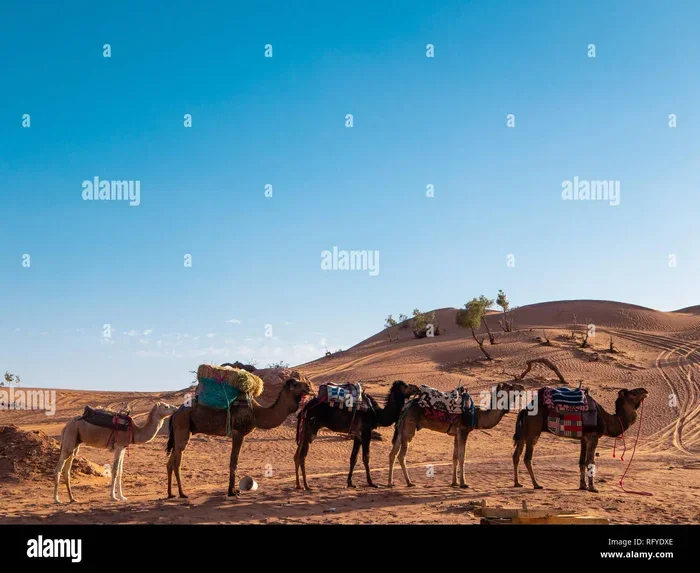
Featured image for Zagora desert excursion camels
Image source: c8.alamy.com
Looking for the perfect Moroccan desert adventure? A 3-day excursion from Marrakech to Zagora offers an unforgettable journey through the Atlas Mountains, ancient kasbahs, and the breathtaking Sahara Desert. This comprehensive guide covers everything you need to know—from itinerary highlights and costs to packing tips and best travel seasons—so you can plan the trip of a lifetime.
Picture this: you’re sitting atop a gentle camel, the warm Moroccan sun setting over endless golden sand dunes. The sky transforms into a canvas of orange, pink, and purple hues. Around you, the Sahara Desert stretches as far as the eye can see. This isn’t a dream—it’s what awaits you on a 3-day excursion from Marrakech to Zagora.
Morocco’s southern desert region has captivated travelers for centuries, from ancient caravan traders to modern-day adventurers. The journey from Marrakech to Zagora is one of the most popular routes for experiencing the magic of the Sahara without committing to a week-long expedition. In just three days, you’ll cross dramatic mountain passes, wander through ancient fortified villages, and sleep beneath a blanket of stars in the world’s most famous desert.
Whether you’re a solo traveler seeking adventure, a couple looking for a romantic getaway, or a family wanting an educational experience, this excursion delivers memories that last a lifetime. Let’s dive into everything you need to know to make your Marrakech to Zagora desert trip absolutely perfect.
Key Takeaways
- Duration & Distance: The 3-day Marrakech to Zagora excursion covers approximately 700 km round-trip, crossing the Atlas Mountains and reaching the edge of the Sahara Desert.
- Best Travel Season: October through April offers the most comfortable temperatures, with cool nights and pleasant days perfect for camel trekking and desert camping.
- Budget-Friendly Option: This excursion is significantly more affordable than longer Sahara tours, typically ranging from €150 to €300 per person including meals, transport, and desert camp.
- Cultural Immersion: You’ll visit authentic Berber villages, explore UNESCO World Heritage kasbahs like Ait Benhaddou, and experience traditional nomadic culture.
- Camel Trekking Included: A highlight is the camel ride into the Erg Chigaga or Erg Lihoudi dunes, where you’ll spend a night under the stars in a traditional Berber desert camp.
- Small Group Advantage: Most tours accommodate 12-17 people, providing an intimate experience while still being cost-effective and social.
- Physical Accessibility: The trip requires moderate fitness for camel riding and walking on sand, but no extreme physical demands—suitable for most travelers aged 12-70.
📑 Table of Contents
- What Is the 3-Day Marrakech to Zagora Excursion?
- Why Choose Zagora Over Merzouga for Your Desert Experience?
- What Does a Typical 3-Day Itinerary Look Like?
- How Much Does the 3-Day Zagora Excursion Cost?
- When Is the Best Time to Visit Zagora?
- What Should You Pack for the Desert Excursion?
- Who Should Take This Excursion and What to Expect?
- How to Choose the Best Tour Operator?
- Final Thoughts: Is the 3-Day Zagora Excursion Worth It?
What Is the 3-Day Marrakech to Zagora Excursion?
The 3-day excursion from Marrakech to Zagora is a guided group tour that takes you from the bustling imperial city of Marrakech to the remote desert outpost of Zagora, located at the edge of the Sahara. Think of it as a compressed adventure package—like a sampler platter of Morocco’s most stunning landscapes, cultures, and experiences, all wrapped into one unforgettable journey.
During this trip, you’ll travel through the High Atlas Mountains via the spectacular Tizi n’Tichka pass (which means “difficult mountain pass” in Berber). You’ll visit the famous Ait Benhaddou kasbah—a UNESCO World Heritage site that has served as a backdrop for Hollywood films like Gladiator and Lawrence of Arabia. You’ll explore the Valley of the Roses and the dramatic Todra Gorges before finally reaching the desert, where camels await to carry you into the dunes.
The Route at a Glance
The classic itinerary follows this path:
- Day 1: Marrakech → High Atlas Mountains → Ait Benhaddou → Ouarzazate → Draa Valley → Zagora
- Day 2: Zagora → Desert Camp Experience → Camel Trek → Overnight in Berber Camp
- Day 3: Desert → Return journey through different scenic routes back to Marrakech
Did You Know? The distance from Marrakech to Zagora is approximately 350 km one way, but the journey takes about 7-8 hours each day because the roads wind through mountainous terrain. The route has been used for centuries by traders traveling between the Mediterranean coast and sub-Saharan Africa.
Why Choose Zagora Over Merzouga for Your Desert Experience?
One of the first decisions travelers face when planning a Sahara excursion is whether to visit Zagora or Merzouga. Both offer incredible desert experiences, but they cater to slightly different preferences. Let me break it down simply: think of Merzouga as the “luxury” option with massive dunes (Erg Chebbi reaches 150 meters high), while Zagora is the “authentic and accessible” option with smaller dunes (Erg Chigaga or Erg Lihoudi) but a more genuine, less touristy experience.
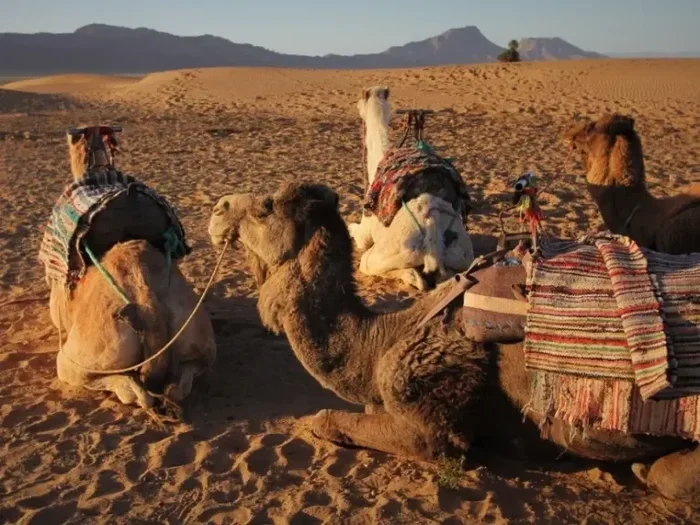
Visual guide about Zagora desert excursion camels
Image source: res.cloudinary.com
Key Differences Between Zagora and Merzouga
- Distance from Marrakech: Zagora is closer (350 km vs. 560 km to Merzouga), making it perfect for shorter trips
- Tourist Crowds: Zagora sees fewer tourists, offering a more peaceful experience
- Dune Size: Merzouga has taller, more dramatic dunes, but Zagora’s dunes are still spectacular
- Price Point: Zagora excursions typically cost 20-30% less than Merzouga tours
- Cultural Authenticity: Zagora offers more interaction with local Berber communities
For travelers with limited time or those seeking an authentic experience without the crowds, Zagora is the clear winner. You still get the magical camel trek, the desert camp overnight, and stunning landscapes—just in a more intimate setting.
What Does a Typical 3-Day Itinerary Look Like?
While each tour operator adds their own flair, most 3-day Marrakech to Zagora excursions follow a similar structure. Let me walk you through a day-by-day breakdown so you know exactly what to expect.
Day 1: Crossing Mountains and Kasbahs
Your adventure begins early—usually around 7:00 or 7:30 AM—when your minivan or 4×4 picks you up from your Marrakech hotel. The first leg of the journey takes you through the fertile Haouz plains before the road begins climbing into the High Atlas Mountains.
As you ascend through the Tizi n’Tichka pass (elevation 2,260 meters), you’ll be rewarded with breathtaking panoramic views. Imagine driving through a painting—the mountains unfold in layers of blue and purple, Berber villages cling to hillsides, and terraced farms cascade down valleys. Your guide will likely stop at scenic viewpoints for photos.
Around midday, you’ll arrive at Ait Benhaddou, the famous clay-brick kasbah that has stood since the 17th century. This is where your camera becomes your best friend. You’ll have time to explore the narrow alleys, climb to the top for sweeping views, and learn about the site’s history as a crucial stop on the trans-Saharan trade route.
After lunch in nearby Ouarzazate (known as the “Hollywood of Africa” because of its film studios), you’ll continue through the stunning Draa Valley—a long palm-lined oasis dotted with ancient kasbahs and mud-brick villages. By evening, you reach Zagora, where you’ll enjoy dinner at your hotel and prepare for the desert adventure ahead.
Day 2: Into the Sahara
This is the day everyone anticipates! After a traditional Moroccan breakfast, you’ll travel by 4×4 vehicle to the starting point of your camel trek. Your camel—affectionately called a “ship of the desert”—will be waiting with a local Berber guide.
The camel ride typically lasts 1-2 hours, taking you deep into the dunes of Erg Lihoudi or Erg Chigaga. Don’t worry if you’re nervous—camels are remarkably gentle, and the rhythm of riding them becomes comfortable surprisingly quickly. The silence of the desert is profound; you’ll hear nothing but the soft padding of camel feet on sand and perhaps the distant call of a Berber song.
At the desert camp, you’ll be welcomed with mint tea (the national drink of Morocco) and shown to your traditional Berber tent. These aren’t five-star hotel tents, but they’re comfortable, with proper beds, blankets, and shared bathroom facilities. The real luxury is the location—surrounded by nothing but sand and sky.
As night falls, you’ll enjoy a traditional tagine dinner under the stars, often accompanied by live Berber music around a campfire. The sky here is unreal—without light pollution, you’ll see thousands of stars, and if you’re lucky, the Milky Way stretches across the heavens like a river of light. Many travelers describe this night as the highlight of their entire Morocco trip.
Day 3: Sunrise and Return to Marrakech
The crack of dawn comes early in the desert, but trust me—you’ll want to wake up for the sunrise. Watching the sun rise over the Sahara is a spiritual experience. The dunes transform from shadow to gold, and the entire landscape seems to glow from within.
After breakfast at the camp, you’ll ride your camel back to meet your vehicle and begin the return journey to Marrakech. Most tours take a slightly different route on the return, passing through the dramatic Todra Gorges or the Valley of the Roses (in spring, you can actually smell the roses from kilometers away). You’ll arrive back in Marrakech by early evening, tired but transformed by the experience.
Did You Know? The Sahara Desert covers an area larger than the continental United States—approximately 9.2 million square kilometers. Yet only about 2.5 million people live there, making it one of the least densely populated places on Earth.
How Much Does the 3-Day Zagora Excursion Cost?
One of the best things about the Marrakech to Zagora excursion is its excellent value. Compared to other major desert experiences worldwide (think luxury camps in Dubai or guided tours in Namibia), this trip is remarkably affordable.
What’s Typically Included
Most standard packages include:
- Transportation in air-conditioned minivan or 4×4
- English/French/Spanish-speaking guide
- Two nights’ accommodation (1 hotel + 1 desert camp)
- Daily breakfast and dinner
- Camel trek to the desert camp
- Pickup and drop-off at your Marrakech hotel
Price Ranges to Expect
- Budget Tours: €150-€200 per person (shared group, basic accommodations)
- Mid-Range Tours: €200-€280 per person (smaller groups, comfortable hotels)
- Premium/Luxury Tours: €300-€450+ per person (private tours, upgraded desert camps)
Here’s a useful analogy: think of the price difference like choosing between a standard hotel room, a boutique hotel, and a five-star resort. All three get you to the same desert, but the comfort level, group size, and added touches differ significantly. For most travelers, the mid-range option offers the sweet spot of comfort and value.
Additional expenses to budget for include lunches (usually €8-€15 per meal), drinks, tips for guides and camel handlers (€15-€25 total is standard), and any souvenirs or personal purchases.
When Is the Best Time to Visit Zagora?
Timing your excursion correctly can make the difference between a good trip and an amazing one. Morocco’s desert climate is extreme—scorching hot in summer and surprisingly cold in winter—so choosing the right season matters.
Seasonal Breakdown
- October-November (Autumn): This is the sweet spot. Daytime temperatures hover around 25-28°C (77-82°F), and nights are cool but not frigid. The skies are clear, and the desert is at its most photogenic.
- December-February (Winter): Days are pleasant (18-22°C), but desert nights can drop to 0°C or below. Pack warm layers! The upside? Fewer tourists and occasional snow-capped Atlas Mountain views.
- March-April (Spring): Another excellent window. Temperatures warm up, and the Valley of the Roses blooms spectacularly in April. Wildflowers dot the desert edges.
- May-September (Summer): Avoid this period if possible. Temperatures regularly exceed 45°C (113°F), making desert activities dangerous and uncomfortable.
Think of desert weather like a car’s heating system—it’s either too hot or too cold, with a brief comfortable middle ground. Plan your trip during that comfortable window for the best experience.
Ramadan Considerations
If your trip coincides with Ramadan (dates change yearly), be aware that some services may operate on adjusted schedules. However, tourist services typically continue normally, and you might even get to experience iftar (the breaking of the fast), which can be a beautiful cultural experience.
What Should You Pack for the Desert Excursion?
Packing smart is crucial for enjoying your desert adventure. Unlike a beach vacation where you can throw things in a bag last-minute, the desert requires some thoughtful preparation. Here’s your essential packing list.
Clothing Essentials
- Layers: Even in warm weather, desert temperatures swing dramatically between day and night. Pack a light jacket or fleece.
- Long pants and long-sleeved shirts: These protect against sun and sand. Light colors reflect heat.
- Comfortable walking shoes: For exploring kasbahs and villages. Sandals are fine for the desert camp.
- Warm hat and sunglasses: The desert sun is intense.
- Scarf or shemagh: Traditional headwear that protects from sun and sand (and looks great in photos!).
Other Must-Haves
- Sunscreen (SPF 50+): The desert sun is unforgiving.
- Reusable water bottle: You’ll dehydrate faster than you realize.
- Headlamp or flashlight: The desert camp has no streetlights.
- Power bank: Electricity is limited in remote areas.
- Camera with extra batteries: You’ll take more photos than you ever imagined.
- Wet wipes and hand sanitizer: The desert is dry, and facilities are basic.
Did You Know? A single day in the Sahara can see temperature swings of 30°C (54°F) or more. It’s not unusual to experience near-freezing temperatures at night and warm sunshine during the same 24-hour period.
Who Should Take This Excursion and What to Expect?
The 3-day Marrakech to Zagora excursion is remarkably versatile—it works for almost any type of traveler. But knowing who it’s best suited for helps set proper expectations.
Ideal Travelers for This Trip
- First-time Morocco visitors: If you have limited time but want to see diverse landscapes, this trip covers Morocco’s highlights efficiently.
- Adventure seekers: Camel trekking, 4×4 rides, and sleeping under the stars satisfy that wanderlust itch.
- Culture enthusiasts: Berber villages, ancient kasbahs, and traditional music provide deep cultural immersion.
- Photography lovers: The landscapes are unreal. Every corner is a potential postcard.
- Families with older children: Kids 12+ typically love the camel rides and desert experience.
Physical Requirements
You don’t need to be an athlete, but moderate mobility helps. The main physical challenges include:
- Sitting on a camel for 1-2 hours (some people experience initial discomfort)
- Walking on soft sand (tiring but manageable)
- Climbing stairs and uneven surfaces in kasbahs
- Long car rides (7-8 hours each travel day)
Here’s an analogy: imagine the physical demands similar to a day at a theme park—there’s walking, some waiting, and moments of excitement, but nothing extreme. If you can handle a full day of moderate sightseeing, you can handle this trip.
Common Concerns Addressed
“Is it safe?” Yes! Morocco is one of Africa’s safest countries for tourists, and tour operators prioritize safety. The desert guides are experienced professionals.
“Will I get sick?” The biggest risk is mild traveler’s stomach. Stick to bottled water, avoid raw vegetables from street vendors, and your stomach should be fine.
“Is the food good?” Moroccan cuisine is delicious! Expect tagines (slow-cooked stews), couscous, fresh bread, and mint tea. The meals included are typically plentiful and tasty.
How to Choose the Best Tour Operator?
Not all excursions are created equal. The quality difference between a budget operator and a premium one is significant. Here’s how to make a smart choice.
Questions to Ask Before Booking
- Group size: Smaller groups (12-15 people) offer a more intimate experience than large groups (20+ people).
- Vehicle type: Modern, air-conditioned vehicles make the long drives much more pleasant.
- Guide quality: English-speaking guides with good reviews make a huge difference. Look for operators with verified reviews on platforms like TripAdvisor or GetYourGuide.
- Accommodation standards: Ask specifically about the hotels and desert camps. Look at photos from previous travelers.
- Inclusions clarity: Make sure you understand exactly what’s included and what costs extra.
Red Flags to Avoid
- Operators who pressure you to book immediately
- Unclear pricing or hidden fees
- No reviews or only reviews on their own website
- Promises that sound too good to be true
- Refusal to answer specific questions about the itinerary
My best advice: book directly with reputable local Moroccan companies when possible. They often offer better prices than international booking platforms, and your money goes directly to the local economy. However, if you prefer the security of a pre-booked tour through GetYourGuide or Viator, that’s perfectly fine too—just expect to pay 10-15% more.
Recommended Booking Timeline
For the best selection and prices, book your excursion 2-4 weeks in advance, especially during peak season (October-April). Last-minute bookings are possible but limit your options and may cost more.
Final Thoughts: Is the 3-Day Zagora Excursion Worth It?
Absolutely, unequivocally yes. The 3-day excursion from Marrakech to Zagora delivers an experience that punches far above its weight. In just 72 hours, you’ll cross mountain ranges, explore ancient history, connect with traditional cultures, and spend a night under the stars in one of the world’s most iconic landscapes.
What makes this trip special isn’t just the destinations—it’s the combination of experiences. The morning mint tea in a Berber village, the bumpy camel ride as the sun sets, the profound silence of the desert, the laughter shared with fellow travelers around a campfire. These moments weave together to create something greater than the sum of their parts.
So pack your sense of adventure, leave your expectations at home, and prepare to be transformed. The Sahara has been calling travelers for millennia—now it’s calling you. Your 3-day Zagora adventure awaits.
Frequently Asked Questions
How long is the drive from Marrakech to Zagora?
The drive from Marrakech to Zagora takes approximately 7-8 hours each way, covering around 350 km. The route crosses the High Atlas Mountains via winding roads, which is why the journey takes longer than the distance might suggest. Most tours break up the drive with multiple scenic stops along the way.
Is a 3-day excursion to Zagora enough time to experience the Sahara?
Yes, 3 days is an excellent amount of time to experience the Sahara Desert, especially if you’re based in Marrakech. You’ll get the camel trek, overnight desert camp experience, and see diverse landscapes along the route. While longer trips (5-7 days) allow for deeper exploration, the 3-day version captures the essential Sahara magic without requiring a huge time commitment.
Do I need travel insurance for the Zagora excursion?
While not mandatory, travel insurance is highly recommended for any trip to Morocco, including day excursions. Make sure your policy covers medical emergencies, trip cancellation, and evacuation. Some activities like camel riding may not be covered by all insurance providers, so check your policy details carefully.
Can children join the 3-day Marrakech to Zagora tour?
Most tour operators accept children aged 6-12 at reduced rates, though some prefer a minimum age of 12. The trip is family-friendly with no extreme physical demands, but parents should consider that long car rides, early mornings, and basic desert camp conditions may challenge younger children. The camel ride is usually a highlight for kids.
What should I wear during the desert excursion?
Wear comfortable, loose-fitting clothing that covers your shoulders and knees, especially when visiting religious sites or rural villages. Pack layers because desert temperatures swing dramatically between day and night. A scarf or shemagh is essential for sun and sand protection. Comfortable closed-toe walking shoes are recommended for exploring kasbahs and walking on sand.
Are meals included in the Zagora 3-day tour?
Most standard tour packages include breakfast and dinner daily, but typically exclude lunch. Dinners usually feature traditional Moroccan dishes like tagine or couscous. Lunch stops are at local restaurants along the route, costing approximately €8-€15 per meal. Vegetarian options are generally available, but inform your tour operator in advance if you have specific dietary requirements.