
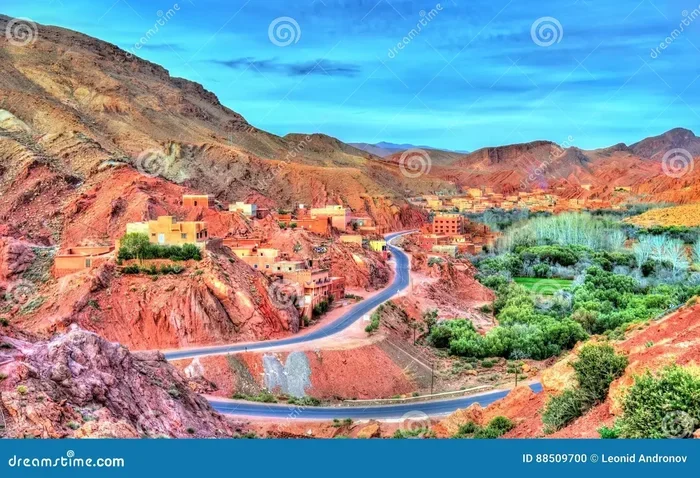
Featured image for Dades Valley Morocco landscape
Image source: thumbs.dreamstime.com
Looking for the perfect Moroccan adventure beyond the chaos of Marrakech? A 3-day excursion to the Dades Valley offers an incredible journey through the High Atlas Mountains, ancient kasbahs, and dramatic gorges. You’ll travel through UNESCO-listed sites, sleep under desert stars, and experience authentic Berber culture far from the tourist trail. This guide covers everything you need to plan, pack, and prepare for the trip of a lifetime.
Marrakech is magical, but let me be honest with you: after two or three days, the sensory overload of the medina can leave you craving something different. That’s exactly how I felt before my first trip to the Dades Valley. I wanted mountains, silence, and stars. What I found was so much more.
The Dades Valley sits roughly 330 kilometers east of Marrakech, tucked between the High Atlas and the Jebel Saghro mountain range. Think of it as Morocco’s answer to the American Wild West, except swap the cowboys for Berber shepherds and the canyons for rose-colored cliffs. The journey itself is a major part of the experience. You’ll wind through Berber villages clinging to hillsides, pass Hollywood-famous film studios, and eventually reach a valley so quiet you can hear your own thoughts for the first time in days.
This guide will walk you through every detail of planning a 3-day excursion from Marrakech to the Dades Valley. Whether you’re a solo traveler, a couple, or a family, you’ll find practical advice, honest recommendations, and a few secrets that only come from actually doing the trip.
Key Takeaways
- Route Overview: The classic Marrakech to Dades Valley route crosses the High Atlas via the Tizi n’Tichka pass at 2,260 meters altitude.
- Duration & Distance: The full round-trip covers approximately 800 kilometers over three days of comfortable travel.
- Top Stops: Key highlights include Ait Ben Haddou, Ouarzazate, Todra Gorges, and the famous “Monkey Fingers” rock formations.
- Best Time to Go: Spring (March-May) and autumn (September-November) offer the most pleasant temperatures for exploration.
- Accommodation: Expect a mix of traditional riads, kasbah hotels, and possibly one night in a Berber desert camp.
- Budget Range: Guided tours typically cost between €150-€350 per person, depending on comfort level and inclusions.
- Cultural Insight: The region is home to indigenous Berber communities whose customs, language, and hospitality remain largely unchanged for centuries.
📑 Table of Contents
- What Exactly Is the Dades Valley, and Why Should You Visit?
- Who Is This Excursion Best Suited For?
- When Should You Go? Timing Your Trip Perfectly
- Where Exactly Does the Itinerary Go? A Day-by-Day Breakdown
- How Do You Book and What Does It Cost?
- What Should You Pack for the Trip?
- What Cultural Etiquette Should You Know?
- Common Mistakes to Avoid on This Trip
- Final Thoughts: Is This Trip Worth It?
What Exactly Is the Dades Valley, and Why Should You Visit?
The Dades Valley (often called the “Valley of a Thousand Kasbahs”) is a dramatic river valley running through Morocco’s eastern Atlas region. The Dadès River carved this landscape over millions of years, leaving behind sheer cliffs, terraced farmland, and bizarre rock formations that look like something from another planet.
Did you know that the rock formations near Boumalne Dades, nicknamed the “Monkey Fingers,” are estimated to be over 100 million years old? Locals will tell you the wind and rain shape them a little more each year, meaning your photo will literally never look the same as anyone else’s.
The Geography in Plain English
Imagine a long, winding ribbon of green farmland squeezed between two massive mountain walls. Now picture those walls shifting color throughout the day, from pink at sunrise to deep red at sunset, to almost purple under moonlight. That’s the Dades Valley. The valley floor sits around 1,500 meters above sea level, which means cooler temperatures than Marrakech even in summer.
Why It’s Worth Three Days
You could technically visit the Dades Valley in a single grueling day from Marrakech, but that would mean missing half the magic. Three days lets you:
- Adjust to altitude gradually as you cross the Atlas Mountains.
- Stop at Ait Ben Haddou without rushing through it.
- Watch sunset over the Todra Gorges in peace.
- Spend a full morning exploring the Dades Valley itself.
- Visit places most tourists skip, like Skoura’s palm groves.
Think of it like wine tasting versus shotgunning a beer. Both get alcohol into your system, but only one lets you actually appreciate the craft.
Who Is This Excursion Best Suited For?
Not every tour is right for every traveler. Here’s an honest breakdown of who will love this trip and who might want to consider alternatives.
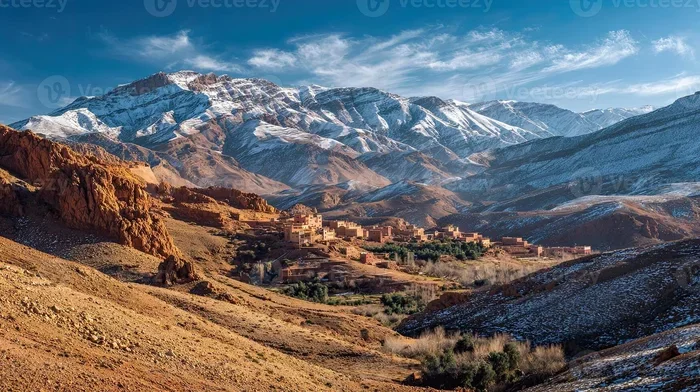
Visual guide about Dades Valley Morocco landscape
Image source: static.vecteezy.com
Perfect For These Travelers
- Nature lovers and photographers: The landscapes are unreal, and the light stays golden for hours.
- Culture enthusiasts: You’ll meet Berber families, visit working kasbahs, and hear stories that never made it into guidebooks.
- Hikers and walkers: Light trekking options exist at Todra Gorges and through rose gardens in Kelaa M’Gouna.
- Couples seeking romance: Stargazing in the desert is genuinely something special.
- Slow travelers: If your usual vacation feels like a sprint, this trip is a deep exhale.
Who Might Want a Different Trip
- Thrill-seekers: The trip is scenic but not adrenaline-heavy. Look at the Sahara for camel trekking and dune surfing.
- Beach lovers: The Dades is mountains and desert. No coast in sight.
- Those with limited mobility: Some walking is involved, especially at Todra Gorges, though much is avoidable.
When Should You Go? Timing Your Trip Perfectly
Morocco’s geography creates surprisingly varied weather. Marrakech can hit 45°C in summer while the Dades Valley stays a pleasant 32°C. Yet winter brings snow to the Atlas passes and freezing nights in the desert.
Best Months: Spring and Autumn
March, April, May, September, October, and early November are the sweet spots. Daytime temperatures sit comfortably between 20°C and 28°C, and nights are cool but not cold. Spring brings wildflowers, particularly in April, while autumn offers the clearest skies for photography.
Summer Travel (June to August)
Yes, summer is hot, but the Dades Valley is at altitude. While Marrakech swelters, you’ll enjoy warm days and cool evenings. Just avoid midday outdoor activities between 12 PM and 3 PM. Bring a hat, sunscreen, and at least 2 liters of water per person per day.
Winter Travel (December to February)
Winter brings a unique beauty. Snow dusts the High Atlas peaks, and the Dades Valley takes on a moody, dramatic atmosphere. Night temperatures can drop below freezing, especially in desert camps, so pack accordingly. Some mountain passes occasionally close due to snow, but Tizi n’Tichka is well-maintained year-round.
Did You Know? Morocco’s tourism statistics show that shoulder-season travel (October and April) has grown by over 40% in recent years as savvy travelers avoid summer crowds and winter chill.
Where Exactly Does the Itinerary Go? A Day-by-Day Breakdown
Here’s the classic three-day route that most operators follow. I’ll walk you through each stop, what’s worth seeing, and how long you’ll typically spend there.
Day 1: Marrakech to Ouarzazate via the Atlas Mountains
Your day starts early, usually around 7:00 or 7:30 AM. Hotels in Marrakech typically offer a 6:30 AM pickup so travelers can beat the worst of the city traffic.
Stop 1: Tizi n’Tichka Pass (2,260m)
This is the highest point of your journey and your first real “wow” moment. The road winds through the Atlas Mountains with switchback after switchback. Your driver will likely pull over for photos. Expect 15-20 minutes here.
Stop 2: Ait Ben Haddou
This UNESCO World Heritage Site is a fortified village (ksar) made entirely of earthen clay. Movies like Gladiator, Lawrence of Arabia, and Game of Thrones were filmed here. You’ll spend around 1.5 to 2 hours exploring. Tip: hire a local guide at the entrance for around €5. They know stories the audio guide doesn’t.
Stop 3: Ouarzazate
Known as the “Hollywood of Africa,” Ouarzazate is home to Atlas Film Studios. Even if you’re not a film buff, the kasbahs here are stunning, particularly the Taourirt Kasbah. Most tours overnight in Ouarzazate or continue another hour to Boumalne Dades.
Distance: Approximately 330 km, 5-6 hours of driving with stops.
Day 2: Todra Gorges and Dades Valley
Day 2 is the heart of your trip. Wake up early, grab breakfast around 7:30 AM, and hit the road by 8:30.
Stop 1: Todra Gorges
Picture two massive rock walls, 300 meters tall, with a narrow river running between them. That’s Todra. You can walk through the gorge (flat, easy path) for about an hour. Rock climbers love the sheer cliffs, and you’ll likely see them in action.
Stop 2: Tinghir Oasis
Just before Todra, you’ll pass through a stunning palm oasis stretching for kilometers. Your driver will likely stop for a quick walk among the date palms.
Stop 3: Dades Valley Exploration
The afternoon is spent driving slowly through the Dades Valley. Key photo stops include the “Monkey Fingers” rock formations and the road of a thousand kasbahs. Your driver will likely take you to a panoramic viewpoint. Don’t rush this part. Sit quietly for a few minutes and just take it in.
Overnight: Most tours include a stay in a traditional kasbah hotel in the valley, often with mint tea on a rooftop terrace overlooking the cliffs.
Day 3: Return to Marrakech via the Rose Valley
The final day is shorter on driving and rich in culture. You’ll head back toward Marrakech but via a different, scenic route.
Stop 1: Kelaa M’Gouna (Rose Valley)
This town is the rose capital of Morocco. In May, the annual Rose Festival fills the streets with celebrations, but year-round you can visit rose cooperatives and buy rose water, rose oil, and rose-scented cosmetics at a fraction of European prices.
Stop 2: Skoura Palm Grove
A protected palm oasis with hidden kasbahs you can explore. Most tours stop briefly here for photos and a short walk.
Stop 3: Optional Ait Ben Haddou Photo Stop (if not visited Day 1)
Some operators reverse the route slightly. Confirm this with your tour operator.
Arrival in Marrakech: Typically between 5:00 and 6:00 PM, depending on traffic.
Total Distance: Approximately 470 km on the return leg.
How Do You Book and What Does It Cost?
You have three main options for booking this excursion. Each has pros and cons, and your choice depends on your budget, travel style, and how much structure you want.
Option 1: Guided Group Tours
Most travelers book through their riad in Marrakech or via online platforms like Viator or GetYourGuide. Group sizes typically range from 8 to 16 people. This is the cheapest option, usually €150-€250 per person, and includes transport, accommodation, breakfast, and a driver-guide.
Pros: Affordable, social, hassle-free.
Cons: Fixed schedule, less flexibility, larger groups can feel rushed.
Option 2: Private Tours
You hire a driver-guide and possibly a separate guide for the whole trip. The vehicle is yours alone, and you can adjust the itinerary on the fly.
Pros: Maximum flexibility, personal attention, photography flexibility.
Cons: Costs €400-€700 for two, but the per-person price drops with larger groups.
Option 3: Self-Drive
Renting a car in Morocco is straightforward, and roads to the Dades Valley are paved and well-signed. This option requires confidence driving in Morocco, which can be intense for first-timers.
Pros: Total freedom, often cheaper for 3+ people.
Cons: You handle navigation, booking hotels, and dealing with unexpected road situations.
How to Spot a Reputable Operator
- Check reviews on TripAdvisor and Google, specifically for the past 6 months.
- Ask for the exact hotel names before booking. If they refuse, find another operator.
- Confirm what’s included: meals, entry fees, camel rides (if any), and tips.
- Verify vehicle type: 4×4 is preferable, especially in winter.
- Look for licensed guides with official badges.
What Should You Pack for the Trip?
Morocco’s mountain regions require layered clothing, even in summer. Temperatures can swing 20°C between day and night.
Clothing Essentials
- Layers: T-shirts, a fleece or hoodie, and a windproof jacket.
- Comfortable walking shoes: Trails at Todra and Ait Ben Haddou are rocky.
- Sun hat and sunglasses: The sun is strong at altitude.
- Modest clothing for villages: Shoulders covered, especially for women.
- Swimwear: Some hotels have small pools, refreshing in summer.
Travel Gear
- Daypack: For water, snacks, camera, and layers.
- Power bank: Outlets aren’t always available in remote spots.
- Reusable water bottle: Refill at hotels; the tap water isn’t drinkable.
- Headlamp: Handy for desert camps and kasbahs at night.
- Hand sanitizer and wet wipes: Roadside facilities can be rustic.
Health and Safety Items
- Sunscreen (SPF 30+): Non-negotiable.
- Motion sickness medication: The mountain roads are winding.
- Basic first aid kit: Band-aids, painkillers, anti-diarrheal.
- Personal medications: Pharmacies are limited in remote areas.
What Cultural Etiquette Should You Know?
Morocco is welcoming, but a little cultural awareness goes a long way. The Berber people of the Atlas and Dades regions are proud of their heritage and appreciate respectful visitors.
Greetings and Interactions
A simple “Salaam alaikum” (peace be upon you) opens doors and smiles. When entering someone’s home or a traditional space, wait to be invited in or ask permission. Removing shoes is standard practice in homes and many shops.
Photography Etiquette
Always ask before photographing people, especially women and children. In Berber villages, this is essential. A smile and a gesture toward your camera usually gets the message across. Many locals will happily pose for a small tip.
Dining Customs
If you’re invited to share a meal, eat with your right hand. Moroccan meals are often communal, with bread used to scoop tagines and salads. Refusing mint tea can seem rude, so accept graciously even if you’re full.
Tipping Guide
- Driver-guide: €5-€10 per person per day.
- Restaurants: 10% is appreciated.
- Hotel staff: €1-€2 per bag carried.
- Local guides at sites: €3-5 per person.
Common Mistakes to Avoid on This Trip
I’ve made some of these mistakes myself, so learn from my embarrassments.
Mistake 1: Underestimating Driving Distances
The map looks short, but mountain roads are slow. Don’t plan tight connections to flights or trains afterward. Add a buffer day in Marrakech before flying out.
Mistake 2: Skipping the Sunrise or Sunset
Desert light is magical, and you’ll kick yourself if you sleep through it. Set an alarm. Your phone camera will thank you.
Mistake 3: Overpacking
Hotel staff will carry bags, but you’ll regret a 25-kilo backpack on those gorges. Pack light, plan to wash smalls in hotel sinks.
Mistake 4: Not Bringing Cash
Many small shops, kasbahs, and guides don’t take cards. Bring Moroccan dirhams in small bills. ATMs in Ouarzazate and Boumalne Dades work, but rural stops won’t have them.
Mistake 5: Rushing the Dades Valley Itself
Many travelers spend one night and forget to enjoy the valley. Walk the paths behind your hotel. Sit on the rooftop. Let the silence sink in.
Final Thoughts: Is This Trip Worth It?
Absolutely, yes. The 3-day excursion from Marrakech to the Dades Valley is the kind of trip you’ll be telling people about for years. It’s not just a tour. It’s a slow, beautiful reset button for your travel soul.
The combination of dramatic landscapes, ancient culture, and genuine human connection creates something rare. You’ll leave with photos, sure, but more importantly, you’ll leave with stories. Stories about the Berber grandfather who showed you how to make mint tea. Stories about the stars you saw from a desert rooftop. Stories about your driver who knew every shortcut and made you laugh for three days straight.
If you’re ready to book, start by checking reviews, deciding your budget, and packing light. The Dades Valley has been welcoming travelers for centuries, and it’s ready for you.
Have questions about specific stops or want help comparing tour operators? Drop a comment below, and I’ll help you plan your perfect Moroccan adventure.
Frequently Asked Questions
How long is the drive from Marrakech to the Dades Valley?
The total driving distance over three days is roughly 800 kilometers round-trip. The longest single drive is Day 1, taking around 5-6 hours including stops, while Day 3 is shorter at about 4-5 hours with breaks.
Is a 3-day tour to the Dades Valley worth the money?
Yes, for most travelers. The trip offers a remarkable mix of mountain scenery, cultural experiences, and historic sites that you simply can’t get from a day trip. Guided tours typically cost €150-€350, which includes transport, accommodation, and breakfast, making it excellent value.
What is the best time of year to visit the Dades Valley?
Spring (March to May) and autumn (September to November) are ideal. Temperatures are mild, ranging from 18°C to 28°C, and skies are usually clear. Winter brings snow to the mountains but also fewer crowds, while summer stays hot but manageable at the valley’s elevation.
Do I need a guide for this excursion?
A guide isn’t strictly necessary if you’re an experienced traveler with good French or Arabic, but most visitors benefit enormously from a local driver-guide. They’ll share cultural context, navigate efficiently, and take you to hidden viewpoints most tourists miss.
What should I wear when visiting Berber villages?
Modest, comfortable clothing is best. Cover your shoulders and knees, especially in rural communities. Loose-fitting pants, long skirts, and breathable tops work well. Comfortable walking shoes are essential for the rocky paths around kasbahs and gorges.
Are meals included in most Dades Valley tours?
Breakfast is almost always included, and many tours also include two or three dinners. Lunch is usually paid separately and stops at local restaurants along the route, costing around €5-€10 per meal. Confirm the exact meal inclusions when booking.