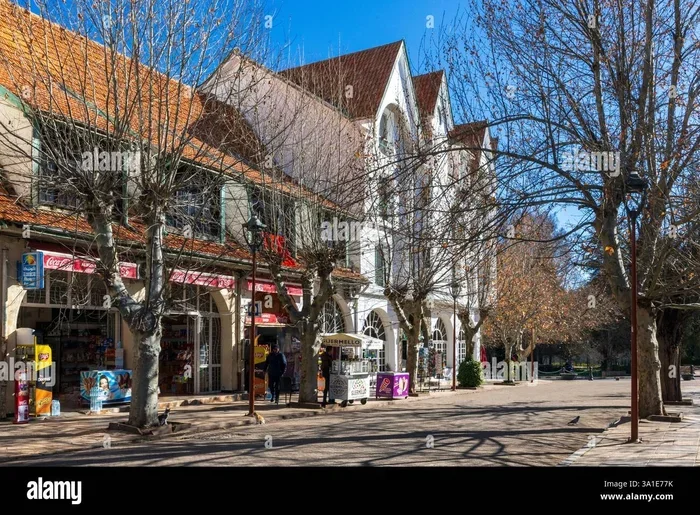
Featured image for Morocco Ifrane mountain town
Image source: c8.alamy.com
An 11 day tour from Fes to Ifrane offers the perfect blend of culture, nature, and adventure in Morocco. Travelers explore imperial cities like Meknes and Fes, wander through the “Switzerland of Morocco” in Ifrane, ride camels in the Sahara Desert, and hike through stunning Middle Atlas landscapes. This extended itinerary gives you time to truly connect with Moroccan life, from bustling souks to peaceful mountain villages, creating memories that last a lifetime.
Picture this: you wake up to the call to prayer echoing over a thousand-year-old medina, sip mint tea in a cedar forest where Barbary monkeys play, and watch the sun set over towering sand dunes in the Sahara. This is not a dream. This is what an 11 day tour from Fes to Ifrane feels like. It is a journey that takes you through the heart of Morocco, revealing layers of history, culture, and natural beauty that few other trips can match.
Morocco sits at the crossroads of Africa, Europe, and the Middle East. For centuries, traders, travelers, and conquerors have passed through its lands, leaving behind a rich tapestry of traditions. The Fes to Ifrane route is special because it captures the country’s contrasts in just over a week. You start in the spiritual capital of Fes, travel through the imperial city of Meknes, climb into the cool mountains of Ifrane, and venture south toward the desert. Each day brings something new.
Whether you are a solo adventurer, a couple seeking romance, or a family wanting to share an extraordinary experience, this tour has something for everyone. The 11 day format is ideal because it balances exploration with relaxation. You never feel rushed, and you have time to truly absorb each destination. Let’s dive into everything you need to know about this unforgettable Moroccan adventure.
Key Takeaways
- Duration and Pace: An 11 day tour allows a relaxed pace, covering 5-6 hours of driving daily with plenty of stops for sightseeing and rest.
- Diverse Landscapes: The journey transitions from arid plains to lush cedar woodlands, ending with the golden dunes of Merzouga.
- Cultural Depth: You will visit four UNESCO World Heritage sites, including the medinas of Fes and Meknes.
- Best Travel Seasons: Spring (March-May) and autumn (September-November) offer the most comfortable weather for this circuit.
- Budget Range: Mid-range tours typically cost between $1,200 and $2,000 per person, including accommodation and transport.
- Physical Activity: The tour involves light to moderate walking, suitable for most fitness levels, with optional camel treks available.
- Local Experiences: Stays in family-run riads and guesthouses provide authentic insights into Moroccan hospitality and traditions.
📑 Table of Contents
- What Is the Fes to Ifrane 11 Day Tour?
- When Is the Best Time to Take This Tour?
- Why Choose an 11 Day Itinerary Instead of a Shorter Tour?
- What Will You See and Do Each Day?
- How Much Does the Tour Cost and What Is Included?
- Where Should You Stay and What Should You Pack?
- What Safety and Health Precautions Are Needed?
- Conclusion: Is the Fes to Ifrane 11 Day Tour Worth It?
What Is the Fes to Ifrane 11 Day Tour?
The Fes to Ifrane 11 day tour is a carefully planned travel circuit that begins in the imperial city of Fes and loops through some of Morocco’s most stunning regions. Think of it like a beautifully wrapped gift that you slowly unwrap over nearly two weeks. Each day reveals a new layer of the country, from ancient ruins to modern mountain towns.
Who Is This Tour Designed For?
This itinerary is perfect for travelers who want more than a quick snapshot of Morocco. It suits people with moderate fitness levels, since you will do some walking and perhaps a short camel ride. Families with children over the age of 8 also find this tour enjoyable, as the pace is manageable and the activities are varied. Couples love the romantic riad stays, while solo travelers appreciate the structured yet social nature of group departures.
What Does the Route Cover?
The route covers approximately 1,500 kilometers (about 932 miles) over 11 days. You travel in a comfortable air-conditioned vehicle, usually a 4×4 or minivan, depending on the group size. The path winds through:
- The Imperial Cities: Fes and Meknes, with their stunning architecture and historical significance.
- The Middle Atlas Mountains: Featuring Ifrane, Azrou, and lush cedar forests.
- The Sahara Desert: Reaching the Erg Chebbi dunes near Merzouga.
- Berber Villages: Scattered throughout the valleys and mountains.
Did you know that Fes was founded in 789 AD and once had a library called the University of al-Qarawiyyin, which is considered the oldest continuously operating university in the world? The Guinness World Records recognized it in 2023 as the oldest university still in operation. When you walk through Fes, you are literally walking through a living museum.
When Is the Best Time to Take This Tour?
Timing can make or break your travel experience. Morocco’s climate varies dramatically by region, so the best time depends on what you want to see and do.
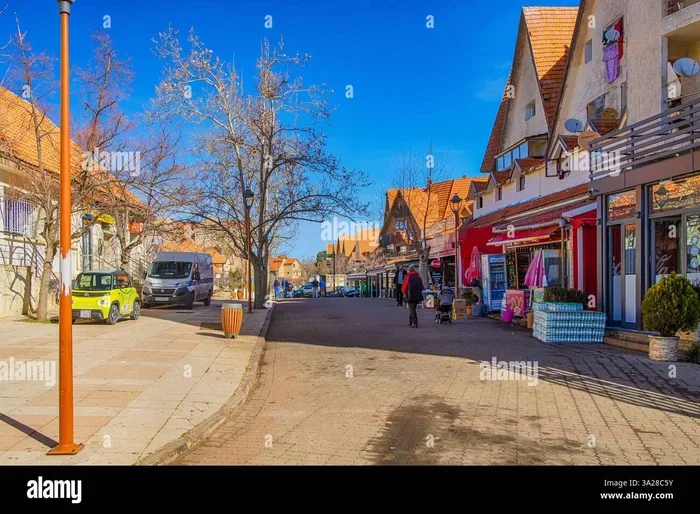
Visual guide about Morocco Ifrane mountain town
Image source: c8.alamy.com
Spring: March to May
Spring is widely considered the best season for this tour. Temperatures in Fes and Meknes hover around 20-25°C (68-77°F), making city walks enjoyable. The Middle Atlas mountains bloom with wildflowers, and the desert is warm but not scorching. Expect clear skies and excellent visibility for photography. This is peak tourist season, so book accommodations 2-3 months in advance.
Autumn: September to November
Autumn offers similar advantages to spring, with the added bonus of harvest season. You might catch the famous Erfoud date festival in October or see local markets full of fresh produce. Temperatures are slightly cooler, and the summer crowds have dispersed. Mid-October is often called the “golden window” by travel experts.
Summer and Winter Considerations
Summer (June to August) can be challenging. Desert temperatures soar above 45°C (113°F), and cities feel humid. However, Ifrane stays cool due to its elevation, reaching only 28°C (82°F). Winter (December to February) brings snow to Ifrane, which is magical, but desert nights can be freezing cold, dropping to 0°C (32°F).
Did You Know?
Ifrane is often called the “Switzerland of Morocco” because of its alpine-style architecture and snow-covered winters. In 2013, The Huffington Post ranked it as one of the cleanest cities in the world. If you visit in January, you might actually see snow, which is rare in Africa.
Why Choose an 11 Day Itinerary Instead of a Shorter Tour?
You might wonder, why spend 11 days when you could see Morocco in 5 or 7? The answer lies in the quality of experience. Imagine trying to drink a cup of tea in one gulp versus sipping it slowly over an hour. The longer tour is like slow sipping.
The Value of Time
An 11 day tour gives you time to truly immerse yourself. You can spend an entire day getting lost in the labyrinthine alleys of Fes, then dedicate another day to the Sahara without feeling exhausted. Shorter tours rush you through highlights, leaving you with photos but few memories. According to a 2022 travel survey by Booking.com, 73% of travelers say they want deeper cultural experiences rather than rushed sightseeing.
Reduced Travel Fatigue
Driving days are spread out, with each segment lasting 3-5 hours. You avoid the exhausting 10-hour marathon drives common in 5-day tours. This means you arrive at each destination refreshed and ready to explore, not tired and grumpy. Think of it like comparing a sprint to a gentle jog, both get you there, but one is far more enjoyable.
Authentic Encounters
With more time, tour operators can arrange special experiences. You might join a local family for a tagine cooking class, visit a women’s cooperative producing argan oil, or share a tea ceremony with a Berber elder. These moments transform a vacation into a life-changing journey.
What Will You See and Do Each Day?
Let’s break down a typical itinerary so you know exactly what to expect. While schedules vary by company, most 11 day tours follow a similar structure.
Days 1-2: Exploring Fes
You start in Fes, Morocco’s spiritual and cultural capital. A local guide leads you through the medina, a UNESCO World Heritage site since 1981. You visit the Al-Qarawiyyin University, the Bou Inania Madrasa, and the famous Chouara Tanneries. The tanneries are like a living painting, where workers have dyed leather using the same methods for nearly 1,000 years. Bring a mint sprig to hold under your nose, the smell is strong!
On day two, you explore Fes el-Jdid, the newer part of the city, and visit the Mellah (Jewish Quarter). You might also stop at a pottery workshop where artisans shape clay by hand, just as they did in the 14th century.
Days 3-4: Meknes and Volubilis
On day three, you drive about 60 kilometers (37 miles) west to Meknes, another imperial city. Here you see the impressive Bab Mansour gate, the Mausoleum of Moulay Ismail, and the Heri es-Souani granaries. The granaries once stored grain for thousands of horses and are an architectural marvel.
Day four takes you to Volubilis, the best-preserved Roman ruins in Morocco. This UNESCO site features stunning mosaics, triumphal arches, and columns. Did you know that Volubilis was the capital of the Kingdom of Mauretania and dates back to the 3rd century BC? It was abandoned after a massive earthquake in the 1700s but has been carefully preserved.
Days 5-6: The Middle Atlas Mountains
Now the landscape changes dramatically. You drive into the Middle Atlas, where the air turns crisp and pine-scented. You stop in Ifrane, admiring its clean streets and red-roofed houses. Then you continue to Azrou, famous for its cedar forest.
In Azrou, you meet the Barbary macaques, the only primate species in North Africa. The Cedar Forest of Azrou covers about 130 square kilometers (50 square miles) and is home to these playful monkeys. You feed them walnuts and watch them swing through the ancient trees, some of which are over 800 years old.
Days 7-8: Journey to the Sahara
The scenery transforms again as you descend toward the desert. You pass through the Ziz Valley, a stunning palm oasis with over 18,000 acres of date palms. The road winds through dramatic gorges and past traditional Berber villages.
By day eight, you reach Merzouga, the gateway to Erg Chebbi. Here you swap your vehicle for a camel and ride into the dunes. The trek takes about 90 minutes, timed perfectly for sunset. You spend the night in a desert camp, sleeping under canvas or under the stars. The silence of the Sahara is profound, broken only by the wind and distant music from the camp.
Days 9-10: Desert Exploration and Return North
You wake early for sunrise over the dunes, a moment many travelers describe as life-changing. After breakfast, you might visit a local Gnad (Berber) music performance or explore the nearby Khamlia village, famous for its sub-Saharan music.
The return journey takes you through Errachidia and the stunning Todra Gorge, where cliffs rise 400 meters (1,312 feet) on either side. You overnight in a kasbah-style hotel, often with views of the valley.
Day 11: Back to Fes
On the final day, you drive back to Fes through the Middle Atlas, with stops at Midelt for its famous fossils and apples. You arrive in Fes by late afternoon, with time for last-minute shopping or a final Moroccan dinner.
How Much Does the Tour Cost and What Is Included?
Understanding the financial side helps you budget properly and avoid surprises.
Typical Price Ranges
Prices vary based on accommodation standards and group size. As of 2025, average costs per person are:
- Budget tours: $800-$1,000 per person (shared rooms, basic riads).
- Mid-range tours: $1,200-$1,800 per person (private rooms, 3-4 star riads).
- Luxury tours: $2,500-$4,000 per person (5-star riads, private vehicles, premium desert camps).
What Is Typically Included
Most reputable tours include:
- Airport transfers in Fes
- Transportation in air-conditioned vehicles
- English-speaking driver/guide
- Accommodation for 10 nights
- Daily breakfast and 5-6 dinners
- Camel trek in the Sahara
- Local guides in Fes and Volubilis
What Is Usually Not Included
Budget separately for international flights, travel insurance, lunches, drinks, entry fees to monuments (about $1-3 per site), tipping ($5-10 per day for guides), and souvenirs. Moroccan crafts are stunning but tempting, so bring extra spending money!
Money-Saving Tips
Travel in shoulder seasons (April or October) for lower prices. Book directly with local Moroccan operators rather than international agencies to save 20-30%. Join group tours if you are solo or a couple, as private tours cost significantly more.
Where Should You Stay and What Should You Pack?
Accommodations and packing play crucial roles in your comfort and enjoyment.
Types of Accommodation
You will stay in a mix of traditional riads (courtyard houses converted to hotels), kasbah hotels (fort-like buildings), and desert camps. Riads are particularly special because they offer a glimpse into Moroccan domestic architecture. Most feature central fountains, tile work, and rooftop terraces with city views.
In the desert, you can choose between standard camps with shared bathrooms or luxury camps with private tents, en-suite bathrooms, and even hot showers. The luxury option costs more but adds incredible comfort after a long camel ride.
Packing Essentials
Pack smart for this tour. You need layers because temperatures swing from cold mornings in Ifrane to hot desert afternoons. Essential items include:
- Clothing: Lightweight long pants, modest tops, a warm jacket, scarf for desert sand.
- Footwear: Comfortable walking shoes plus sandals for the desert.
- Sun protection: Hat, sunglasses, SPF 30+ sunscreen.
- Health: Personal medications, hand sanitizer, wet wipes.
- Tech: Camera, power bank, universal adapter (Morocco uses Type C plugs).
- Extras: Headlamp for desert nights, refillable water bottle, small gifts for hosts if you wish.
Did You Know?
Morocco uses both Type C and Type E electrical plugs, with 220V voltage. Most modern electronics are dual voltage, but check your chargers before plugging in. Power outages are rare in cities but possible in remote areas, so bring a power bank.
What Safety and Health Precautions Are Needed?
Morocco is generally safe for tourists, but like any destination, it requires some common sense and preparation.
Personal Safety
Petty crime exists, particularly in crowded medinas. Keep your wallet in your front pocket, avoid displaying expensive jewelry, and be cautious with smartphones in busy markets. According to the UK Foreign Office 2024 report, Morocco has a low crime rate compared to other North African countries.
Women travelers should dress modestly, covering shoulders and knees, especially in rural areas. This is more about cultural respect than safety. Morocco is welcoming to solo female travelers, who report feeling safe when following local customs.
Health Considerations
Tap water is not safe to drink. Stick to bottled or filtered water, which is widely available. Eat at recommended restaurants and avoid street food if you have a sensitive stomach. Most tour operators provide bottled water in their vehicles.
No special vaccinations are required for Morocco, but the CDC recommends being up-to-date on routine vaccines and considering Hepatitis A and Typhoid. Consult your doctor 4-6 weeks before travel.
Travel Insurance
Always purchase comprehensive travel insurance that covers medical evacuation, trip cancellation, and adventure activities like camel trekking. Costs range from $50-$150 for an 11-day policy. This is non-negotiable in our opinion, even for experienced travelers.
Communication Tips
Learn a few Arabic or French phrases. While most guides speak English, locals appreciate attempts to speak their language. “Shukran” means thank you, “Salaam alaikum” means peace be upon you. These small gestures open doors and hearts.
Conclusion: Is the Fes to Ifrane 11 Day Tour Worth It?
The answer is a resounding yes. This tour offers something rare in modern travel, the chance to slow down and truly experience a destination. You will return home with more than photos; you will carry stories, friendships, and a deeper understanding of a culture that has welcomed travelers for centuries.
From the moment you step into the chaotic beauty of Fes medina to your last sunset over the Sahara dunes, every day brings discovery. The mountains of Ifrane offer fresh air and alpine charm. The cedar forests invite quiet reflection. The desert strips away distractions, leaving only wonder.
Morocco is a country that engages all your senses. The smell of spices, the sound of the call to prayer, the taste of mint tea, the feel of handmade textiles, and the sight of landscapes that shift like chapters in a book. An 11 day tour gives you the time to appreciate all of it.
So, pack your bags, bring your curiosity, and prepare for the journey of a lifetime. The Fes to Ifrane 11 day tour is waiting to show you Morocco in all its magnificent complexity. Book your adventure today and start counting the days until you find yourself standing in the middle of a thousand-year-old medina, wondering how you ever lived without this experience.
Frequently Asked Questions
How physically demanding is the Fes to Ifrane 11 day tour?
The tour involves moderate walking, especially in medinas with uneven surfaces and hills. Most days require 2-3 hours of walking. The camel trek is gentle and suitable for most fitness levels. If you have mobility concerns, inform your tour operator in advance for accommodations.
Is it safe for solo female travelers?
Yes, Morocco is generally safe for solo female travelers. The country has a strong tourism infrastructure and local guides are respectful. Dress modestly, avoid walking alone in medinas at night, and trust your instincts. Many women travel solo on this exact route without issues.
Can I customize the itinerary?
Most tour operators offer customizable private tours. You can add destinations like Chefchaouen, extend your stay in certain cities, or upgrade to luxury accommodations. Group tours have fixed itineraries, but private tours give you full flexibility to tailor your experience.
What currency should I bring to Morocco?
The Moroccan Dirham (MAD) is the local currency. Bring euros or US dollars to exchange at banks or official exchange offices. Avoid exchanging money at the airport due to poor rates. ATMs are widely available in cities but rare in remote areas, so carry enough cash for the desert portion.
Do I need a visa for Morocco?
Citizens of most Western countries, including the US, UK, Canada, EU, and Australia, do not need a visa for stays under 90 days. You simply need a valid passport with at least 6 months remaining validity. Always check current requirements with your local Moroccan embassy before traveling.
What is the food like on the tour?
Moroccan cuisine is delicious and varied. Expect tagines (slow-cooked stews with meat and vegetables), couscous, fresh salads, and the famous mint tea. Breakfast typically includes bread, jam, cheese, and eggs. If you have dietary restrictions, inform your tour operator in advance, as Morocco accommodates vegetarians, vegans, and most allergies well.