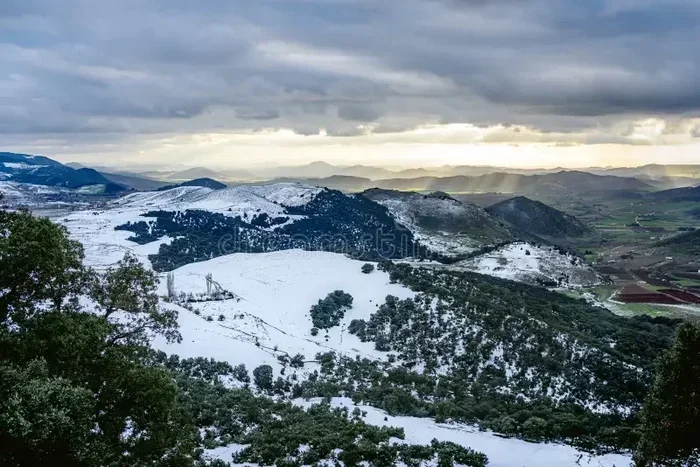
Featured image for Morocco Fez Ifrane landscape
Image source: thumbs.dreamstime.com
Embark on an unforgettable 15-day journey from Fes to Ifrane, exploring Morocco’s most captivating destinations. This comprehensive tour weaves through imperial cities, ancient medinas, dramatic mountain passes, and the “Switzerland of Morocco” in Ifrane. Perfect for travelers seeking an authentic Moroccan experience, this itinerary balances cultural immersion, scenic beauty, and adventure across two weeks.
Magine spending fifteen unforgettable days journeying through the heart of Morocco, from the ancient imperial city of Fes to the alpine charm of Ifrane. This isn’t just a trip; it’s a deep dive into centuries of history, vibrant culture, and breathtaking landscapes that will leave you with stories to tell for years to come.
Morocco is a country that captures your imagination from the very first moment. Think of it as a living museum where ancient medinas buzz with life, mountains touch the sky, and every meal feels like a celebration. A 15-day tour gives you the luxury of time. Instead of rushing from one postcard view to the next, you can actually breathe in the mint tea, chat with local artisans, and watch the sunset paint the desert gold.
What makes this particular route so special? It starts in Fes, the world’s largest car-free urban area, and ends in Ifrane, a town so unexpectedly European that it feels like you’ve stepped into another country entirely. In between, you’ll discover a Morocco that many tourists miss entirely.
Key Takeaways
- Two-Week Duration: A 15-day tour from Fes to Ifrane provides ample time to explore Morocco’s diverse regions without feeling rushed.
- Cultural Highlights: The journey includes visits to imperial cities, UNESCO World Heritage Sites, and traditional Berber villages.
- Scenic Diversity: Travelers experience everything from fertile plains and cedar forests to the Atlas Mountains and Sahara Desert edges.
- Ifrane’s Charm: Known as “Little Switzerland,” Ifrane offers a refreshing escape with European-style architecture and clean mountain air.
- Optimal Route: The Fes-to-Ifrane route passes through Meknes, Volubilis, the Middle Atlas, and several charming towns along the way.
- Best Season: Spring (March-May) and autumn (September-November) offer the most comfortable weather for this extended tour.
- Budget-Friendly Options: A 15-day tour can be tailored for various budgets, from budget backpacker routes to luxury guided experiences.
📑 Table of Contents
- Why Choose a 15-Day Tour from Fes to Ifrane?
- Who Is This Tour Perfect For?
- What Will You See on the 15-Day Route?
- Where Does the Tour Take Place?
- When Is the Best Time to Take This Tour?
- How to Plan Your 15-Day Tour
- What to Pack for Your 15-Day Adventure
- Tips for an Amazing Experience
- Final Thoughts on Your 15-Day Journey
Why Choose a 15-Day Tour from Fes to Ifrane?
Let’s be honest: Morocco has so much to offer that cramming it all into a week feels impossible. A 15-day tour solves this problem beautifully. Think of it like watching a movie versus reading the book. The longer version gives you all the rich details, the character development, and the scenes that make the story truly memorable.
The Freedom of Two Full Weeks
With fifteen days, you can actually slow down. You can spend a whole morning wandering the medina of Fes without checking your watch. You can take a detour to a village that wasn’t on your original plan. You can rest in a café when you’re tired instead of powering through exhaustion. This kind of flexibility transforms a good trip into a great one.
Did you know that Morocco receives over 13 million tourists annually? Yet most spend only four to five days in the country. Travelers who stay longer consistently report deeper cultural connections and more meaningful experiences. The extra time literally changes the quality of your journey.
Perfect Balance of Cities and Nature
This particular route is brilliant because it balances urban exploration with natural beauty. You’ll start in the bustling imperial cities, travel through ancient Roman ruins, cross mountain ranges, and end in a peaceful mountain town. It’s like getting four vacations in one.
Who Is This Tour Perfect For?
Let’s talk about who will love this 15-day adventure. Spoiler alert: it’s pretty much everyone, but some travelers will find it especially magical.
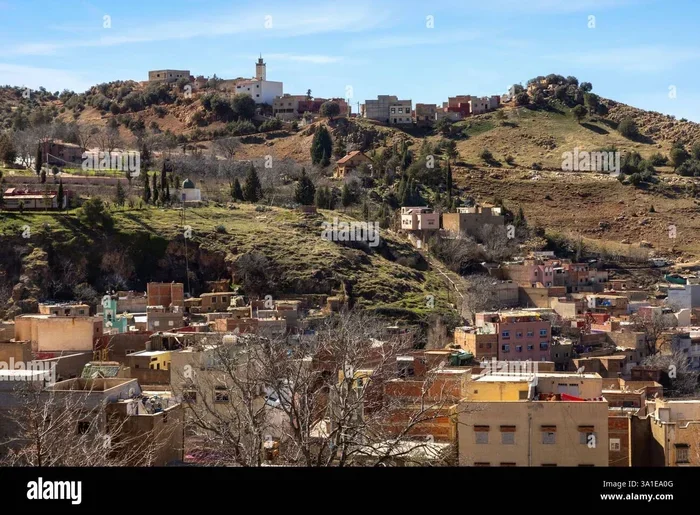
Visual guide about Morocco Fez Ifrane landscape
Image source: c8.alamy.com
Culture Enthusiasts and History Buffs
If you’re the kind of person who loves standing in a 1,200-year-old building and feeling the weight of history, this tour is your dream. Fes alone has over 9,000 alleys in its medina, many of which lead to madrasas, mosques, and fondouks (traditional inns) dating back to the medieval period. You’ll visit Volubilis, a UNESCO World Heritage Site with some of the best-preserved Roman mosaics in North Africa.
Nature Lovers and Photographers
Bring an empty memory card. The landscapes along this route are staggeringly diverse. You’ll photograph everything from snow-capped Atlas Mountains to cedar forests, from fertile valleys to alpine lakes. Ifrane itself sits at 1,665 meters above sea level, which means cooler temperatures and occasionally snow in winter, creating that distinctive Swiss charm.
Families and Multi-Generational Travelers
A 15-day tour from Fes to Ifrane works wonderfully for families. The pace is manageable, the activities are varied, and there’s something for every age group. Kids love the monkey encounters in the Middle Atlas cedar forests, while grandparents appreciate the comfortable accommodations and rich cultural experiences.
Solo Adventurers
Traveling solo? This route is incredibly safe and welcoming for independent travelers. Moroccans are known for their hospitality, and you’ll find plenty of opportunities to connect with locals, join small group tours, or hire private guides as you prefer.
What Will You See on the 15-Day Route?
Here’s where we get into the exciting details. The route from Fes to Ifrane isn’t just a straight line. It’s a carefully crafted journey that takes you through Morocco’s most fascinating regions.
Days 1-3: Exploring the Medina of Fes
Your adventure begins in Fes, the spiritual and cultural capital of Morocco. Spend your first three days getting lost in the medina, which is honestly the best way to experience it. Key highlights include the Al-Qarawiyyin Mosque and University, founded in 859 AD and recognized by Guinness World Records as the oldest continuously operating university in the world.
Don’t miss the Chouara Tanneries, where leather has been processed the same way for nearly a thousand years. Yes, it smells strong, but the view from the terraces above is unforgettable. The colorful dye pits look like an artist’s palette come to life.
Wander through the narrow streets and discover hidden gems like the Nejjarine Museum of Wooden Arts and Crafts, housed in a beautifully restored fondouk. The medina is a labyrinth, but that’s part of its charm. Every corner turned reveals something new.
Days 4-5: Meknes and Volubilis
Just an hour from Fes lies Meknes, another imperial city with its own distinct personality. The scale here is grand. Think massive gates like Bab Mansour, one of the most impressive in Morocco, and the sprawling Heri es-Souani granaries that once stored grain for the entire empire.
Then there’s Volubilis, about 33 kilometers from Meknes. This ancient Roman city dates to the 3rd century BC and was once the capital of the Kingdom of Mauritania. The mosaics here are stunning, particularly the one depicting the Labors of Hercules. Walking through the ruins, you can almost hear the echoes of Roman civilization.
Days 6-8: The Middle Atlas Adventure
This is where the landscape starts to change dramatically. The Middle Atlas Mountains rise before you, covered in dense cedar forests. Here’s a fun fact: the cedars here are home to Barbary macaques, the only monkey species native to Africa north of the Sahara. You’ll often see them along the roadside, and they’re surprisingly entertaining to watch.
Key stops include Azrou, a Berber town known for its weekly market and woodcarving traditions, and the stunning Ifrane National Park. The town of Ifrane itself is your next major destination.
Days 9-11: Discovering Ifrane and Surroundings
Now you’ve arrived in Ifrane, and the first thing you’ll notice is how different it feels. Clean streets, red-roofed houses, manicured gardens. It’s nicknamed “Little Switzerland of Morocco” or “the City of Flowers.” Founded in 1929 during the French colonial period, it was designed as a hill station and still retains that European alpine character.
Spend time exploring the lion statues, which have become the town’s symbol. One local legend says a lion was once captured from the nearby Atlas Mountains and brought to the town square. Visit Al Akhawayn University, a beautiful campus modeled after Oxford and Harvard. Take a day trip to the nearby ski resort of Michlifen, which actually operates in winter.
Days 12-15: Extended Excursions and Return
The final stretch of your tour can include excursions to nearby attractions or a relaxed journey back through different scenery. Consider a day trip to the source of the Oum Er-Rbia River, one of Morocco’s most important waterways. Or head toward Sefrou, a charming town with a Jewish mellah (quarter) and beautiful waterfalls.
This is also your time to slow down. Enjoy long lunches on terraces overlooking valleys. Have conversations with shopkeepers. Take photographs of everyday life. The best memories often come from unplanned moments.
Where Does the Tour Take Place?
Let’s get specific about the geography. The 15-day tour from Fes to Ifrane covers several distinct regions, each with its own character.
The Fes-Meknes Region
This northern-central region is often called Morocco’s cultural heartland. It contains three UNESCO World Heritage Sites: the medina of Fes, the archaeological site of Volubilis, and the historic city of Meknes. The climate here is Mediterranean, with warm summers and mild winters.
The region is famous for its wine production (yes, Morocco produces wine!), its olive groves, and its rich agricultural traditions. You’ll see farmers working fields much as their ancestors did centuries ago.
The Middle Atlas Mountains
As you travel south toward Ifrane, the terrain rises into the Middle Atlas. This mountain range runs diagonally across Morocco and separates the more humid north from the drier south. The elevation creates a unique microclimate, which is why the cedar forests thrive here.
The Middle Atlas is home to Berber communities who have lived in these mountains for thousands of years. Their distinctive villages, built from local stone and earth, blend perfectly with the landscape.
The Ifrane Area
Located in the Meknes-Tafilalet region, Ifrane sits at about 1,665 meters elevation. The town experiences snowfall in winter, which is unusual for Morocco. Average temperatures range from 3°C in winter to 25°C in summer, making it a popular escape from the heat of lower elevations.
When Is the Best Time to Take This Tour?
Timing can make or break your experience. While Morocco is a year-round destination, certain seasons are better for this particular route.
Spring: The Sweet Spot (March-May)
Spring is arguably the best time for a 15-day tour from Fes to Ifrane. Temperatures are comfortable, ranging from 15°C to 25°C in most areas. The countryside comes alive with wildflowers, especially in the Middle Atlas. Ifrane is particularly beautiful in spring, when gardens burst into bloom.
Ramadan typically falls during this period in some years, which affects opening hours and restaurant availability. However, it also offers a unique cultural experience if you don’t mind adjusting your schedule.
Autumn: Equally Beautiful (September-November)
Autumn brings cooler temperatures after the summer heat and clear skies that make for excellent photography. The harvest season means fresh produce everywhere, and the tourist crowds thin out after the European summer vacation.
October and November are especially good for hiking in the Atlas Mountains if your tour includes any trekking segments.
Winter: Magical but Cool (December-February)
Winter in Ifrane means snow. There’s something surreal about seeing snow-capped mountains and ski slopes in Morocco. Temperatures can drop to freezing, especially at higher elevations, but the crowds are minimal and prices are lower.
If you choose winter, pack warm layers, especially for evening hours. Some mountain passes may occasionally close due to snow, so flexibility is important.
Summer: Hot but Manageable (June-August)
Summer can be hot, especially in Fes and Meknes where temperatures often exceed 35°C. However, Ifrane and the Middle Atlas remain pleasantly cool, which is actually one of the reasons these areas were developed as summer retreats during the colonial era.
If you travel in summer, plan outdoor activities for mornings and evenings, and use midday hours for museums and restaurants.
How to Plan Your 15-Day Tour
Practical planning makes the difference between a stressful trip and a smooth adventure. Here are the key things to consider.
Booking Options: Guided vs. Independent
You have two main approaches: join a guided tour or plan independently. Guided tours offer convenience, local expertise, and pre-arranged logistics. They’re perfect if you want everything handled for you. Independent travel gives you more flexibility and can be more budget-friendly, but requires more research and preparation.
For a 15-day itinerary that covers multiple regions, many travelers opt for a mix: a guided tour for specific segments and independent travel for others. This balances cost, convenience, and flexibility.
Transportation: Getting Around
The most common ways to travel between cities are trains (excellent in Morocco), grand taxis (shared taxis between cities), private drivers, and rental cars. For a 15-day tour, many travelers hire a private driver for the entire journey, which costs roughly $40-60 per day plus fuel.
Public transportation is well-developed between major cities like Fes and Meknes, but becomes less convenient in mountain areas. If you value comfort and flexibility, a private driver is worth considering.
Accommodation: Where to Stay
Morocco offers incredible range in accommodations. In Fes, stay in a traditional riad (a courtyard house converted to a hotel) within the medina for an authentic experience. In Ifrane, you can choose between standard hotels and luxury resorts, including the famous Michlifen resort.
Budget travelers can find clean, comfortable hotels for $20-30 per night. Mid-range options run $50-100, and luxury accommodations start around $150 per night.
Budgeting: What to Expect
For a 15-day tour, budget roughly $80-120 per day for a mid-range experience, including accommodation, meals, transportation, and entrance fees. Budget travelers can manage on $40-60 per day, while luxury travelers should plan for $200-500 daily.
Did you know that Morocco is currently developing high-speed rail lines that will eventually connect Tangier to Marrakech? This is making travel even easier, though the Fes-Ifrane route primarily uses conventional transport.
What to Pack for Your 15-Day Adventure
Packing smartly makes your journey more enjoyable. Here’s what you actually need.
Clothing Essentials
Pack layers, as temperatures vary significantly between regions and times of day. Bring a light jacket even in summer, as mountain evenings get cool. Comfortable walking shoes are essential, especially for medina exploration. One pair of nicer clothes works for upscale restaurants.
Modest clothing is respectful, particularly when visiting religious sites. Shoulders and knees should be covered in mosques and traditional areas.
Practical Items
Sunscreen (SPF 30 or higher), a hat, and sunglasses protect against strong sun. A reusable water bottle is essential, as tap water isn’t recommended for visitors. A small daypack for excursions keeps your hands free. Don’t forget universal power adapters and any personal medications.
Tech and Documents
Your passport should be valid for at least six months beyond your travel dates. Keep digital copies of important documents. Morocco uses the same plug types as Europe (Type C and E). A portable charger is useful, as you might not always have access to outlets during long days of exploration.
Tips for an Amazing Experience
After years of travelers sharing their experiences, certain tips consistently make trips better.
Learn a Few Arabic or French Phrases
Morocco’s official languages are Arabic and Berber, but French is widely spoken due to the colonial period. Learning basic phrases like “hello” (salam alaikum), “thank you” (shukran), and “how much?” (bchhal?) goes a long way in connecting with locals.
Embrace the Medina Experience
Medinas can feel overwhelming at first. The key is to accept that getting “lost” is part of the experience. Pick up a map but don’t rely on it entirely. Ask shopkeepers for directions; they’ll usually guide you partway. Better yet, hire a local guide for your first day in any new medina.
Try the Local Cuisine
Moroccan food is incredible and varied. Beyond the famous tagine and couscous, try specialties like pastilla (a sweet and savory pie), harira (a hearty soup), and msemen (flatbread). Street food like grilled corn and merguez sausages is delicious and cheap. Always eat where you see locals eating.
Respect Local Customs
Morocco is a Muslim country with conservative traditions in many areas. Ask permission before photographing people, especially women. During Ramadan, avoid eating, drinking, or smoking in public during daylight hours. These small gestures of respect are deeply appreciated.
Take Time for Ifrane
Many travelers rush through Ifrane as just another stop. Don’t make that mistake. Spend at least two or three days here. Walk the gardens, visit the university, hike in the surrounding forests. The pace is slower, and that’s the point. Ifrane is your reward for the journey.
Final Thoughts on Your 15-Day Journey
A 15-day tour from Fes to Ifrane offers something rare in modern travel: the luxury of depth. You won’t just see Morocco; you’ll understand it. You’ll taste it, smell it, hear it, and feel it in ways that shorter trips simply don’t allow.
This route takes you through the soul of the country, from medieval medinas where artisans still practice crafts their ancestors invented centuries ago, to mountain towns where the air is so clean it almost sparkles. It’s a journey that engages every sense and creates memories that last a lifetime.
Whether you’re a first-time visitor to Morocco or returning for a deeper exploration, the Fes to Ifrane route delivers on every front: history, culture, nature, cuisine, and genuine human connection. The country has welcomed travelers for centuries, and it shows in the warmth of its people and the comfort of its infrastructure for visitors.
Start planning your 15-day adventure today. The medinas of Fes are waiting to share their secrets, the cedar forests are ready to reveal their monkeys, and the alpine charm of Ifrane is prepared to surprise you with its unique character. Your Moroccan story begins here.
Frequently Asked Questions
Is a 15-day tour from Fes to Ifrane suitable for families with children?
Absolutely. This 15-day itinerary works wonderfully for families with kids of all ages. The pace is relaxed, attractions are varied, and there are plenty of exciting experiences like spotting Barbary macaques, exploring ancient ruins, and enjoying mountain scenery that children love.
What is the best time of year to take this 15-day tour?
Spring (March-May) and autumn (September-November) offer the most comfortable temperatures and beautiful scenery. Winter brings snow to Ifrane for a unique experience, while summer is hot in lower elevations but pleasant in the mountains.
How much should I budget for a 15-day tour from Fes to Ifrane?
Budget travelers can manage on $40-60 per day, mid-range travelers should plan for $80-120 per day, and luxury experiences run $200-500 daily. These estimates include accommodation, meals, transportation, and entrance fees.
Do I need a visa for Morocco?
Citizens of over 60 countries, including the US, UK, EU, Canada, and Australia, can visit Morocco visa-free for up to 90 days. Your passport should be valid for at least six months beyond your travel dates. Always check current requirements before traveling.
Is it safe to travel independently on this route?
Yes, Morocco is generally very safe for tourists. The Fes-Ifrane route is well-traveled and infrastructure is good. Standard precautions apply, such as watching for pickpockets in crowded medinas and being cautious with unofficial guides. Solo female travelers should dress modestly and use registered guides in medinas.
What should I pack for a 15-day tour of this route?
Pack layers for varying temperatures, comfortable walking shoes, modest clothing for religious sites, sunscreen, a hat, and a reusable water bottle. Include a light jacket even in summer for mountain evenings. Don’t forget universal power adapters and any personal medications you need.