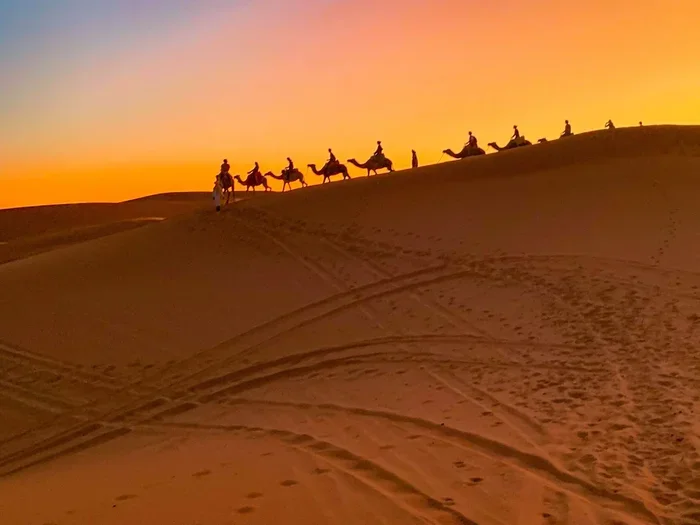
Featured image for Morocco desert camel sunset
Image source: thesmoothescape.com
A 14 days tour from Fes to Chefchaouen is the ultimate Moroccan adventure, blending imperial history, desert magic, mountain landscapes, and coastal charm. This comprehensive itinerary covers ancient medinas, the vast Sahara Desert, the stunning Atlas Mountains, and the iconic blue-painted streets of Chefchaouen. Perfect for travelers seeking an authentic, immersive experience, this two-week journey showcases the very best of Morocco in one unforgettable trip.
Morphine travelers often dream about Morocco, but few actually understand just how much this North African gem has to offer. Imagine spending two full weeks exploring ancient imperial cities, riding camels across golden Sahara dunes, wandering through dramatic mountain gorges, and ending your journey in a town painted entirely in shades of blue. That’s exactly what a 14 days tour from Fes to Chefchaouen delivers.
Morocco is like a living museum wrapped in a vibrant cultural tapestry. Every region tells a different story. The north feels Mediterranean and calm. The south pulses with Saharan heat and Berber traditions. The coast breathes salty Atlantic air. And the mountains? They stand like ancient guardians, connecting all these worlds together.
This guide will walk you through everything you need to know about planning and enjoying the ultimate 14-day Moroccan adventure. Whether you’re a solo traveler, a couple seeking romance, or a family looking for cultural enrichment, this itinerary has something magical for everyone. Let’s dive in!
Key Takeaways
- Two-Week Duration: A 14-day tour provides the perfect timeframe to explore Morocco’s diverse landscapes without feeling rushed, covering roughly 2,000+ kilometers of terrain.
- Imperial Cities Included: The route typically features Fes, Meknes, Rabat, and Marrakech, offering deep dives into Morocco’s rich royal history and architectural heritage.
- Sahara Desert Experience: Camel trekking and overnight stays in Erg Chebbi desert camps are highlights, offering sunrise and sunset views unlike anywhere else on Earth.
- Mountain Crossings: Travelers journey through the Middle and High Atlas Mountains, with scenic drives through the Ziz Valley, Todra Gorge, and Dades Valley.
- Chefchaouen Finale: Ending in the “Blue Pearl” of Morocco provides a peaceful, photogenic conclusion to an action-packed adventure.
- Cultural Immersion: The tour includes authentic experiences like Berber village visits, traditional Moroccan cooking classes, and guided medina tours with local experts.
- Best Travel Seasons: Spring (March-May) and autumn (September-November) offer the most comfortable weather for this extensive touring route.
📑 Table of Contents
Why Choose a 14-Day Tour from Fes to Chefchaouen?
Morocco packs an almost absurd amount of diversity into a country roughly the size of California. Trying to see it in a few days is like trying to read an entire novel by skimming the table of contents. A 14-day tour gives you the breathing room to actually absorb what you’re experiencing.
Think of it this way: if Morocco were a beautiful multi-course meal, a 3-day trip lets you taste one appetizer. A 14-day tour lets you enjoy the entire feast. You’ll have time to linger in a souk without worrying about catching a bus. You can sit quietly watching the sun set over Erg Chebbi without checking your watch. You can chat with a local artisan about their craft instead of rushing past their shop.
The Perfect Balance of Highlights and Hidden Gems
Most travelers want to see Morocco’s “big hitters” the Hassan II Mosque, the Sahara Desert, the blue streets of Chefchaouen. A 14-day itinerary delivers all of these, but it also includes lesser-known treasures that make the trip truly special:
- The Roman ruins of Volubilis
- The hidden rose gardens of the M’Goun Valley
- Traditional Berber markets in the High Atlas
- Coastal towns like Essaouira and Asilah
- Cascading waterfalls in the Middle Atlas
Did You Know? Morocco has nine UNESCO World Heritage Sites, and a 14-day tour typically visits at least four of them, including the medinas of Fes and Marrakech, the archaeological site of Volubilis, and the fortified city of Ait Ben Haddou.
Who Is This Tour Perfect For?
This 14 days tour from Fes to Chefchaouen appeals to a wide range of travelers:
- First-time visitors to Morocco who want a comprehensive introduction
- Culture enthusiasts eager to explore UNESCO sites and ancient medinas
- Adventure seekers wanting Sahara treks and mountain hikes
- Photography lovers chasing dramatic landscapes and colorful streets
- Foodies ready to taste tagines, couscous, and mint tea in their natural habitat
The Complete 14-Day Itinerary Breakdown
Now, let’s walk through what your two-week adventure actually looks like. I’ll break it down day by day, so you know exactly what to expect and can start getting excited about specific moments.
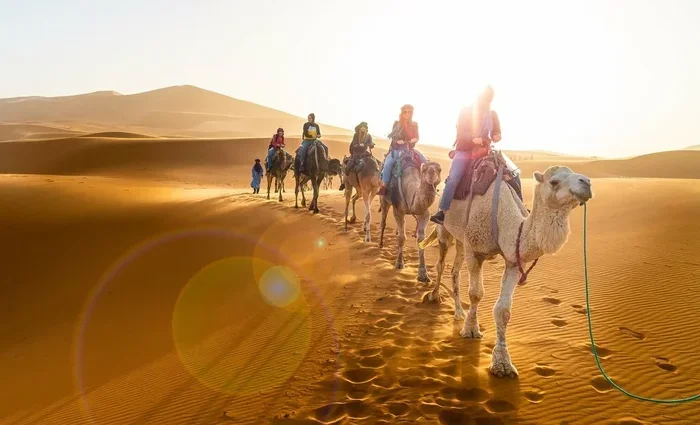
Visual guide about Morocco desert camel sunset
Image source: cdn.kimkim.com
Days 1-2: Exploring the Imperial City of Fes
Your adventure begins in Fes, Morocco’s spiritual and cultural capital. Founded in 789 AD, Fes is home to the world’s oldest continuously operating university, the University of al-Qarawiyyin, established in 859 AD. Yes, you read that right. This university is older than most European nations.
Day 1 typically involves arrival and orientation. After settling into your traditional riad (a Moroccan house with an interior garden), you’ll take a gentle walk through the modern Ville Nouvelle to acclimate. In the evening, enjoy your first authentic Moroccan dinner. Try the harira soup, a hearty tomato-based starter packed with lentils and chickpeas.
Day 2 is when Fes truly reveals its magic. A guided tour of the Fes el-Bali medina is absolutely essential. This labyrinth of narrow streets contains over 9,000 alleys, and trying to navigate it without a guide is like attempting to solve a Rubik’s cube blindfolded. Key stops include:
- The Chouara Tanneries (Morocco’s most famous leather production site)
- Al-Qarawiyyin University and Mosque
- The Bou Inania Medersa (a stunning 14th-century theological school)
- The Nejjarine Museum of Wooden Arts and Crafts
Pro tip: Bring a scarf or bandana. The tanneries have a strong, distinctive smell that locals call “the perfume of Fes.” Your nose will thank you later.
Days 3-4: Volubilis, Meknes, and the Middle Atlas
On day 3, you leave the bustle of Fes behind and travel west to the remarkably preserved Roman ruins of Volubilis. This UNESCO World Heritage Site features stunning mosaics, triumphal arches, and crumbling columns that tell stories of a Roman province that thrived here over 2,000 years ago.
An analogy for understanding Volubilis: Imagine walking onto the set of a Roman movie, except everything is real and ancient. The mosaics depict gods, animals, and daily life with such detail that you can almost hear the original inhabitants laughing in the background.
From Volubilis, you’ll continue to Meknes, another imperial city that’s often overshadowed by its more famous siblings. But Meknes has its own charm, including the magnificent Bab Mansour gate, the Sahrij Swani stables, and the Mausoleum of Moulay Ismail. The latter is one of the few Moroccan religious sites open to non-Muslim visitors.
Day 4 takes you into the Middle Atlas Mountains. The landscape transforms dramatically as you climb higher. Cedar forests replace olive groves. Barbary macaques (Morocco’s only native primates) might peek at you from the trees. You’ll stop in Ifrane, often called the “Switzerland of Morocco” because of its alpine-style architecture and clean streets.
Did You Know? Ifrane is so clean and orderly that it was awarded the title of Africa’s most beautiful city in a 2017 survey. It even has ski resorts in winter, making Morocco one of the few African countries with downhill skiing!
Days 5-7: The Sahara Desert Experience
This is the section most travelers anticipate the most, and for good reason. The Sahara Desert isn’t just a destination. It’s a transformation. Standing on top of a sand dune at sunrise, watching the light paint the desert in shades of gold, orange, and pink, is one of those life-defining moments.
Day 5 is a travel day, but a beautiful one. You’ll cross the Middle Atlas and descend into the Ziz Valley, a vast palm-fringed oasis stretching for miles. The road winds through dramatic gorges and past ancient kasbahs (fortified houses) made of earthen clay. By evening, you’ll reach the edge of the Sahara at Merzouga or Errachidia.
Day 6 is your Sahara day. You’ll hop onto a camel (or a 4×4 if you prefer) and ride into the Erg Chebbi dunes. These massive sand mountains can reach heights of 150 meters. After about 90 minutes of riding, you’ll arrive at your desert camp, where traditional Berber tents, comfortable bedding, and a hearty dinner await.
Evening entertainment typically includes:
- Berber drumming sessions around a campfire
- Stargazing (the Sahara offers some of the clearest night skies on Earth)
- Traditional mint tea ceremonies
- Storytelling under the stars
Day 7 starts with a pre-dawn climb to catch the sunrise, a moment of pure magic. After breakfast at camp, you’ll return to civilization and begin the journey toward the Todra Gorge and Dades Valley. The rock formations here look like something from a fantasy novel. The Todra Gorge features canyon walls that rise over 400 meters on either side of a narrow river.
Days 8-9: Todra Gorge, Dades Valley, and Ouarzazate
The journey continues through Morocco’s “Valley of a Thousand Kasbahs.” This area served as the backdrop for numerous Hollywood films, including Gladiator, Lawrence of Arabia, and Black Hawk Down. The landscape is so cinematic that it feels like driving through a movie set.
The Dades Valley features stunning rock formations called “monkey fingers,” created by millions of years of erosion. Photographers absolutely love this area because the interplay of light, shadow, and stone creates endlessly fascinating compositions.
By day 9, you’ll reach Ouarzazate, often called the “Hollywood of Africa” because of its famous film studios. A visit to the Atlas Film Studios reveals how movie magic is made in the desert. You’ll also explore the Ait Ben Haddou kasbah, a UNESCO World Heritage Site that’s one of Morocco’s most iconic landmarks.
Pro tip: Stay until sunset at Ait Ben Haddou. The golden hour light turns the earthen walls into glowing amber, and the silence is profound. It’s the kind of moment that stays with you forever.
Days 10-11: The High Atlas and Marrakech
Crossing the High Atlas Mountains via the Tizi n’Tichka Pass (at over 2,260 meters) is a thrilling experience. The road snakes through valleys, climbs through pine forests, and offers panoramic views that stretch for miles. On a clear day, you can see all the way to the Sahara.
By the afternoon of day 10, you’ll arrive in Marrakech, the “Red City” named for its distinctive pink-red buildings. Marrakech assaults your senses in the best possible way. The colors are brighter. The sounds are louder. The smells are more fragrant. The energy is palpable.
Day 11 is dedicated to exploring Marrakech’s treasures:
- Jemaa el-Fnaa Square: A UNESCO-recognized cultural space that transforms nightly into an open-air restaurant and entertainment venue
- The Majorelle Garden: A stunning blue garden created by French painter Jacques Majorelle
- The Bahia Palace: A 19th-century masterpiece of Islamic architecture
- The Saadian Tombs: Hidden royal tombs from the 1500s, rediscovered only in 1917
- The Koutoubia Mosque: Marrakech’s most famous landmark with its iconic 77-meter minaret
Did You Know? Jemaa el-Fnaa Square has been named a “Masterpiece of the Oral and Intangible Heritage of Humanity” by UNESCO. The storytellers, musicians, and food vendors who gather there represent traditions passed down for over 1,000 years.
Days 12-13: The Atlantic Coast
After the intensity of Marrakech, your tour heads toward the coast. The contrast is refreshing. Where Marrakech feels intense and chaotic, the Atlantic coast feels peaceful and grounded.
Day 12 typically features a stop in Essaouira, a charming coastal town with whitewashed buildings, blue shutters, and a Portuguese-influenced old town. Essaouira’s beaches have hosted windsurfing and kitesurfing championships, thanks to the strong, consistent trade winds.
You’ll continue to Casablanca or Rabat, where modern Morocco meets traditional Morocco. The Hassan II Mosque in Casablanca is one of the few mosques in Morocco open to non-Muslim visitors. Its minaret stands 210 meters tall, making it one of the tallest religious structures in the world.
Day 13 takes you north along the coast. You’ll pass through charming towns like Asilah, known for its colorful murals, and Larache, where Spanish and Moroccan cultures blend seamlessly.
Day 14: The Blue Pearl – Chefchaouen
Your grand finale is Chefchaouen, the famous “Blue City” nestled in the Rif Mountains. Walking through Chefchaouen feels like stepping into a watercolor painting. Blue paint covers the walls, doors, steps, and even flower pots.
Why is Chefchaouen blue? There are several theories. Some say Jewish refugees painted the town blue in the 1930s as a symbol of the sky and heaven. Others believe the blue color repels mosquitoes. Most likely, it just looks beautiful, and one tradition simply reinforced another.
Chefchaouen is also home to some of Morocco’s best handicrafts. The region is famous for woven goods, leather products, and unique goat cheese. The relaxed atmosphere here is the perfect way to end two weeks of adventure.
On your last day, you can:
- Photograph the iconic blue streets and staircases
- Hike to the Spanish Mosque for panoramic views
- Explore the local souk for unique souvenirs
- Enjoy one final Moroccan feast
Did You Know? Chefchaouen is one of the most photographed places in all of Africa. Instagram features over 5 million posts tagged with #Chefchaouen, making it a social media darling.
Essential Tips for Your 14-Day Morocco Tour
Now that you know what to expect, let’s talk about practical tips that will make your journey smoother and more enjoyable.
What to Pack
Morocco’s climate varies dramatically by region, so layering is essential. Here’s a practical packing list:
- Clothing: Lightweight, breathable fabrics for the day; warm layers for desert nights and mountain regions
- Footwear: Comfortable walking shoes for medinas; sandals for desert evenings
- Accessories: Sunglasses, sunhat, scarf (for sand and sun protection), and a small daypack
- Health items: Sunscreen, hand sanitizer, basic first-aid kit, and any personal medications
- Electronics: Universal adapter (Morocco uses Type C and E plugs), power bank, and camera
Modesty note: Morocco is a Muslim country, so dress respectfully, especially in rural areas. Cover shoulders and knees, particularly when visiting religious sites.
Money Matters
The Moroccan currency is the dirham (MAD). As of recent exchange rates, $1 USD equals approximately 10 MAD, though this fluctuates. Credit cards are accepted in larger hotels and restaurants, but cash is king in medinas and small shops. ATMs are widely available in cities.
Tipping etiquette: Tip guides 100-150 MAD per day, drivers 50-80 MAD per day, and restaurant staff 10-15% of the bill. Hotel staff and camel handlers also appreciate small tips.
Best Time to Travel
Morocco’s climate varies by region, but the best times for a 14-day tour are:
- Spring (March to May): Wildflowers bloom in the Atlas Mountains, temperatures are mild, and the desert is comfortable
- Autumn (September to November): Harvest season brings fresh produce, comfortable temperatures, and clear skies
Summer (June to August) can be brutally hot, especially in the Sahara. Winter (December to February) brings snow to the mountains and chilly desert nights.
Language Tips
Arabic and Amazigh (Berber) are Morocco’s official languages, but French is widely spoken in cities. English is increasingly common in tourist areas. Learning a few Arabic phrases goes a long way:
- Salam alaikum: “Peace be upon you” (hello)
- Shukran: “Thank you”
- La, shukran: “No, thank you” (useful for persistent shopkeepers)
- Bslama: “Goodbye”
Choosing the Right Tour Operator
The quality of your 14-day experience heavily depends on your tour operator. Here’s what to look for:
What to Look For in a Tour Company
- Licensed guides: Ensure your guide holds official Moroccan tourism credentials
- Small group sizes: Look for groups of 12 or fewer for a more personal experience
- Transparent pricing: The best companies clearly outline what’s included and what’s not
- Local expertise: Moroccan-owned companies often provide deeper cultural insights
- Flexibility: Good operators allow some customization based on traveler interests
Tour Style Options
14 days tour from Fes to Chefchaouen options include:
- Group tours: Budget-friendly, great for solo travelers, typically 12-16 people per vehicle
- Private tours: More expensive but fully customizable with personal driver-guide
- Luxury tours: Premium accommodations and exclusive experiences throughout
- Adventure tours: Focus on hiking, camel trekking, and outdoor activities
Accommodation Standards
Most 14-day tours include a mix of accommodation styles:
- Traditional riads: Beautiful restored houses in medinas with interior courtyards
- Desert camps: Either basic (shared facilities) or luxury (private tents with en-suite bathrooms)
- Hotels: 3-4 star properties in larger cities
- Kasbahs: Historic fortress-hotels in desert regions
Budgeting for Your 14-Day Tour
Let’s talk money. A 14 days tour from Fes to Chefchaouen ranges significantly in price depending on style and inclusions.
Typical Price Ranges
- Budget group tours: $1,200-1,800 per person (shared accommodation, group transport)
- Mid-range private tours: $2,500-3,500 per person (private vehicle, better hotels)
- Luxury tours: $4,500-7,000+ per person (5-star riads, luxury desert camp, premium guides)
What’s Usually Included
Most comprehensive tours include:
- Accommodation throughout the journey
- Daily breakfast and most dinners
- Transportation in air-conditioned vehicles
- English-speaking driver-guide
- Camel trek in the Sahara
- Entry fees to major attractions
What’s Not Included
Budget for these extras:
- International flights to Morocco
- Travel insurance
- Lunches and some dinners
- Personal shopping and souvenirs
- Tips for guides and drivers
- Optional activities (cooking classes, spa treatments, etc.)
Making the Most of Your Journey
Beyond the logistics, here are some insider tips that will elevate your experience from good to extraordinary.
Embrace the Unexpected
Morocco has a way of surprising you. A wrong turn might lead you to a hidden courtyard restaurant. A chat with a stranger might turn into an invitation for mint tea. A delayed bus might give you time to watch a sunset you would have otherwise missed. Stay flexible and say yes to the unexpected.
An analogy: Traveling in Morocco is like jazz. There are basic structures and rhythms, but the magic happens in the improvisation. Don’t be afraid to improvise.
Respect Local Customs
Morocco is a conservative Muslim country, but it’s also incredibly welcoming to tourists. A few respectful behaviors go a long way:
- Ask permission before photographing people
- Eat with your right hand when sharing traditional meals
- Remove shoes when entering homes or certain religious sites
- Dress modestly, especially in rural areas
- Accept mint tea when offered, it’s a sign of hospitality
Stay Healthy on the Road
Traveling for 14 days can be tiring. Stay hydrated, especially in the desert. Avoid tap water; stick to bottled or filtered water. Pack some snacks for long drives. And most importantly, pace yourself. You don’t have to see everything every moment.
Pro tip: Many travelers underestimate how much energy exploring medinas requires. The narrow alleys, uneven surfaces, and constant navigation can be exhausting. Take breaks, sit in cafes, and let yourself just observe.
Connect with Locals
The best memories often come from human connections. A conversation with a shopkeeper. A game of dominoes with a Berber nomad. Learning a few words of Darija (Moroccan Arabic) from a riad host. These moments transform a tour into a meaningful experience.
Did You Know? Morocco consistently ranks in the top 10 most welcoming countries for tourists in global surveys. A 2023 report by Booking.com showed that 89% of Morocco visitors felt “very welcome” during their stay.
The Lasting Impact of a 14-Day Moroccan Adventure
When you return home from your 14 days tour from Fes to Chefchaouen, you’ll carry more than just souvenirs. You’ll carry the sound of the call to prayer echoing through Fes. The silence of the Sahara at night. The taste of perfectly spiced tagine. The image of blue walls glowing in the Chefchaouen afternoon light.
Morocco has a way of getting under your skin in the best possible way. It challenges your assumptions. It delights your senses. It reminds you that the world is vast, beautiful, and endlessly surprising.
Whether this is your first international adventure or your fiftieth, a 14-day tour from Fes to Chefchaouen offers something rare: a journey that engages your body, mind, and soul. It’s not just a vacation. It’s a transformation.
So start planning. Book that tour. Pack that bag. And get ready for the adventure of a lifetime. Morocco is waiting for you, and trust me, it’s going to be unforgettable.
Safe travels, and may your journey be filled with wonder!
Frequently Asked Questions
What is the best time of year to take a 14-day tour from Fes to Chefchaouen?
The best times are spring (March-May) and autumn (September-November) when temperatures are mild and comfortable. These seasons offer pleasant weather for exploring cities, mountains, and the desert. Summer can be extremely hot, especially in the Sahara, while winter brings cold desert nights and potential snow in the mountains.
Is a 14-day tour from Fes to Chefchaouen suitable for families with children?
Yes, this tour is family-friendly, particularly for children aged 8 and above. Kids especially love the camel rides, desert camping, and the colorful blue streets of Chefchaouen. However, families should prepare for long driving days and ensure children can handle varied climates, from hot desert afternoons to chilly mountain evenings.
What should I wear on a 14-day Morocco tour?
Pack lightweight, modest clothing that covers shoulders and knees out of respect for local customs. Bring layers including a warm jacket for desert nights and mountain regions. Comfortable walking shoes are essential for medina exploration, and a scarf or bandana helps with sun and sand protection. Modest swimwear is needed for any pool or beach stops.
How much does a 14-day Fes to Chefchaouen tour typically cost?
Prices range from approximately $1,200-$1,800 for budget group tours to $4,500-$7,000+ for luxury private experiences. Most mid-range options fall between $2,500-$3,500 per person. Costs typically include accommodation, breakfast, transportation, guide services, and major attraction fees, but exclude international flights, lunches, and personal expenses.
Do I need a visa to travel to Morocco for this tour?
Citizens of most Western countries including the US, UK, Canada, EU nations, and Australia do not need a visa for stays under 90 days. You’ll only need a valid passport with at least six months of remaining validity. Some nationalities do require visas, so check with the Moroccan embassy or consulate in your country before booking.
What is the accommodation like during a 14-day Morocco tour?
Accommodation varies by tour style but typically includes traditional riads (restored Moroccan houses with interior courtyards), 3-4 star hotels in cities, kasbahs in desert regions, and desert camps in the Sahara. Desert camps range from basic shared-facility tents to luxury options with private en-suite bathrooms. Most mid-range and luxury tours provide comfortable, authentic lodging throughout the journey.