
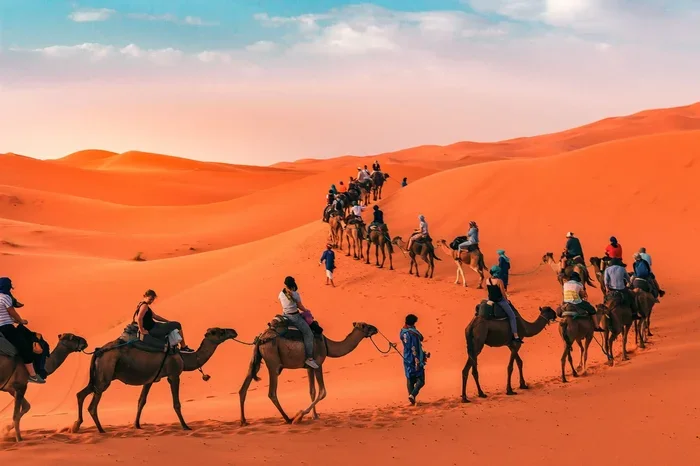
Featured image for Morocco desert tour camel caravan
Image source: saharadeserttour.com
A 5-day tour from Fez to Marrakech is the most rewarding way to experience Morocco’s diverse landscapes and ancient cultures in one unforgettable journey. This classic route covers over 600 kilometers, connecting two of the country’s most iconic imperial cities while passing through the stunning Middle Atlas Mountains, vast Sahara Desert, and dramatic Draa Valley. Travelers can expect a carefully balanced mix of guided sightseeing, authentic Berber cultural experiences, and comfortable accommodations ranging from desert camps to traditional riads. Perfect for first-time visitors, this itinerary delivers the complete Moroccan adventure without the stress of independent planning.
Picture yourself standing at the edge of a vast Saharan sea of golden sand, watching the sunrise paint the dunes in shades of amber and rose. Just a few hours earlier, you were wandering through medieval medinas filled with spices and handwoven carpets. Tomorrow, you’ll sip mint tea with a Berber family in a mud-brick village nestled beneath snow-capped mountains. This is the magic of a 5-day tour from Fez to Marrakech, a journey that feels like stepping through multiple countries but stays within the borders of one incredible nation.
Morocco is a country that rewards travelers who take their time. While many visitors rush between cities on quick day trips, the real soul of the kingdom reveals itself only when you slow down and let the landscapes unfold gradually. The classic Fez-to-Marrakech route, often called the “Grand Tour” of Morocco, has been traveled for centuries by traders, pilgrims, and adventurers. Today, modern travelers can follow these same ancient paths in comfort, discovering kasbahs, oases, and desert camps along the way.
Whether you’re a solo backpacker, a couple on a romantic getaway, or a family seeking an educational adventure, this itinerary offers something for everyone. The five days are perfectly paced, providing enough time to truly absorb each destination without feeling rushed. Let’s walk through everything you need to know to plan the journey of a lifetime.
Key Takeaways
- Route Overview: A 5-day Fez to Marrakech tour covers approximately 600-700 km, linking two imperial cities through mountains, desert, and valleys.
- Sahara Highlight: Most itineraries include a camel ride and overnight stay in Erg Chebbi or Erg Chigaga, the two most spectacular Saharan dunes in Morocco.
- Cultural Immersion: The journey includes visits to UNESCO World Heritage Sites like Ait Ben Haddou and authentic Berber villages.
- Best Travel Season: October through April offers the most comfortable weather, avoiding extreme summer heat in the desert.
- Budget Range: Prices typically range from €400-900 per person, depending on accommodation standards (standard, mid-range, or luxury).
- Group vs Private: Small group tours (8-15 people) offer social experiences, while private tours provide flexibility and personalized pacing.
- Physical Demand: Moderate fitness is needed, especially for camel rides and walking in medinas, but no extreme hiking is required.
📑 Table of Contents
- What Exactly Is a 5-Day Fez to Marrakech Tour?
- Who Should Take This Tour and Why?
- Where Does the Tour Go? A Day-by-Day Breakdown
- When Is the Best Time to Travel?
- Why Choose a Guided Tour Instead of Independent Travel?
- How to Choose the Right Tour Operator
- What Should You Pack for the Journey?
- Final Thoughts: Preparing for an Unforgettable Experience
What Exactly Is a 5-Day Fez to Marrakech Tour?
A 5-day Fez to Marrakech tour is a guided overland journey that begins in the cultural capital of Fez and ends in the vibrant “Red City” of Marrakech. Think of it like a carefully choreographed road trip where every stop has been chosen to showcase the very best of Morocco’s natural beauty, historical treasures, and living traditions. The route typically loops southward through the Middle and High Atlas Mountains, crosses the Sahara Desert, and returns west through the Draa Valley and the ancient kasbah region.
The Core Experience
At its heart, this tour is about contrast. You’ll move from the dense, labyrinthine streets of Fez’s medieval medina to the endless silence of the Sahara. You’ll transition from the snow-dusted cedar forests of the Middle Atlas to the palm-fringed oases of the south. Each day brings a completely different environment, yet everything connects through the warm hospitality of the Moroccan people and the unbroken thread of Islamic and Berber culture.
Most tours include transportation in air-conditioned 4×4 vehicles or minivans, professional driver-guides, selected meals, and accommodation ranging from standard hotels to luxury desert camps. The tours are designed to maximize sightseeing while keeping daily driving distances reasonable, usually between 3-5 hours per day.
What Makes This Route Special
Did You Know? The Fez-to-Marrakech route covers more ecological zones than almost any other overland journey in North Africa. In just five days, you’ll pass through Mediterranean forests, alpine mountains, pre-Saharan steppes, true Saharan dunes, and fertile river valleys, each with its own unique climate, wildlife, and cultural traditions.
The journey is essentially a cross-section of Morocco itself, north to south, mountains to desert, ancient to modern. Few other travel experiences in the world offer such dramatic geographical diversity in such a short timeframe.
Who Should Take This Tour and Why?
The beauty of a 5-day Fez to Marrakech tour is its universal appeal. However, certain travelers find it especially rewarding.
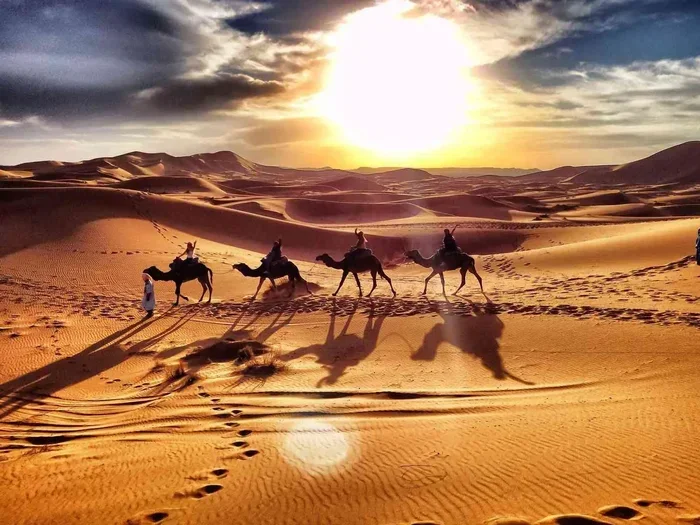
Visual guide about Morocco desert tour camel caravan
Image source: marrakech-desert-trips.com
Perfect for First-Time Visitors
If this is your first trip to Morocco, this itinerary is your golden ticket. It hits all the major highlights without overwhelming you with too many destinations. You won’t need to research hotels, negotiate with taxi drivers, or figure out public transport schedules. Everything is arranged, allowing you to focus entirely on the experience. It’s like having a knowledgeable friend drive you through their homeland, pointing out all the best-kept secrets along the way.
Ideal for Photography Enthusiasts
From the blue-painted streets of Chefchaouen (if your route includes it) to the golden dunes of Erg Chebbi, the photographic opportunities are endless. The changing light at sunrise and sunset over different landscapes provides professional-quality shots even for amateur photographers. Berber villages, traditional souks, and dramatic mountain passes all offer stunning visual storytelling material.
Great for Cultural Seekers
History buffs, anthropology lovers, and curious travelers will find endless fascination. You’ll visit sites dating back to the 11th century, learn about Berber and Arab cultural fusion, and experience traditions that have remained largely unchanged for centuries. The tour provides context and depth that independent travel often misses.
Where Does the Tour Go? A Day-by-Day Breakdown
Understanding the daily route helps set expectations and build excitement. While exact itineraries vary by operator, here’s a typical day-by-day breakdown of the classic 5-day Fez to Marrakech tour.
Day 1: Fez to the Sahara via the Middle Atlas
The adventure begins with an early morning pickup from your riad or hotel in Fez. The first leg takes you south through the Middle Atlas Mountains, where the landscape transforms dramatically. You’ll pass through Ifrane, often called the “Switzerland of Morocco” for its alpine-style architecture and clean streets. Did You Know? Ifrane is home to Africa’s only ski resort, and temperatures here can drop below freezing in winter despite being in Africa.
The journey continues through the famous Cedar Forest of Azrou, where you’ll have the chance to see Barbary macaques, North Africa’s only native primate species, roaming freely. These playful monkeys have become unofficial mascots of the region. Lunch is typically served in Midelt, a small town known for its apple orchards and mineral resources.
As you continue south, the scenery shifts from green mountains to rocky, semi-arid plateaus. By late afternoon, you’ll arrive at the edge of the Sahara, where camels await to carry you into the dunes of Erg Chebbi (or Erg Chigaga, depending on the tour). Watching the sunset over the dunes is a defining moment of the entire trip. The night is spent in a Berber desert camp, where traditional music, stargazing, and a hearty tagine dinner await.
Day 2: Sahara Desert Exploration
Day two is dedicated entirely to the desert experience. After a magical sunrise over the dunes, many tours offer optional activities like sandboarding, quad biking, or extended camel treks. The Sahara is not just empty sand; it’s a living ecosystem with specialized plants, animals, and centuries-old caravan routes still visible in the landscape.
Did You Know? The Sahara Desert covers approximately 9.2 million square kilometers, making it the largest hot desert in the world, roughly the same size as the United States. Despite its harsh appearance, the desert floor was once a lush, green savanna during the African Humid Period, around 11,000 years ago.
After breakfast at the camp, you’ll travel west toward the Todra Gorges or the Draa Valley, depending on your chosen route. These dramatic canyon systems, with walls reaching 400 meters high, offer excellent hiking opportunities and spectacular photo stops.
Day 3: Todra Gorges and the Road of a Thousand Kasbahs
The third day takes you along what’s known as the “Route of a Thousand Kasbahs,” a stretch of road lined with ancient fortified mud-brick villages. You’ll stop at the stunning Todra Gorges, where you can take a short walk along the river beneath towering rock walls. The area is popular with rock climbers but also accessible to casual visitors.
The journey continues through the Dades Valley, often called the “Valley of Roses” for its rose gardens and rosewater production. The valley’s distinctive rock formations, known as “monkey fingers,” create an otherworldly landscape that has been featured in numerous films and magazines. You’ll spend the night in a traditional kasbah hotel or riad in the Dades or Skoura region.
Day 4: Ouarzazate and Ait Ben Haddou
Day four brings you to the “Hollywood of Africa,” the city of Ouarzazate, famous for its film studios where productions like “Gladiator,” “Lawrence of Arabia,” and “Game of Thrones” were filmed. Just outside the city lies Ait Ben Haddou, a UNESCO World Heritage Site and one of the most spectacular ksar (fortified villages) in Morocco.
Ait Ben Haddou has been used as a filming location for over 20 major productions, including blockbusters like “The Mummy” and “Prince of Persia.” Walking through its narrow alleys and climbing to the top of the ancient granary offers breathtaking views of the surrounding palm groves and the Ounila River valley. After exploring the site, you’ll continue west toward the Atlas Mountains, spending the night in the Boumalne or Ouarzazate area.
Day 5: Crossing the High Atlas to Marrakech
The final day features one of the most spectacular drives of the entire trip, crossing the High Atlas Mountains via the Tizi n’Tichka Pass at over 2,260 meters above sea level. The winding mountain road offers dramatic vistas of Berber villages terraced into hillsides, deep valleys, and snow-capped peaks (in winter). Did You Know? The Tizi n’Tichka Pass is the highest major mountain pass in North Africa, and the road was built by the French in the 1920s to connect the southern oases with the northern cities.
As you descend toward Marrakech, the landscape gradually changes back to the red-earth plains that give the city its nickname. You’ll arrive in Marrakech by late afternoon, with the tour typically ending at your hotel or riad in the medina. Depending on your arrival time, you may have the evening free to begin exploring the famous Jemaa el-Fnaa square, where storytellers, musicians, and food stalls create an unforgettable atmosphere.
When Is the Best Time to Travel?
Timing can make or break your Moroccan adventure. While the country is beautiful year-round, certain seasons offer significantly better experiences for this particular route.
Optimal Months: October to April
The autumn and spring months provide the most comfortable temperatures across all regions. From October through November and March through April, daytime temperatures in the desert are pleasant (20-28°C), while nights are cool but not freezing. The mountain passes remain accessible, and the risk of extreme heat in the Sahara is minimal.
December through February is winter, and while temperatures can drop significantly at night in the desert (sometimes below 5°C), the days remain sunny and pleasant. Snow occasionally blocks the High Atlas passes, but this is rare and tours are usually rerouted efficiently.
Seasons to Avoid
June, July, and August bring intense heat to the desert regions, with daytime temperatures regularly exceeding 45°C in places like Merzouga and M’Hamid. Sandstorms are also more common during this period. The mountain regions, however, remain pleasant even in summer, so if you must travel during these months, focus on early morning activities and plenty of hydration.
Special Considerations
Ramadan, the Islamic holy month, changes dates each year according to the lunar calendar. During this period, some restaurants and shops may have limited hours, but the cultural experience of sharing iftar (the evening meal) with locals can be incredibly rewarding. Eid celebrations at the end of Ramadan also offer unique insights into Moroccan family life.
Why Choose a Guided Tour Instead of Independent Travel?
Morocco is generally a safe and welcoming destination for independent travelers, but the Fez-to-Marrakech route presents specific challenges that make guided tours especially appealing.
The Logistics Challenge
Imagine trying to rent a car and drive yourself through the narrow medinas of Fez, then navigating unmarked desert roads, finding accommodation in remote Berber villages, and crossing a 2,260-meter mountain pass in winter conditions. It’s not impossible, but it adds significant stress and complexity. A guided tour removes all these concerns, allowing you to focus entirely on the experience. It’s like the difference between cooking a complex seven-course meal from scratch versus enjoying it at a restaurant where the chef handles everything.
Local Knowledge and Access
Professional guides bring the landscape to life with stories, history, and cultural context you simply can’t get from a guidebook. They know which medina alleys are safe to explore, which carpet shops are reputable, and which family-run kasbahs serve the best tagine. Many guides have relationships with local families that allow tour participants to experience authentic home visits and traditional meals that independent travelers rarely access.
Safety and Support
Vehicle breakdowns, sudden weather changes, and unexpected road closures are easier to handle with a local driver who knows alternative routes. The vast distances between services in southern Morocco mean that having experienced support is invaluable. In 2023, Morocco welcomed over 14.5 million tourists, and the tourism infrastructure has matured significantly, with professional operators offering high safety standards.
Cost-Effectiveness
Surprisingly, guided tours often work out cheaper than independent travel for this route. When you factor in car rental, fuel, insurance, accommodation bookings, and entrance fees, the all-inclusive price of a tour typically represents excellent value. Plus, group tours allow you to share costs, making luxury experiences like private desert camps accessible at budget-friendly prices.
How to Choose the Right Tour Operator
With hundreds of operators offering this route, selecting the right one can feel overwhelming. Here are the key factors to consider.
Reputation and Reviews
Look for operators with consistently positive reviews on platforms like TripAdvisor, GetYourGuide, and Viator. Pay special attention to recent reviews, as company quality can change over time. Established companies with at least 5-10 years of experience typically have refined their itineraries and built strong local relationships. Did You Know? Morocco’s tourism sector contributes approximately 7% of the country’s GDP, with desert tours being one of the fastest-growing segments.
Group Size and Style
Small group tours (8-15 people) offer a balance of social interaction and personalized attention. Private tours provide maximum flexibility, allowing you to spend extra time at locations you love and skip those that don’t interest you. Budget tours with 20+ passengers are more economical but often feel rushed and offer less authentic experiences.
Accommodation Standards
Accommodation quality varies dramatically. Standard tours typically use 3-star hotels and basic desert camps, while mid-range options feature 4-star riads and luxury desert camps with private bathrooms and comfortable beds. Premium tours may include former palaces and exclusive desert experiences. Always check the specific accommodation list before booking, not just the star rating.
What to Ask Before Booking
Before confirming, ask detailed questions: What’s the exact daily itinerary? How many people are in the group? What’s included in the price (meals, entrance fees, tips)? What’s the cancellation policy? What type of vehicle will be used? Is the desert camp shared or private? The more information you have upfront, the fewer surprises you’ll encounter.
Sustainability and Ethics
Increasingly, travelers are concerned about tourism’s impact on local communities. Look for operators who employ local guides, stay in family-run accommodations, and contribute to community projects. Avoid companies that exploit children as photo props at stops or pressure clients into shopping at commission-paying shops. Responsible tourism ensures your visit benefits the people and places you’re coming to see.
What Should You Pack for the Journey?
Smart packing makes a huge difference in your comfort and enjoyment. Here’s a practical list organized by category.
Clothing Essentials
Pack layers, as temperatures vary dramatically from cold mountain mornings to hot desert afternoons. Bring a warm fleece or jacket for desert nights, which can be surprisingly cold even in spring. Light, breathable long-sleeved shirts protect against both sun and conservative dress expectations. Comfortable walking shoes are essential for medina exploration, and sandals work well for the desert. A scarf or shemagh serves multiple purposes, sun protection, warmth, dust cover, and respectful head covering when visiting religious sites.
Health and Comfort Items
Sunscreen with high SPF is non-negotiable, as the Moroccan sun is intense, especially in the desert. Sunglasses and a wide-brimmed hat provide additional protection. Hand sanitizer and wet wipes are useful when facilities are limited. A small first-aid kit with basic medications, blister plasters, and rehydration salts is wise. Don’t forget any personal prescriptions and a copy of your passport.
Electronics and Documentation
Bring a power bank, as charging opportunities can be limited during long drives. A universal adapter ensures your devices work in Moroccan outlets. A camera with extra memory cards and batteries is essential for capturing the stunning landscapes. Keep digital and physical copies of your passport, insurance, and emergency contacts in separate locations.
Final Thoughts: Preparing for an Unforgettable Experience
A 5-day tour from Fez to Marrakech is more than just a vacation; it’s a journey through time, culture, and some of the most spectacular landscapes on Earth. The route has been refined over generations of travelers, and modern operators have perfected the balance between adventure and comfort. From the moment you leave the ancient streets of Fez until you arrive in the bustling medina of Marrakech, every day brings new discoveries.
The key to maximizing your experience is approaching it with an open mind and a flexible attitude. Things may not always go exactly as planned, camels might be stubborn, mountain roads may be slow, and wifi might be patchy. But these small challenges become part of the adventure, the stories you’ll tell for years to come. The warmth of Moroccan hospitality, the silence of the Sahara, and the visual feast of ancient kasbahs will stay with you long after you’ve returned home.
As you prepare to book your tour, remember that the best operators are those who treat you as a guest rather than a customer, who share their country with pride and passion. Take time to research, read reviews, and choose a company that aligns with your travel style and values. The investment you make in a quality tour will pay dividends in memories that last a lifetime.
Morocco is waiting to share its secrets with you. The desert dunes are calling, the medinas are bustling, and the mountains are majestic. All you need to do is take that first step and book your 5-day journey from Fez to Marrakech. Your adventure of a lifetime begins now.
Frequently Asked Questions
How much does a 5-day tour from Fez to Marrakech typically cost?
Tour prices range from approximately €400-900 per person, depending on accommodation standards and group size. Budget tours using standard hotels and shared transport start around €400, while mid-range options with 4-star riads and upgraded desert camps cost €600-750. Luxury private tours with premium accommodations can exceed €900 per person.
Is the camel ride in the Sahara safe for beginners?
Yes, camel rides during these tours are perfectly safe for beginners, even those with no experience around animals. The camels are well-trained and led by experienced Berber handlers. The ride to the desert camp typically lasts 1-2 hours, and the gentle pace makes it accessible to most people, including children over 5 years old.
What type of accommodation can I expect in the desert camp?
Desert camps range from basic traditional nomad tents with shared facilities to luxury “glamping” tents with private bathrooms, proper beds, and even air conditioning. Most mid-range tours offer comfortable tents with private or shared bathrooms, traditional Moroccan furnishings, and bedding. All meals are typically included, along with evening entertainment by local musicians around a campfire.
Do I need a visa to travel to Morocco for this tour?
Citizens of most Western countries, including the EU, USA, Canada, UK, and Australia, do not need a visa for tourist visits up to 90 days. You’ll simply receive a stamp in your passport upon arrival. However, requirements can change, so always check with your local Moroccan embassy or consulate before booking your tour.
What should I wear during the tour to respect local culture?
Morocco is a Muslim country with conservative dress expectations, especially in rural areas. Women should cover shoulders and knees, and bring a scarf for visiting religious sites. Men should also avoid sleeveless tops and very short shorts. In tourist areas and at your accommodations, dress codes are more relaxed, but modest dress shows respect and often results in warmer interactions with locals.
Can the tour be customized for dietary restrictions or mobility issues?
Most reputable operators accommodate dietary restrictions, including vegetarian, vegan, halal, and gluten-free requirements, with advance notice. For mobility issues, the tour can be partially adapted, though the camel ride and some medina walking may be challenging. Private tours offer the most flexibility for modifications, and it’s always best to discuss specific needs with the operator before booking.