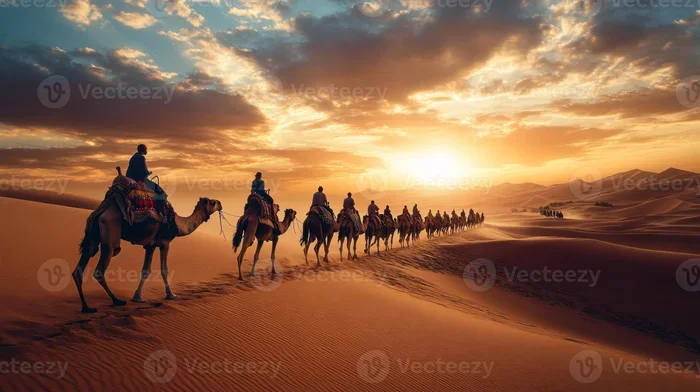
Featured image for Sahara desert camel caravan sunset
Image source: static.vecteezy.com
A 7-day excursion from Fez to the Sahara Desert is the ultimate Moroccan adventure, blending culture, history, and breathtaking landscapes. This week-long journey takes you through imperial cities, across the Middle Atlas Mountains, and into the golden dunes of Erg Chebbi or Erg Chigaga. Expect camel treks, traditional Berber hospitality, and unforgettable sunsets over endless sand seas. Perfect for travelers seeking an authentic, immersive Moroccan experience beyond the typical tourist trail.
Morning light spills over the ancient walls of Fez, and somewhere beyond the horizon, the Sahara waits. Imagine spending seven days watching Morocco unfold like a living storybook, from chaotic medinas to silent desert dunes. This isn’t just a trip. It’s a journey through time, culture, and some of the most stunning landscapes on Earth.
Did you know that the Sahara Desert covers an area roughly the size of the United States? Yet most travelers only glimpse a tiny fraction of it. A 7-day excursion from Fez solves that problem beautifully. You get the cultural depth of Morocco’s oldest imperial city, the dramatic mountain passes of the Atlas range, and the soul-stirring vastness of the world’s largest hot desert, all in one seamless adventure.
Whether you’re a solo backpacker, a couple seeking romance, or a family craving authentic experiences, this guide covers everything you need. From what to pack to when to go, we’ll walk you through the journey step by step, just like a friend who’s already been there.
Key Takeaways
- 7-Day Duration: A full week is the ideal length to explore from Fez to the Sahara without feeling rushed, covering roughly 1,200-1,500 kilometers.
- Best Season: October through April offers the most comfortable temperatures, with desert days around 25°C (77°F) and cool nights.
- Two Desert Options: Travelers can choose between Erg Chebbi (near Merzouga) for luxury camps or Erg Chigaga for a more remote, off-the-beaten-path experience.
- Cultural Highlights: The route includes UNESCO World Heritage Sites like Fez’s medina, the Roman ruins of Volubilis, and the Ait Ben Haddou kasbah.
- Budget Range: Expect to pay between €400-€900 per person depending on accommodation style, with luxury desert camps at the higher end.
- Physical Requirements: The trip is suitable for most fitness levels, though camel rides require basic balance and moderate mobility.
- Group vs. Private: Both options exist, with private tours offering flexibility and group tours providing better value and social experiences.
📑 Table of Contents
- Why Choose a 7-Day Excursion from Fez to the Sahara?
- What Exactly Is Included in a 7-Day Fez to Sahara Tour?
- Where Does the Journey Take You? Key Destinations Explained
- When Is the Best Time to Embark on This Adventure?
- How to Choose the Right Tour Operator
- What Should You Pack for a 7-Day Fez Sahara Excursion?
- How Much Does a 7-Day Fez to Sahara Tour Cost?
- What Cultural Experiences Await Along the Route?
- What Are the Real Challenges and How to Handle Them?
- Why This Journey Changes Travelers
- Final Thoughts: Your Sahara Adventure Awaits
Why Choose a 7-Day Excursion from Fez to the Sahara?
Seven days hits the sweet spot for a Moroccan desert adventure. Shorter trips feel rushed. Longer ones can lose momentum. With a week, you can absorb each destination without checking your watch constantly.
The Perfect Balance of Culture and Adventure
Think of this trip as a well-mixed cocktail. One part history, one part natural beauty, one part adrenaline, and a generous splash of Moroccan hospitality. You start in Fez, the world’s largest car-free urban area, where donkeys still carry goods through 9,000 narrow alleys. Then you transition through Middle Atlas cedar forests where Barbary monkeys play. Finally, you reach the Sahara, where silence has its own sound.
Morocco welcomed approximately 14.5 million tourists in 2023, and desert excursions consistently rank among the top three experiences visitors seek. The 7-day format from Fez is particularly popular because it offers a complete north-to-south narrative without backtracking.
More Value Than Shorter Tours
Most 3-day Sahara tours from Fez are exhausting. You spend more time driving than experiencing. A 7-day itinerary lets you linger in the Todra Gorge, explore Ait Ben Haddou at sunset, and actually sleep peacefully in a desert camp under stars that seem close enough to touch.
What Exactly Is Included in a 7-Day Fez to Sahara Tour?
Understanding the structure helps you set realistic expectations. Most reputable tours follow a similar route, though the exact stops vary by operator.
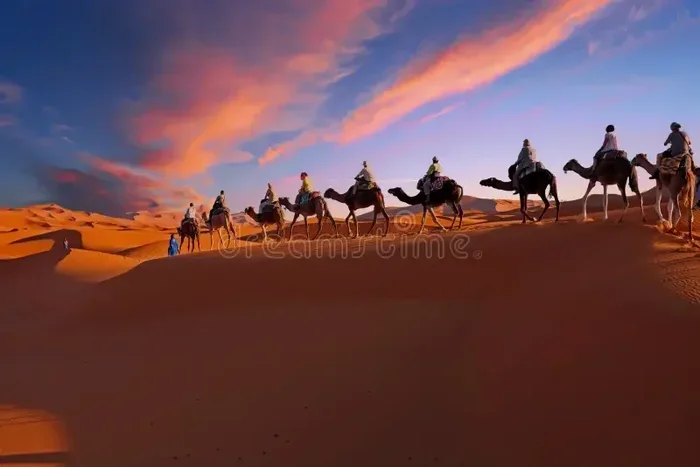
Visual guide about Sahara desert camel caravan sunset
Image source: thumbs.dreamstime.com
Typical Day-by-Day Breakdown
- Day 1: Fez Exploration — Guided tour of the medieval medina, Al-Qarawiyyin University (founded in 859 AD, making it the world’s oldest continuously operating university), and the famous tanneries.
- Day 2: Fez to Midelt via Ifrane — Travel through the Middle Atlas, stop in “Little Switzerland” (Ifrane), and continue to Midelt for overnight.
- Day 3: Midelt to Merzouga — Pass through the Ziz Valley, see date palm oases, and arrive at the edge of Erg Chebbi for your first desert sunset.
- Day 4: Sahara Desert Experience — Camel trek into the dunes, overnight in a Berber camp, traditional drumming, and stargazing.
- Day 5: Merzouga to Dades Valley — Visit Todra Gorge (a 400-meter-deep canyon), continue through dramatic rock formations to Boumalne Dades.
- Day 6: Dades to Marrakech via Ouarzazate — Explore Ait Ben Haddou (a UNESCO site and filming location for Gladiator and Game of Thrones), cross the High Atlas.
- Day 7: Marrakech Arrival — Final transfer to Marrakech, concluding your journey.
What’s Typically Included
Most 7-day packages bundle these essentials: air-conditioned vehicle with driver-guide, 6 nights of accommodation (mix of riads, hotels, and desert camp), breakfast daily, some dinners, the camel trek, and sandboarding in the dunes. International flights, lunches, drinks, and entrance fees to certain monuments are usually separate.
Always read the fine print. Some operators include airport transfers; others don’t. Premium tours might add extras like a hot air balloon ride or traditional hammam experience.
Where Does the Journey Take You? Key Destinations Explained
Geography matters here. Morocco’s diversity surprises first-time visitors. You’ll pass through four distinct ecological zones in a single week.
Fez: The Cultural Starting Point
Fez is Morocco’s spiritual and intellectual capital, founded in 789 AD. Its Fes el Bali medina is a UNESCO World Heritage Site and one of the world’s largest urban car-free zones. Walking here feels like stepping into a medieval painting. Artisans craft everything from brass teapots to hand-woven carpets in tiny workshops that haven’t changed in centuries.
The city’s famous Chouara Tanneries operate much as they did 1,000 years ago. Workers process animal hides using the same traditional methods, creating a pungent but fascinating spectacle best viewed from a leather shop terrace.
The Middle Atlas Mountains
Between Fez and the desert, the landscape transforms dramatically. Ifrane, at 1,665 meters elevation, earned the nickname “Little Switzerland” for its alpine-style architecture and clean streets. The nearby Azrou Cedar Forest is home to Barbary macaques, North Africa’s only native primate species.
Did you know that the Middle Atlas receives snowfall in winter? Yes, you can actually ski in Morocco, though that’s not on this particular itinerary.
Erg Chebbi: The Classic Sahara Experience
Erg Chebbi rises 150 meters high and stretches roughly 50 kilometers north-to-south near the Algerian border. The dunes glow orange at sunrise and deep red at sunset. This is the desert most postcards picture, and for good reason.
Merzouga and Hassi Labied serve as the gateway towns. From here, camels carry you about 1-2 hours into the dunes to your overnight camp. Modern desert camps range from basic Berber tents to luxury “glamping” setups with private bathrooms, four-poster beds, and even air conditioning.
Erg Chigaga: The Remote Alternative
For travelers craving solitude, Erg Chigaga offers a wilder experience. Located near M’Hamid, about 4 hours further south than Erg Chebbi, these dunes see far fewer visitors. The 4×4 journey involves some off-road driving, but the reward is absolute silence and pristine, untouched sand.
When Is the Best Time to Embark on This Adventure?
Timing can make or break your desert experience. Morocco’s climate varies enormously by region and season.
Optimal Months: October to April
These months offer the most pleasant conditions across all stops. Daytime temperatures in the Sahara hover between 20-28°C (68-82°F), while nights can drop to 5-10°C (41-50°F). Perfect for sleeping under blankets in your desert tent.
Spring (March-May) brings wildflowers to the Atlas foothills, creating stunning photo opportunities. Fall (September-November) offers harvest season, meaning fresh dates and pomegranates appear in local markets.
Months to Avoid: June to August
Summer in the Sahara is brutal. Temperatures regularly exceed 45°C (113°F), making midday activities dangerous. Sandstorms also occur more frequently. If you must travel in summer, early morning and late afternoon activities become essential.
Ramadan Considerations
During Ramadan, restaurants close during daylight hours, and the pace of life slows considerably. However, this can also be a rewarding time to visit, as the evening iftar meals create a special atmosphere. Book tours well in advance if your trip coincides with Ramadan, as it shifts earlier by 11 days each year.
How to Choose the Right Tour Operator
Not all excursions are created equal. The difference between a magical experience and a disappointing one often comes down to your guide and operator.
Group Tours vs. Private Tours
Group tours typically cost €400-€600 per person and include 12-16 travelers, a dedicated guide, and a driver. They’re budget-friendly and great for solo travelers or those wanting social interaction. The downside? Less flexibility on stops and photo breaks.
Private tours range from €800-€2,000 total (split among 2-4 people) and offer complete customization. You choose your departure dates, modify the route, and travel at your own pace. Families and couples often prefer this option despite the higher per-person cost.
Red Flags to Watch For
Avoid operators that pressure you with aggressive sales tactics, lack clear cancellation policies, or have consistently negative reviews mentioning hidden fees. Reputable companies display their license numbers, offer detailed written itineraries, and have responsive customer service.
Look for operators who employ licensed guides (officially certified by the Moroccan Ministry of Tourism). These professionals speak multiple languages and have undergone training in first aid and local history.
Questions to Ask Before Booking
- What type of vehicle is used, and how old is it?
- How many people share each vehicle?
- What’s the exact accommodation list for each night?
- Are entrance fees to monuments included?
- What happens if weather disrupts the camel trek?
- Is travel insurance included or recommended?
What Should You Pack for a 7-Day Fez Sahara Excursion?
Smart packing makes the difference between enjoying yourself and constantly wishing you’d brought something different.
Clothing Essentials
Pack layers. Even in spring, desert temperatures swing 20-25°C between day and night. Bring a warm fleece or jacket for desert nights, lightweight long pants for camel riding, and modest clothing for visiting religious sites. Shoulders and knees should be covered when entering mosques or traditional villages.
A scarf or shemagh serves multiple purposes: sun protection, dust barrier, warmth, and even a makeshift pillow. Buy one in Fez for authenticity.
Health and Comfort Items
Sunscreen with high SPF is non-negotiable. The desert sun reflects off sand with intensity. Lip balm, sunglasses, and a wide-brimmed hat complete the protection trifecta. Hand sanitizer and wet wipes help during long driving stretches where facilities are limited.
Pack any personal medications in their original containers, plus a basic first aid kit with bandages, pain relievers, and anti-diarrheal medicine. Stay hydrated, aim for 3-4 liters of water daily, especially in the desert.
Tech and Documents
Bring a power bank for charging devices during long drives. A universal adapter works for Moroccan outlets (Type C and E). Keep digital copies of your passport, travel insurance, and booking confirmations in cloud storage.
Don’t forget your camera. The contrast between blue sky, golden dunes, and Berber textiles creates photographer’s paradise. A polarizing filter helps manage harsh desert light.
How Much Does a 7-Day Fez to Sahara Tour Cost?
Budgeting accurately prevents surprises. Prices vary based on season, group size, and comfort level.
Price Breakdown by Category
Budget tours start around €400 per person and include basic riad accommodations, shared transport in a minibus, and standard desert camping. Mid-range tours at €600-€800 add private rooms in nicer properties, smaller group sizes, and upgraded desert camps with private bathrooms.
Luxury tours exceeding €1,000 per person feature 4-5 star riads throughout, private 4×4 vehicles with dedicated guides, premium desert camps with en-suite facilities, and extras like hot air balloon rides or private cooking classes.
Hidden Costs to Anticipate
Tipping is customary in Morocco. Budget €3-5 per day for your driver and guide, plus small amounts for hotel staff and restaurant service. Entrance fees to monuments like Volubilis (70 MAD) and Ait Ben Haddou add up. Lunches typically cost €5-10 per meal, and drinks beyond water can be expensive at tourist stops.
Optional activities like quad biking in the desert (€30-50) or 4×4 excursions to nomadic families (€20-30) tempt many travelers. Set a separate budget for these if interested.
What Cultural Experiences Await Along the Route?
The journey weaves through diverse communities, each with distinct traditions. Engaging respectfully enriches everything.
Berber Heritage and Hospitality
The Amazigh (Berber) people have inhabited North Africa for over 4,000 years. Throughout your trip, you’ll encounter their influence in language, music, and architecture. Learning a few words of Tashelhit or Tamazight earns warm smiles.
Traditional mint tea ceremonies occur constantly. When offered tea, accept it with your right hand and expect three small glasses, each progressively sweeter. Refusing is considered impolite.
Music and Crafts
Desert evenings feature Gnawa music performances at most camps. This spiritual musical tradition, recognized by UNESCO, combines African, Arab, and Berber influences with hypnotic rhythms. The metal castanets (qraqeb) create the signature sound.
Along the route, artisans demonstrate weaving, pottery, and metalwork. The cooperative shops in Ait Ben Haddou and the Todra Gorge support local families directly. Bargaining is expected in souks, but agree on prices before accepting tea or services.
Religious and Social Customs
Morocco is a Muslim country, and visitors should respect local customs. During calls to prayer (five times daily), shops often close briefly. Ask before photographing people, especially women. Public displays of affection draw unwanted attention.
Friday is the holy day, and some smaller shops may close for longer periods. Plan major purchases or sightseeing for other days when possible.
What Are the Real Challenges and How to Handle Them?
Honest preparation includes understanding potential difficulties. Knowledge transforms obstacles into adventures.
Long Driving Distances
Some days involve 6-7 hours of driving. The roads have improved dramatically in recent years, but mountain passes still feature winding switchbacks. Bring entertainment: downloaded music, audiobooks, or podcasts. Motion sickness medication helps sensitive travelers.
Use rest stops strategically. Your driver will know the cleanest facilities and best photo spots. Don’t be shy about requesting breaks when needed.
Language Barriers
While guides speak English, French, and often Spanish, rural areas may have limited English. Learning basics like “salaam alaikum” (peace be upon you), “shukran” (thank you), and “b’shhal?” (how much?) goes far. A translation app with offline capabilities helps bridge gaps.
Desert Conditions
Sand gets everywhere. Leave nothing valuable in your tent’s outer areas. Zip bags protect electronics. Morning sandboarding means washing sand from unexpected places for hours, embrace it as part of the experience.
Nighttime temperatures can surprise visitors. Even in October, desert nights drop significantly. Your camp will provide blankets, but bringing thermal underwear or a sleeping bag liner adds comfort for cold-sensitive sleepers.
Why This Journey Changes Travelers
Something shifts when you watch sunrise over the Sahara. The vastness recalibrates your sense of scale. Problems that felt overwhelming shrink against the backdrop of ancient, patient dunes.
Morocco consistently ranks among the world’s top destinations for transformative travel experiences. The combination of sensory intensity, cultural immersion, and physical adventure creates lasting memories. Many visitors return home with new perspectives on time, community, and simplicity.
The friendships formed during shared desert nights often last years. Campfires attract travelers from dozens of countries, each carrying their own stories and dreams. Conversations flow as freely as the mint tea.
Final Thoughts: Your Sahara Adventure Awaits
A 7-day excursion from Fez to the Sahara isn’t just a vacation. It’s an initiation into a way of traveling that prioritizes depth over distance, connection over consumption, and wonder over checklist completion. You’ll carry home more than souvenirs. You’ll bring back a renewed sense of curiosity and a collection of moments that feel almost too beautiful to be real.
Start planning three to six months ahead, especially for peak season travel. Read recent reviews of operators, communicate clearly about expectations, and prepare for both physical and emotional expansion. Morocco rewards open hearts and flexible minds.
The Sahara has welcomed travelers for millennia. Caravans crossed these same paths carrying salt, gold, and stories. Now it’s your turn to add your chapter to that ancient narrative. The dunes are calling. Will you answer?
Frequently Asked Questions
Is a 7-day Fez to Sahara excursion suitable for families with children?
Yes, families with children aged 6 and older typically enjoy this trip. Camel rides are safe with proper supervision, and children find desert camping magical. Some operators offer family-specific itineraries with shorter driving days and additional activities like sandboarding.
What is the difference between Erg Chebbi and Erg Chigaga?
Erg Chebbi is more accessible, located near Merzouga, and features larger tourism infrastructure with luxury desert camps. Erg Chigaga is more remote, requires longer travel time, and offers a wilder, less commercialized experience. Choose Erg Chebbi for comfort, Erg Chigaga for solitude.
Do I need travel insurance for this excursion?
Yes, comprehensive travel insurance is strongly recommended. Coverage should include medical evacuation, trip cancellation, and activity coverage for camel trekking and desert camping. Some tour operators require proof of insurance before departure.
Can I do this trip independently without a tour operator?
While possible, independent travel is challenging. Rental cars require navigating aggressive driving conditions, and desert access involves complex logistics. Organized tours provide local expertise, safety, and cultural insights that significantly enhance the experience for most travelers.
What is the accommodation like in the desert camp?
Desert camps range from traditional Berber tents with shared bathrooms to luxury “glamping” tents with private facilities, comfortable beds, and electricity. All camps provide bedding, meals, and evening entertainment. Luxury options include en-suite bathrooms and even air conditioning.
How physically demanding is this excursion?
Moderate fitness is sufficient. The most challenging activities are 1-2 hour camel rides and walking on uneven sand. Days involve some walking in medinas and gorges. Travelers with mobility issues should inform operators in advance, as alternatives like 4×4 transport to camps can usually be arranged.