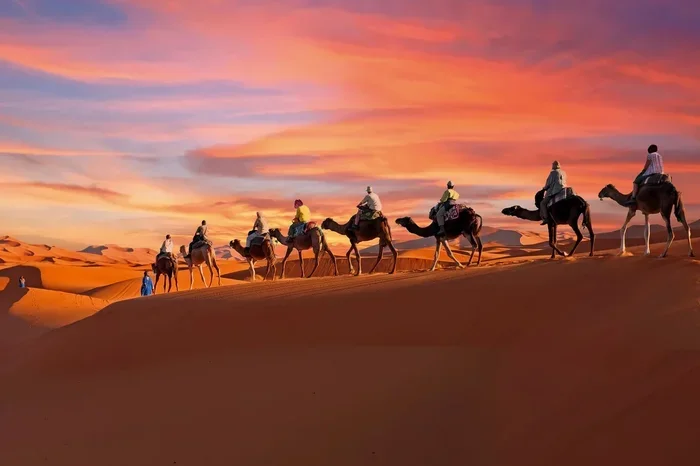
Featured image for Morocco desert camel sunset
Image source: marrakech-desert-trips.com
An 11 days tour from Fes to Casablanca is the ultimate Moroccan adventure, taking you through four imperial cities, the sweeping Sahara Desert, the towering Atlas Mountains, and ending at the Atlantic coast. This carefully crafted itinerary blends cultural immersion with natural wonders, giving travelers enough time to truly experience each destination. Perfect for first-time visitors, this route covers over 1,200 kilometers of Morocco’s most iconic landscapes and historic sites.
Picture yourself wandering through ancient medinas where donkey carts still outnumber cars. Imagine sleeping under a blanket of stars in the Sahara Desert, then awakening to camel silhouettes against golden dunes. Think about sipping mint tea with Berber families in mountain villages where time seems to stand still. An 11 days tour from Fes to Casablanca isn’t just a vacation. It’s a complete sensory immersion into one of North Africa’s most captivating countries.
Morocco welcomes over 13 million tourists annually, and the Fes-to-Casablanca route remains one of the most requested itineraries. Why? Because it packages the country’s greatest hits into a manageable timeframe. You’ll trace the path of ancient caravans, explore UNESCO World Heritage sites, and witness landscapes that shift from snow-capped peaks to rolling dunes within a single day.
This comprehensive guide walks you through everything you need to know about planning and enjoying this remarkable journey. From daily highlights and practical tips to cultural etiquette and packing advice, consider this your ultimate companion for the trip of a lifetime.
Key Takeaways
- Duration and Distance: The 11-day journey covers approximately 1,200-1,500 km from Fes to Casablanca, winding through Morocco’s most diverse regions.
- Imperial Cities: You’ll explore four of Morocco’s imperial capitals: Fes, Meknes, Rabat, and Marrakech, each with distinct character and history.
- Sahara Experience: The tour includes a camel trek into the Erg Chebbi or Erg Chigaga dunes, with overnight stays in Berber desert camps.
- Atlas Mountain Crossing: You’ll traverse the High Atlas Mountains via the stunning Tizi n’Tichka pass, reaching elevations over 2,200 meters.
- Cultural Depth: Eleven days allows genuine cultural immersion beyond surface-level sightseeing, including cooking classes and medina explorations.
- Best Travel Seasons: Spring (March-May) and autumn (September-November) offer ideal weather for both desert and mountain experiences.
- Coastal Finale: The journey concludes in Casablanca, Morocco’s economic hub, home to the magnificent Hassan II Mosque.
📑 Table of Contents
- Why Choose an 11-Day Itinerary from Fes to Casablanca?
- What Does the 11 Days Tour from Fes to Casablanca Include?
- When Is the Best Time to Take This Tour?
- Where Does the Tour Go? A Day-by-Day Overview
- How to Prepare for Your 11-Day Moroccan Adventure
- What Makes This Specific Route Special?
- Choosing the Right Tour Operator
- Conclusion: Your Moroccan Story Awaits
Why Choose an 11-Day Itinerary from Fes to Casablanca?
Think of the 11-day tour as a perfectly cooked tagine. Too short, and the flavors haven’t had time to meld. Too long, and the experience becomes diluted. Eleven days hits that sweet spot where every day reveals something new without ever feeling rushed.
Did You Know? Morocco has nine UNESCO World Heritage Sites, and this route alone passes through or near five of them. That includes the medinas of Fes and Marrakech, the Roman ruins of Volubilis, the kasbah of Ait Benhaddou, and the historic city of Meknes.
The Perfect Balance of Pace and Depth
A common mistake travelers make is trying to see “everything” in Morocco in just five or six days. The result? Exhausting 10-hour driving days with brief photo stops. An 11-day itinerary solves this problem beautifully. You’ll average just 2-3 hours of driving per day, leaving ample time for:
- Morning explorations of medinas before crowds arrive
- Afternoon cultural activities like haggling in souks or visiting artisan workshops
- Evening leisure time to enjoy rooftop dinners and local entertainment
- Rest days in scenic locations to absorb the atmosphere
Who Is This Tour Best Suited For?
This itinerary works wonderfully for:
- First-time Morocco visitors wanting comprehensive coverage
- Couples and honeymooners seeking romantic desert experiences
- Families with older children (ages 8+) who can handle varied terrain
- Photography enthusiasts craving diverse landscapes
- Culture lovers eager to understand Moroccan traditions deeply
It’s less ideal for travelers with severe mobility issues, as some medinas involve uneven cobblestones and desert camps require a sense of adventure.
What Does the 11 Days Tour from Fes to Casablanca Include?
Let’s break down exactly what makes this journey so memorable. Think of it as a greatest hits album, but each track is a full symphony rather than a three-minute single.
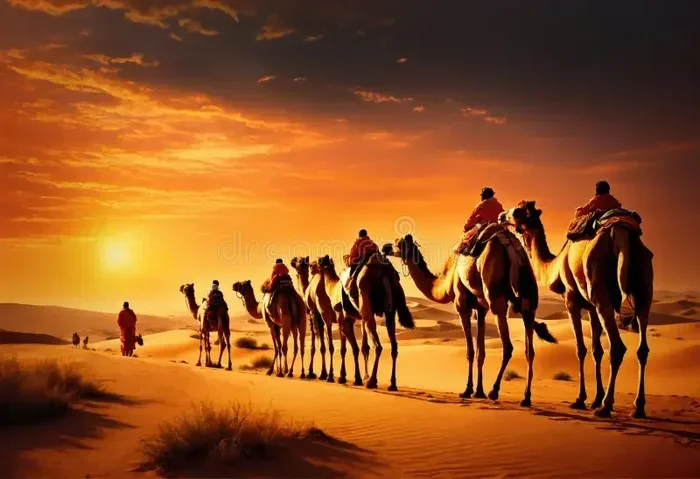
Visual guide about Morocco desert camel sunset
Image source: thumbs.dreamstime.com
The Four Imperial Cities
Morocco proudly claims four imperial cities: Fes, Meknes, Marrakech, and Rabat. Each served as the country’s capital during different dynasties, and each carries its own distinct personality.
Fes is the spiritual and intellectual heart. Founded in 789 AD, its medina (Fes el Bali) is the world’s largest car-free urban zone. Getting lost here isn’t a risk. It’s a guarantee, and part of the charm.
Meknes offers a more relaxed imperial experience. Built largely by Sultan Moulay Ismail in the 17th century, it features stunning gates, granaries, and the haunting ruins of the Royal Stables that once housed 12,000 horses.
Marrakech pulses with energy. The famous Jemaa el-Fnaa square transforms nightly into an open-air theater of storytellers, musicians, snake charmers, and food vendors. It’s been called “the greatest show on earth” by many visitors.
Rabat provides the modern political counterpoint. As Morocco’s current capital, it blends French colonial architecture with ancient kasbahs and the impressive Hassan Tower.
Sahara Desert Adventure
No Morocco tour is complete without the Sahara. The 11-day itinerary typically includes a camel trek into the Erg Chebbi dunes near Merzouga, where dunes rise up to 150 meters high.
Did You Know? The Sahara Desert covers approximately 9.2 million square kilometers, making it the largest hot desert in the world. Yet only about 15% of its surface is covered by sand dunes. The rest consists of gravel plains, rocky plateaus, and salt flats.
Your desert experience includes riding a camel into the sunset, watching colors shift across the dunes, enjoying a traditional Berber dinner around a campfire, and sleeping in a nomad-style tent beneath impossibly clear stars.
Atlas Mountains and Berber Villages
The High Atlas Mountains form Morocco’s spine, with peaks reaching over 4,000 meters. The tour crosses these mountains via the Tizi n’Tichka pass at 2,260 meters, offering breathtaking panoramic views.
Along the way, you’ll visit traditional Berber villages where life follows patterns established centuries ago. Many tours include stops at women’s cooperatives producing argan oil, one of the world’s rarest and most expensive oils.
When Is the Best Time to Take This Tour?
Timing can make or break your Moroccan experience. Let’s explore why.
Seasonal Breakdown
Spring (March to May): Many travelers consider this the ideal season. Temperatures in the desert range from comfortable to warm, while mountain areas remain cool. Wildflowers bloom in the Atlas foothills, painting landscapes in vivid colors.
Summer (June to August): Desert temperatures can exceed 45°C (113°F), making midday activities uncomfortable. However, the High Atlas and coastal areas remain pleasant. This is peak tourist season in coastal Morocco.
Autumn (September to November): The second sweet spot. Crowds thin out, temperatures moderate, and the desert becomes magical as sunsets deepen in color.
Winter (December to February): Surprisingly mild in most regions. Snow may block some mountain passes, but desert days remain pleasant. The Atlas Mountains can be spectacular with snow-capped peaks visible from lower elevations.
Monthly Recommendations
For the 11-day Fes to Casablanca route specifically, the best months are March, April, May, September, and October. June and November work well too with proper preparation. July and August require early morning starts and midday breaks.
Where Does the Tour Go? A Day-by-Day Overview
Here’s a sample itinerary that captures the journey’s rhythm. Remember that exact routes may vary based on your tour operator and preferences.
Days 1-2: Fes Exploration
Your adventure begins in Fes, Morocco’s oldest imperial city. Day one typically involves settling in and exploring the modern ville nouvelle (new city) with its wide boulevards and café culture. Day two dives deep into Fes el Bali, the medieval medina. Expect to visit:
- Al-Qarawiyyin University – Founded in 859 AD, often cited as the world’s oldest continuously operating university
- Bou Inania Medersa – A stunning 14th-century theological college
- Chouara Tanneries – Where leather has been processed the same way for nearly 1,000 years
- Nejjarine Museum of Wooden Arts – Housed in a beautifully restored fondouk
Days 3-4: Volubilis, Meknes, and the Road South
Day three begins with a visit to Volubilis, Morocco’s best-preserved Roman ruins. This UNESCO site features stunning mosaics, triumphal arches, and column-lined streets. You’ll then proceed to Meknes for lunch and exploration before continuing toward the Middle Atlas.
Day four takes you through the cedar forests of Ifrane (often called “Morocco’s Switzerland”) and the Middle Atlas Mountains, with stops at Berber villages and possibly the famous Barbary macaques of Azrou.
Days 5-6: Sahara Desert Immersion
This is often the tour’s highlight. You’ll reach Merzouga or a similar gateway town on day five, transfer to camels, and ride into the dunes as the sun sets. Night in a desert camp with traditional music around a fire.
Day six features an early sunrise over the dunes, camel trek back, and a journey through dramatic landscapes like the Todra Gorge or Draa Valley, depending on your route.
Days 7-8: Ait Benhaddou and the Atlas Crossing
Day seven brings you to the iconic Ait Benhaddou, a fortified village (ksar) that has served as a filming location for productions including Gladiator, Lawrence of Arabia, and Game of Thrones. You’ll then cross the High Atlas via the Tizi n’Tichka pass.
Day eight is dedicated to Marrakech, with visits to the Majorelle Garden, Bahia Palace, Saadian Tombs, and of course, the legendary Jemaa el-Fnaa square.
Days 9-10: Marrakech to the Coast
Day nine might include a morning cooking class or hammam experience before departing for the coast. You’ll travel through the Haouz region toward Essaouira, a charming Atlantic port town known for its blue-and-white medina, fresh seafood, and thriving arts scene.
Day ten allows full exploration of Essaouira, with optional activities like windsurfing, visiting the Skala fortress, or simply enjoying fresh oysters at the port.
Day 11: Casablanca Conclusion
The final day takes you from Essaouira to Casablanca via the coastal road. Upon arrival, you’ll visit the magnificent Hassan II Mosque, the only mosque in Morocco open to non-Muslim visitors. The tour typically concludes with drop-off at your hotel or the airport.
How to Prepare for Your 11-Day Moroccan Adventure
Good preparation transforms a good trip into a great one. Let’s cover the essentials.
What to Pack
Morocco’s climate varies dramatically by region and season. Layering is the golden rule. Here’s what experienced travelers recommend:
- Clothing: Lightweight, modest clothing for cultural sensitivity (especially in religious sites). A warm jacket for desert nights and mountain evenings. Scarf or shawl for sun protection and occasional cold winds.
- Footwear: Comfortable walking shoes for medina exploration. Sandals for desert. Closed-toe shoes for hiking opportunities.
- Accessories: Sunglasses, sunhat, sunscreen (SPF 30+), reusable water bottle, power adapter (Type C and E plugs).
- Documents: Passport with at least 6 months validity, travel insurance details, photocopies of important documents.
- Health items: Basic first aid kit, hand sanitizer, medications, motion sickness pills for mountain roads.
Cultural Etiquette Tips
Morocco is a Muslim country with conservative customs. Showing respect enhances every interaction:
- Greet with “Salaam Alaikum” (Peace be upon you)
- Use your right hand for eating and giving/receiving items
- Dress modestly, especially in rural areas
- Ask permission before photographing people
- Remove shoes when entering homes or mosques
- Bargain gently in souks but know when to walk away
Budget Considerations
Morocco offers excellent value compared to Europe or North America. A mid-range 11-day tour typically costs between $1,500-$2,500 per person, including accommodation, transport, guide, and most meals. Luxury options range from $3,500-$6,000+. Budget travelers can manage on $800-$1,200 if they choose hostels and local eateries.
Health and Safety
Morocco is generally very safe for tourists. Petty crime exists, particularly around crowded markets, but violent crime against tourists is rare. Common precautions include:
- Drinking bottled water only
- Avoiding ice in drinks at street vendors
- Eating at restaurants with high turnover
- Using hotel safes for valuables
- Staying aware in crowded areas like Jemaa el-Fnaa
What Makes This Specific Route Special?
You might wonder why this particular route starts in Fes and ends in Casablanca rather than the reverse. The answer lies in geography and narrative flow.
Starting in Fes allows you to begin with Morocco’s most traditional and culturally preserved city. As you travel west and south, you gradually move from medieval to modern, from spiritual to cosmopolitan. By the time you reach Casablanca, you’ve witnessed Morocco’s full spectrum.
Did You Know? Casablanca means “white house” in Spanish, not Arabic. The name dates to Portuguese times when the area was known as Casa Branca. The Arabic name for Casablanca is Dar el-Beida, meaning “white house” as well, though by coincidence rather than translation.
The Storytelling Arc
Consider the emotional journey. You begin in Fes, feeling like you’ve stepped into another century. Each subsequent city reveals another facet of Moroccan identity. By the time you reach the Atlantic coast, you understand why this country has fascinated travelers for centuries, from medieval explorers to modern wanderers.
Choosing the Right Tour Operator
Not all tours are created equal. Here’s how to find a quality experience.
What to Look For
- Licensed guides: Verify they hold official Moroccan tourism licenses
- Small group sizes: Maximum 12-15 people for personalized attention
- Local connections: Operators with Berber community ties offer authentic experiences
- Transparent pricing: Clarify what’s included (meals, entrance fees, tips)
- Flexible itineraries: Willingness to accommodate special interests
Red Flags to Avoid
- Operators demanding full payment upfront
- Vague responses to specific questions
- No reviews or testimonials available
- Pressure tactics to book immediately
- Significantly lower prices than competitors
Types of Tours Available
The 11-day Fes to Casablanca journey comes in several formats:
- Small group tours: 8-15 travelers, sharing costs, social atmosphere
- Private tours: Customized itineraries, flexible pace, higher cost
- Adventure tours: Adding hiking, biking, or trekking elements
- Photography tours: Led by professional photographers, focused on light and composition
- Cultural immersion tours: Emphasizing homestays, language lessons, and craft workshops
Conclusion: Your Moroccan Story Awaits
An 11 days tour from Fes to Casablanca isn’t just a trip. It’s a collection of moments that will stay with you forever. The call to prayer echoing over Fes at dawn. The silence of the Sahara broken only by camel footsteps. The smile of a Berber woman offering mint tea. The taste of tagine slow-simmered with preserved lemons. The Atlantic breeze carrying salt and possibility as you end your journey in Casablanca.
Morocco has a way of touching something deep within visitors. Maybe it’s the layers of history visible in every wall. Perhaps it’s the warmth of hospitality that makes strangers feel like family. Or possibly it’s the contrast between ancient traditions and modern ambitions playing out in real-time on the country’s streets.
Whatever draws you to Morocco, this 11-day itinerary delivers a comprehensive experience that balances iconic sights with authentic encounters. You’ll leave with more than photographs. You’ll carry stories, connections, and a deeper understanding of one of the world’s most fascinating cultures.
The journey from Fes to Casablanca traces a line through Morocco’s heart, revealing why this country has captured imaginations for centuries. Eleven days. Countless memories. One unforgettable adventure. Start planning yours today, and prepare to discover Morocco in a way that will change how you see the world.
Frequently Asked Questions
What is the best time of year to take the 11 days tour from Fes to Casablanca?
The ideal periods are spring (March-May) and autumn (September-November) when temperatures are moderate across all regions. Summer can be extremely hot in the desert, while winter may bring snow to mountain passes. These shoulder seasons also offer fewer crowds and more comfortable touring conditions overall.
How much does an 11 days tour from Fes to Casablanca typically cost?
Mid-range tours cost between $1,500-$2,500 per person and usually include accommodation, transportation, guide services, and most meals. Budget options start around $800-$1,200, while luxury experiences range from $3,500-$6,000+. Prices vary based on accommodation standards, group size, and included activities.
Is the 11-day Fes to Casablanca tour suitable for families with children?
Yes, this tour works well for families with children aged 8 and above. The camel ride, desert camping, and varied landscapes captivate young travelers. However, parents should prepare children for long driving segments and cultural differences. Private tours offer the most flexibility for family-specific needs and pacing.
What should I pack for an 11-day Morocco tour?
Pack layers including lightweight cotton shirts, a warm jacket for desert nights, modest attire for religious sites, comfortable walking shoes, sandals, sun protection, a scarf or shawl, and a reusable water bottle. Don’t forget your passport, travel insurance documents, and any personal medications.
Do I need a visa for Morocco?
Citizens from over 60 countries including the US, UK, EU nations, Canada, and Australia can enter Morocco visa-free for stays up to 90 days. Your passport must be valid for at least six months beyond your entry date. Always check current requirements with your nearest Moroccan consulate before traveling.
Is Morocco safe for tourists on an 11-day tour?
Morocco is generally very safe for tourists, with low rates of violent crime against visitors. Standard precautions include watching for petty theft in crowded areas, drinking bottled water, and respecting local customs. Tour operators with licensed guides add an extra layer of security and local knowledge throughout your journey.