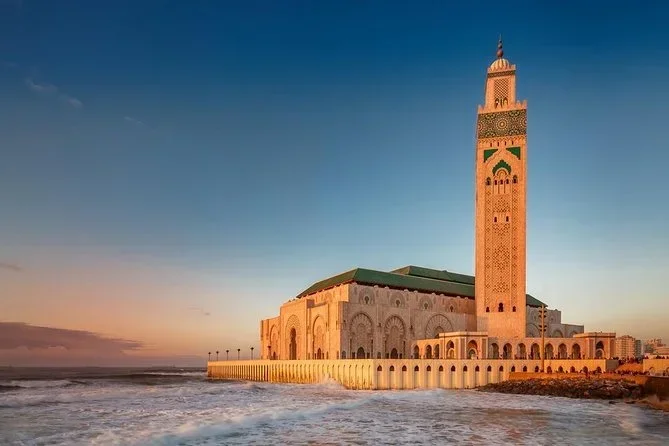
Featured image for Fes to Casablanca tour
Image source: media.tacdn.com
A 6 day tour from Fes to Casablanca is the perfect way to experience Morocco’s most iconic landscapes and cultural treasures in one unforgettable journey. This route takes travelers from the medieval medina of Fes through the Sahara Desert, past stunning cedar forests, and finally to the Atlantic coast. Expect camel rides, ancient kasbahs, and rich Berber traditions along the way.
Picture yourself standing at the edge of the Sahara Desert as the sun paints the sand dunes in shades of gold and orange. Behind you lies the ancient medina of Fes, and ahead, the Atlantic waves of Casablanca are waiting. A 6 day tour from Fes to Casablanca connects Morocco’s most magical destinations into one seamless adventure.
This route has become the gold standard for travelers who want to see the country’s diverse highlights without rushing. Think of it like a greatest hits album of Morocco, where each day brings a completely new sound. From imperial cities to Berber villages, from mountain passes to ocean breezes, every stop tells a different story.
Did you know that Morocco welcomed over 14.5 million tourists in 2023, with the Fes-Casablanca corridor being one of the most popular circuits? The journey combines three imperial cities, one desert experience, and countless cultural encounters that make Morocco truly unforgettable.
Key Takeaways
- Route Variety: A 6 day tour from Fes to Casablanca covers over 800 kilometers of Morocco’s most scenic landscapes, from desert dunes to ocean shores.
- Best Travel Season: Spring (March-May) and autumn (September-November) offer the most comfortable temperatures for this multi-day journey.
- Cultural Depth: The itinerary includes four UNESCO World Heritage Sites, making it ideal for history and culture enthusiasts.
- Desert Experience: Travelers spend at least one night in the Sahara Desert, with camel treks and traditional Berber camp stays included.
- Budget Range: Prices typically range from $600 to $1,200 per person, depending on accommodation choices and tour inclusions.
- Group vs. Private: Both group and private tour options exist, with private tours offering more flexibility but at higher costs.
- Physical Demand: The tour requires moderate fitness due to camel rides, walking in medinas, and long driving distances between cities.
📑 Table of Contents
- What Makes This 6 Day Tour Route Special?
- Detailed Day-by-Day Itinerary Breakdown
- Who Should Consider This Tour?
- When to Book and Travel
- Where You Stay and What You Eat
- Why Choose a Guided Tour?
- Budget and Booking Considerations
- Essential Packing Tips
- Making the Most of Each Stop
- Conclusion: Your Moroccan Adventure Awaits
What Makes This 6 Day Tour Route Special?
The magic of traveling from Fes to Casablanca over six days lies in the incredible variety packed into a manageable timeframe. You start in one of the world’s oldest medieval cities and end at a modern coastal metropolis, with the Sahara Desert as your dramatic middle act.
A Cross-Section of Morocco
Imagine Morocco as a layered cake. Fes represents the historical bottom layer, filled with ancient traditions and craftsmanship. The Sahara forms the rich middle, offering adventure and natural wonder. Casablanca sits on top, representing modern Morocco with its art deco architecture and ocean views.
This tour gives you a taste of each layer. You’ll walk through medinas that haven’t changed in centuries, sleep under stars that nomadic tribes have watched for millennia, and sip mint tea in coastal cafés where business deals shape the region.
Distance and Geography
The total driving distance covers approximately 800-900 kilometers, depending on the specific route taken. While that sounds long, the journey is broken into comfortable daily segments of 3-5 hours each. Think of it less like a road trip and more like a scenic train journey, except you’re free to stop whenever something catches your eye.
The route typically moves south from Fes into the Middle Atlas Mountains, then southeast toward the Sahara, before heading west through the Atlas Mountains and finally north to Casablanca on the coast.
Detailed Day-by-Day Itinerary Breakdown
Understanding what each day brings helps you prepare mentally and physically. Here’s how the classic 6 day tour from Fes to Casablanca typically unfolds.
Visual guide about Fes to Casablanca tour
Image source: data.globalhighlights.com
Day 1: Fes City Exploration
Your adventure begins in Fes, Morocco’s spiritual and cultural capital. The city was founded in the 9th century and remains home to the world’s oldest continuously operating university, the University of al-Qarawiyyin, established in 859 AD.
The day usually starts with a guided walking tour of Fes el-Bali, the ancient medina. This UNESCO World Heritage Site contains over 9,000 narrow alleys that cars cannot enter. Your guide leads you through the famous tanneries, where leather has been processed the same way for nearly 1,000 years.
Did You Know? Fes has approximately 200 mosques within the medina walls, and the call to prayer creates a beautiful, layered echo throughout the city five times daily.
Day 2: Fes to Merzouga via Ifrane and the Middle Atlas
Day two is when the landscape transforms dramatically. You leave Fes behind and climb into the Middle Atlas Mountains. The first major stop is Ifrane, often called “Little Switzerland of Morocco” because of its alpine-style architecture and clean streets.
The journey continues through the Cedar Forest of Azrou, where Barbary macaque monkeys live wild among ancient trees. These are the only primate species native to North Africa, and seeing them in their natural habitat is a highlight for many travelers.
By evening, you reach Merzouga, the gateway to the Erg Chebbi dunes. Some tours offer camel treks into the desert on day two, while others save this experience for the following morning.
Day 3: Sahara Desert Immersion
Day three is often called the soul of the entire trip. You wake up in (or near) the Sahara Desert, where the dunes of Erg Chebbi can reach heights of 150 meters, roughly the size of a 40-story building.
The morning might include sandboarding down dune faces or simply watching light transform the desert landscape. Berber guides share stories of desert life, nomadic traditions, and survival techniques passed down through generations.
The evening brings traditional music around a campfire, tagine dinners cooked under the stars, and sleeping in authentic Bedouin-style tents. The desert silence here is so complete that many visitors describe it as almost spiritual.
Day 4: Merzouga to Dades Valley via Todra Gorge
After sunrise over the dunes, the fourth day takes you west through some of Morocco’s most dramatic scenery. The route passes through the town of Erfoud, known for its fossil workshops where ancient sea creatures, dating back over 350 million years, are transformed into beautiful artifacts.
The Todra Gorge is your mid-day stop, featuring limestone cliffs that tower 400 meters above a narrow canyon floor. Rock climbers travel from around the world to challenge these walls, but even non-climbers find the scale breathtaking.
By evening, you arrive in the Dades Valley, often called the “Valley of a Thousand Kasbahs.” This region showcases the unique earth-castle architecture that defines southern Morocco.
Day 5: Dades Valley to Marrakech via Ouarzazate and Ait Benhaddou
Day five crosses the Atlas Mountains via the spectacular Tizi n’Tichka pass, which reaches an elevation of 2,260 meters. The road winds through Berber villages where life has continued largely unchanged for centuries.
The morning starts with a visit to Ait Benhaddou, perhaps Morocco’s most famous kasbah. This fortified village has served as a filming location for productions including “Gladiator,” “Lawrence of Arabia,” and the television series “Game of Thrones.” The UNESCO-protected site sits dramatically along the former caravan route between the Sahara and Marrakech.
You arrive in Marrakech by evening, where the energy shifts entirely. The famous Jemaa el-Fnaa square comes alive at night with storytellers, musicians, snake charmers, and food vendors creating a carnival atmosphere that hasn’t changed since medieval times.
Day 6: Marrakech to Casablanca via Rabat
The final day begins with a morning exploration of Marrakech, including the stunning Majorelle Garden and the historic Bahia Palace. Then you travel toward the Atlantic coast.
The route includes a stop in Rabat, Morocco’s capital, where you visit the Hassan Tower and the Kasbah of the Udayas. Rabat often surprises travelers with its relaxed atmosphere and well-preserved architecture, offering a peaceful contrast to the intensity of Fes and Marrakech.
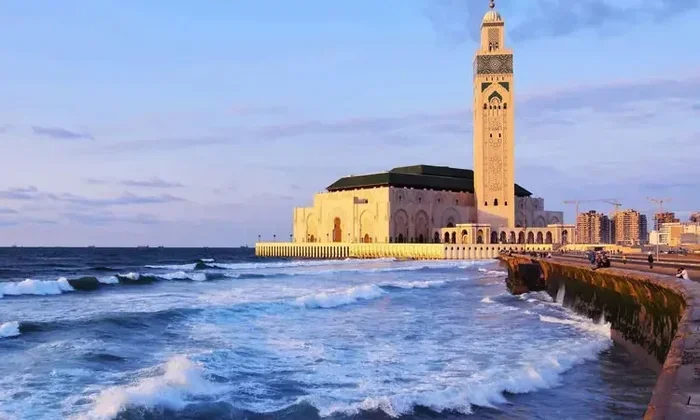
Your 6 day tour from Fes to Casablanca concludes in Casablanca, where you visit the magnificent Hassan II Mosque. This mosque is one of the few in Morocco open to non-Muslim visitors and features the world’s tallest minaret at 210 meters high.
Who Should Consider This Tour?
This itinerary appeals to a wide range of travelers, but certain types find it especially rewarding. Understanding whether you fit the typical traveler profile helps set proper expectations.
Perfect for First-Time Morocco Visitors
If you’ve never been to Morocco before, this tour serves as an excellent introduction. You experience the country’s diversity without committing to a longer expedition. Think of it as Morocco’s greatest hits, designed to leave you wanting more.
First-timers appreciate that the route covers all the “must-see” destinations without requiring extensive trip planning. Everything from hotels to meals to transportation gets arranged, so you can focus on experiencing rather than organizing.
Ideal for Culture and History Enthusiasts
History buffs find this tour particularly satisfying because it visits four UNESCO World Heritage Sites: Fes medina, Ait Benhaddou, Marrakech medina, and Rabat. Each site represents a different era and style of Moroccan civilization.
Similarly, culture lovers enjoy the mix of Arabic, Islamic, Berber, and French influences visible throughout the journey. From the call to prayer echoing across medinas to the French architecture in Casablanca, you witness Morocco’s layered identity firsthand.
Suitable for Adventure Seekers (With Caveats)
Adventure travelers enjoy the camel treks, desert camping, and mountain drives. However, this tour leans more toward comfortable exploration than extreme adventure. If you’re seeking serious trekking or rock climbing, you’d want to add specific excursions.
When to Book and Travel
Timing affects everything from weather to crowd levels to pricing. Choosing the right time for your 6 day tour from Fes to Casablanca can dramatically improve your experience.
Best Seasons for Travel
Spring (March through May) and autumn (September through November) offer the most pleasant conditions. Temperatures hover between 20-28°C (68-82°F) during the day, cool down nicely at night, and rainfall stays minimal.
Summer (June through August) brings intense heat, especially in the desert, where temperatures regularly exceed 45°C (113°F). Winter (December through February) can be surprisingly cold at night in the desert and mountains, with occasional snow on mountain passes.
Booking Timing Recommendations
Most tour operators suggest booking 2-3 months in advance for spring and autumn travel. Peak season (October and April) fills up fastest. Summer tours often have last-minute availability, while winter sees fewer scheduled departures.
Did You Know? Morocco’s tourism industry has recovered to 95% of pre-pandemic levels, with 2024 seeing strong demand for desert tours like this classic route.
Daily Timing Within the Itinerary
Tour schedules typically start early to maximize sightseeing and avoid afternoon heat. Expect 7-8 AM departures from hotels and arrival at the next destination by late afternoon. This pacing prevents exhaustion while covering significant ground.
Where You Stay and What You Eat
Accommodations and meals significantly impact your tour enjoyment. Understanding what to expect helps you decide whether to upgrade options or stick with standard packages.
Accommodation Types
Most 6 day tours include a mix of mid-range hotels (3-4 stars), traditional riads (historic courtyard homes converted to guesthouses), and desert camps. The desert camp typically features private tents with shared bathroom facilities, though luxury upgrades offer en-suite options.
Riads provide the most authentic Moroccan experience. These restored merchant homes feature interior gardens, intricate tilework, and rooftop terraces. Staying in a riad feels like sleeping inside a museum, except you’re free to touch everything and it’s all yours for the night.
Food Experiences Along the Way
Moroccan cuisine shines throughout this journey. Tagines (slow-cooked stews named after their distinctive cone-shaped clay pots) appear at almost every meal, featuring combinations like chicken with preserved lemons, lamb with prunes, or fish with vegetables.
Other staples include couscous (especially on Fridays, the holy day), harira (a rich lentil and tomato soup), and fresh bread baked in communal ovens. Mint tea, Morocco’s national drink, accompanies every meal and social gathering.
Did You Know? The average Moroccan consumes about 3 kilograms of mint per year, primarily for tea preparation. That’s enough mint to fill a small suitcase for every man, woman, and child in the country.
Why Choose a Guided Tour?
You might wonder whether to book a guided tour or attempt this journey independently. Each approach has merits, but guided tours offer specific benefits worth considering.
Local Knowledge Makes the Difference
Moroccan guides bring context that transforms good trips into great ones. A guide explains why that door knocker has three rings (representing the three branches of Islam), identifies the medicinal plants growing beside mountain roads, and navigates medina alleys that Google Maps cannot map.
Think of it like this: you could read about wine for years, but having a sommelier explain what you’re tasting makes the experience come alive. Guides do the same for Moroccan culture.
Logistics Simplified
Booking hotels, restaurants, and transportation in multiple cities across Morocco presents challenges for foreign visitors. Language barriers, unfamiliar pricing structures, and local customs can turn logistics into a full-time job.
Tours handle these details so you can focus on experiences. Drivers familiar with mountain roads, hotels vetted for quality and safety, and restaurants tested for hygiene all get arranged before you arrive.
Safety and Support
Morocco ranks among Africa’s safest countries for tourists, but having local support adds peace of mind. Your guide serves as both interpreter and problem-solver if unexpected situations arise.
Many travelers also appreciate the social aspect of group tours, where you share experiences with fellow adventurers from around the world. Lifelong friendships often form during multi-day desert journeys.
Budget and Booking Considerations
Understanding pricing structures helps you choose the right tour without overpaying or missing essential inclusions.
Typical Price Ranges
Standard group tours cost between $600-900 per person, while private tours range from $1,200-2,500 depending on group size and luxury level. These prices usually include transportation, accommodation, breakfast and dinner daily, guided tours, and camel treks.
Not typically included: lunch, drinks, entrance fees to certain monuments, tipping (customary at about 10-15% of tour price), and personal expenses like souvenirs.
Questions to Ask Before Booking
Before committing to a tour, ask specific questions to avoid surprises. Inquire about group size (smaller groups, typically 8-12 people, offer better experiences), vehicle type and age, accommodation names (so you can research independently), and what happens if weather disrupts the itinerary.
Also confirm the cancellation policy, what’s included in the desert camp, and whether the company carries proper insurance and licensing. Reputable operators answer these questions transparently.
Red Flags to Avoid
Be cautious of tours priced significantly below market rates, companies that pressure you to book immediately, or operators unwilling to provide written confirmations of what’s included. Similarly, avoid tours that promise activities outside the normal itinerary without explaining additional costs.
Trust your instincts: if communication feels rushed or dishonest before booking, the actual experience likely will too.
Essential Packing Tips
Smart packing makes your 6 day tour from Fes to Casablanca much more comfortable. Morocco’s climate varies dramatically across the route, requiring versatile clothing choices.
Clothing Recommendations
Pack layers that handle temperature swings. Desert nights can drop to 10°C (50°F) even when days reach 35°C (95°F). A light jacket or fleece proves essential, especially for early morning camel rides and mountain crossings.
Modest clothing shows respect for local culture, particularly when visiting religious sites. Shoulders and knees should be covered in medinas and mosques. Lightweight, breathable fabrics work best for the climate.
Items You Might Forget
Beyond obvious items, consider packing a headscarf or buff (useful for desert sand and sun protection), a small flashlight (desert camps can be dim), wet wipes (handy during long drives), and a power bank (charging opportunities can be limited).
Sun protection matters more than most travelers expect. Sunscreen, sunglasses, and a hat protect against intense desert and mountain sun that reflects strongly from sand and stone.
What to Leave Behind
Avoid bringing too much. Storage space in tour vehicles is limited, and you’ll thank yourself for packing light when moving between hotels. Most travelers overpack, then wear the same five outfits throughout the trip.
Also reconsider expensive jewelry or electronics you wouldn’t want to lose. While Morocco is generally safe, minimizing valuables reduces stress throughout your journey.
Making the Most of Each Stop
How you approach each destination shapes your overall experience. These tips help you engage meaningfully with the places and people you encounter.
Embrace the Slow Moments
The desert teaches patience like nothing else. After camel treks, resist the urge to constantly photograph and instead simply sit. Watch how light moves across dunes. Listen to wind patterns. Notice how silence has texture and rhythm.
Similarly, in medinas, get lost intentionally. The alleys that seem chaotic actually follow logical patterns once you understand the system. Wandering without agenda often leads to your best memories and stories.
Connect with Locals
Moroccans are famously hospitable. Accept invitations for mint tea when offered, even if language barriers exist. Tea ceremonies create connection even without shared words, and refusing can seem rude.
Learn a few Arabic or Berber phrases. “Shukran” (thank you), “salaam alaikum” (peace be upon you), and “la, shukran” (no, thank you) go far in showing respect and opening doors to genuine interaction.
Document Thoughtfully
Photography enriches memories but can also distance you from experiences. Try the “photo-free hour” approach: dedicate specific times to simply being present, camera put away.
When photographing people, always ask permission first. A smile and gesture toward your camera usually suffices. Most Moroccans happily pose, and some expect small tips in return, which is perfectly reasonable.
Conclusion: Your Moroccan Adventure Awaits
A 6 day tour from Fes to Casablanca offers an unrivaled introduction to Morocco’s incredible diversity. In less than a week, you walk through medieval cities, ride camels across ancient dunes, cross mountain passes that Berber traders have crossed for millennia, and end your journey watching Atlantic waves crash against modern shores.
This itinerary works because it balances structure with freedom, cultural depth with natural beauty, and comfort with adventure. You return home with stories that friends and family will hear about for years, photos that capture impossible colors and textures, and a deeper understanding of a country that exists at the fascinating crossroads of Africa, Europe, and the Middle East.
The Sahara’s silence, the medinas’ organized chaos, the kasbahs’ timeless architecture, and Casablanca’s ocean breeze combine into an experience that transcends simple sightseeing. You don’t just visit Morocco on this tour; you feel it, taste it, smell it, and carry it with you long after you’ve returned home.
Whether you’re a first-time visitor to Africa, a seasoned traveler seeking something different, or someone looking for a journey that engages both heart and mind, this 6 day tour from Fes to Casablanca delivers. The only question remaining is when you’ll take the first step and book your adventure into one of the world’s most captivating countries.
Frequently Asked Questions
How much does a 6 day tour from Fes to Casablanca typically cost?
A standard group tour ranges from $600-900 per person, while private tours cost $1,200-2,500. Prices usually include accommodation, transportation, breakfast and dinner daily, guided tours, and camel rides in the desert. Lunch, drinks, monument entrance fees, and tips are typically extra.
What is the best time of year for this tour?
Spring (March-May) and autumn (September-November) provide the most comfortable temperatures, with daytime highs of 20-28°C (68-82°F). Summer brings extreme desert heat exceeding 45°C (113°F), while winter nights can be surprisingly cold in the desert and mountain regions.
Is this tour suitable for families with children?
Yes, families with children aged 6 and older generally enjoy this tour. The camel rides, desert camping, and varied landscapes captivate young travelers. However, parents should prepare children for long driving days and the cultural differences they’ll encounter in medinas and rural areas.
What should I wear on this 6 day Morocco tour?
Pack modest, comfortable clothing that covers shoulders and knees, especially for religious sites and medinas. Layers are essential because temperatures vary dramatically between desert days and nights, as well as between coastal and mountain destinations. Comfortable walking shoes are also crucial for medina exploration.
Do I need a visa for Morocco for this tour?
Citizens of most Western countries, including the United States, Canada, UK, EU nations, and Australia, can enter Morocco visa-free for stays up to 90 days. Your passport must be valid for at least six months beyond your entry date. Always verify current requirements with your local Moroccan embassy before traveling.
Is it safe to take a guided tour in Morocco?
Morocco is considered one of Africa’s safest countries for tourists, with established tourism infrastructure. Reputable tour operators employ experienced guides familiar with local conditions and customs. The biggest safety concerns involve petty theft in crowded areas, which standard precautions can easily prevent.