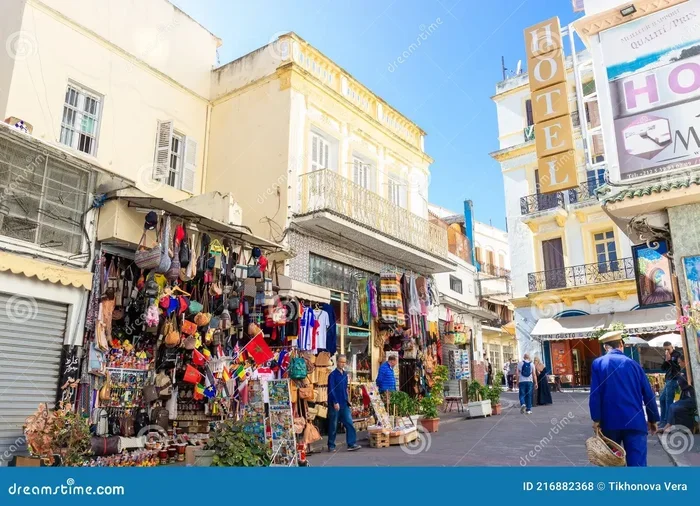
Featured image for Tangier Morocco Medina street
Image source: thumbs.dreamstime.com
Embark on an unforgettable 9-day excursion from Tangier to Tetouan and discover the magic of northern Morocco. This comprehensive journey blends coastal beauty, ancient medinas, and cultural treasures across Tangier, Chefchaouen, Tetouan, and beyond. Perfect for travelers seeking an authentic Moroccan adventure, this tour offers guided experiences, scenic drives, and immersive cultural encounters from the Strait of Gibraltar to the Rif Mountains.
Key Takeaways
- 9-Day Duration: This excursion from Tangier to Tetouan spans nine full days, covering roughly 600-800 kilometers of northern Morocco’s most scenic regions.
- Multiple Destinations: The route typically includes Tangier, Chefchaouen, Tetouan, Asilah, Larache, and often extends to Rabat, Fez, or Meknes.
- Cultural Immersion: Travelers visit UNESCO World Heritage Sites, traditional souks, and historic medinas dating back centuries.
- Best Travel Season: Spring (March-May) and autumn (September-November) offer the most comfortable weather for this excursion.
- Budget Range: Prices typically range from $800 to $2,500 per person, depending on accommodation choices and tour inclusions.
- Language Considerations: Arabic and Berber are official languages, though French and Spanish are widely spoken in northern Morocco.
- Transportation: Most tours include private air-conditioned vehicles with experienced multilingual drivers familiar with the region.
📑 Table of Contents
- What Makes This 9-Day Tangier to Tetouan Excursion Special?
- Understanding the Route: Who, What, Where, When, and Why
- Day-by-Day Breakdown of Your 9-Day Adventure
- Essential Planning Information for Your Excursion
- Choosing the Right Tour Operator
- Making the Most of Your 9-Day Moroccan Experience
- Conclusion: Why This Journey Matters
What Makes This 9-Day Tangier to Tetouan Excursion Special?
Picture yourself standing where two continents almost meet. The salty breeze from the Strait of Gibraltar brushes your face, and across the water, Spain shimmers in the distance. This is Tangier, the starting point of your nine-day adventure through northern Morocco’s most captivating landscapes and cities.
An excursion de 9 dias desde Tanger a Tetuan is more than just a trip. Think of it as a carefully woven story that takes you through bustling port cities, the famous blue-washed streets of Chefchaouen, and the quiet elegance of Tetouan’s UNESCO-protected medina. Each day unfolds like a new chapter, revealing layers of Moroccan culture, history, and natural beauty.
Did you know that Morocco welcomed over 14.5 million tourists in 2023, with the northern region seeing a significant surge in visitors? The Tangier-Tetouan corridor has become one of the kingdom’s most sought-after routes, offering a perfect blend of Mediterranean charm and authentic Moroccan heritage.
Understanding the Route: Who, What, Where, When, and Why
Who Is This Excursion Designed For?
This 9-day journey is crafted for curious travelers who want to experience Morocco beyond the typical tourist trail. It’s ideal for culture enthusiasts, photography lovers, history buffs, and anyone seeking a slower, more immersive way to explore a country. Whether you’re a solo adventurer, a couple on a romantic getaway, or a family looking for educational travel, this route adapts beautifully.
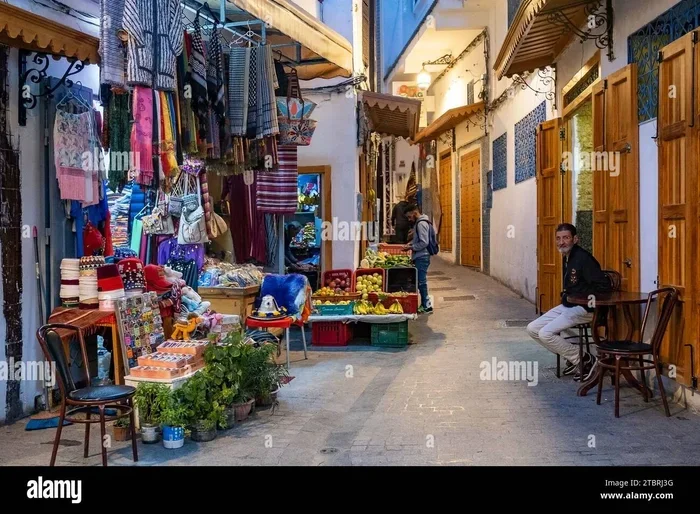
Visual guide about Tangier Morocco Medina street
Image source: c8.alamy.com
What Exactly Does the Itinerary Include?
Think of the excursion as a comprehensive introduction to northern Morocco’s highlights. You’ll explore ancient medinas, wander through vibrant souks, visit Roman ruins, relax on Atlantic beaches, and discover hidden gems that most travelers miss. The package typically covers transportation, accommodation, guided tours, and selected meals.
Where Does the Journey Take Place?
The route hugs Morocco’s northern coastline before turning inland toward the Rif Mountains. Starting in Tangier, the path winds through Asilah, Chefchaouen, Tetouan, and often extends toward imperial cities like Fez or coastal towns like Larache. Each location offers its own unique character and attractions.
When Is the Best Time to Travel?
The sweet spots are April through June, and September through early November. During these months, temperatures hover comfortably between 65-80°F (18-27°C). Summer can get hot, especially in inland areas, while winter brings cooler temperatures and occasional rain. Spring offers the bonus of blooming landscapes.
Why Choose This Particular Route?
Simply put, northern Morocco is where Europe meets Africa, where ancient traditions blend with modern life. The Tangier to Tetouan corridor offers incredible diversity within a compact geographic area. You’re not just seeing Morocco; you’re experiencing the cultural crossroads that has shaped civilizations for thousands of years.
Day-by-Day Breakdown of Your 9-Day Adventure
Let me walk you through what a typical 9-day excursion from Tangier to Tetouan looks like. Think of it as your roadmap, though remember that flexibility is built into most tours.
Days 1-2: Discovering Tangier’s Charms
Your adventure begins in Tangier, a city that has fascinated writers, artists, and travelers for centuries. The famous American author Paul Bowles called Tangier home for decades. Today, you’ll understand why.
Start at the Kasbah, where the Sultan’s Palace stands guard over the old city. From here, panoramic views stretch across the strait toward Spain. The Mendoubia Gardens offer a peaceful retreat with ancient trees and fountains that have provided respite since the 17th century.
The Medina of Tangier is a sensory explosion. Narrow alleys wind between white walls, vendors call out their wares, and the smell of fresh mint tea drifts from doorways. Don’t miss the Petit Socco, the small square that once served as the meeting point for spies, smugglers, and artists during the international zone era.
Day two takes you to Cape Spartel, where the Atlantic Ocean meets the Mediterranean Sea. Stand at this dramatic point and watch the waves crash against the cliffs. The nearby Caves of Hercules have been attracting visitors for millennia, with their mysterious openings shaped like the African continent.
Practical Tip: Wear comfortable walking shoes. Tangier’s medina has lots of steps, slopes, and uneven surfaces that can challenge even seasoned walkers.
Days 3-4: The Blue Pearl of Chefchaouen
The drive from Tangier to Chefchaouen takes about 2.5 hours, winding through the foothills of the Rif Mountains. As you approach, you’ll notice the buildings gradually shifting to various shades of blue. Welcome to Chefchaouen, the famous “Blue City.”
Did you know that Chefchaouen was founded in 1471? The blue-painted buildings you see today became widespread in the 1930s when Jewish refugees settled here, bringing with them the tradition of painting buildings blue. The color is said to symbolize the sky and heaven, while also helping to repel mosquitoes.
Spend day three wandering through the medina’s maze-like streets. Every corner reveals a new photo opportunity. The main square, Outa el-Hammam, comes alive in the late afternoon when locals gather and children play. The Kasbah Museum, built in the 15th century, houses artifacts from the region’s rich history.
Day four offers options for adventure. Hiking enthusiasts can tackle the trail to the Spanish Mosque for sunset views over the blue city. Nature lovers can visit the Talassemtane National Park, home to endangered Barbary macaques and stunning cedar forests. Shoppers can hunt for unique handicrafts, particularly woven goods and leather products that Chefchaouen is famous for.
Insider Tip: The early morning light between 7-9 AM provides the best photography conditions. The streets are quiet, and the blue paint seems to glow in the soft sunlight.
Days 5-6: Tetouan and the Mediterranean Coast
From Chefchaouen, you’ll travel to Tetouan, roughly 1.5 hours away. This UNESCO World Heritage city offers something distinctly different from Chefchaouen’s tourist-friendly atmosphere. Tetouan feels more authentically Moroccan, more lived-in, more real.
The medina of Tetouan was declared a UNESCO World Heritage Site in 1997. Unlike other Moroccan medinas, it was built by Andalusian refugees who fled Spain in the 15th century. This gives the architecture a unique Spanish-Moorish character you won’t find elsewhere in Morocco.
Explore the Mellah (Jewish Quarter), visit the Royal Palace exterior with its intricate craftsmanship, and browse the souks where artisans still practice traditional crafts. The Archaeological Museum houses remarkable finds from the region’s Roman past, including items from the ancient city of Volubilis.
On day six, venture to Martil or Cabo Negro for some beach time. The Mediterranean coastline here features pristine beaches with clear waters. If you visit during summer, the water temperature is perfect for swimming. The nearby town of Mdiq offers excellent seafood restaurants where you can sample fresh catch of the day.
Local Insight: Visit the ENSA art school in Tetouan, one of Morocco’s premier art institutions. Their gallery showcases works from students and established Moroccan artists, offering insight into contemporary Moroccan creativity.
Days 7-8: Imperial Cities and Roman Heritage
Many 9-day tours extend the journey to include one or two imperial cities. The most common addition is Fez or Meknes, both reachable within 3-4 hours from Tetouan.
Fez, the spiritual capital of Morocco, contains the world’s oldest continuously operating university, the University of al-Qarawiyyin, founded in 859 AD. The Fes el-Bali medina is a labyrinth of over 9,000 alleys, containing some of the most important monuments in the Islamic world.
Alternatively, Meknes offers a more relaxed imperial city experience. Built largely by Sultan Moulay Ismail in the 17th century, it features impressive gates, granaries, and the remarkable Sahrij Swani stables that once housed 12,000 horses.
Some tours include a visit to Volubilis, the best-preserved Roman ruins in Morocco. Walking among the ancient mosaics, triumphal arches, and crumbling temples gives you a tangible connection to the Roman Empire’s far reaches. Did you know Volubilis was once the administrative center for the kingdom of Mauretania?
Travel Tip: If you’re short on time, choose Fez over Meknes. While both are remarkable, Fez offers a more comprehensive imperial city experience.
Day 9: Return Journey and Final Reflections
Your final day brings you back toward Tangier, with stops that tie together your experiences. Many tours include a visit to Asilah, a charming coastal town known for its whitewashed walls decorated with colorful murals. The annual Asilah Arts Festival has transformed this small town into an open-air gallery.
As you return to Tangier, you’ll have covered approximately 600-800 kilometers and witnessed the incredible diversity of northern Morocco. From Mediterranean beaches to mountain villages, from Roman ruins to Andalusian architecture, this journey offers a comprehensive taste of the kingdom.
Spend your final evening at a traditional Moroccan restaurant, enjoying a tagine or couscous while reflecting on the experiences. Many travelers find that Morocco’s magic stays with them long after they’ve returned home.
Essential Planning Information for Your Excursion
What to Pack for Your 9-Day Journey
Packing smart can make or break your experience. Here’s what experienced travelers recommend:
- Clothing: Light, breathable fabrics for warm days, plus a light jacket for cooler evenings in the mountains
- Footwear: Comfortable walking shoes with good grip for medina exploration
- Sun Protection: Hat, sunglasses, and high-SPF sunscreen
- Modesty: Long pants and sleeves that cover shoulders, especially for mosque visits
- Power Adapter: Morocco uses Type C and E plugs
- Currency: Moroccan Dirham (MAD), though euros are often accepted
- Day Pack: Small backpack for water, camera, and essentials during excursions
Budget Considerations and Price Ranges
The cost of a 9-day excursion from Tangier to Tetouan varies based on several factors. Budget tours start around $800-1,200 per person, typically including basic accommodations, group transportation, and some meals. Mid-range tours run $1,500-2,000, offering better hotels and smaller groups. Luxury tours can exceed $2,500, featuring premium riads and personalized service.
Remember that tipping is customary in Morocco. Budget around 10-15% for guides and drivers. Your main guide might receive $5-10 daily, while drivers typically receive $3-5 per day.
Health and Safety Tips
Morocco is generally very safe for tourists. The U.S. State Department rates most regions as Level 2 advisory, meaning exercise normal precautions. However, take standard travel precautions with food and water.
- Drink bottled water throughout your trip
- Avoid raw vegetables unless in established restaurants
- Carry hand sanitizer for use before eating
- Pack any prescription medications in original containers
- Consider travel insurance that covers medical evacuation
Vaccinations to consider include Hepatitis A and Typhoid, though no specific vaccines are required for Morocco entry. Consult your doctor 4-6 weeks before departure for personalized advice.
Cultural Etiquette and Local Customs
Understanding Moroccan culture enhances your experience significantly. Moroccans are incredibly welcoming, but following local customs shows respect:
- Use your right hand for eating and greeting
- Ask permission before photographing people
- Remove shoes when entering mosques or someone’s home
- Dress modestly, especially in religious areas
- Accept mint tea when offered; it’s a sign of hospitality
- Learn a few Arabic phrases: “Salam alaikum” (peace be upon you) and “Shukran” (thank you)
Choosing the Right Tour Operator
What to Look for in a Tour Company
Not all tour operators are created equal. When booking your 9-day excursion, consider these factors:
Reputation matters enormously. Look for companies with at least 5-10 years of experience running tours in northern Morocco. Read recent reviews on platforms like TripAdvisor, but focus on detailed reviews that mention specific guides and experiences rather than generic praise.
Group size affects your experience significantly. Smaller groups (8-12 people) offer more flexibility and personal attention. Large groups (20+) often feel rushed and crowded, particularly in the narrow medina alleys.
Guide quality makes or breaks a tour. The best guides are licensed, multilingual (at minimum Arabic, French, and English), and genuinely passionate about sharing Moroccan culture. Don’t hesitate to ask about guide qualifications before booking.
Red Flags to Avoid
Be cautious of companies that are vague about itineraries, demand full payment upfront through unsecured methods, or have no verifiable physical address or business registration. Reputable companies are transparent about costs, provide detailed itineraries, and offer customer support throughout your trip.
Did you know that Morocco’s tourism industry is regulated? Legitimate tour operators must be registered with the Ministry of Tourism. Ask for registration numbers if you’re unsure about a company’s legitimacy.
Benefits of Private vs. Group Tours
Private tours offer maximum flexibility. You can adjust your pace, spend more time in places you love, and skip those that interest you less. They’re ideal for photographers, couples, or anyone wanting a customized experience.
Group tours provide cost savings and social interaction. They’re perfect for solo travelers or those who enjoy meeting like-minded explorers. Many friendships form during group tours that last long after the trip ends.
Making the Most of Your 9-Day Moroccan Experience
Photography Tips for Northern Morocco
Northern Morocco offers incredible photography opportunities, from Chefchaouen’s blue streets to Tetouan’s ornate doorways. The golden hour, that magical time just before sunset, transforms medinas into warm, glowing scenes. Early morning offers the bonus of empty streets and soft light.
Always ask permission before photographing people. Many Moroccans, particularly in rural areas, may decline or expect a small tip. Respect their wishes, and you’ll find that many people actually enjoy posing once they understand your appreciation.
Shopping and Souvenirs
The souks of northern Morocco offer treasures you won’t find elsewhere. Chefchaouen is famous for woven blankets and scarves, while Tetouan excels in traditional embroidery and zellige tilework. Tangier offers antiques and vintage items from its international past.
Bargaining is expected in souks. Start at about 40-50% of the asking price and negotiate from there. Keep it friendly, smile, and remember that the interaction itself is part of the experience. Don’t bargain if you plan to buy; that would be considered rude.
Culinary Experiences Not to Miss
Moroccan cuisine varies by region, and northern Morocco has distinct specialties. Try the fresh seafood along the coast, particularly in Asilah and Martil. Tangier offers excellent Spanish-influenced dishes reflecting its proximity to Europe.
Don’t leave without experiencing a proper Moroccan tagine, slow-cooked to perfection with aromatic spices. Pastilla, a sweet and savory pie with pigeon or chicken, is a Tetouan specialty. For breakfast, try msemen (Moroccan pancakes) with honey and mint tea.
Did You Know? Morocco is the world’s largest exporter of sardines, and you’ll find them prepared in dozens of ways along the northern coast.
Conclusion: Why This Journey Matters
An excursion de 9 dias desde Tanger a Tetuan offers more than just sightseeing. It provides a window into a Morocco that many travelers miss, one that exists in the cultural spaces between Europe and Africa, between Atlantic and Mediterranean, between ancient traditions and modern aspirations.
The nine days allow for genuine immersion. You have time to wander, to get lost in medina alleys, to sit in a café and watch life unfold, to return to a favorite spot for sunset. This isn’t a rushed tour where you check off monuments. It’s a journey of discovery.
From Tangier’s cosmopolitan energy to Chefchaouen’s serene blues, from Tetouan’s Andalusian heritage to the imperial grandeur of Fez, each destination adds depth to your understanding of Morocco. The Rif Mountains, the Mediterranean coast, the fertile valleys between them; this route captures the essence of a region that has welcomed travelers for thousands of years.
Whether you’re drawn by history, culture, photography, or simply wanderlust, this 9-day excursion delivers experiences that stay with you. The warm hospitality of Moroccans, the sensory richness of the medinas, the stunning natural beauty, and the fascinating blend of cultures all combine to create something truly memorable.
Start planning your excursion from Tangier to Tetouan today. Nine days might seem like a lot, but trust me, by the end of your journey, you’ll wish you had more time to explore this captivating corner of Morocco.
Frequently Asked Questions
What is the best time of year for a 9-day excursion from Tangier to Tetouan?
The ideal times are spring (March-May) and autumn (September-November) when temperatures are mild, typically between 65-80°F. These seasons offer comfortable weather for exploring medinas and outdoor activities without the intense heat of summer or the cooler, rainy winter months.
How much does a 9-day Tangier to Tetouan tour typically cost?
Prices range from $800-$2,500 per person, depending on accommodation level, group size, and tour inclusions. Budget tours use 3-star hotels and group transportation, while luxury options feature premium riads and private guides. Most packages include accommodation, transportation, guide services, and selected meals.
Is it safe for tourists to travel through northern Morocco?
Yes, northern Morocco is generally very safe for tourists. The region welcomes millions of visitors annually, and locals are known for their hospitality. Standard travel precautions apply: watch your belongings in crowded areas, use bottled water, and respect local customs. Most travelers report feeling welcomed and secure throughout their journey.
Do I need a visa to visit Morocco for this excursion?
Citizens of many countries, including the United States, Canada, UK, and EU nations, can enter Morocco visa-free for stays up to 90 days. Your passport should be valid for at least six months beyond your entry date. Always verify current entry requirements with your local Moroccan embassy before traveling.
What should I wear during the excursion?
Pack modest, comfortable clothing that covers shoulders and knees, especially for visiting religious sites. Light, breathable fabrics work best for warm days, with a light jacket for cooler evenings in the mountains. Comfortable walking shoes are essential as medinas feature uneven surfaces and lots of walking. Women may want to bring a scarf for covering hair when visiting mosques.
Can I customize the 9-day itinerary from Tangier to Tetouan?
Most tour operators offer customization options, particularly for private tours. You can often add destinations like Fez, Meknes, or Volubilis, extend stays in places you love, or skip locations that interest you less. Discuss your preferences with your tour company before booking to ensure they can accommodate your specific interests and travel style.