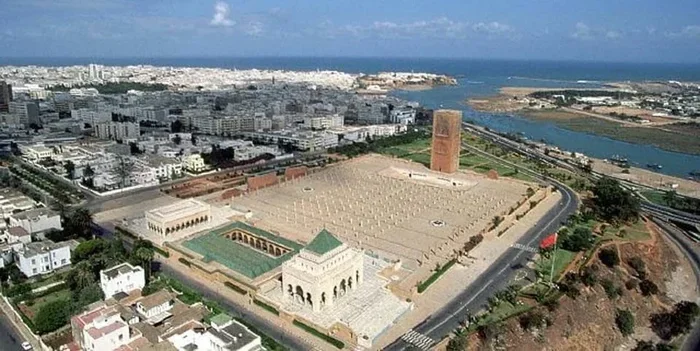
Featured image for Tangier to Rabat tour
Image source: cdn.getyourguide.com
A Tangier to Rabat 4 day tour is one of the best ways to experience Morocco’s imperial heritage and diverse landscapes in a short time. This journey takes you through the blue streets of Chefchaouen, the Roman ruins of Volubilis, the cultural capital of Fes, and ends in the elegant capital city of Rabat. Perfect for travelers who want a well-rounded Moroccan adventure without the stress of planning every detail themselves.
Morocco has a way of surprising you. One moment you’re walking through a hillside town painted entirely in shades of blue, and the next you’re standing in front of Roman columns that have stood for nearly 2,000 years. The country packs more visual and cultural punch per square mile than almost anywhere else in North Africa, which is exactly why a well-planned itinerary matters so much.
A Tangier to Rabat 4 day tour is, quite honestly, the sweet spot for first-time visitors. It’s long enough to see Morocco’s most iconic cities and landscapes, but short enough that you won’t spend your entire vacation in a van. You get the blue pearl of Chefchaouen, the ancient medina of Fes, the Roman ruins of Volubilis, and the political capital of Rabat, all without the exhaustion of a two-week grand tour.
Think of it like sampling a perfectly curated tasting menu. Instead of trying to eat everything at once, you get the best dishes, in the right order, with time to actually enjoy each one. This guide will walk you through exactly what to expect, where you’ll go, what you’ll see, and how to make the most of every single day.
Key Takeaways
- Route Overview: The tour follows a Tangier → Chefchaouen → Meknes → Volubilis → Fes → Rabat route, covering about 600 kilometers of Morocco’s most scenic and historic regions.
- Best Time to Travel: Spring (March-May) and fall (September-November) offer the most comfortable temperatures, with daytime highs around 68-75°F (20-24°C).
- Tour Styles: Options range from budget group tours ($300-500) to private luxury experiences ($1,200+), with most including accommodation, transport, and a driver-guide.
- Cultural Highlights: You’ll visit four UNESCO World Heritage Sites, including the Fes medina (the world’s largest car-free urban area).
- Practical Tip: Pack layers, comfortable walking shoes, and a scarf for mosque visits; many riads don’t have elevators, so light luggage is essential.
- Duration Sweet Spot: Four days is enough to see the major highlights without rushing, unlike 2-3 day tours that force you to skip key sites.
- Booking Advice: Reserve at least 2-4 weeks in advance, especially during peak season (April-May and September-October) when tours sell out quickly.
📑 Table of Contents
- Why Choose a 4 Day Tour from Tangier to Rabat?
- What’s Included in Most Tangier to Rabat 4 Day Tours?
- Day-by-Day Itinerary Breakdown
- How Much Does a Tangier to Rabat 4 Day Tour Cost?
- Practical Tips for Making the Most of Your 4 Day Tour
- Frequently Asked Questions About the Tangier to Rabat 4 Day Tour
- Final Thoughts: Is This Tour Right for You?
Why Choose a 4 Day Tour from Tangier to Rabat?
If you’re landing in Tangier, you’ve made a smart choice. The city sits at the northern tip of Morocco, right where the Mediterranean meets the Atlantic Ocean. It’s the closest major Moroccan city to Europe, just 14 kilometers from Spain across the Strait of Gibraltar. In fact, on a clear day from Tangier’s Cap Spartel lighthouse, you can actually see the coastlines of both continents at once. Pretty cool, right?
But Tangier itself is more of a starting point than a destination for most travelers. The real magic lies south, in the Rif Mountains, the imperial cities, and the ancient Roman sites. Doing a 4 day tour lets you cover roughly 600 kilometers of Morocco’s most fascinating terrain without feeling like you’re in a nonstop race.
The Perfect Balance of Time and Depth
Three days? Too rushed. Five or six days? Lovely, but not everyone has that kind of vacation time. Four days hits the sweet spot. You’ll spend roughly:
- Day 1: 4-5 hours of driving (with stops) between Tangier and Chefchaouen
- Day 2: 5-6 hours of travel and exploration from Chefchaouen to Fes via Meknes and Volubilis
- Day 3: Full day exploring Fes and its 9,400 winding alleyways
- Day 4: 3-4 hours of relaxed travel from Fes to Rabat
That’s a manageable pace. You’re not spending entire days staring out a window. Each stop gets proper attention, and you actually have time to wander, get a little lost, and stumble upon that perfect photo opportunity.
Who Is This Tour For?
This trip works beautifully for several types of travelers:
- Couples on a romantic getaway who want culture, beauty, and memorable experiences
- Solo travelers looking for a safe, structured way to see Morocco
- Small groups of friends wanting a shared adventure
- History buffs who get excited about Roman ruins and medieval medinas
- Photography enthusiasts chasing those iconic blue streets and ancient doorways
It’s not ideal for travelers with severe mobility issues, since medinas involve lots of walking on uneven cobblestones. But for everyone else, it’s pretty much perfect.
What’s Included in Most Tangier to Rabat 4 Day Tours?
Before we dive into the day-by-day breakdown, let’s clear up what you’re actually paying for. Most tour operators structure things similarly, though the level of luxury varies. Here’s a quick overview.

Visual guide about Tangier to Rabat tour
Image source: i.ytimg.com
Standard Inclusions
Most mid-range tours include these basics:
- Private or shared air-conditioned transport with an English-speaking driver
- 3 nights of accommodation in riads (traditional Moroccan guesthouses) or 3-4 star hotels
- Daily breakfast (and sometimes dinner, depending on the package)
- Airport or port pickup and drop-off in Tangier
- Local guides in major cities, especially Fes
- Hotel pickup and drop-off at each stop
What’s Usually NOT Included
Watch out for these common extras that can add up quickly:
- Lunch and dinner (unless specified)
- Entrance fees to monuments and historical sites (typically $3-10 per site)
- Tips for drivers and guides (budget about $5-10 per day for your driver, $10-15 for city guides)
- Drinks, souvenirs, and personal shopping
- Travel insurance
Did you know that tipping in Morocco is expected but not mandatory? A small gesture of appreciation goes a long way. Your driver might spend 6-8 hours a day navigating challenging roads, so a kind tip reflects that effort.
Day-by-Day Itinerary Breakdown
Now for the fun part. Let’s walk through what your four days will actually look like, from the moment you wake up in Tangier to your final night in Rabat.
Day 1: Tangier to Chefchaouen – The Blue Pearl of Morocco
Your adventure starts with a morning pickup, usually around 8:00 or 9:00 AM. The drive from Tangier to Chefchaouen takes about 2.5 hours if you take the highway, winding through the scenic Rif Mountains. Along the way, you’ll pass small Berber villages, terraced farms, and forested hills that feel worlds away from the busy port city you just left.
Did You Know? Chefchaouen wasn’t always blue. The tradition of painting buildings in various shades of blue is believed to have started in the 1930s, when Jewish refugees settled in the area. Blue was associated with spirituality and protection in their tradition. Today, the town is home to around 40,000 residents, and they keep the blue tradition alive for both cultural and tourism reasons.
Once you arrive, you’ll have the afternoon to explore. Here are the must-see spots:
- Plaza Uta el-Hammam: The main square, surrounded by cafes, the old kasbah, and a 15th-century mosque
- The Kasbah Museum: Housed in a restored 15th-century fortress with beautiful gardens and ethnographic exhibits
- Spanish Mosque: A short uphill hike rewards you with panoramic views of the entire blue city (best at sunset!)
- Outa el Hammam souk: For handmade goods, woven blankets, and leather goods
Pro tip: Wear something that contrasts with the blue walls. White, yellow, or red outfits photograph beautifully against those famous blue backdrops. Trust me, your Instagram will thank you.
You’ll spend the night in a local riad, where dinner often features traditional dishes like tagine (slow-cooked stew with meat and vegetables) and couscous. The evening air in the mountains is cool and fresh, and the town quiets down beautifully after the day-trippers leave.
Day 2: Chefchaouen to Fes via Meknes and Volubilis
Day two is the longest driving day, but it’s also packed with incredible stops. After breakfast, you’ll hit the road around 8:30 AM, heading southeast toward the imperial city of Meknes. The drive takes about 3 hours, with landscape shifting from green mountains to rolling agricultural plains.
First stop: Volubilis. This UNESCO World Heritage Site is one of the best-preserved Roman ruins in North Africa. Founded in the 3rd century BCE, the city was a major Roman administrative center until an earthquake damaged it in the late 1700s. Today, you can walk among:
- The Capitol building with its towering columns
- The Basilica and judicial court
- Beautifully preserved mosaics depicting mythological scenes like the Labors of Hercules
- Decumanus Maximus, the main road that once led triumphantly into the city
Fun fact: the ruins cover about 40 acres, and archaeologists are still uncovering new sections today. Some mosaics remain so vivid that you can clearly see dolphins, tigers, and Roman gods in the tile work.
Next stop: Meknes. Just 30 minutes from Volubilis, Meknes is one of Morocco’s four imperial cities, and it has a completely different vibe from the more famous Fes. It’s more laid-back, less crowded, and full of stunning 17th-century architecture built by Sultan Moulay Ismail. Key sights include:
- Heri es-Souani: Massive granaries and stables that once housed 12,000 horses
- Bab Mansour: An enormous, beautifully decorated gate considered one of the most magnificent in North Africa
- Mausoleum of Moulay Ismail: The only mosque in Morocco open to non-Muslims (built by the sultan for himself, naturally)
By late afternoon, you’ll arrive in Fes, Morocco’s cultural and spiritual capital. Check into your riad, freshen up, and enjoy a traditional Moroccan dinner. Many tours include a welcome tea ceremony, where you’ll learn about Morocco’s mint tea culture, which is practically a religion unto itself.
Day 3: Full Day Exploring Fes
Get ready for the most immersive day of the entire trip. Fes is a city that hits all your senses at once. The sounds of call-to-prayer echoing off ancient walls, the smell of spices and leather, the visual maze of 9,400 alleyways that somehow form the world’s largest car-free urban area.
Did You Know? The Fes medina (Fes el-Bali) is so dense and complex that even Google Maps doesn’t fully cover it. There are sections where only donkeys and pedestrians can pass. The city was founded in 789 CE and has been continuously inhabited ever since. That’s over 1,200 years of non-stop living history.
Your local guide will lead you through the medina’s main highlights:
- Al-Qarawiyyin University and Mosque: Founded in 859 CE, it’s often cited as the oldest continuously operating university in the world
- Chouara Tanneries: The iconic leather tanneries where cow, sheep, camel, and goat hides are still processed using ancient methods (yes, it smells strong; mint is provided to hold under your nose)
- Bou Inania Medersa: A stunning 14th-century theological school with intricate tilework and carved stucco
- Nejjarine Square: A picturesque plaza with a beautifully restored fountain and craft shops
- The Pottery Cooperative: Where you can watch artisans hand-paint ceramics using techniques passed down for generations
Take breaks often. Sip mint tea on a rooftop terrace. Let yourself wander (carefully). Buy the olives and fresh bread from the local vendors. This is what travel is really about.
For dinner, consider trying pastilla, a sweet-and-savory pie made with pigeon or chicken, almonds, and cinnamon. It sounds unusual, but it’s one of Morocco’s most beloved traditional dishes.
Day 4: Fes to Rabat – Journey to the Capital
The final day is more relaxed. After a leisurely breakfast, you’ll depart Fes around 8:30 or 9:00 AM for the 3-hour drive to Rabat. The route cuts through the Saiss Plain, past vineyards and olive groves, and you’ll start to notice the landscape becoming more coastal as you approach the Atlantic.
Once in Rabat, you’ll have the afternoon to explore Morocco’s current political capital, which offers a refreshing contrast to the medieval intensity of Fes. Rabat is elegant, walkable, and has a more European feel, with wide boulevards, manicured gardens, and a beautiful waterfront.
Must-see attractions include:
- Hassan Tower: An incomplete 12th-century minaret that would have been the tallest in the world if construction had continued
- Mohammed V Mausoleum: Stunning white marble tomb housing the tombs of King Mohammed V and his sons
- Kasbah of the Udayas: A peaceful fortress neighborhood with blue-and-white streets (think Chefchaouen’s quieter cousin) and ocean views
- Chellah Necropolis: Ancient Roman ruins mixed with medieval Islamic architecture, complete with resident storks
- Andalusian Gardens: Tranquil gardens perfect for a quiet stroll
Your tour typically ends in Rabat, either with a hotel drop-off or a transfer to Rabat-Salé Airport for your onward journey. Some travelers choose to add an extra night in Rabat or Casablanca to round out their trip.
How Much Does a Tangier to Rabat 4 Day Tour Cost?
Let’s talk money. Pricing varies based on the level of luxury, group size, and what’s included. Here’s a realistic breakdown:
Budget Options ($300-500 per person)
- Shared transport in a minibus with other travelers
- 3-star hotel or basic riad accommodation
- Breakfast only
- Local guides in major cities
- Good for backpackers and budget-conscious travelers
Mid-Range Options ($600-900 per person)
- Private transport with a dedicated driver-guide
- 4-star riads with character and traditional Moroccan architecture
- Breakfast and some dinners included
- Skip-the-line access to major monuments
- Best balance of comfort and value for most travelers
Luxury Options ($1,200-2,500+ per person)
- Premium 5-star riads and boutique hotels
- Private guides in every city
- All meals included, often with wine pairing
- Luxury 4×4 vehicles with Wi-Fi
- Exclusive experiences like private cooking classes or hammam spa visits
Did you know that Morocco is significantly more affordable than most European destinations? A delicious dinner with wine in a mid-range restaurant costs around $15-25 per person, compared to $40-60 in Paris or Rome. Your money stretches much further here.
Practical Tips for Making the Most of Your 4 Day Tour
A little preparation goes a long way. Here are some tried-and-true tips from experienced travelers.
What to Pack
- Comfortable walking shoes (you’ll average 15,000-20,000 steps per day)
- Layers since temperatures vary between mountains and cities
- A light scarf or shawl for women (for mosque visits and sun protection)
- Sunscreen and sunglasses (the Moroccan sun is no joke)
- A small daypack for water, snacks, and your camera
- Hand sanitizer and wet wipes (a lifesaver in the medinas)
- A universal power adapter (Morocco uses Type C and E plugs)
Health and Safety
Morocco is generally very safe for tourists, but standard precautions apply. Drink bottled water, be cautious with street food if you have a sensitive stomach, and keep your valuables secure in crowded medinas. Petty theft can happen, but violent crime against tourists is extremely rare.
It’s also worth noting that Morocco is a Muslim country, and respecting local customs matters. Dress modestly, especially in religious sites. Covering shoulders and knees is appreciated. During Ramadan, eating, drinking, or smoking in public during daylight hours is considered disrespectful.
Money Matters
The Moroccan currency is the Moroccan Dirham (MAD). As of recent exchange rates, 1 USD equals approximately 10 MAD. Cash is king in the medinas, especially for small purchases and tips. ATMs are widely available in cities, and credit cards are accepted in larger hotels and restaurants, but not in souks.
Best Time to Book
The peak seasons are spring (March-May) and fall (September-November), when temperatures are mild and the landscape is green and blooming. Summer can be brutally hot, especially inland, with temperatures reaching 100°F (38°C). Winter is cooler but still pleasant, with occasional rain.
Book your tour at least 2-4 weeks in advance during peak season, and 1-2 weeks during shoulder seasons. Last-minute bookings are possible but limit your options for accommodation and guide availability.
Frequently Asked Questions About the Tangier to Rabat 4 Day Tour
By now, you probably have a clear picture of what this adventure involves. Let’s tackle some of the most common questions travelers ask before booking.
Is 4 days enough to see Tangier to Rabat?
Yes, 4 days is the perfect amount of time to see the major highlights without feeling rushed. You’ll visit Chefchaouen, Fes, Meknes, Volubilis, and Rabat, which covers the essential cultural and historical sites along this route. If you have more time, you can add extra days in Fes or extend to Marrakech.
Do I need a visa for Morocco?
Most Western travelers, including those from the US, UK, Canada, EU, and Australia, do not need a visa for stays under 90 days. You’ll just need a valid passport with at least 6 months of validity remaining. Some nationalities may require a visa, so check with your local Moroccan embassy before traveling.
Is the tour suitable for families with children?
Absolutely! This tour works well for families with kids aged 8 and up. The mix of colors, history, and adventure tends to captivate younger travelers. Just be prepared for lots of walking and plan for some kid-friendly food options (Moroccan cuisine is generally mild and includes lots of bread, meats, and fruits that children enjoy).
What language do guides speak?
Most tour operators offer guides in English, French, and Spanish. Some also provide guides in German, Italian, Portuguese, and Arabic. When booking, you can usually request your preferred language. English-speaking guides are widely available and typically the most common request.
Can I customize the itinerary?
Yes, especially with private tours. Most operators are happy to adjust the route, add stops, upgrade accommodations, or include special experiences like cooking classes or hammam visits. Customization may affect the price, but it allows you to tailor the trip to your interests perfectly.
What happens if it rains during my tour?
Morocco has a relatively dry climate, but rain can happen, especially in winter and spring. Most tour activities continue as planned, though some outdoor sites like Volubilis might be less photogenic. Your guide will adjust the schedule to make the most of clear weather windows. Pack a light rain jacket just in case.
Final Thoughts: Is This Tour Right for You?
A Tangier to Rabat 4 day tour offers something rare in modern travel. It gives you a genuine sense of place, an authentic glimpse into centuries-old traditions, and a manageable pace that lets you actually connect with what you’re seeing. You’ll leave Morocco with stories to tell, photos to share, and a much deeper understanding of North African culture.
Whether you’re a first-time visitor or a seasoned traveler, this route showcases Morocco at its most magical. The blue streets of Chefchaouen, the ancient stones of Volubilis, the living history of Fes, and the elegant calm of Rabat all combine into an experience that stays with you long after you’ve returned home.
So, is this tour right for you? If you want variety, culture, history, and a bit of adventure, all wrapped up in one well-organized package, the answer is a resounding yes. Pack your bags, bring your curiosity, and get ready for the trip of a lifetime.