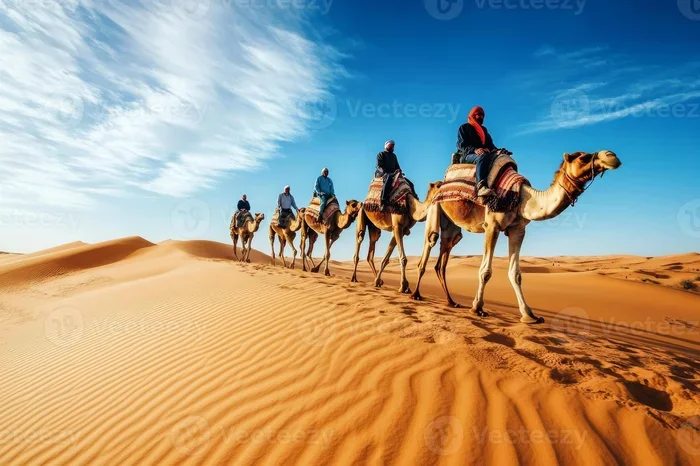
Featured image for Sahara desert camel caravan
Image source: static.vecteezy.com
A 7 day tour from Tangier to Merzouga is the ultimate way to experience Morocco’s diverse landscapes and rich culture in one unforgettable journey. This carefully planned route takes you from the northern Mediterranean coast through four imperial cities, over the Atlas Mountains, and into the heart of the Sahara Desert. You’ll ride camels across golden Erg Chebbi dunes, sleep under starry desert skies, and explore ancient medinas that feel frozen in time. Perfect for travelers who want depth, adventure, and value in a single Moroccan adventure.
Picture this: you start your morning sipping mint tea in a centuries-old medina, and by evening, you’re watching the sun set over endless Sahara dunes. That’s exactly what a 7 day tour from Tangier to Merzouga delivers. It’s not just a trip. It’s a journey through time, culture, and some of the most stunning scenery on Earth.
Morocco sits right at the crossroads of Africa and Europe. This tiny corner of North Africa packs in mountain ranges, coastal cliffs, imperial palaces, and the world’s most famous desert. Most travelers try to squeeze everything into three or four days. But that rush leaves you exhausted and missing the magic. Seven days gives you the breathing room to actually experience each place, not just photograph it and move on.
Think of it like reading a great book. You could skim the pages and catch the main plot. Or you could slow down, savor the descriptions, and let the story truly move you. This 7 day tour is the slow-read version of Morocco. By the end, you’ll understand why this country captures hearts and brings people back again and again.
Key Takeaways
- Optimal Duration: Seven days is the sweet spot for traveling from Tangier to Merzouga, giving you enough time to see major highlights without feeling rushed.
- Diverse Landscapes: The route covers Mediterranean coasts, Rif Mountains, imperial cities, Atlas Mountains, valleys, and Sahara dunes all in one trip.
- Cultural Immersion: You’ll visit UNESCO World Heritage Sites, traditional Berber villages, and bustling souks that showcase authentic Moroccan life.
- Desert Adventure: Camel trekking to a luxury desert camp in Erg Chebbi is the crown jewel, with unforgettable sunrise and sunset experiences.
- Best Seasons: October through April offers the most comfortable weather, while summer months can be extremely hot in the desert.
- Budget Range: Quality tours typically cost between $800 to $1,500 per person, including accommodation, transport, guides, and most meals.
- Group vs Private: Small group tours offer social experiences and lower costs, while private tours provide flexibility and personalized attention.
📑 Table of Contents
- Why Choose a 7 Day Tour from Tangier to Merzouga?
- Day-by-Day Breakdown: What Your 7 Day Adventure Looks Like
- Essential Inclusions: What Should Your Tour Package Cover?
- Best Time to Book Your 7 Day Tour from Tangier to Merzouga
- Choosing the Right Tour Operator for Your Trip
- Practical Tips for an Amazing 7 Day Tour Experience
- Conclusion: Your Moroccan Adventure Awaits
Why Choose a 7 Day Tour from Tangier to Merzouga?
Let me be straight with you. You can technically drive from Tangier to Merzouga in about 12 hours if you never stopped. But that would be like driving through France and only seeing the highway. You’d miss the vineyards, the castles, the villages, and everything that makes the country special. That’s why a week-long tour is the gold standard for this route.
The 7 day format works because Morocco’s geography unfolds like a story. Each region reveals something new. The north gives you Mediterranean charm and Spanish-influenced architecture. The middle section delivers imperial cities with massive mosques and royal palaces. The south unleashes the Sahara with its mind-blowing scale and silence. You need time to absorb each chapter.
The Perfect Balance of Adventure and Comfort
Here’s something most people don’t realize. Morocco’s tourism infrastructure is surprisingly well-developed for such a remote-feeling destination. The roads are mostly smooth. The riads (traditional guesthouses) are gorgeous. The guides speak multiple languages. You get adventure without sacrificing comfort. That’s a rare combination in African travel.
A well-designed 7 day tour balances active experiences with downtime. You’ll have long driving days, sure. But you’ll also have leisurely mornings exploring medinas, relaxing on hotel terraces, and chatting with locals over mint tea. The itinerary should feel like a vacation, not a marathon.
What Makes This Route Special
The Tangier to Merzouga route is basically a cross-section of Morocco’s soul. You literally travel from one extreme to another. Tangier sits where the Atlantic Ocean kisses the Mediterranean Sea. Merzouga sits at the edge of the Sahara, where sand dunes reach 150 meters high. In between, you pass through the Middle Atlas Mountains, cedar forests, dramatic gorges, and ancient kasbahs.
Did You Know? The distance from Tangier to Merzouga is roughly 800 kilometers (about 500 miles). That’s the same as driving from New York to Cleveland, but the landscape changes more dramatically than anything you’ll see on an American highway.
Day-by-Day Breakdown: What Your 7 Day Adventure Looks Like
Every tour operator structures things slightly differently, but the classic 7 day Tangier to Merzouga itinerary follows a proven pattern. Let me walk you through what each day typically looks like, so you know exactly what to expect.
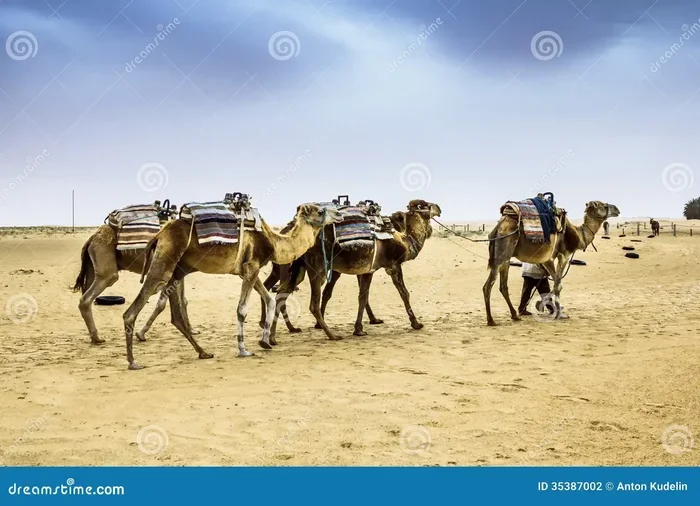
Visual guide about Sahara desert camel caravan
Image source: thumbs.dreamstime.com
Days 1-2: Tangier to Chefchaouen and Fes
Your journey begins in Tangier, where two continents almost meet. After pickup from your hotel or the airport, you’ll head into the Rif Mountains. The first major stop is usually Chefchaouen, the famous “Blue City.” Every building seems painted in shades of blue and white. It’s become incredibly Instagram-famous, but trust me, the photos don’t do it justice. Walking those narrow streets feels like stepping into a painting.
After Chefchaouen, you continue south to Volubilis, a UNESCO World Heritage Site with remarkably preserved Roman ruins. Imagine perfectly intact mosaics and towering columns, all sitting in the middle of farmland. It’s wild to think Romans were partying here 2,000 years ago.
Day two ends in Fes, Morocco’s spiritual and intellectual capital. Fes el-Bali (the old city) is a medieval maze of alleys, souks, and mosques. It’s so complex that even Google Maps gives up. You’ll need a local guide to navigate it. Inside, you’ll find the famous Chouara Tanneries, where leather has been processed the same way for almost a thousand years.
Days 3-4: Middle Atlas and the Road South
Leaving Fes, you climb into the Middle Atlas Mountains. The landscape transforms from arid plains to cedar forests and alpine meadows. Ifrane often appears on this route. People call it “Little Switzerland of Morocco” because of its European-style architecture and clean streets. You might spot Barbary macaques in the cedar forests near Azrou. They’re the only wild monkeys in North Africa, and they’re hilarious to watch.
The drive continues through the Ziz Valley, which looks like something from a fantasy film. Thousands of palm trees line a river that cuts through red rock cliffs. Ancient kasbahs (fortified houses) dot the landscape. You’ll stop in Midelt for lunch, a small town known for its apple production. The air gets drier and warmer as you descend toward the desert.
Days 5-6: Sahara Desert and Erg Chebbi
This is the part everyone talks about. You arrive in Merzouga on day five, usually late afternoon. The dunes of Erg Chebbi rise on the horizon like a golden ocean frozen in time. You switch from your air-conditioned vehicle to a camel. Yes, an actual camel. They sway side to side as they walk, which feels strange at first but becomes oddly relaxing.
The camel trek takes about 90 minutes to reach your desert camp. Standard camps offer comfortable beds, traditional Moroccan dinners, and live Berber music around a campfire. Luxury camps add private bathrooms, plush tents, and even air conditioning in some cases. Either way, sleeping under the Sahara sky is magical. The stars are so bright and numerous that they don’t look real.
Day six is usually a slower day. You’ll ride camels back at sunrise (another unforgettable moment), then have time for optional activities. Many tours include sandboarding, 4×4 excursions to nomadic families, or visits to the seasonal Lake Dayet Srji, where flamingos sometimes appear. Then you begin the journey back north, usually stopping in Todra Gorge or the Dades Valley.
Day 7: Return to Tangier via Marrakech or Direct
Your final day depends on the tour package. Some operators include Marrakech as a stop, giving you a quick tour of the famous Jemaa el-Fnaa square and the bustling souks. Others drive you directly back to Tangier or drop you at the airport of your choice. The direct route is long (about 8-9 hours), but modern highways make it manageable with good music and frequent stops.
Did You Know? The Sahara Desert covers an area roughly the size of the United States. Yet Erg Chebbi represents just a tiny fraction of it, which makes this spot feel even more special. You’re standing on the edge of something impossibly vast.
Essential Inclusions: What Should Your Tour Package Cover?
Not all tours are created equal. When comparing 7 day tours from Tangier to Merzouga, look at what’s included. The difference between a $600 tour and a $1,500 tour usually comes down to accommodation quality, guide expertise, and whether meals are included. Here’s what a solid package should cover.
Transportation and Driver
A good tour includes private, air-conditioned transportation for your entire trip. The vehicles are typically 4×4 SUVs or minivans, depending on group size. Your driver doubles as your guide in many cases. The best drivers speak excellent English (or your preferred language), know the roads intimately, and can adjust the itinerary based on weather or your interests.
Fuel, tolls, and parking should all be included. You shouldn’t pay extra for those. Some budget tours cut corners by cramming too many passengers into small vehicles. Avoid those. Comfort matters when you’re driving for 4-5 hours at a stretch.
Accommodation Standards
For six nights, you’ll stay in a mix of riads, hotels, and the desert camp. Riads are traditional Moroccan houses built around interior courtyards. They’re often beautifully decorated with tile work, fountains, and rooftop terraces. Quality tours use riads that offer private rooms with ensuite bathrooms. Avoid shared bathrooms if you can.
The desert camp accommodation varies the most. Budget tours offer basic tents with shared facilities. Mid-range tours provide comfortable tents with private bathrooms. Luxury tours go all-out with king-sized beds, private decks, and full bathrooms with hot showers. Choose based on your comfort preferences and budget.
Meals and Activities
Most 7 day tours include breakfast daily and some dinners. Lunch is often on your own, which gives you flexibility to try local spots. Dinner inclusions usually cover the riad meals and the desert camp feast. Drinks (other than water and tea) are typically extra.
Camel trekking, sandboarding, and guided medina tours should be standard inclusions. Some tours also include cooking classes, henna sessions, or traditional music performances. Check the fine print to know exactly what you’re paying for.
Best Time to Book Your 7 Day Tour from Tangier to Merzouga
Timing can make or break your experience. Morocco has distinct seasons, and they affect everything from temperature to crowd levels. Here’s the breakdown.
Peak Season (October to April)
The fall and winter months (October through April) are when most tourists visit. Temperatures in the Sahara are pleasant, ranging from 60°F to 80°F during the day and dropping to 40°F to 50°F at night. The Atlas Mountains can get cold, sometimes even snowing in January and February. This is prime time for clear skies and stunning photography.
Spring (March to May) is perhaps the sweet spot. Wildflowers bloom across the valleys, temperatures are moderate, and the desert isn’t too hot. Easter week and Christmas are especially busy, so book well in advance for those periods.
Shoulder Season (May and September)
May and September offer good weather with fewer crowds. Prices drop slightly, and attractions feel less rushed. The trade-off is rising heat in the desert. By late May, Sahara temperatures can exceed 100°F, which makes midday activities uncomfortable.
Low Season (June to August)
Summer is brutally hot, especially in the desert. Temperatures regularly hit 115°F or higher in July and August. Most experienced travelers avoid this period. However, mountain regions stay cooler, and coastal Tangier is pleasant. If summer is your only option, stick to early morning and evening activities, and choose accommodation with air conditioning.
Did You Know? The Sahara can swing from freezing nights in winter to scorching days in summer. The temperature difference between day and night often exceeds 30°F. Pack layers even if you’re visiting in spring.
Choosing the Right Tour Operator for Your Trip
You have hundreds of operators offering 7 day tours from Tangier to Merzouga. Some are fantastic. Others will leave you disappointed. Here’s how to separate the best from the rest.
What to Look for in Reviews
Check reviews on multiple platforms, not just the operator’s website. TripAdvisor, Google Reviews, and GetYourGuide offer unfiltered feedback. Pay attention to comments about guide knowledge, vehicle condition, and how the company handles problems. A single bad review isn’t a deal-breaker, but patterns matter.
Look for operators that have been running tours for at least 5-10 years. Newer companies can be great, but experienced operators have refined their itineraries and built relationships with quality accommodations. They also know how to handle unexpected issues like road closures or weather problems.
Questions to Ask Before Booking
Before you confirm your booking, ask these critical questions. What’s the maximum group size? (6-8 people is ideal for intimacy and flexibility.) Are airport transfers included? What’s the cancellation policy? Can the itinerary be customized? Are tips included in the price, or expected separately?
A reputable operator will answer these questions clearly and promptly. If they get defensive or vague, move on. Transparency is everything in the tour industry.
Group vs Private Tours
Group tours cost less and offer built-in social experiences. You’ll meet people from around the world, share costs, and enjoy the energy of traveling together. The downside is less flexibility. You move at the group’s pace, and there’s limited room for spontaneous stops.
Private tours cost more but deliver complete control. You choose when to start each day, where to stop, and how long to linger at each location. They’re perfect for couples, families, or anyone who values privacy and flexibility. For first-time visitors, private tours often provide a richer experience.
Practical Tips for an Amazing 7 Day Tour Experience
After years of hearing stories from travelers, I’ve collected the best practical tips for making this journey unforgettable. Think of these as little shortcuts to a much better trip.
Packing Essentials
Pack light but smart. You’ll need layers because temperatures vary dramatically. Bring a warm jacket for desert nights even if you’re visiting in spring. Comfortable walking shoes are essential for medina exploration. Sandals work well for the desert. Don’t forget sunscreen, sunglasses, and a hat. The Moroccan sun is no joke.
A small backpack for daily excursions beats a rolling suitcase. You’ll navigate narrow medina alleys and uneven terrain. Keep your camera, water bottle, and essentials in the daypack. Leave valuables in your hotel safe when possible.
Money and Tipping
Morocco uses the Moroccan Dirham (MAD). Cash is king in souks and small shops. Credit cards work in hotels and upscale restaurants, but you’ll need cash for tips, souvenirs, and street food. ATMs are available in cities but rare in rural areas. Withdraw enough cash before heading to the desert.
Tipping is expected and appreciated. Budget around $5-10 per day for your driver/guide, $2-3 for restaurant staff, and small amounts for hotel housekeeping. In the desert camp, tip the camel handlers and camp staff who make your experience special.
Health and Safety
Morocco is generally very safe for tourists. Petty crime exists but is rare if you use common sense. Keep an eye on your belongings in crowded souks. Avoid accepting unsolicited “help” from strangers who might demand payment later.
Stay hydrated, especially in the desert. Drink bottled water only, and avoid ice in drinks from unknown sources. The food is generally safe, but give your stomach time to adjust. Start with mild dishes before diving into spicy tagines. Pack basic medications like anti-diarrheals and pain relievers just in case.
Cultural Etiquette
Morocco is a Muslim country with conservative values in rural areas. Dress modestly, especially when visiting religious sites. Cover your shoulders and knees. Ask permission before photographing people, particularly women. During Ramadan, avoid eating, drinking, or smoking in public during fasting hours.
Learning a few Arabic or Berber phrases goes a long way. “Salaam Alaikum” (peace be upon you) is a respectful greeting. “Shukran” means thank you. “La, shukran” politely declines offers from persistent shopkeepers. The effort is appreciated even if your pronunciation is terrible.
Conclusion: Your Moroccan Adventure Awaits
A 7 day tour from Tangier to Merzouga isn’t just a vacation. It’s a transformation. You’ll return home with sand still in your shoes, stories that’ll make your friends jealous, and a deeper understanding of a culture that bridges Africa, Europe, and the Middle East. From the blue-washed walls of Chefchaouen to the endless dunes of Erg Chebbi, every day brings something new.
The beauty of this journey is that it works for almost anyone. Solo travelers find community and confidence. Couples discover romance in the desert. Families create memories their kids will talk about for decades. Photography enthusiasts capture landscapes that look unreal. History buffs walk through living museums. Everyone finds their own magic.
Start planning now. Choose your season wisely, pick a reputable operator, and pack your sense of adventure. Morocco has been welcoming travelers for centuries, and it’s ready to welcome you. The Sahara is calling. Are you ready to answer?
Frequently Asked Questions
How much does a 7 day tour from Tangier to Merzouga typically cost?
Quality 7 day tours from Tangier to Merzouga typically range from $800 to $1,500 per person. Budget tours can be found for less, but they often sacrifice comfort and guide quality. The price usually includes accommodation, transportation, breakfast daily, some dinners, camel trekking, and guided tours of major attractions.
Is the camel ride in the Sahara safe for beginners?
Yes, camel rides in Erg Chebbi are very safe, even for first-timers. The camels are well-trained, and local handlers guide them throughout the journey. The ride lasts about 90 minutes each way, and the swaying motion feels strange at first but most people adapt quickly. Pregnant women and those with severe back problems should consult a doctor before participating.
What is the best month to visit Merzouga and the Sahara Desert?
The best months are October, November, March, and April. These shoulder months offer pleasant daytime temperatures around 75-85°F and cool nights. December through February can be cold but clear, while May through September brings extreme desert heat that many travelers find uncomfortable for extended outdoor activities.
Do I need a visa for Morocco as a tourist?
Most Western nationalities, including Americans, Canadians, Europeans, and Australians, do not need a visa for stays under 90 days. You’ll just need a valid passport with at least six months of remaining validity. Some nationalities do require visas, so always check current requirements with the Moroccan consulate before booking your tour.
What should I wear during the 7 day tour?
Pack modest, comfortable clothing that covers shoulders and arms when entering religious areas. Layers are essential because temperatures vary widely between regions and times of day. Bring a warm jacket for desert nights, comfortable walking shoes for medinas, and modest attire for visiting mosques. Lightweight, breathable fabrics work best for summer visits.
Can I customize the standard 7 day Tangier to Merzouga itinerary?
Most tour operators allow customization, especially for private tours. You can add stops in Marrakech, Essaouira, or Ait Benhaddou, or swap activities based on your interests. Group tours are more fixed but some flexibility exists for optional activities. Discuss your preferences with the operator before booking to ensure they can meet your needs.