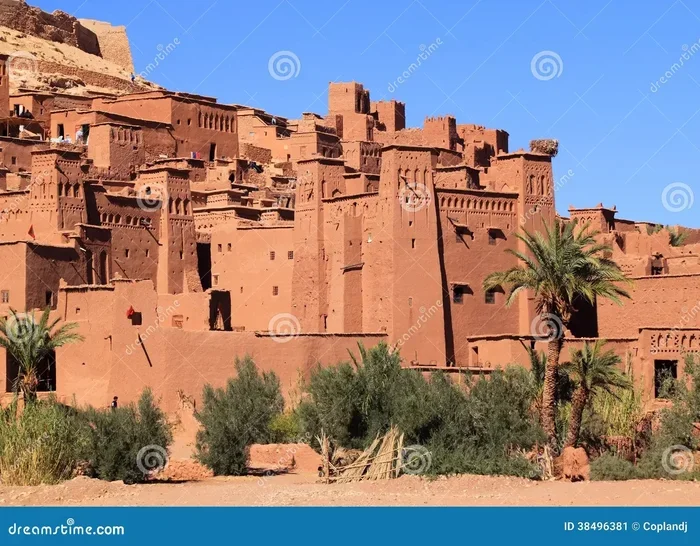
Featured image for Ait Ben Haddou kasbah Morocco
Image source: thumbs.dreamstime.com
A 3 day tour from Tangier to Ait Ben Haddou is the ultimate Moroccan adventure, packing ancient medinas, Sahara dunes, and UNESCO sites into one unforgettable journey. Starting from the Mediterranean coast, you’ll wind through Chefchaouen’s blue streets, explore Fes’s medieval labyrinth, ride camels into the Sahara at Merzouga, and finish at the legendary Ait Ben Haddou kasbah. This itinerary is perfect for travelers who want maximum Morocco in minimum days.
Imagine waking up in a coastal city where the Atlantic meets the Mediterranean, and three days later, falling asleep under a blanket of stars in the Sahara Desert. That’s exactly what a 3 day tour from Tangier to Ait Ben Haddou delivers. It’s like time travel, except instead of a machine, you have a comfortable vehicle and a knowledgeable driver.
Morocco is a country of staggering contrasts. In just a few hours, you can move from snow-capped mountains to sand dunes that stretch to the horizon. You can wander through medieval streets where donkeys still carry goods, then sit in a stylish riad sipping mint tea. The country packs so much diversity into its borders that a well-planned three-day journey feels more like three weeks.
Did you know that Morocco has been named one of the world’s top travel destinations by major publications for over a decade? With this tour, you’ll understand why. Every stop tells a story, every meal introduces a new flavor, and every landscape takes your breath away. Let’s dive into everything you need to know about this incredible journey.
Key Takeaways
- Two UNESCO World Heritage Sites: The tour includes Fes medina and Ait Ben Haddou, both protected for their outstanding universal value.
- Cross Four Geographic Regions: You’ll journey from the Rif Mountains to the Middle Atlas, then the Sahara, ending in the desert gateway of Ouarzazate.
- Camel Trekking at Erg Chebbi: Riding a camel to a desert camp is the highlight for most travelers, with sunrise over the dunes being truly unforgettable.
- Best Travel Window: October through April offers comfortable temperatures, though desert nights can be surprisingly cold in winter.
- Cover Approximately 1,200 km: This is a fast-paced tour requiring early starts, so it’s ideal for active travelers with limited time.
- Blue City Stopover: Chefchaouen’s famous blue-washed walls make it one of Morocco’s most photographed places.
- Game of Thrones Connection: Ait Ben Haddou served as a filming location for the hit series, adding pop culture appeal.
📑 Table of Contents
- What Is the 3 Day Tour from Tangier to Ait Ben Haddou?
- Who Is This Tour Best Suited For?
- When Is the Best Time to Take This Tour?
- Where Does This Tour Take You?
- Why Choose This Tour Over Independent Travel?
- What to Expect Day by Day
- How Much Does the Tour Cost?
- Practical Tips for Your Journey
- Making the Most of Your Experience
- Final Thoughts: Is This Tour Right for You?
What Is the 3 Day Tour from Tangier to Ait Ben Haddou?
The 3 day tour from Tangier to Ait Ben Haddou is a guided overland journey that takes you from Morocco’s northern coast to its southern desert region, hitting the country’s most iconic landmarks along the way. Think of it as Morocco’s greatest hits album, compressed into 72 hours of pure adventure.
Here’s what makes this tour special. Most travelers visiting Morocco have limited vacation time, yet they want to see everything from the blue streets of Chefchaouen to the towering dunes of Erg Chebbi. This tour solves that problem by creating a logical, scenic route that maximizes sightseeing while keeping travel time reasonable.
The Route at a Glance
Your journey follows a carefully planned path:
- Day 1: Tangier → Chefchaouen → Fes (approximately 400 km)
- Day 2: Fes → Ifrane → Midelt → Merzouga Desert (approximately 470 km)
- Day 3: Merzouga → Todra Gorge → Ait Ben Haddou → Return options (approximately 350 km)
This route connects four distinct geographic zones. You start in the Mediterranean climate of Tangier, climb through the Rif Mountains, descend to the Middle Atlas plateau, cross into the pre-Saharan region, and arrive at the edge of the Sahara. It’s like flipping through the pages of a geography textbook, except you’re living it.
Who Is This Tour Best Suited For?
Understanding your fellow travelers helps you decide if this journey matches your travel style. Not every tour fits every person, and that’s perfectly okay.
Visual guide about Ait Ben Haddou kasbah Morocco
Image source: c8.alamy.com
Perfect for Time-Conscious Explorers
If you have one week in Morocco and want to see the highlights without spending all your time on logistics, this tour is your answer. The 3 day tour from Tangier to Ait Ben Haddou handles all the driving, booking, and planning. You just show up ready for adventure.
Business travelers often choose this option. They land in Tangier, have a long weekend, and want to experience Morocco beyond the port city. This itinerary fits that need perfectly.
Great for First-Time Visitors
Never been to Morocco before? This tour is ideal. It introduces you to the country’s diversity without overwhelming you. You’ll see cities, mountains, desert, and historic sites, giving you a comprehensive overview that helps you decide where to return for longer stays.
Solo travelers also benefit enormously. Group tours provide built-in companionship and safety, plus local guides who navigate cultural nuances that might otherwise feel intimidating.
Less Ideal for Slow Travelers
If your ideal vacation involves sleeping until noon and lingering over coffee for hours, this pace might feel rushed. The tour involves long driving days with early starts, usually around 7 or 8 AM. Travelers who prefer deep immersion in one location should consider staying longer in fewer places.
When Is the Best Time to Take This Tour?
Timing can make or break your Moroccan adventure. The country experiences distinct seasons, and each offers different advantages.
October to April: The Sweet Spot
Most tour operators and travel experts recommend October through April as the prime window. During these months, daytime temperatures stay comfortable, ranging from 65°F to 80°F across most regions you’ll visit. The desert stays warm during the day, perfect for camel riding and dune climbing.
Here’s something many travelers don’t expect: winter nights in the Sahara can be surprisingly cold. Temperatures sometimes drop below freezing, especially in December and January. Pack warm layers even if you’re visiting during what’s technically winter.
Summer Considerations
July and August bring intense heat, particularly in the desert regions where temperatures regularly exceed 110°F. While some travelers don’t mind the heat, it can make camel trekking and midday sightseeing physically taxing. However, summer also means fewer crowds and potentially lower prices.
If you must travel in summer, early morning departures become essential. Your tour operator will likely adjust schedules to avoid the worst afternoon heat.
Ramadan and Local Holidays
Did you know that Morocco observes Ramadan, the Islamic holy month? During this period, many restaurants close during daylight hours, and the pace of life changes significantly. While tourism continues, certain experiences might feel different. Check the calendar before booking and discuss timing with your tour operator.
Where Does This Tour Take You?
Geography is the soul of this journey. Each location offers something unique, and understanding them enhances your appreciation.
Tangier: The Starting Point
Your adventure begins in Tangier, a port city where Africa meets Europe across the Strait of Gibraltar. The city has attracted writers, spies, and artists for generations. Paul Bowles lived here. The Rolling Stones visited. Today, Tangier blends its international heritage with authentic Moroccan character.
The city’s medina sits near the coast, where you can watch cargo ships pass while sipping fresh orange juice from a street vendor. It’s a sensory introduction to Morocco, and your driver will typically pick you up from your hotel or the port.
Chefchaouen: The Blue Pearl
About two hours into your journey, you arrive in Chefchaouen, the famous blue city nestled in the Rif Mountains. Walking through its streets feels like stepping into a painting. Every wall, every doorway, every staircase seems to glow in shades of blue and white.
Why is Chefchaouen blue? Several theories exist. Some say Jewish refugees painted the town blue in the 1930s as a symbol of the sky and heaven. Others suggest it keeps mosquitoes away. Regardless of the reason, the effect is magical. Every corner offers a photo opportunity, and the relaxed pace provides a refreshing contrast to Tangier’s bustle.
You’ll typically have two to three hours here, enough time to wander, shop for local crafts, and enjoy lunch in a rooftop restaurant overlooking the mountains.
Fes: The Cultural Capital
By the evening of Day 1, you reach Fes, Morocco’s oldest imperial city and spiritual heart. Fes el-Bali, the ancient medina, is a UNESCO World Heritage Site and one of the largest car-free urban zones in the world. Imagine trying to navigate over 9,000 alleys on foot. That’s Fes.
The medina houses the famous Al-Qarawiyyin University, founded in 859 AD, making it one of the oldest continuously operating universities on Earth. Did you know that some consider it the oldest in the world? You’ll also visit the Chouara Tanneries, where leather has been produced using the same methods for nearly a thousand years.
Merzouga and Erg Chebbi: The Sahara
Day 2 brings the tour’s crown jewel, the Sahara Desert. Your route passes through Ifrane, often called “Little Switzerland” for its alpine architecture, then through the cedar forests of the Middle Atlas, where Barbary macaques might greet you roadside.
By late afternoon, you reach Merzouga, the gateway to Erg Chebbi. These dunes rise up to 500 feet high and stretch for over 30 kilometers. Camel trekking into the dunes as the sun sets is the kind of experience that becomes a core memory.
Your desert camp sits among the dunes. You’ll enjoy Berber music around a fire, eat tagine under the stars, and sleep in traditional tents. Waking before dawn to watch sunrise paint the Sahara in shades of orange and gold is genuinely transformative.
Ait Ben Haddou: The Ancient Kasbah
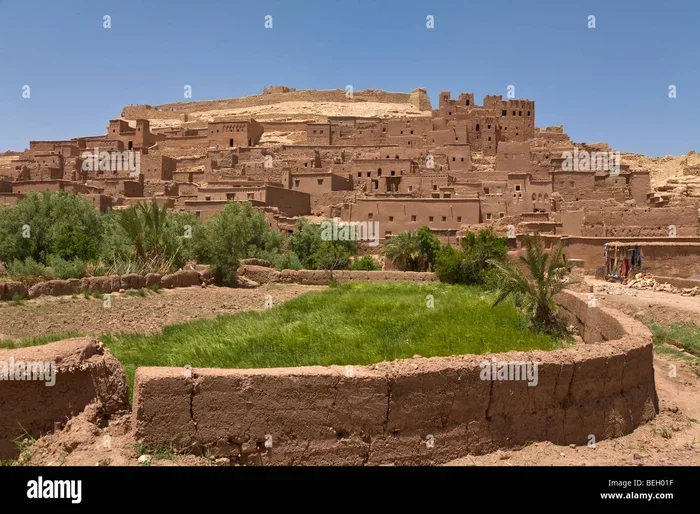
The final major stop is Ait Ben Haddou, a fortified village, also known as a ksar, along the former caravan route between the Sahara and Marrakech. This UNESCO World Heritage Site has stood for over 400 years and looks remarkably similar to how it appeared centuries ago.
The site has appeared in numerous films, including Gladiator, Lawrence of Arabia, and of course, Game of Thrones, where it served as the city of Yunkai. Walking through its earthen architecture, you understand why Hollywood loves this place. It feels cinematic.
Why Choose This Tour Over Independent Travel?
You might wonder whether you could plan this journey yourself. Theoretically, yes. Practically, it becomes much more complex than it appears.
Logistics Made Simple
Morocco’s transportation infrastructure works, but it requires knowledge. Trains connect major cities like Fes, but reaching Merzouga or Ait Ben Haddou by public transport means multiple bus changes and long waits. A guided tour eliminates this hassle entirely.
Your driver handles navigation, parking, and timing. Your guide handles cultural introductions and language barriers. You handle the experience and the memories.
Local Expertise
Local guides add layers of context you’d miss traveling alone. They explain why certain doorways are painted blue, what the geometric patterns in zellige tilework symbolize, and how to bargain respectfully in the souks. This knowledge transforms sightseeing into understanding.
Did you know that Moroccan riads are traditionally built around interior courtyards, often with a single tree like a lemon or orange at the center? These design choices reflect Islamic architecture’s emphasis on privacy and paradise gardens. A good guide brings these details to life.
Safety and Comfort
Morocco is generally safe for tourists, but having local support adds peace of mind. Your tour operator knows which areas are welcoming and which require extra caution. They also ensure your accommodations meet quality standards.
What to Expect Day by Day
Detailed day-by-day knowledge helps you prepare mentally and physically. Here’s what each day typically involves.
Day 1: The Journey South Begins
Your driver picks you up around 8 AM from your Tangier accommodation. The first stop, usually reached by late morning, is Chefchaouen. You’ll have time for photos, a walking tour, and lunch. By early afternoon, you’re back on the road heading toward Fes.
The drive from Chefchaouen to Fes takes roughly four hours with stops. You might pause at the Volubilis ruins, an exceptionally preserved Roman archaeological site, if time permits. Arrival in Fes happens around 6 or 7 PM, just in time to freshen up before dinner.
Day 2: Into the Sahara
Day 2 is the longest driving day but also the most varied. You’ll leave Fes early, traveling through Ifrane, the Middle Atlas cedar forests, and the town of Midelt for lunch.
The landscape transforms dramatically. Lush mountains give way to semi-arid plateaus, then to the beginnings of the Sahara’s influence. By late afternoon, you reach Merzouga, where camels await. The ride into the dunes takes about an hour, and watching the sun set from atop a dune is pure magic.
Day 3: The Grand Finale
Sunrise in the Sahara, if you can wake early enough, is worth every moment of lost sleep. After breakfast at the desert lodge, you ride camels back to Merzouga. Then your journey continues to Ait Ben Haddou, passing through Todra Gorge, a stunning canyon where cliffs rise 800 feet on either side.
By late afternoon, you reach Ait Ben Haddou for a guided walk through the ancient kasbah. After this visit, you have options. Some tours end here with a transfer to Ouarzazate for flights or onward travel. Others return directly to Marrakech, which involves another four to five hours of driving. Discuss these options when booking.
How Much Does the Tour Cost?
Pricing varies significantly based on several factors, but understanding the range helps you budget appropriately.
Typical Price Ranges
The 3 day tour from Tangier to Ait Ben Haddou typically costs between €300 and €600 per person, based on double occupancy. Private tours cost more than group tours. Luxury accommodations raise prices further.
Most packages include transportation, driver-guide services, accommodation, breakfast, and certain activities like camel trekking. They usually exclude lunch, dinner, entrance fees, and tips. Clarify inclusions before booking.
What’s Usually Included
- Private or shared air-conditioned vehicle
- English-speaking driver-guide
- Two nights of accommodation
- Daily breakfast
- Camel trekking in Merzouga
- Desert camp experience
- Hotel pickup and drop-off
What’s Usually Excluded
- Lunch and dinner (though some tours include these)
- Monument entrance fees
- Drinks and personal purchases
- Tips for driver and guides
- Travel insurance
Practical Tips for Your Journey
Preparation makes the difference between a good trip and a great one. Here are tips gathered from experienced travelers.
What to Pack
Pack layers. Morocco’s climate varies dramatically between regions and times. Even in summer, desert nights require warm clothing. Comfortable walking shoes are essential, especially for Fes medina where you’ll walk on uneven surfaces for extended periods.
Other essentials include sunscreen, a hat, sunglasses, a reusable water bottle, and a scarf or shemagh for desert sun and dust. Modest clothing, covering shoulders and knees, shows respect at religious sites and helps you blend in.
Health Considerations
Did you know that traveler’s diarrhea affects roughly 30 to 70 percent of international travelers depending on destination? Morocco falls in the moderate-risk category. Bring rehydration salts and anti-diarrheal medication just in case. Stick to bottled water and avoid raw vegetables unless you’re confident in their washing.
Most healthy travelers experience no issues, but basic precautions go a long way. Pharmacies are widely available in cities if you need anything additional.
Money Matters
The Moroccan Dirham (MAD) is a closed currency, meaning you can’t get it outside Morocco and must exchange or withdraw it locally. ATMs are widely available in cities but scarce in desert regions. Withdraw enough cash before heading to Merzouga.
Credit cards work in larger establishments, but small shops, souks, and many restaurants prefer cash. Budget around 200 to 400 MAD per day for meals and incidentals beyond what’s included.
Cultural Etiquette
Morocco is a Muslim country with conservative social norms, especially in rural areas. Dress modestly, especially women. Always ask permission before photographing people. Use your right hand for eating and greeting. These small gestures earn tremendous goodwill.
Tipping is customary. Budget around 10 to 15 percent at restaurants, 20 to 50 MAD per day for your driver, and small amounts for hotel staff and camel guides.
Making the Most of Your Experience
The difference between a tourist and a traveler often comes down to engagement. Here are ways to deepen your connection to the journey.
Embrace Spontaneity
Guided tours follow schedules, but some of the best moments happen in unplanned pauses. A roadside stop for fresh berries. A conversation with a local craftsman. A longer-than-expected sunset. Stay open to these gifts.
Your driver likely knows hidden viewpoints and authentic restaurants that don’t appear in guidebooks. Don’t hesitate to ask for recommendations or extra stops when the schedule allows.
Try Everything
Food is one of Morocco’s greatest treasures. Tagines, couscous, pastilla, harira soup, fresh bread. Each region has specialties. Step outside your comfort zone and try the local dish wherever you are.
Did you know that Moroccan mint tea, called “atai,” involves a specific pouring technique from height that creates foam on top? The higher the pour, the better the tea. It’s both functional and theatrical.
Disconnect to Reconnect
The Sahara offers one of the world’s best opportunities to disconnect. Internet is limited in the desert. Cell service fades as you approach the dunes. Rather than fighting this, embrace it. Watch the stars. Listen to silence. Talk with your fellow travelers. These moments often become the trip’s most treasured memories.
Final Thoughts: Is This Tour Right for You?
The 3 day tour from Tangier to Ait Ben Haddou represents one of the most efficient ways to see Morocco’s highlights. It works beautifully for travelers who want comprehensive exposure without sacrificing depth at key sites. You won’t experience every nuance, but you’ll understand the country’s incredible diversity.
If you’re seeking adventure, cultural immersion, stunning landscapes, and unforgettable experiences all packed into a manageable timeframe, this tour delivers. The memories of sunrise in the Sahara, the blue streets of Chefchaouen, and the ancient walls of Ait Ben Haddou will stay with you long after you return home.
Morocco has a way of capturing hearts. It’s not just a destination; it’s an experience that shifts your perspective. The warmth of its people, the richness of its history, the drama of its landscapes, they all combine to create something truly special. This tour is your gateway to discovering it all.
Book your adventure, pack your bags, and prepare for one of the most rewarding travel experiences of your life. The road from Tangier to Ait Ben Haddou is waiting, and it’s more beautiful than you can imagine.
Frequently Asked Questions
Is 3 days enough to travel from Tangier to Ait Ben Haddou?
Yes, three days is sufficient to cover this distance with comfortable pacing. The itinerary balances driving time with sightseeing stops at major landmarks like Chefchaouen, Fes, and the Sahara Desert. While you’ll move at a moderate pace, you’ll experience Morocco’s key highlights without feeling extremely rushed.
What is included in the 3 day tour from Tangier to Ait Ben Haddou?
Most tour packages include private transportation, an English-speaking driver-guide, two nights of accommodation, daily breakfast, and camel trekking at Merzouga. Lunch, dinner, monument entrance fees, drinks, and tips are typically not included. Always confirm specific inclusions with your tour operator before booking.
What should I pack for a 3 day Sahara Desert tour?
Pack layers for varying temperatures, comfortable walking shoes, sunscreen, sunglasses, a hat, and a scarf for desert dust. Include warm clothing for cold desert nights, even in spring and autumn. Modest clothing covering shoulders and knees shows respect at cultural sites. Don’t forget a reusable water bottle and any personal medications.
Is the camel ride at Merzouga safe for beginners?
Yes, camel rides at Merzouga are beginner-friendly and suitable for all fitness levels. The camels are well-trained, and local guides lead the trek. The ride to the desert camp typically takes about one hour. If you have back problems or mobility concerns, mention this to your guide, as alternative transportation to the camp may be available.
Can I end the tour in Marrakech instead of returning to Tangier?
Yes, many tour operators offer flexible drop-off options. Ending in Marrakech after Ait Ben Haddou adds about four to five hours of driving on Day 3. Alternatively, you can transfer to Ouarzazate for a domestic flight to Casablanca or Marrakech. Discuss these options when planning your booking to arrange appropriate logistics.
What is the best season for the 3 day Tangier to Ait Ben Haddou tour?
October through April is generally considered the best season. Temperatures stay comfortable for sightseeing and desert activities during this period. Summer months bring extreme heat, especially in the desert, where temperatures exceed 110°F. Winter nights in the Sahara can be surprisingly cold, so pack warm layers regardless of when you travel.