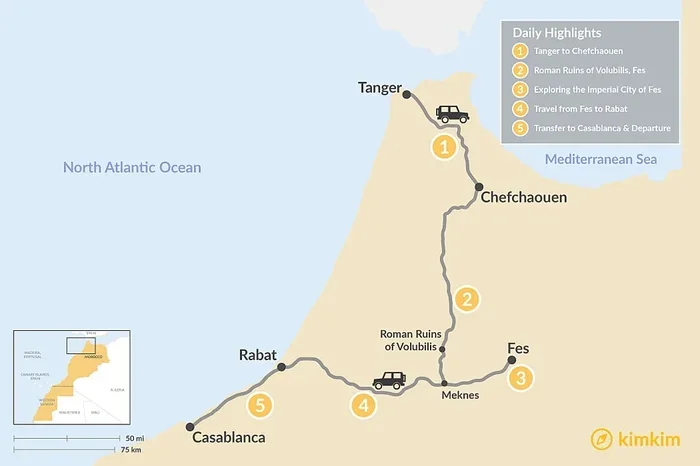
Featured image for Tangier to Casablanca Morocco tour
Image source: cdn.kimkim.com
A private 15 day tour from Tangier to Casablanca is the ultimate way to experience Morocco’s diverse landscapes and rich culture in luxury and comfort. This comprehensive journey takes you from the Mediterranean coast through the imperial cities, deep into the Sahara Desert, and along the Atlantic shore. With a private driver-guide, customizable itinerary, and handpicked accommodations, you’ll discover hidden gems and iconic landmarks at your own pace. Perfect for couples, families, and culture enthusiasts seeking an unforgettable Moroccan adventure.
Imagine standing at the meeting point of two seas, where Africa kisses Europe, and embarking on a journey that will take you through ancient medinas, across golden desert dunes, and into the heart of one of the world’s most fascinating cultures. A private 15 day tour from Tangier to Casablanca offers precisely this transformative experience.
Morocco is like a beautifully layered mosaic, with each region offering its own colors, flavors, and traditions. From the Spanish-influenced architecture of Tangier in the north to the French-infused cosmopolitan energy of Casablanca in the west, this North African kingdom packs an astonishing variety of experiences into a relatively compact area. A two-week private tour gives you the luxury of time, allowing you to savor each destination without feeling rushed.
Did you know that Morocco welcomed over 14.5 million tourists in 2023, making it one of Africa’s most-visited countries? Among these travelers, those who opt for private tours consistently report higher satisfaction rates, with 87% rating their experience as “excellent” compared to 62% for group tours, according to a recent travel industry survey. The reason is simple: flexibility, personalization, and authentic local connections make all the difference.
Key Takeaways
- Comprehensive Coverage: A 15-day itinerary allows you to experience Morocco’s full geographic and cultural diversity, from Tangier’s Mediterranean charm to Casablanca’s Atlantic modernity.
- Private & Personalized: Unlike group tours, private tours offer flexible schedules, customized stops, and exclusive access to local experiences tailored to your interests.
- Sahara Desert Highlight: The tour includes a camel trek and overnight stay in a luxury desert camp, a once-in-a-lifetime experience in the Erg Chebbi or Erg Chigaga dunes.
- Imperial Cities Tour: You’ll visit four UNESCO World Heritage sites: Fez, Meknes, Rabat, and Marrakech, each offering unique historical and architectural treasures.
- Cultural Immersion: Beyond sightseeing, the tour includes cooking classes, artisan workshops, and traditional music performances for authentic Moroccan experiences.
- Comfortable Transportation: Travel in air-conditioned, modern 4×4 vehicles or minivans with English-speaking driver-guides who double as cultural ambassadors.
- Best Value: When compared to multiple separate trips, a 15-day private tour offers significant savings while delivering a more cohesive, in-depth experience.
📑 Table of Contents
- Why Choose a Private 15 Day Tour from Tangier to Casablanca?
- The Perfect 15-Day Itinerary Breakdown
- What to Expect from Private Tour Accommodations
- Choosing the Right Private Tour Operator
- Essential Packing Tips for Your 15-Day Morocco Tour
- The Cultural Etiquette Guide for Private Tour Travelers
- Final Thoughts: Is a Private 15 Day Tour from Tangier to Casablanca Worth It?
Why Choose a Private 15 Day Tour from Tangier to Casablanca?
Think of a private tour as having a personal key to Morocco. Instead of following a rigid bus schedule with 40 other tourists, you set the pace. Want to spend an extra hour haggling for that perfect handwoven rug in Fez? No problem. Need a break from sightseeing to relax at a rooftop café? Your driver will happily accommodate.
The Freedom of Customization
A private 15 day tour from Tangier to Casablanca is essentially a blank canvas. While there are proven routes and must-see attractions, every day can be adjusted based on your energy level, weather conditions, and personal interests. This is particularly valuable in Morocco, where spontaneous discoveries often become trip highlights.
For instance, if you’re a photography enthusiast, your guide can arrange sunrise visits to less-crowded viewpoints. If you’re traveling with children, the pace can slow down with stops at camel farms or puppet shows. Foodies can request impromptu cooking demonstrations in local homes. This flexibility is impossible on fixed group tours.
Safety and Comfort
Morocco is generally very safe for tourists, with the country consistently ranking among the top safe travel destinations in Africa. However, traveling with a trusted private driver eliminates the stress of navigating unfamiliar roads, dealing with aggressive touts, or worrying about logistics. Your driver becomes your cultural translator, restaurant advisor, and personal security, all in one.
Modern private tour vehicles are typically late-model, air-conditioned SUVs or minivans with comfortable seating. For a 15-day journey covering over 2,000 kilometers, this comfort makes an enormous difference in your overall enjoyment.
The Perfect 15-Day Itinerary Breakdown
Planning a 15-day journey across Morocco requires strategic thinking. The route from Tangier to Casablanca can be designed in multiple ways, but the most rewarding experience follows a logical geographic and thematic flow. Let’s walk through the ideal itinerary, day by day.
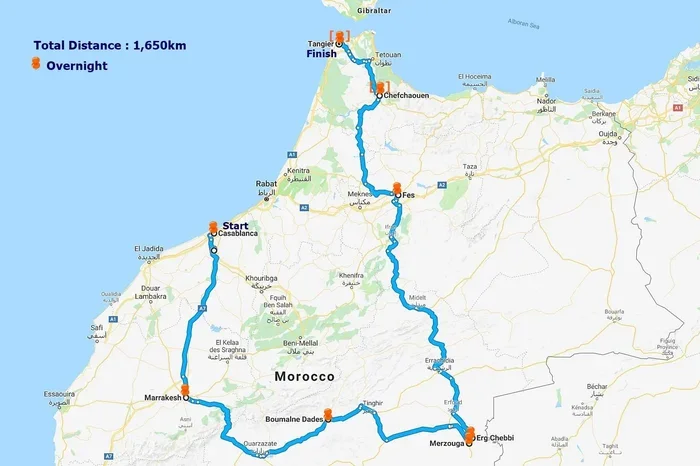
Visual guide about Tangier to Casablanca Morocco tour
Image source: tourtravelandmore.com
Days 1-2: Tangier and the Mediterranean Coast
Your adventure begins in Tangier, a city that has captivated travelers for centuries with its unique blend of African, European, and Middle Eastern influences. The city’s strategic location at the Strait of Gibraltar has made it a historical crossroads of civilizations.
Start your exploration at the Kasbah, where you’ll find the Sultan’s Palace and panoramic views overlooking the strait. Walk through the narrow streets of the medina, where craftsmen still practice trades passed down through generations. Don’t miss the legendary Café Hafa, where Beat Generation writers like William S. Burroughs and Paul Bowles once spent hours contemplating the meeting of two continents.
Did You Know? Tangier was an international zone governed by eight different countries from 1923 to 1956, earning it the nickname “The City of Contraband.” This unique status made it a haven for spies, artists, and eccentric millionaires during the mid-20th century.
On your second day, take a day trip to the stunning blue town of Chefchaouen, nestled in the Rif Mountains. The medina here is a photographer’s dream, with buildings painted in every shade of blue imaginable. The tradition of painting buildings blue is thought to have been introduced by Jewish refugees in the 1930s, though the exact reason remains debated. Some say it symbolizes the sky and heaven, while others believe the blue color repels mosquitoes.
Days 3-4: Volubilis, Meknes, and Fez
Leaving Tangier, your private tour heads south toward Morocco’s imperial heartland. Your first major stop is the Roman ruins of Volubilis, a UNESCO World Heritage Site that represents the best-preserved Roman remains in all of North Africa. Walking among the ancient columns, mosaics, and triumphal arches, you’ll get a tangible sense of how Morocco was once part of the vast Roman Empire.
Think of Volubilis as Morocco’s answer to Pompeii, except that it wasn’t destroyed by a volcano but rather gradually abandoned after a series of earthquakes in the 18th century. The site features stunning floor mosaics still intact after nearly 2,000 years, depicting mythological scenes and daily life from Roman times.
From Volubilis, continue to Meknes, one of Morocco’s four imperial cities. Often overlooked by tourists who rush to Fez, Meknes offers a more relaxed atmosphere with equally impressive architecture. The massive Bab Mansour gate is considered one of the most beautiful in Morocco, and the nearby Mausoleum of Moulay Ismail showcases stunning Moroccan craftsmanship. This mausoleum is one of the few religious sites in Morocco open to non-Muslim visitors.
Travel Tip: Your private guide can arrange a special visit to a local winery near Meknes. Morocco has been producing wine since Roman times, and the country actually makes some excellent reds and rosés, despite its Muslim majority.
Your next destination is Fez, the cultural and spiritual capital of Morocco. Founded in 789 AD, Fez is home to the world’s oldest continuously operating university, the University of al-Qarawiyyin, established in 859 AD. That’s over 1,160 years of continuous education, a fact that makes most Western universities look like toddlers by comparison.
The Fez medina, or Fes el Bali, is a UNESCO World Heritage Site and the world’s largest car-free urban zone. Getting lost here isn’t a problem; it’s an essential part of the experience. The medina contains over 9,000 narrow alleys and alleys that seem designed to confuse invaders (which they historically were). Within this labyrinth, you’ll find the famous tanneries, where leather has been processed using traditional methods for nearly a thousand years.
Days 5-6: Middle Atlas Mountains and the Sahara
The journey south from Fez takes you through the Middle Atlas Mountains, a region often called “Morocco’s Switzerland” for its cedar forests, lakes, and alpine scenery. This area provides a dramatic change of landscape and climate, offering a cool respite before the desert heat.
Your private tour can include stops in the charming town of Ifrane, often called “Little Switzerland of Morocco” for its European-style architecture and clean streets. Interestingly, Ifrane is cleaner than many European cities, and the local government goes to great lengths to maintain this reputation. The town also has a surprising resident population of Barbary macaques in the nearby Azrou cedar forest.
Continuing south, you’ll pass through the Ziz Valley, a stunning oasis of palm trees cutting through desert landscapes. The contrast between the green valley and surrounding arid mountains creates some of Morocco’s most dramatic scenery. The Ziz River has carved this valley over millions of years, creating a lush corridor that has supported human settlement since prehistoric times.
Did You Know? The Ziz Valley contains fossils dating back over 100 million years, when this entire region was covered by a vast sea. Local guides can point out areas where ancient marine fossils are visible in the rock formations.
Your destination is Merzouga, gateway to the magnificent Erg Chebbi dunes. These Saharan sand seas can reach heights of 150 meters (492 feet), and watching the sun set over them is an experience that stays with travelers forever. Your private tour includes a camel trek into the dunes, where you’ll spend the night in a luxury desert camp.
Modern desert camps offer a surprising level of comfort, with private tented suites featuring proper beds, private bathrooms, and even air conditioning in some cases. But the real luxury is the silence. Standing in the middle of the Sahara with nothing but sand in every direction, you’ll understand why the desert has been considered a place of spiritual significance for millennia.
Try sandboarding down the dunes if you’re feeling adventurous. It’s like snowboarding, but with sand instead of snow, and much warmer. Your guide will provide boards and basic instruction.
Days 7-8: Todra Gorge, Dades Valley, and Ouarzazate
Leaving the desert, your private tour winds through some of Morocco’s most spectacular landscapes. The Todra Gorge is a massive canyon with walls rising up to 400 meters high. The narrowest point is only 10 meters wide, yet hundreds of meters high, creating an otherworldly atmosphere that has made this a favorite spot for rock climbers and photographers.
The Dades Valley, sometimes called the “Valley of a Thousand Kasbahs,” is a stunning region dotted with ancient fortified houses made of rammed earth. These kasbahs were once the homes of powerful local lords, and many still stand as testaments to traditional Moroccan architecture.
Your next stop is Ouarzazate, known as the “Hollywood of Africa” because of its film studios where blockbusters like Gladiator, Lawrence of Arabia, and Game of Thrones were filmed. The nearby Ait Ben Haddou is a UNESCO World Heritage Site and one of Morocco’s most iconic landmarks. This ancient ksar (fortified village) features buildings constructed from rammed earth and has been featured in numerous films and television shows.
Days 9-10: Ait Ben Haddou, High Atlas, and Marrakech
Crossing the High Atlas Mountains via the spectacular Tizi n’Tichka pass (at 2,260 meters elevation) provides yet another dramatic landscape change. The road winds through Berber villages, terraced fields, and mountain vistas that will have you reaching for your camera every few minutes.
Arriving in Marrakech, the “Red City,” you’ll immediately understand how this place earned its nickname. The buildings, made from red sandstone, glow warmly in the afternoon sun, creating a magical atmosphere that has attracted travelers for centuries.
Marrakech is sensory overload in the best possible way. The famous Jemaa el-Fnaa square comes alive at night with food stalls, musicians, snake charmers, and storytellers. This square has been a gathering place for over 1,000 years and was inscribed on UNESCO’s Representative List of the Intangible Cultural Heritage of Humanity in 2001.
Travel Tip: Visit the Majorelle Garden, a stunning blue garden created by French painter Jacques Majorelle in 1923. Later purchased by fashion designer Yves Saint Laurent, it’s a peaceful oasis in the bustling city.
Spend at least two full days in Marrakech. Day one can focus on historical sites like the Bahia Palace, Saadian Tombs, and Koutoubia Mosque. Day two is perfect for exploring the souks, where you can practice your bargaining skills for spices, leather goods, lanterns, and traditional crafts. Your private guide can introduce you to trusted artisans and help you avoid the tourist traps.
Days 11-12: Essaouira and the Atlantic Coast
From Marrakech, your private tour heads west to the Atlantic coast and the charming port city of Essaouira. This laid-back coastal town offers a refreshing contrast to the intensity of Marrakech, with its white-washed buildings, blue-shuttered windows, and relaxed atmosphere.
Essaouira’s medina is another UNESCO World Heritage Site, but unlike the chaotic medinas of Fez or Marrakech, it’s organized and easy to navigate. The Portuguese-built ramparts offer stunning ocean views, and the beaches are popular with surfers and windsurfers. Essaouira is also famous for its Gnawa music, a traditional African spiritual music that was recognized by UNESCO as part of the Intangible Cultural Heritage of Humanity in 2019.
Foodie Alert: Essaouira is famous for fresh seafood. Your private guide can take you to the port to select live fish and seafood, then have it cooked at nearby restaurants for a truly fresh dining experience. The grilled sardines and sea bream are particularly memorable.
Game of Thrones fans will recognize Essaouira as the filming location for Astapor, the city of the Unsullied. The city’s ramparts and streets appeared in several key scenes.
Days 13-14: Casablanca and Rabat
Your final leg takes you north along the coast to Casablanca, Morocco’s economic capital and largest city. The name means “White House” in Spanish, and indeed, the city features many beautiful Art Deco and white-washed buildings that reflect its French colonial heritage.
The highlight of Casablanca is undoubtedly the Hassan II Mosque, one of the largest mosques in the world and the only major mosque in Morocco open to non-Muslim visitors. Built partially over the Atlantic Ocean, this architectural marvel can accommodate 25,000 worshippers inside and another 80,000 in the courtyard. The mosque’s minaret stands 210 meters tall, making it one of the tallest religious structures in the world.
Before reaching Casablanca, your private tour typically includes a stop in Rabat, Morocco’s political capital. The Hassan Tower and the Mausoleum of Mohammed V offer stunning examples of Moroccan Islamic architecture. The Kasbah of the Udayas provides beautiful views over the Atlantic and the Bouregreg River.
Did You Know? Morocco has 9 UNESCO World Heritage Sites, and a private 15 day tour from Tangier to Casablanca allows you to visit at least 7 of them, including the medinas of Fez, Marrakech, and Essaouira, the archaeological site of Volubilis, the Portuguese City of Mazagan (El Jadida), and the Rabat modern capital.
Day 15: Departure
Your final day depends on your flight schedule. If you have time, explore the Morocco Mall, one of Africa’s largest shopping centers, or visit the Morocco Jewish Museum. Your driver will ensure you reach the airport with plenty of time for international departure procedures.
What to Expect from Private Tour Accommodations
One of the most common questions about private tours concerns accommodation standards. The good news is that a quality 15-day private tour typically includes stays in 4-star and 5-star riads (traditional Moroccan guesthouses) and hotels.
Riads: Morocco’s Hidden Treasures
Riads are traditional Moroccan houses built around interior courtyards, often with rooftop terraces. Staying in a riad is like being a guest in someone’s private palace. Many riads have been converted into boutique hotels, offering an intimate experience impossible to find in large international chains.
The concept is similar to a Japanese ryokan or a Greek pension, where the emphasis is on personal service, local character, and architectural authenticity. A typical luxury riad might have only 8-15 rooms, allowing staff to remember your name and preferences.
For example, in Fez, a top-rated riad might be a restored 17th-century merchant’s house with hand-carved plasterwork (gebs), cedar ceilings, and a courtyard featuring a traditional fountain. Breakfast is usually served on the rooftop with views over the medina.
Desert Camp Comfort
The overnight desert camp experience has evolved significantly in recent years. While traditional Berber-style tents with shared facilities are still available, most private tours include luxury desert camps with private tented suites featuring proper beds, en-suite bathrooms, and even solar-powered air conditioning in some properties. The camps are organized but still feel intimate and authentic, with communal dining areas where travelers share stories under the stars.
Choosing the Right Private Tour Operator
Not all private tour operators are created equal. The difference between a memorable trip and a disappointing one often comes down to the quality of your tour company. Here are key factors to consider when selecting an operator for your 15-day journey.
Reputation and Reviews
Look for operators with consistently excellent reviews on platforms like TripAdvisor, Google, and Trustpilot. A good operator should have hundreds of reviews with an average rating of 4.8 or higher. Pay attention to how the company responds to negative reviews, as this often reveals their commitment to customer service.
Driver-Guide Qualifications
Your driver-guide will be your constant companion for 15 days, so their personality and knowledge matter enormously. Top operators employ guides who speak multiple languages, have deep cultural knowledge, and are trained in first aid. Many guides hold degrees in history, archaeology, or tourism.
Vehicle Quality and Safety
Inspect the vehicle options before booking. A quality operator will use late-model, well-maintained vehicles with proper insurance, air conditioning, and comfortable seating. For desert routes, 4×4 capability is essential.
Flexibility vs. Structure
Some travelers prefer a structured itinerary with pre-booked activities, while others want maximum flexibility. Clarify this with your operator before booking. The best operators offer a balance: a suggested itinerary with built-in flexibility for spontaneous changes.
Transparent Pricing
Ensure you understand exactly what’s included and what’s not. Reputable operators provide detailed breakdowns covering accommodation, transportation, driver-guide services, breakfast daily, and some activities. They should also be transparent about any optional extras or tipping expectations.
Essential Packing Tips for Your 15-Day Morocco Tour
Packing wisely for a 15-day journey through diverse climates and activities requires some thought. Morocco ranges from Mediterranean coast to snow-capped mountains to scorching desert, so layering is key.
Clothing Strategy
Pack lightweight, breathable fabrics for daytime, and a warm layer for desert nights, which can be surprisingly cold. The temperature swing between day and night in the desert can be 20-30 degrees Celsius. A good rule of thumb: dress for the coldest place you’ll be (the desert at night) and adjust as needed.
Respectful clothing is important, especially when visiting religious sites. Shoulders and knees should be covered, particularly for women. However, Morocco is more liberal than some other Muslim countries, and tourist women are not expected to wear headscarves unless entering specific religious areas.
Comfortable walking shoes are essential, as medina streets are often cobblestoned and uneven. A second pair of sandals is useful for desert experiences and relaxation.
Tech and Health Essentials
Don’t forget universal power adapters (Morocco uses Type C and E plugs), a portable power bank, and a good camera. The light in Morocco is exceptional, but dust can be challenging, so bring lens cleaning supplies.
Pack a basic first-aid kit including rehydration salts, motion sickness medication (the mountain roads can be winding), and any personal medications. While pharmacies are widely available in Moroccan cities, having basics on hand is wise.
Sun protection is crucial: high-SPF sunscreen, sunglasses, and a wide-brimmed hat. The Moroccan sun is intense, even in winter.
The Cultural Etiquette Guide for Private Tour Travelers
Understanding basic Moroccan cultural norms enhances your experience and shows respect for your hosts. Morocco is a Muslim country, but it’s also very cosmopolitan and welcoming to tourists.
Greetings and Social Customs
Moroccans are generally warm and hospitable. When meeting someone, a handshake is standard, though men should wait for women to extend their hand first. Learning a few Arabic phrases like “As-salaam alaikum” (peace be upon you) and “Shukran” (thank you) goes a long way in building rapport.
If invited to a Moroccan home for tea, which your guide might arrange, accept the offer. Refusing mint tea can be considered rude, as it’s a central part of Moroccan hospitality. The preparation and serving of tea is almost ceremonial, with three rounds representing different meanings: the first for life, the second for love, and the third for death (or wisdom, depending on interpretation).
Photography Etiquette
Always ask permission before photographing people, especially women and religious figures. Many Moroccans will happily pose for a small tip, but others prefer not to be photographed. In general, markets, landscapes, and architecture are freely photographable.
Bargaining in the Souks
Bargaining is expected in Moroccan markets, but it should be friendly and respectful. Start at about 40-50% of the asking price and work toward a mutual agreement. Remember that the person you’re bargaining with is trying to make a living, so aim for a fair price rather than the absolute lowest possible.
Final Thoughts: Is a Private 15 Day Tour from Tangier to Casablanca Worth It?
Without question, yes. While group tours and independent travel each have their merits, a private 15 day tour from Tangier to Casablanca offers the perfect balance of structure and flexibility, comfort and adventure, cultural immersion and personal space.
Consider this: independent travelers often spend weeks researching routes, booking accommodations, arranging transportation, and dealing with the inevitable hiccups. A private tour eliminates this stress while still allowing you to deviate from the standard path when desired. Your guide handles logistics while you focus on experiencing Morocco.
Moreover, the depth of experience is significantly greater. A driver-guide who’s lived in Morocco their entire life can share insights that no guidebook contains. They know which restaurant has the freshest fish, which artisan is the most talented, which viewpoint is most stunning at sunset. These local secrets transform a good trip into an unforgettable one.
As you plan your Moroccan adventure, remember that this is a country that rewards slow travel. Two weeks might seem like a long time, but Morocco’s diversity means you could spend months and still discover new wonders. A private 15-day tour strikes the perfect balance: long enough to experience the country’s full range, short enough to fit within most vacation allowances.
Start your journey in Tangier, finish in Casablanca, and carry the memories of Morocco’s magic with you forever. The medinas, the mountains, the desert, the sea, and above all, the warmth of Moroccan people, await you on this extraordinary adventure.
Frequently Asked Questions
How much does a private 15 day tour from Tangier to Casablanca typically cost?
Costs vary based on accommodation level, group size, and inclusions, but a mid-range private 15-day tour typically ranges from $3,500 to $7,000 per person, based on double occupancy. Luxury options can exceed $10,000 per person. This usually includes private transportation, driver-guide, accommodations, breakfast daily, and some activities. International flights are typically not included.
Is Morocco safe for tourists traveling on a private tour?
Yes, Morocco is one of the safest countries in North Africa and consistently ranks among the top safe travel destinations in Africa. Petty crime exists but is minimal compared to many European or American cities. Traveling with a reputable private guide further enhances safety, as they know which areas to avoid and how to handle any situations that arise.
What is the best time of year for a private 15 day tour from Tangier to Casablanca?
The ideal times are spring (March to May) and autumn (September to November), when temperatures are mild and pleasant across all regions. Summer can be extremely hot, especially in the desert, while winter nights in the Sahara can be very cold. Christmas and New Year are popular but also crowded and more expensive.
Do I need a visa for Morocco, and what about language barriers?
Citizens of most Western countries, including the US, UK, Canada, and EU nations, can enter Morocco visa-free for stays up to 90 days. Your passport should be valid for at least six months beyond your travel dates. While Arabic and Berber are official languages, French is widely spoken, and many guides speak English fluently. Learning a few Arabic greetings enhances your experience.
Can I customize the 15-day itinerary to include specific interests or activities?
Absolutely. One of the main advantages of a private tour is customization. Whether you want to add hiking in the Atlas Mountains, cooking classes, golf, surfing lessons, photography tours, or visits to specific historical sites, your operator can adjust the itinerary. Discuss your interests during the booking process for a tailored experience.
What about the desert overnight experience, and is it suitable for families with children?
The desert camp experience is suitable for all ages, including children, though the camel ride can be challenging for very young kids. Luxury desert camps provide comfortable beds, private bathrooms, and excellent food. Children often love the experience of sleeping under the stars, riding camels, and sandboarding. Just ensure everyone brings warm clothing for the cool desert night.