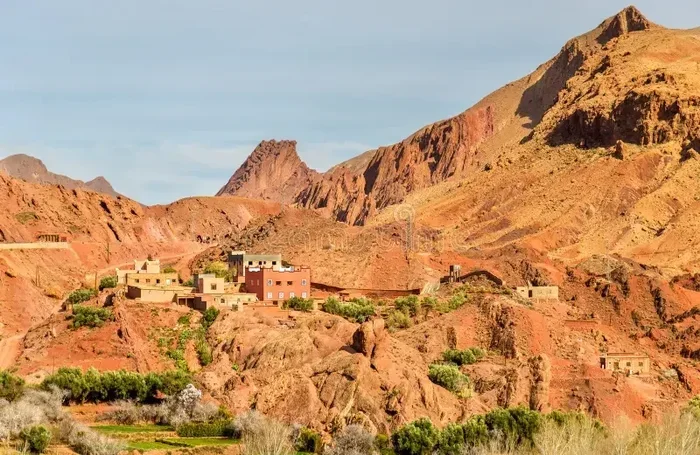
Featured image for Dades Valley Morocco landscape
Image source: thumbs.dreamstime.com
This 9-day Marrakech to Dades Valley tour is the perfect way to experience Morocco’s most stunning landscapes, from the Atlas Mountains to the Sahara Desert. Travelers will journey through ancient kasbahs, traditional Berber villages, and dramatic gorges while enjoying authentic Moroccan culture and hospitality. Designed for adventure seekers and culture lovers, this tour balances scenic beauty, historical exploration, and unforgettable desert experiences.
Picture yourself standing at the edge of a vast desert, where golden sands stretch endlessly toward the horizon. The sun sets slowly, painting the sky in shades of orange and pink, while camels rest nearby after carrying you across ancient dunes. This is just one magical moment waiting for you on a Marrakech to Dades Valley 9 day tour.
Morocco is a country that captures hearts and imaginations. It is a place where bustling medinas meet peaceful desert landscapes, where snow-capped mountains give way to palm-fringed oases, and where centuries-old traditions blend seamlessly with modern life. This 9-day journey captures all of these contrasts, taking you from the vibrant city of Marrakech through the High Atlas Mountains, across the Sahara Desert, and into the stunning valleys of southern Morocco.
Whether you are a first-time visitor or a seasoned Morocco traveler, this carefully planned itinerary offers the perfect balance of adventure, culture, and natural beauty. Let’s explore what makes this tour one of the most rewarding travel experiences in North Africa.
Key Takeaways
- Complete Moroccan Experience: This tour covers Morocco’s top destinations in one comprehensive itinerary, from imperial cities to desert landscapes.
- Atlas Mountains Crossing: Travelers cross the famous Tizi n’Tichka pass, one of North Africa’s most spectacular mountain roads.
- Sahara Desert Adventure: The tour includes camel trekking and an overnight stay in a traditional Berber desert camp.
- Cultural Immersion: Visitors experience authentic Berber culture through village visits, traditional meals, and local guide interactions.
- Stunning Gorges: The Dades and Todra Valleys offer some of Morocco’s most breathtaking scenery with dramatic canyon walls.
- UNESCO World Heritage Sites: The tour includes Ait Ben Haddou, a fortified village featured in famous films like Gladiator.
- Flexible Adventure: This tour suits various travel styles, from relaxed cultural exploration to active outdoor adventures.
📑 Table of Contents
Why Choose a 9-Day Tour from Marrakech to Dades Valley?
A 9-day tour is the sweet spot for exploring southern Morocco. It gives you enough time to truly experience each destination without feeling rushed, yet it fits neatly into most vacation schedules. Think of it like reading a great novel instead of just skimming the summary. You get to know the characters, understand the story, and feel the emotions.
The Perfect Duration for Full Immersion
Shorter tours of 3-4 days only scratch the surface of what southern Morocco offers. You might see the dunes and snap a few photos, but you will miss the quieter moments that make travel truly memorable. Like enjoying mint tea with a Berber family, watching the sunrise over the Erg Chebbi dunes, or exploring a hidden kasbah that most tourists never see.
Did You Know? Morocco welcomed over 14.5 million tourists in 2023, with the Sahara Desert region being one of the fastest-growing destinations. Travelers who stay longer consistently report higher satisfaction rates than those on shorter visits.
Balanced Itinerary Design
This tour is structured so that each day builds on the previous one. You start with cultural exploration in Marrakech, then gradually move into more remote and dramatic landscapes. By the time you reach the Sahara, you are fully acclimated and ready for the adventure. The return journey through the Dades Valley provides a scenic conclusion with new perspectives every day.
The Complete Itinerary Breakdown
Understanding the route helps you appreciate what this tour offers. The journey follows a logical path south from Marrakech, eventually reaching the desert, then looping back through different scenery. It is like a great road trip where every turn reveals something new.
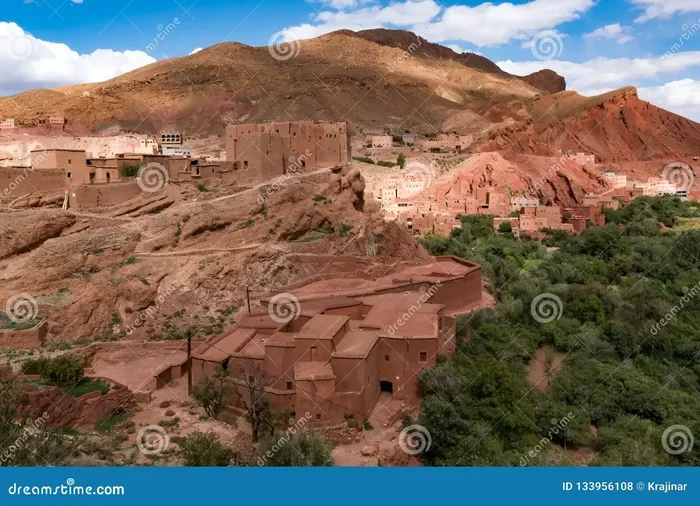
Visual guide about Dades Valley Morocco landscape
Image source: thumbs.dreamstime.com
Days 1-2: Discovering Marrakech
Your adventure begins in Marrakech, Morocco’s “Red City” named for its distinctive pink sandstone buildings. The medina is a UNESCO World Heritage Site and one of the most fascinating places in all of Africa. It is easy to get lost in the best way possible, wandering through narrow alleys filled with artisans, food vendors, and centuries of history.
Key highlights include:
- Jemaa el-Fnaa Square: The beating heart of Marrakech, where storytellers, musicians, and food stalls create an unforgettable atmosphere, especially at night.
- Majorelle Garden: A tranquil oasis featuring exotic plants and striking blue accents, once owned by fashion designer Yves Saint Laurent.
- Bahia Palace: A stunning example of Moroccan architecture with intricate tilework and peaceful courtyards.
- Saadian Tombs: Hidden for centuries, these royal tombs showcase beautiful Islamic artistry.
Did You Know? Jemaa el-Fnaa was declared a “Masterpiece of the Oral and Intangible Heritage of Humanity” by UNESCO in 2001. The square transforms dramatically from day to night, with different performances and activities each evening.
Days 3-4: Crossing the Atlas Mountains
Day three marks the beginning of your journey into the wild. You will travel over the Tizi n’Tichka pass, which rises to 2,260 meters above sea level. The drive itself is spectacular, with winding roads revealing dramatic mountain scenery at every turn. Imagine driving through a painting that keeps changing colors and shapes.
Along the way, you will stop at traditional Berber villages where time seems to stand still. These mountain communities have maintained their way of life for generations, and visitors are welcomed warmly into their world.
The highlight of this section is the visit to Ait Ben Haddou, a fortified village (kasbah) that has served as a backdrop for numerous Hollywood films, including Gladiator, Lawrence of Arabia, and Game of Thrones. Walking through its ancient streets feels like stepping onto a movie set, except everything is real.
Days 5-6: Sahara Desert Experience
This is where many travelers consider the journey reaches its peak. You will travel to Merzouga, the gateway to the Erg Chebbi dunes, some of the tallest sand dunes in Morocco. Standing at the edge of the Sahara, watching waves of golden sand stretch to the horizon, is a moment that stays with you forever.
The desert experience includes:
- Camel Trekking: A traditional journey into the dunes as the sun begins to set, creating perfect photo opportunities.
- Desert Camp Stay: Sleeping under the stars in a traditional Berber tent, with drums playing around a campfire.
- Sunrise Views: Waking early to watch the sunrise paint the dunes in brilliant colors.
- Sandboarding: For the adventurous, sliding down the dunes provides excitement similar to snowboarding.
Did You Know? The Erg Chebbi dunes can reach heights of 150 meters, about as tall as a 40-story building. The Sahara covers approximately 3.6 million square miles, making it the largest hot desert in the world.
Days 7-8: Dades and Todra Valleys
After the desert, the landscape changes dramatically as you enter the Todra and Dades Valleys. Think of the desert as a vast ocean and these valleys as lush green canyons cutting through red rock cliffs. The contrast is stunning.
The Todra Gorge features towering canyon walls that rise up to 400 meters high, with a narrow passage at the bottom where a river flows. It is a favorite spot for rock climbers and photographers alike.
The Dades Valley, your final destination before returning to Marrakech, is famous for its dramatic rock formations, traditional kasbahs, and rose gardens. The valley is sometimes called the “Valley of a Thousand Kasbahs” because of the numerous fortified structures dotting the landscape.
Day 9: Return to Marrakech
Your final day takes you back to Marrakech via the scenic Route of a Thousand Kasbahs. This drive offers different scenery from your outbound journey, passing through the Ouarzazate area, known as the “Hollywood of Africa” for its many film studios.
You will arrive in Marrakech with memories that last a lifetime and stories to share for years to come.
What to Expect: Accommodations and Meals
One of the best parts of this tour is the variety of accommodations you will experience. Each type offers something unique, from the comfort of city hotels to the adventure of desert camping.
Accommodation Types
Throughout the tour, you will stay in a mix of traditional riads, comfortable hotels, and desert camps. Riads are traditional Moroccan houses built around an interior courtyard, often featuring beautiful tilework and peaceful gardens. Staying in a riad is like being welcomed into someone’s beautiful home.
Desert camps range from basic to luxurious. Standard camps provide traditional Berber tents with comfortable bedding, shared bathroom facilities, and evening entertainment. Luxury camps offer private tents with ensuite bathrooms, traditional décor, and five-star service under the stars.
Moroccan Cuisine Highlights
Moroccan food is a highlight of any visit, and this tour introduces you to the country’s most beloved dishes. Tagine, named after the distinctive clay pot it is cooked in, combines slow-cooked meats with vegetables and aromatic spices. Couscous, traditionally served on Fridays, is Morocco’s national dish.
Other must-try foods include:
- Pastilla: A sweet and savory pie combining pigeon or chicken with almonds and cinnamon.
- Harira: A hearty tomato-based soup traditionally served during Ramadan.
- Mint Tea: Morocco’s national drink, a sweet green tea with fresh mint that accompanies almost every social interaction.
- Mechoui: Slow-roasted lamb, often served at celebrations and special occasions.
Did You Know? Moroccans consume more tea per capita than almost any other country in the world. The ritual of preparing and serving mint tea is considered an art form, with the tea being poured from a height to create foam on top.
Essential Travel Tips and Practical Information
Good preparation makes any trip better. Here are practical tips to help you get the most from your Marrakech to Dades Valley adventure.
Best Time to Travel
The ideal seasons for this tour are spring (March to May) and autumn (September to November). During these months, temperatures are comfortable in both the mountains and the desert. Summer can be extremely hot, especially in the Sahara, while winter brings cold nights to the desert camps.
What to Pack
Packing smart makes your journey more comfortable. Essentials include:
- Comfortable walking shoes for exploring villages and gorges
- Layers of clothing for changing temperatures
- Sunglasses, sunscreen, and a hat for sun protection
- A scarf or shawl for desert evenings and dust protection
- A small backpack for day trips
- Camera with extra batteries and memory cards
- Personal medications and basic first aid items
Health and Safety
Morocco is generally a safe country for tourists, with the government investing heavily in tourism security. The tap water is not recommended for visitors, so stick to bottled water. The local cuisine is generally safe, but travelers with severe restrictions should communicate them clearly to guides.
Most travel insurance policies cover Morocco, but check your specific coverage before departure. Having insurance provides peace of mind for unexpected situations.
Why Book This Tour?
Choosing a guided tour for this route makes sense for many reasons. Local guides bring destinations to life with their knowledge, stories, and connections. They know which restaurants serve the best food, which viewpoints offer the best photos, and which experiences are truly authentic versus tourist traps.
Expert Local Knowledge
Moroccan guides understand their country in ways that guidebooks cannot capture. They share cultural insights, navigate language barriers, and handle logistics so you can focus on enjoying the experience. Many guides have spent years or even generations in the regions they show visitors.
Stress-Free Travel
Driving in Morocco can be challenging for visitors. Roads are different, signs are often only in Arabic or French, and driving styles vary dramatically from what many travelers are used to. Having a professional driver allows you to relax and enjoy the scenery rather than worrying about navigation.
Authentic Cultural Exchange
Local guides facilitate genuine cultural exchanges that would be difficult to arrange independently. Whether it is sharing a meal with a Berber family, learning about traditional crafts, or understanding the significance of architectural details, these moments create the deepest travel memories.
A 9-day Marrakech to Dades Valley tour is more than just a vacation. It is an immersion into one of the world’s most fascinating cultures, a journey through landscapes of breathtaking beauty, and an adventure that touches your soul. From the moment you step into the bustling medinas of Marrakech until you watch your final desert sunset, every day brings new discoveries and lasting memories.
The combination of cultural exploration, natural beauty, and genuine human connection makes this tour one of the most rewarding travel experiences available anywhere in the world. Whether you travel solo, as a couple, or with family and friends, Morocco welcomes you with open arms and unforgettable experiences.
Start planning your Marrakech to Dades Valley 9 day tour today, and prepare for the trip of a lifetime.
Frequently Asked Questions
What is the best time of year for a Marrakech to Dades Valley tour?
The best times are spring (March to May) and autumn (September to November) when temperatures are comfortable throughout the route. Summer can exceed 45°C in the desert, while winter nights in desert camps can drop below freezing. These shoulder seasons offer the most pleasant conditions for both mountain and desert experiences.
Is this tour suitable for families with children?
Yes, this tour works well for families with children aged 6 and above. The camel rides, desert camping, and varied landscapes keep kids engaged. However, families should prepare children for long driving days and ensure they are comfortable with the cultural differences. Many tour operators offer family-friendly accommodations and meal options.
Do I need travel insurance for Morocco?
While not legally required, travel insurance is highly recommended for any Morocco tour. Coverage should include medical emergencies, trip cancellation, and evacuation if needed. Some activities like camel trekking and sandboarding may have specific coverage requirements, so check your policy details before departure.
What level of fitness is required for this tour?
This tour requires moderate fitness, particularly for walking in the Dades and Todra Gorges and climbing dunes in the Sahara. Most activities are optional, and guides can suggest alternatives for those who prefer less physical exertion. Basic mobility is sufficient for the main itinerary, with some activities requiring moderate effort.
Can dietary restrictions be accommodated on this tour?
Most dietary restrictions can be accommodated with advance notice. Moroccan cuisine features many vegetarian options, and halal food is standard throughout the country. Travelers with severe allergies or specific dietary needs should communicate these when booking to ensure proper arrangements at all stops.
What should I budget for extras during the tour?
Beyond the tour price, budget for souvenirs, tips, optional activities, and personal expenses. A reasonable daily budget for extras is around 30-50 USD per person. Tips for guides and drivers are customary, typically around 10-15 USD per day combined, though this varies based on service quality and group size.