
An Agadir to Zagora day trip is one of Morocco’s most breathtaking adventures, taking you through the stunning Anti-Atlas Mountains, lush Draa Valley, and to the edge of the Sahara Desert in a single day. Covering roughly 400 kilometers of dramatic landscapes, this journey rewards travelers with ancient kasbahs, palm-lined oases, and authentic Berber culture. While it’s a long day (12-14 hours), the unforgettable scenery and unique experiences make it absolutely worth the effort for anyone visiting southern Morocco.
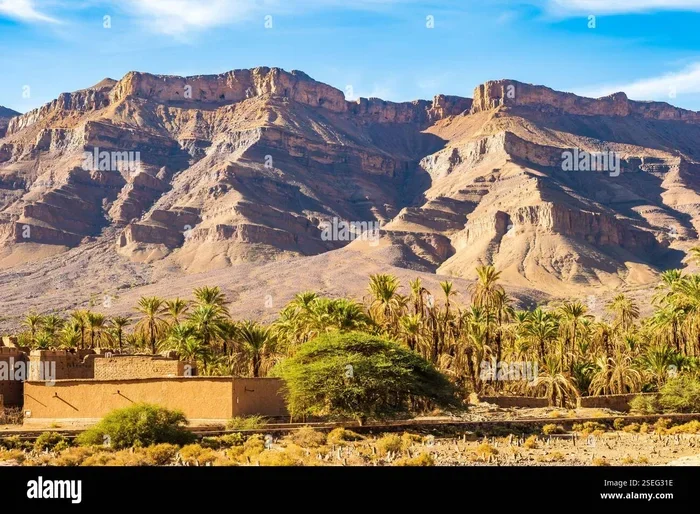
Featured image for Zagora desert Morocco landscape
Image source: c8.alamy.com
Picture this: you wake up in the sunny coastal city of Agadir, and by sunset, you’ve stood at the edge of the Sahara Desert. Sounds impossible, right? Well, it’s not. Every year, thousands of adventurous travelers embark on the legendary Agadir to Zagora day trip, one of Morocco’s most spectacular one-day journeys.
This route isn’t just a drive. It’s a cinematic experience that unfolds through winding mountain passes, emerald oases, and ancient Berber villages. You’ll watch the landscape transform from Atlantic coastline to rugged peaks, then to fertile valleys, and finally to the golden edge of the world’s most famous desert. Every turn reveals a new postcard-perfect view.
Now, let’s be honest. This is a long day. You’re talking about 12 to 14 hours of travel, exploration, and wonder. But here’s the thing: the alternative is spending days getting to Zagora on your own, which is complicated and time-consuming. A day trip packs the absolute best of southern Morocco into one unforgettable experience. By the end of this guide, you’ll know exactly what to expect, how to prepare, and why this journey belongs on every Morocco traveler’s bucket list.
Key Takeaways
- Distance and Duration: The trip covers about 400 km round-trip and requires 12-14 hours, including stops for sightseeing, meals, and exploration.
- Best Route Option: Most travelers book an organized tour with pickup from Agadir hotels, as public transport to Zagora is limited and time-consuming.
- Key Highlights: The route features Tizn’Test Pass, Taliouine saffron region, Agdz oasis, Draa Valley palm groves, and Zagora’s desert gateway.
- Climate Preparation: Temperatures vary dramatically from cool mountain passes to hot desert valleys, so layered clothing is essential.
- Photography Opportunities: The journey offers some of Morocco’s most photogenic landscapes, from snow-capped mountains to endless sand dunes.
- Cost Expectations: Day trips typically cost between €60-€120 per person, including transport, guide, and lunch.
- Best Travel Season: October through April offers the most comfortable temperatures for this long-distance desert excursion.
📑 Table of Contents
- What Makes the Agadir to Zagora Route So Special?
- How to Get from Agadir to Zagora
- The Ultimate Agadir to Zagora Itinerary
- What to Pack and How to Prepare
- Best Time of Year for Your Agadir to Zagora Day Trip
- Costs, Booking Tips, and What to Expect
- Common Questions and Practical Concerns
- Final Thoughts: Is This Trip Worth It?
What Makes the Agadir to Zagora Route So Special?
The magic of this journey lies in its incredible geographical diversity. In a single day, you cross three distinct climate zones and multiple landscape types. It’s like watching a nature documentary unfold outside your window, except you’re living it.
A Journey Through Three Climate Zones
Starting in Agadir, you’re in a mild Atlantic coastal climate. As you drive inland and gain altitude through the Anti-Atlas Mountains, temperatures drop noticeably. The Tizn’Test Pass sits at over 2,000 meters, where you might even see snow in winter months. Then, as you descend toward the Draa Valley and Zagora, the landscape becomes increasingly arid, eventually meeting the Sahara’s edge where temperatures can soar.
This dramatic shift means you experience the full spectrum of Morocco’s natural beauty in just one day. It’s the kind of geographical diversity that would take you weeks to see in most countries.
Historical and Cultural Significance
The route from Agadir to Zagora follows ancient caravan trading paths that have been used for centuries. Before modern roads, merchants traveled these routes with camel caravans, transporting goods between the Sahara and the coast. You’ll pass through towns and villages that have served as important trading posts for hundreds of years.
Did You Know? Zagora is famous for its iconic sign that reads “Tombouctou 52 jours” (Timbuktu 52 days), referencing the historic camel caravan journey to the legendary Saharan trading city. This sign has become one of Morocco’s most photographed landmarks!
How to Get from Agadir to Zagora
Let’s talk about your transportation options. This is where many travelers get confused, so I’ll break it down simply.
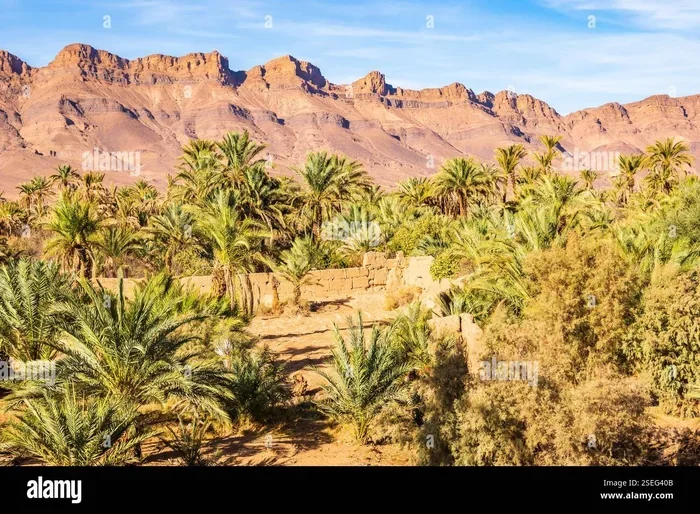
Visual guide about Zagora desert Morocco landscape
Image source: c8.alamy.com
Option 1: Organized Day Trip (Most Popular)
Booking an organized day trip is by far the most popular and practical option. Here’s why:
- Convenience: Hotel pickup and drop-off included
- Local expertise: Guides know the best photo stops and hidden gems
- Time efficiency: Pre-planned route maximizes sightseeing
- Comfort: Air-conditioned vehicles for the long journey
- Cultural insights: Guides share history and local knowledge throughout
Most tours depart around 6:00-7:00 AM and return between 8:00-10:00 PM. The early start is necessary to cover the distance and enjoy all the highlights.
Option 2: Self-Drive Adventure
Renting a car gives you complete freedom, but it comes with challenges. The drive is long, roads can be tricky in mountain sections, and you’ll need to navigate independently. However, self-driving lets you stop wherever you want and explore at your own pace.
Important tip: If you choose to self-drive, download offline maps before leaving Agadir. Cell service becomes spotty in mountain areas, and road signage is limited.
Option 3: Public Transportation (Not Recommended for Day Trips)
Technically, you can take buses from Agadir to Ouarzazate, then connect to Zagora. But this approach is impractical for a day trip. Buses are infrequent, schedules are unreliable, and you’d spend most of your day waiting in stations rather than exploring.
The Ultimate Agadir to Zagora Itinerary
Here’s exactly what a typical day trip looks like, hour by hour, so you know what to expect.
Early Morning: Departure and Mountain Ascent (6:00 AM – 9:00 AM)
Your day begins with an early hotel pickup in Agadir. Most tours use comfortable minivans or 4×4 vehicles, depending on group size. As you leave the city, you’ll notice the landscape quickly changing from coastal plains to foothills.
The first major stop is usually at a traditional Moroccan breakfast spot in the Atlas Mountains. Picture fresh msemen (Moroccan pancakes) with honey, mint tea, and strong coffee, all while overlooking dramatic mountain valleys. It’s the fuel you need for the day ahead.
Mid-Morning: Tizn’Test Pass and Berber Villages (9:00 AM – 12:00 PM)
Continuing your journey, you’ll traverse the spectacular Tizn’Test Pass. At 2,103 meters (6,900 feet), this is one of the most scenic mountain passes in Morocco. On clear days, the views stretch for hundreds of kilometers in every direction.
Did You Know? The Anti-Atlas Mountains are over 300 million years old, making them among the oldest mountain ranges on Earth! Their reddish rock formations create the perfect backdrop for stunning photographs.
Along the way, your guide will point out traditional Berber villages perched on hillsides. These mud-brick homes have remained largely unchanged for centuries. You’ll learn about Berber culture, their language (Tamazight), and how they live in harmony with this challenging environment.
Late Morning: Taliouine and the Saffron Capital (12:00 PM – 1:30 PM)
If you take the route through Taliouine, you’ll pass through Morocco’s saffron capital. This small town produces much of the country’s precious red saffron, one of the world’s most expensive spices by weight. Many tours stop here briefly to learn about saffron cultivation and purchase authentic local saffron at source prices.
Afternoon: Draa Valley and Agdz (1:30 PM – 3:30 PM)
After lunch (usually included in your tour), you enter the magnificent Draa Valley. This is arguably the highlight of the entire journey. The valley stretches over 200 kilometers and contains Morocco’s longest palm grove, with millions of date palms creating an emerald ribbon through the desert.
The town of Agdz marks your entry into the valley. Its name means “resting place” in Arabic, which makes perfect sense given its location at the foot of the stunning Jebel Kissane mountain. This distinctive peak, with its dramatic rock face, has guided travelers for centuries.
Late Afternoon: Arriving in Zagora (3:30 PM – 6:00 PM)
Welcome to Zagora, the gateway to the Sahara! While many day-trippers expect to see massive sand dunes, Zagora itself sits in a desert valley with smaller dunes. The famous Erg Chigaga dunes (the big Sahara dunes most people imagine) are actually 2-3 hours further by 4×4 from Zagora, so day trips typically don’t reach them.
However, Zagora still offers plenty of authentic desert experiences. You’ll visit:
- The famous “Tombouctou 52 jours” sign for the iconic photo opportunity
- Local kasbahs showcasing traditional desert architecture
- A Berber desert village where you can experience nomadic culture
- Small dunes perfect for a brief camel trek or sand-boarding
Many tours offer optional camel rides in Zagora, giving you a taste of desert travel even within the time constraints of a day trip. Trust me, even a short camel ride with the desert sunset is magical.
Evening: Return Journey to Agadir (6:00 PM – 10:00 PM)
As the sun sets over the Draa Valley, you’ll begin the long drive back to Agadir. The return journey often feels faster, partly because the stunning sunset light paints everything in golden hues. Many travelers use this time to rest, review their hundreds of photos, and reflect on the day’s adventures.
Most tours include a dinner stop en route back, typically a traditional tagine at a roadside restaurant. You’ll arrive back at your Agadir hotel tired but absolutely thrilled by the day you’ve experienced.
What to Pack and How to Prepare
Preparation makes the difference between a good day trip and a great one. Here’s your complete packing checklist.
Essential Items
- Layered clothing: Temperatures swing from cool mountain mornings to warm valley afternoons. A light jacket plus a t-shirt underneath is usually perfect.
- Comfortable shoes: You’ll get out of the vehicle multiple times for short walks and photo stops. Sneakers or hiking sandals work well.
- Sunglasses and sunscreen: The Moroccan sun is strong, especially in the desert regions.
- Camera with extra battery: You’ll take more photos than you imagine. Your phone might struggle with the long day, so a dedicated camera is helpful.
- Water bottle: Most tours provide water, but having your own reusable bottle is eco-friendly and convenient.
- Snacks: While lunch is included, having some extra snacks for energy is smart.
- Cash in dirhams: For purchasing souvenirs, tipping, and small purchases at stops.
Health and Comfort Tips
Long travel days can be tough on your body. Here are simple ways to stay comfortable:
Stay hydrated: Drink water regularly, even if you don’t feel thirsty. The dry desert air dehydrates you faster than you realize.
Bring motion sickness medication: The winding mountain roads can be challenging for sensitive stomachs. If you know you’re prone to motion sickness, take preventative medication before departure.
Download entertainment: Some parts of the drive are visually monotonous. Having music, audiobooks, or downloaded shows makes the long stretches more enjoyable.
Charge everything the night before: Your phone, camera, and any other devices should be at 100% before you leave. Charging opportunities during the trip are limited.
Best Time of Year for Your Agadir to Zagora Day Trip
Timing your trip correctly can dramatically improve your experience. Let’s break down what each season offers.
October to April: The Sweet Spot
This is hands-down the best time for this day trip. Temperatures are comfortable, ranging from 15-25°C (59-77°F) depending on elevation and time of day. The landscape is green and lush after winter rains, and skies are generally clear for photography.
December and January can be cold, especially in the mountains, but you might witness snow-capped peaks. March and April are particularly beautiful as wildflowers bloom across the valleys.
May to September: The Hot Months
Summer temperatures in the Draa Valley and Zagora can exceed 45°C (113°F). This extreme heat makes the trip physically demanding and less enjoyable. The mountain passes stay cooler, but the desert sections become almost unbearable during midday hours.
If summer is your only option, book a tour that departs very early (5-6 AM) to maximize cooler morning hours in the desert regions.
Ramadan Considerations
If your trip coincides with Ramadan, be aware that some restaurants and services may have limited hours. However, this can also be a fascinating cultural experience. Many tour operators adjust their schedules to accommodate iftar (the breaking of the fast at sunset).
Costs, Booking Tips, and What to Expect
Let’s talk money and logistics, because nobody likes surprise expenses.
Typical Day Trip Costs
Agadir to Zagora day trips generally range from €60 to €120 per person, depending on the operator, group size, and inclusions. Here’s what affects pricing:
- Group size: Larger groups are cheaper per person but less personalized
- Vehicle type: 4×4 tours cost more but offer better comfort on rough roads
- Inclusions: Meals, entrance fees, and activities affect the total
- Guide quality: Experienced, English-speaking guides command higher prices
Most reputable tours include hotel pickup/drop-off, transportation, a guide, lunch, and basic entrance fees. Optional activities like camel rides typically cost extra (around €15-€25).
How to Book
You have several booking options:
Online before arrival: Websites like GetYourGuide, Viator, and local Moroccan operators allow advance booking. This is the safest option during peak season (October-April).
Through your hotel: Agadir’s hotels and riads work with trusted tour operators and can book on your behalf, usually with a small commission added.
Local agencies in Agadir: Walk-in booking is possible, especially in low season. The tourist area near the beach has many agencies, but always verify credentials and read reviews.
Important warning: Never book with unlicensed street vendors or anyone who approaches you on the beach. Stick to established operators with verifiable reviews.
Choosing a Reputable Operator
Look for these signs of a quality tour company:
- Verifiable online reviews from multiple platforms
- Clear, detailed itineraries with stated inclusions
- Professional website and responsive customer service
- Licensed guides with local expertise
- Recent, well-maintained vehicles
A good guide can transform this trip from a simple drive into a cultural immersion. They’re worth every extra dirham.
Common Questions and Practical Concerns
Let me address the questions I get asked most often about this trip.
Is a Day Trip Really Enough Time?
Honestly? It depends on your expectations. If you want to see massive Sahara dunes, ride camels into the deep desert, and sleep under the stars, you need at least 2-3 days. But if you want to experience the incredible journey, see the changing landscapes, visit Zagora, and get a taste of the desert atmosphere, a day trip is perfect.
Think of it as a sampler platter rather than a full meal. You get to experience the essence of the Sahara journey in a single day.
Will I Get Car Sick?
The mountain sections have winding roads, which can affect sensitive travelers. If you’re prone to motion sickness, take medication 30 minutes before departure. Sitting in the front seat (if available) also helps. Most travelers don’t experience significant problems.
Is It Safe?
Yes, this route is very safe for tourists. The roads are well-traveled, and the local people are welcoming to visitors. As always, take normal precautions: keep valuables secure, stay with your group, and follow your guide’s instructions.
Can Children Join This Trip?
Children over 6-7 years old generally handle the long day well, especially if they enjoy scenery and adventure. Bring entertainment, snacks, and prepare them for the early start. Younger children might struggle with the duration, so consider your family’s tolerance for long car rides.
Final Thoughts: Is This Trip Worth It?
Absolutely, without question, yes. The Agadir to Zagora day trip is one of those rare experiences that delivers far more than it promises. You’ll witness landscapes that look computer-generated but are completely real. You’ll learn about cultures and histories that most travelers never encounter. You’ll collect stories and photos that will define your Morocco trip for years to come.
Yes, it’s a long day. Yes, your back might be a little sore from the driving. But when you’re standing at the edge of the Sahara, watching the sun paint the desert gold, watching your guide pour mint tea under a Berber tent, watching the ancient Draa Valley unfold beneath you, none of that matters. These are the moments that transform a vacation into an adventure.
So here’s my final piece of advice: if you’re in Agadir and physically able to handle a long day, book this trip. Don’t overthink it. Don’t worry about whether you’ll be tired. Just go. Trust me, future you will be grateful. The Sahara has been calling travelers for thousands of years. Now it’s calling you.