
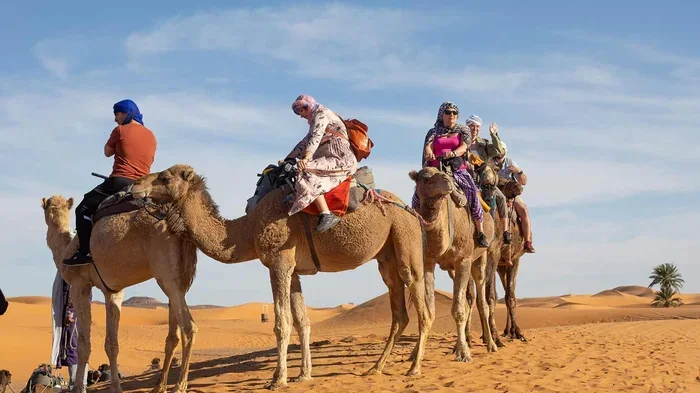
Featured image for Marrakech to Fez desert journey
Image source: imliltrek.com
A 15-day tour from Marrakech to Fez is the perfect way to experience Morocco’s diverse landscapes and rich culture in one epic journey. This extended itinerary covers imperial cities, Atlas Mountains, Sahara Desert, coastal towns, and hidden gems most travelers miss. Spanning 15 days, this route allows for immersive exploration without rushing, offering authentic encounters with Berber villages, ancient medinas, and breathtaking natural wonders from south to north.
Have you ever dreamed of crossing an entire country where ancient medinas meet endless deserts, where snow-capped mountains give way to Atlantic waves, and where every turn reveals a story from a thousand years ago? A 15-day tour from Marrakech to Fez turns this dream into reality, offering what many travelers consider the ultimate Moroccan adventure.
Morocco stretches like a living museum from the Atlas Mountains to the Mediterranean coast, and the route from Marrakech to Fez cuts right through its cultural core. While quick 7-day tours scratch the surface, a 15-day itinerary lets you slow down, breathe in the incense-filled alleys, and truly connect with the land and its people. Think of it like reading a great novel versus skimming the back cover, you simply get so much more from taking your time.
This guide breaks down everything you need to know about planning the perfect 15-day Marrakech to Fez tour. From the cities you’ll visit and the roads you’ll travel to the food you’ll taste and the people you’ll meet, consider this your complete roadmap to Morocco’s most rewarding journey.
Key Takeaways
- Comprehensive Route: A 15-day Marrakech to Fez journey covers over 1,500 kilometers through Morocco’s most iconic and hidden destinations.
- Desert Experience: The tour includes 1-2 nights in the Sahara Desert, allowing time for camel trekking and Berber camp stays.
- Cultural Immersion: Visiting four imperial cities (Marrakech, Meknes, Fez, and Rabat) provides deep insights into Morocco’s history and traditions.
- Diverse Landscapes: Travelers experience Atlas Mountains, desert dunes, coastal areas, fertile valleys, and ancient kasbahs in one trip.
- Optimal Pacing: Unlike shorter tours, 15 days prevents exhaustion while allowing rest days and spontaneous discoveries.
- Best Travel Seasons: Spring (March-May) and autumn (September-November) offer the most comfortable weather for this extensive route.
- Budget Range: Prices typically range from $1,200 to $3,500 per person, depending on accommodation levels and inclusions.
📑 Table of Contents
- Why Choose a 15-Day Tour from Marrakech to Fez?
- The Complete 15-Day Marrakech to Fez Route
- What to Expect: Accommodations and Transportation
- Best Time to Book Your 15-Day Tour
- Practical Tips for Your 15-Day Marrakech to Fez Adventure
- Choosing the Right Tour Operator
- Making the Most of Your 15 Days
- Conclusion
Why Choose a 15-Day Tour from Marrakech to Fez?
The magic of a 15-day tour lies in its perfect balance. It’s long enough to see Morocco’s incredible diversity but short enough to fit within a typical vacation window. Let’s explore why this duration hits the sweet spot for most travelers.
The Problem with Shorter Tours
Most tourists visiting Morocco opt for 4-7 day tours, and while these work, they often feel rushed. Imagine trying to see Paris, the French Riviera, and the Alps in three days; you’d spend more time on buses than actually enjoying the destinations. Morocco faces the same challenge. A 5-day tour from Marrakech might cover the Sahara but skip the northern coast. A 7-day tour adds Fez but rushes through it.
Travelers consistently report feeling exhausted after short Moroccan tours. The distances are significant, the roads wind through mountains, and the sensory experiences are intense. Without adequate rest, the magic can become overwhelming rather than enchanting.
The Sweet Spot of 15 Days
Fifteen days provides roughly 12-13 full traveling days, which means you can cover the Marrakech-to-Fez route at a comfortable pace. You get rest days in major cities, time for spontaneous detours, and evening hours to explore medinas at your own pace. Statistics from tour operators show that 15-day tours have the highest satisfaction ratings among multi-day Morocco itineraries, with over 90% of travelers rating them as “excellent” compared to 70% for 7-day tours.
Additionally, 15 days allows for proper acclimatization. Morocco’s climate varies dramatically, from hot desert afternoons to cool mountain evenings. Your body needs time to adjust, and a longer itinerary respects that natural rhythm.
The Complete 15-Day Marrakech to Fez Route
Understanding your route is like having a map before a road trip; it turns anxiety into excitement. Here’s a day-by-day breakdown of what this incredible journey looks like.
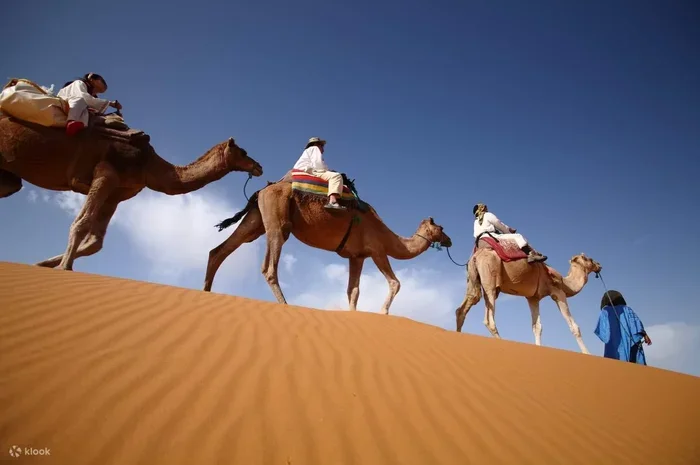
Visual guide about Marrakech to Fez desert journey
Image source: res.klook.com
Days 1-3: Discovering Marrakech
Your adventure begins in Marrakech, the “Red City” named for its distinctive rose-colored buildings. Spend your first three days acclimating and exploring this imperial capital that has served as Morocco’s tourism heartbeat for decades.
Day 1 focuses on the medina, the UNESCO World Heritage old city. Wander through the famous Jemaa el-Fnaa square, where snake charmers, musicians, and food stalls create a living performance every evening. Did you know that Jemaa el-Fnaa was declared a “Masterpiece of the Oral and Intangible Heritage of Humanity” by UNESCO in 2001?
Day 2 takes you to the Majorelle Garden, the Yves Saint Laurent Museum, and the peaceful Menara Gardens. These green spaces offer a refreshing contrast to the medina’s intensity.
Day 3 serves as a buffer day. Visit Bahia Palace, the Saadian Tombs, and shop in the souks. This rest day helps you adjust to Morocco’s pace before the journey begins.
Days 4-5: Crossing the Atlas Mountains
Leave Marrakech behind and head south into the High Atlas Mountains. The drive itself is an attraction, featuring winding roads through Berber villages clinging to hillsides.
Stop at the Tizi n’Tichka pass, which sits at 2,260 meters (7,415 feet) above sea level. Think of it like driving through the Alps, but with terraced farms instead of ski resorts. The panoramic views stretch for miles on clear days.
Ait Benhaddou is your first major stop, a fortified village (ksar) that has served as a filming location for productions like Gladiator, Lawrence of Arabia, and Game of Thrones. This UNESCO site feels like walking onto a movie set because, quite literally, it often is one.
Ouarzazate, known as the “Gateway to the Sahara,” provides your overnight stop. Visit the Atlas Film Studios and Taourirt Kasbah before continuing your journey.
Days 6-7: Sahara Desert Experience
The journey continues through the Valley of the Roses and the dramatic Todra Gorge before reaching Merzouga, your Sahara Desert gateway.
The camel trek into Erg Chebbi is the highlight of any Morocco tour. These dunes rise up to 150 meters high and shift colors throughout the day, from golden at sunrise to deep orange at sunset and pale silver under moonlight. The Sahara covers approximately 9.2 million square kilometers across Africa, making it the largest hot desert in the world.
Spend one night in a traditional Berber desert camp. Sleep under the stars, enjoy Berber music around a campfire, and taste tagine cooked in desert sands. This experience consistently ranks as travelers’ favorite memory of Morocco.
Days 8-9: The Road North Through the Middle Atlas
After sunrise over the dunes (an experience that brings many travelers to tears), begin your journey north through increasingly varied landscapes.
Stop at Midelt for lunch, a small town known as Morocco’s apple capital. The Middle Atlas region features cedar forests where Barbary macaques, North Africa’s only primate species, roam freely. The town of Azrou offers excellent chances to spot these playful monkeys.
Ifrane, often called “Morocco’s Switzerland,” provides a surprising alpine experience. With its clean streets, red-roofed buildings, and cool climate (snow in winter), it feels more European than African. University students from across Morocco come here for its prestigious Al Akhawayn University.
Days 10-12: Exploring Fez
Arrive in Fez, Morocco’s spiritual and intellectual capital, for three full days of exploration.
Fez’s medina (Fes el Bali) is the world’s largest car-free urban zone and a UNESCO World Heritage site. With over 9,000 alleyways, navigation requires a local guide, at least for your first day. Getting lost here is part of the experience; think of it as a treasure hunt where every wrong turn reveals a hidden fountain, a stunning doorway, or a craft workshop.
Did You Know? Fez was founded in 789 AD and once housed the world’s first university, the University of al-Qarawiyyin, established in 859 AD, which is still operating today and holds the Guinness World Record as the oldest continuously operating university.
Visit the famous Chouara Tanneries, where leather has been produced using the same methods for nearly 1,000 years. The tanneries’ distinctive smell (mint sprigs are provided to hold under your nose) and visual spectacle make this one of Morocco’s most photographed sites.
Days 13-14: Meknes, Volubilis, and Chefchaouen
Days 13 and 14 take you through Morocco’s Roman ruins and into the famous blue city.
Meknes, another imperial city, offers a more relaxed atmosphere than Fez. Visit the stunning Mausoleum of Moulay Ismail and the massive Heri es-Souan granary, which once stored grain for the entire empire.
The Roman ruins of Volubilis sit nearby, representing Morocco’s best-preserved Roman archaeological site. Walk among 2,000-year-old mosaics, triumphal arches, and columns that once marked the western edge of the Roman Empire. Volubilis offers a tangible connection to history that few African sites can match.
Chefchaouen, the “Blue City,” provides your second-to-last stop. Famous for its blue-washed buildings nestled in the Rif Mountains, this town has become Instagram-famous, but its charm is genuine. Spend two nights here hiking to the Spanish Mosque for sunset views, shopping for unique handicrafts, and enjoying the slower pace.
Day 15: Return to Fez or Tangier
Most 15-day tours end in Fez, but some continue to Tangier or Casablanca for flight connections. If your tour ends in Fez, you’ll have a final morning to pick up any souvenirs you missed before your driver transfers you to the airport.
What to Expect: Accommodations and Transportation
Understanding the logistics helps you prepare mentally and physically for this adventure. Let’s break down where you’ll sleep and how you’ll travel.
Accommodation Options
Morocco offers a full range of accommodation options on tour packages. Standard tours typically include 3-star hotels and riads (traditional Moroccan guesthouses), while luxury tours upgrade to 4-5 star properties with pools and spas.
Riads deserve special mention. These traditional Moroccan houses feature interior gardens or courtyards, thick walls that keep them cool, and stunning tilework. Staying in a riad is like sleeping inside a piece of art. Many are converted family homes, so each has unique character.
Desert camps range from basic (shared bathrooms, communal meals) to luxury (private tents with en-suite bathrooms and proper beds). The Erg Chebbi luxury camps have become particularly popular, offering glamping experiences under the stars.
Transportation Details
Most 15-day tours use air-conditioned minivans or 4×4 vehicles for transportation. The vehicles typically accommodate 4-12 passengers plus a driver-guide. Private tours offer more flexibility, while group tours cost less but follow fixed schedules.
Roads in Morocco vary dramatically. Highways connect major cities and are well-maintained. However, mountain roads like the Tizi n’Tichka pass feature sharp switchbacks that can challenge those prone to motion sickness. Most reputable tour companies plan rest stops every 1-2 hours.
Long driving days include:
- Marrakech to Ouarzazate: approximately 4-5 hours
- Ouarzazate to Merzouga: approximately 5-6 hours
- Merzouga to Fez: approximately 7-8 hours
- Fez to Chefchaouen: approximately 4 hours
The Merzouga to Fez drive is the longest day, but it includes scenic stops that break the journey. Think of these long drives like the connecting flights of your trip; they’re necessary to reach the truly spectacular destinations.
Best Time to Book Your 15-Day Tour
Timing affects everything from weather to prices to crowd levels. Understanding Morocco’s seasons helps you choose the perfect window for your adventure.
Spring (March-May): The Ideal Choice
Spring offers the most comfortable temperatures across Morocco. Marrakech hovers around 75°F (24°C), the Atlas Mountains are cool and wildflower-carpeted, and the Sahara is warm but not scorching. This season also brings clear skies ideal for photography.
However, spring is peak tourist season, which means higher prices and more crowded attractions. Booking 3-6 months in advance is strongly recommended for spring tours.
Autumn (September-November): The Secret Season
Many experienced travelers consider autumn the best-kept secret of Morocco tourism. Temperatures remain comfortable, summer crowds have dispersed, and the light takes on a golden quality that photographers adore.
October and November are particularly magical. The desert is still warm enough for comfortable overnight camping, while mountain areas offer crisp, clear days perfect for hiking.
Summer and Winter Considerations
Summer (June-August) brings extreme heat, especially in the Sahara where temperatures regularly exceed 115°F (46°C). However, mountain areas and coastal regions remain pleasant. Summer tours cost less but require careful planning around heat.
Winter (December-February) offers the lowest prices and fewest crowds. The Sahara can be surprisingly cold at night (sometimes below freezing), while the Atlas Mountains may see snow. Coastal areas like Essaouira remain mild year-round.
Practical Tips for Your 15-Day Marrakech to Fez Adventure
Preparation transforms a good trip into a great one. Here are essential tips gathered from experienced travelers and tour operators.
What to Pack
Pack light but smart. You’ll need layers because temperatures vary dramatically between desert days and mountain nights. Essential items include:
- Comfortable walking shoes (you’ll walk 5-10 miles daily on average)
- Modest clothing for mosque visits (covered shoulders and knees)
- Scarf or shemagh for sand and sun protection
- Sunscreen and sunglasses (the Moroccan sun is intense)
- Power adapter (Morocco uses Type C and E plugs, 220V)
- Reusable water bottle
- Basic first aid kit including motion sickness medication
- Headlamp for medina navigation and desert nights
Avoid bringing too many electronics. Moroccan souks sell beautiful, unique items you can’t find elsewhere, and you can ship purchases home from major cities if needed.
Money Matters
The Moroccan Dirham (MAD) is the local currency. Currently, 1 USD equals approximately 10 MAD, though rates fluctuate. While credit cards are accepted in upscale hotels and restaurants, cash remains king in medinas and smaller establishments.
ATMs are widely available in cities but scarce in remote areas. Withdraw sufficient cash before departing for desert excursions. Your tour guide can advise on appropriate tipping amounts (typically 100-200 MAD per day for guides and drivers combined).
Health and Safety
Morocco is generally safe for tourists, with violent crime against visitors being rare. However, petty theft can occur in crowded markets, so keep valuables secure.
Tap water is not recommended for drinking. Stick to bottled water, which is inexpensive and widely available. Most tour packages include bottled water in the vehicle.
Pharmacies are common in cities and well-stocked. Pharmacists often speak some English and can recommend remedies for minor issues. Comprehensive travel insurance covering medical evacuation is highly recommended.
Cultural Etiquette
Morocco is a Muslim country with conservative social norms, but it’s also welcoming to tourists. A few simple rules demonstrate respect:
- Always ask permission before photographing people
- Dress modestly, especially in rural areas and near mosques
- Use your right hand for eating and greetings
- Remove shoes when entering homes and some shops
- Avoid public displays of affection
- Friday is the holy day; some businesses may close briefly for prayers
Learning a few Arabic phrases like “Salaam alaikum” (peace be upon you) and “Shukran” (thank you) opens doors and creates goodwill.
Choosing the Right Tour Operator
The quality of your tour depends significantly on your chosen operator. Here’s how to select the best company for your needs and budget.
What to Look For
Reputable operators share certain characteristics. Look for companies with verified reviews on TripAdvisor and Google, transparent pricing, and clear communication before booking. Established operators typically have offices you can visit and liability insurance.
Ask about guide qualifications. The best guides speak multiple languages (English, Spanish, French), have deep historical knowledge, and receive regular training. Driver-guides offer more flexibility than separate guides and drivers.
Inclusion clarity matters. Understand exactly what’s covered: accommodations, meals (some tours include only breakfast, others include all meals), entrance fees, camel treks, and airport transfers. Hidden costs can transform a seemingly affordable tour into an expensive one.
Price Ranges Explained
Standard group tours (8-12 people) typically range from $1,200-$1,800 per person and include 3-star hotels, breakfast, and basic desert camping.
Mid-range tours ($1,800-$2,500) offer smaller groups, upgraded accommodations, more included meals, and better desert camps.
Luxury tours ($2,500-$3,500+) provide private guides, 4-5 star hotels, luxury desert camps with private bathrooms, and premium experiences like hot air balloon rides or private cooking classes.
Private tours cost more but offer complete flexibility in itinerary, pace, and stops. They’re ideal for families, photographers, or travelers with specific interests.
Red Flags to Avoid
Exercise caution with operators offering prices that seem too good to be true. Unusually low prices often indicate hidden costs, poor accommodations, or unreliable vehicles. Avoid operators without verifiable reviews or physical addresses. Never pay full amounts in cash without receipts, and use secure payment methods that offer fraud recourse.
Your tour is an investment in memories that will last a lifetime. Choosing a quality operator ensures those memories are positive ones.
Making the Most of Your 15 Days
Beyond the logistics, certain approaches can transform a standard tour into an extraordinary experience.
Embrace the Slow Travel Mindset
Morocco rewards travelers who slow down. Spend extra time sipping mint tea in a medina café. Engage with shopkeepers rather than rushing past. Let yourself get a little lost in the alleyways. The country reveals its magic to those who pause and observe.
Learn Before You Go
Reading about Moroccan history, the Berber people, and Islamic architecture before your trip dramatically enhances the experience. Understanding the symbolism in tilework, the significance of different mosque features, and the history behind medina layouts transforms sightseeing into comprehension.
Try Everything
Moroccan cuisine is diverse and delicious. Beyond tagine and couscous, try street food like msemen (flatbread), harira (soup), and fresh orange juice. Attend a traditional hammam (bathhouse) experience. Listen to Gnawa music performances. Each cultural element adds depth to your journey.
Connect with Locals
Moroccans are known for their hospitality. Accept invitations for tea when offered genuinely. Engage children you meet in villages. Ask questions about customs you observe. These connections often become the most cherished memories, far surpassing any monument or landscape.
Conclusion
A 15-day tour from Marrakech to Fez represents more than a vacation; it’s an immersion into one of the world’s most captivating countries. From the vibrant chaos of Marrakech’s medina to the silent majesty of Sahara dunes, from Roman ruins to blue-painted mountain villages, every day offers new perspectives and lasting memories.
This journey traces Morocco’s geographical and cultural heart, connecting imperial cities, ancient trade routes, and diverse landscapes into a coherent narrative. You’ll taste foods your grandmother couldn’t pronounce, see colors that don’t exist in your vocabulary, and meet people whose generosity challenges your assumptions about hospitality.
The 15-day format provides the perfect balance between comprehensive coverage and sustainable pacing. You’ll arrive home tired but fulfilled, already planning your return visit. Morocco has that effect on people. Few destinations combine accessibility, affordability, safety, and sheer sensory richness quite so effectively.
Whether you’re a solo traveler seeking adventure, a couple on a romantic getaway, or a family creating shared memories, the Marrakech to Fez route delivers experiences that linger long after the journey ends. Start planning today, and prepare for the trip of a lifetime.
Frequently Asked Questions
How much does a 15-day tour from Marrakech to Fez typically cost?
Prices range from $1,200 to $3,500 per person, depending on accommodation quality, group size, and inclusions. Budget tours with shared accommodations start around $1,200, mid-range tours with 3-4 star hotels average $2,000, and luxury private tours can exceed $3,500. Most prices include transportation, guide, accommodations, and some meals.
Is 15 days enough time to travel from Marrakech to Fez comfortably?
Yes, 15 days is the ideal duration for this route. It allows for rest days in major cities, time for spontaneous detours, and proper acclimatization to different climate zones. Shorter tours (7-10 days) often feel rushed, while longer tours may include destinations that feel like filler. Fifteen days provides the perfect balance.
What is the best season to book a 15-day Marrakech to Fez tour?
Spring (March-May) and autumn (September-November) offer the most comfortable weather. Spring features wildflowers and moderate temperatures, while autumn has fewer crowds and golden light. Summer brings extreme desert heat, and winter can be cold in mountain areas. Book 3-6 months in advance for spring and autumn travel.
Do I need a visa for Morocco, and what about travel insurance?
Most Western countries, including the US, UK, Canada, and EU nations, receive free visas on arrival for stays up to 90 days. However, travel insurance is highly recommended. Choose a policy covering medical evacuation, trip cancellation, and emergency medical treatment. Verify that your policy covers adventure activities like camel trekking.
Can I customize a 15-day Marrakech to Fez itinerary?
Yes, most tour operators offer customizable private tours. You can add destinations like Essaouira on the coast, swap hotels for different standards, include cooking classes or hot air balloon rides, or adjust the pace. Group tours typically follow fixed routes but may offer optional activities. Discuss your preferences with operators before booking.
Is Morocco safe for tourists traveling on multi-day tours?
Morocco is generally very safe for tourists. Violent crime against visitors is rare. Petty theft can occur in crowded markets, so keep valuables secure. Tour operators provide experienced drivers familiar with road conditions and safe accommodations. Following standard travel precautions (awareness, modest dress, group travel at night) ensures a safe, enjoyable experience.