
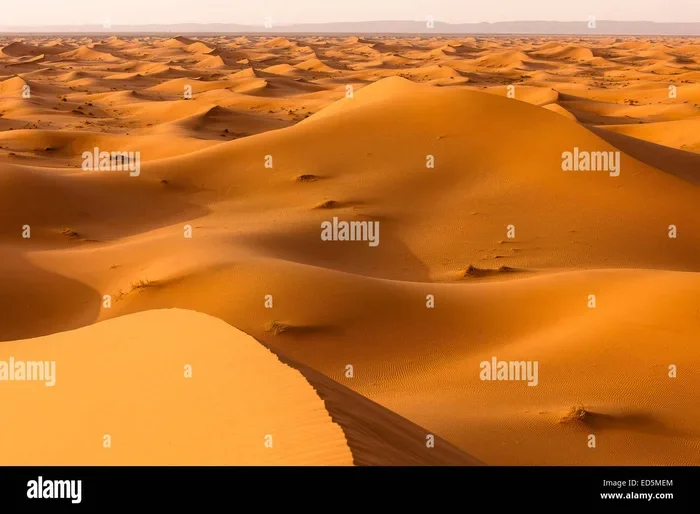
Featured image for Sahara desert dunes Erg Chegaga
Image source: c8.alamy.com
A 15 day tour from Marrakech to Erg Chegaga is the ultimate Moroccan adventure, taking you from the bustling medinas of imperial cities to the towering sand dunes of the Sahara’s most remote desert. This extended journey combines cultural immersion, scenic landscapes, and authentic encounters with Berber communities along the way. Perfect for travelers who want to experience Morocco beyond the typical one-week route, this tour offers a deep dive into the country’s diverse geography and rich heritage.
Marrakech sits at the gateway to the Sahara like a busy train station before a long journey. You hear distant whistles, smell smoke from the food stalls, and see travelers from every corner of the world preparing for adventure. The red walls of the medina pulse with energy, and the snow-capped Atlas Mountains rise in the distance like a promise of what’s to come.
A 15 day tour from Marrakech to Erg Chegaga gives you something most Morocco travelers miss: time. Time to wander without rushing. Time to sit with mint tea in a Berber tent. Time to watch the sun paint the Sahara gold while your camel chews quietly beside you. This isn’t a sprint through postcard views. It’s a slow, rich journey that lets Morocco reveal itself layer by layer, like peeling an onion made of cinnamon, spice, and ancient stories.
Unlike shorter tours that focus only on the desert, a 15-day itinerary lets you trace Morocco’s full geographic arc. You start in the imperial heartland, climb through mountain passes, reach the coast, then turn inland toward the deep desert. Along the way, you’ll sleep in riads, eat tagine cooked underground, cross dried riverbeds, and sleep under more stars than you knew existed. By the time you reach Erg Chegaga’s massive dunes, you’ll understand why travelers call this route “the real Morocco.”
Key Takeaways
- Extended Exploration: A 15 day tour allows you to visit 8-10 major destinations without rushing, including coastal, mountain, and desert regions.
- Erg Chegaga vs. Erg Chebbi: Erg Chegaga is the largest and most remote dune sea in Morocco, reaching 50 meters high and spanning 40 kilometers.
- Best Travel Season: October through April offers the most comfortable temperatures for desert travel, with cool nights and warm days.
- Cultural Encounters: The route passes through Berber villages, ancient kasbahs, and UNESCO World Heritage Sites like Ait Ben Haddou.
- Adventure Variety: Activities include camel trekking, 4×4 desert crossings, hiking in the Atlas Mountains, and exploring coastal Essaouira.
- Group or Private: Tours can be customized as small group adventures or private journeys with local guides.
- Budget Range: Expect to pay between €1,200-€2,500 per person depending on accommodation style and group size.
📑 Table of Contents
- What Is a 15 Day Marrakech to Erg Chegaga Tour?
- What Does the 15-Day Itinerary Typically Include?
- Where Does the Tour Go? Key Destinations Explained
- When Is the Best Time to Take This Tour?
- Why Choose Erg Chegaga Over Erg Chebbi?
- How to Choose the Right Tour Operator
- What Should You Pack for This Tour?
- Frequently Asked Questions About 15 Day Tours from Marrakech to Erg Chegaga
What Is a 15 Day Marrakech to Erg Chegaga Tour?
Think of this tour as a Moroccan greatest hits album, but with extended dance mixes. A 15 day tour from Marrakech to Erg Chegaga is a guided overland journey that covers roughly 2,000-2,500 kilometers across Morocco’s most dramatic landscapes. It typically follows a loop or one-way route that includes imperial cities, coastal towns, mountain valleys, and ends (or peaks) at the towering sand dunes of Erg Chegaga in the deep Sahara.
Who Is This Tour Designed For?
This kind of extended tour works best for travelers who want more than surface-level sightseeing. If you’re the type who likes to linger at a viewpoint, chat with locals, and try the street food, 15 days feels just right. It suits:
- Slow travelers who prefer depth over speed
- Photography enthusiasts who need golden hour in multiple locations
- Culture seekers interested in Berber traditions and history
- Adventure lovers wanting variety in terrain and activities
- Families or couples looking for a comprehensive shared experience
Did you know that Morocco welcomed 14.5 million tourists in 2023, with the Sahara region seeing a 23% increase in visitors compared to pre-pandemic numbers? The growing interest in slow travel has made longer itineraries like this one increasingly popular among European and North American travelers.
What Makes Erg Chegaga Special?
Most Sahara tours visit Erg Chebbi near Merzouga. Those dunes are beautiful and easier to reach, which is why 90% of tourists go there. But Erg Chegaga is different. It’s bigger, wilder, and feels like the Sahara as early explorers imagined it.
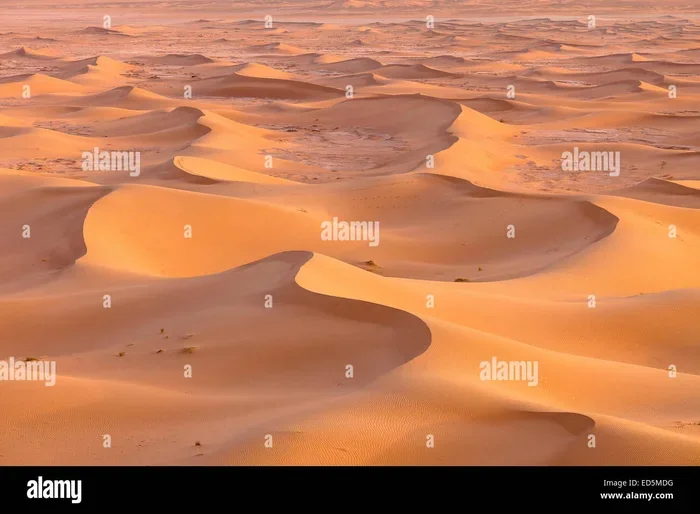
Located about 50 kilometers from the nearest paved road, Erg Chegaga is the largest dune sea in Morocco. Its highest dunes reach 50 meters tall (about the height of a 15-story building), and the whole sea stretches across 40 kilometers of uninterrupted sand. Reaching it requires crossing dried lake beds, rocky plateaus, and remote desert tracks. The reward is solitude, silence, and skies so clear you can see the Milky Way with your naked eye.
What Does the 15-Day Itinerary Typically Include?
Every tour operator crafts their own route, but most 15-day Marrakech to Erg Chegaga tours follow a similar geographic arc. Below is a typical day-by-day structure that gives you a realistic picture of what to expect.
Visual guide about Sahara desert dunes Erg Chegaga
Image source: c8.alamy.com
Days 1-3: Marrakech and the High Atlas
Your adventure begins in Marrakech, where you’ll likely spend two nights adjusting to the pace. Day one is usually for exploring the medina. You’ll wander through Jemaa el-Fnaa square, where storytellers, snake charmers, and food stalls create chaos that somehow feels like a celebration. Day two might take you to the Majorelle Garden or the peaceful Menara Gardens.
Day three marks the start of the journey. You’ll drive over the Tizi n’Tichka Pass (2,260 meters high) into the High Atlas Mountains. Along the way, you’ll stop at a women’s argan oil cooperative, where Berber women turn nuts into liquid gold. By evening, you’ll reach the UNESCO World Heritage Site of Ait Ben Haddou, a fortified village made of clay that has starred in movies like Gladiator and Game of Thrones.
Days 4-6: Desert Edge and Draa Valley
This stretch moves you from the mountains into the pre-Saharan zone. You’ll pass through Ouarzazate (the “Hollywood of Africa”), visit the dramatic Todra Gorges (where canyon walls rise 400 meters straight up), and walk through the palm-filled Draa Valley. The Draa is Morocco’s longest river, and its valley contains over 700,000 date palms. Imagine driving through a green river made of trees, and you’ll get the picture.
Days 7-10: Reaching the Deep Sahara
Here’s where things get truly wild. From the Draa Valley, you’ll turn off paved roads and begin the off-road journey to Erg Chegaga. This involves crossing the dried Lake Iriqui, a vast flat salt pan where the horizon bends and mirages dance. Your 4×4 vehicle will bump and grind through rocky terrain for hours before the first massive dunes appear on the horizon.
Most tours include a camel trek into the dunes at sunset, followed by a night in a Berber desert camp. You’ll sleep in a traditional nomad tent (or under the stars if you prefer), eat tagine cooked over coals, and listen to Berber drumming around a campfire. This is the highlight of the entire trip for most travelers.
Did you know that camels can drink up to 40 gallons of water in one go? That’s about 150 liters. They store it in their bloodstream, which is why they can survive a week in the desert without drinking. Your camel guide likely knows this fact by heart.
Days 11-13: Anti-Atlas and the Atlantic Coast
After the desert, many tours loop westward through the Anti-Atlas Mountains to reach the coast. You’ll pass through Tafraoute, a surreal valley surrounded by pink granite rocks, before descending to the Atlantic. Essaouira is the typical coastal stop. This whitewashed port city has been a trading hub since the 1500s, and today it’s famous for fresh seafood, blue boats, and a laid-back vibe that contrasts sharply with Marrakech’s intensity.
Days 14-15: Return to Marrakech
The final days typically involve driving back to Marrakech, with stops in the Ourika Valley or at a local Berber market. You’ll arrive in the “Red City” with dusty clothes, full memory cards, and probably a craving for one more tagine.
Where Does the Tour Go? Key Destinations Explained
Let’s break down the major stops you’ll encounter on most 15 day Marrakech to Erg Chegaga tours. Each location offers something unique, and together they tell the story of Morocco’s incredible diversity.
Marrakech: The Imperial Starting Point
Marrakech is Morocco’s fourth-largest city and one of its four imperial capitals. Founded in 1062, it’s been a center of trade, religion, and culture for nearly 1,000 years. The medina is a UNESCO World Heritage Site, and its souks (markets) sell everything from spices to slippers to silver jewelry. Jemaa el-Fnaa square comes alive every evening with food stalls, musicians, and storytellers. It’s been called “the greatest spectacle on Earth” by some travel writers, and it’s hard to argue.
Ait Ben Haddou: The Ancient Kasbah
This fortified village dates back to the 17th century, though some structures are older. Made entirely of rammed earth, it’s a masterpiece of pre-Saharan architecture. The site has been featured in over 20 films and TV shows, including Lawrence of Arabia, The Mummy, and Gladiator. Walking through it feels like stepping into a movie set, except it’s real.
Todra Gorges: Nature’s Cathedral
The Todra Gorges are a series of limestone river canyons that narrow to just 10 meters wide while the cliffs rise 400 meters above. The contrast between the narrow floor and towering walls makes it one of Morocco’s most dramatic natural sites. Rock climbers love it for the challenging routes, but you don’t need to climb to feel small here.
Erg Chegaga: The Wild Sahara
We’ve covered this, but it deserves another mention. Erg Chegaga represents the Sahara at its most untamed. No paved roads lead here. No resorts sit on its edges. Just sand, silence, and stars. The dunes here shift constantly with the wind, and the highest peaks take 30-40 minutes to climb on foot. Standing on top of one at sunrise is a moment you’ll remember for the rest of your life.
Essaouira: The Atlantic Breeze
Once called “Mogador,” Essaouira has been a port since Phoenician times. The Portuguese built its fortified ramparts in the 1500s, and today the whitewashed medina, blue fishing boats, and strong Atlantic winds make it a favorite escape for artists and surfers. The seafood here is incredibly fresh, often caught the same morning.
When Is the Best Time to Take This Tour?
Morocco’s seasons affect this tour more than you might think. The desert is extreme, and timing your visit right can mean the difference between a magical trip and a miserable one. Here’s what you need to know.
October to April: The Sweet Spot
These months offer the most comfortable weather across all regions. Daytime temperatures in the desert range from 20-28°C (68-82°F), while nights drop to a chilly 5-10°C (41-50°F). In the mountains, you might see snow on the highest passes. Along the coast, the Atlantic wind keeps things cool.
May and September: Shoulder Season
These transitional months can work, but expect surprises. Temperatures in the Sahara can spike to 38°C (100°F) in late May, which makes midday desert activities uncomfortable. Early mornings and late evenings remain pleasant, though.
June to August: The Desert Inferno
Summer in Erg Chegaga is brutal. Daytime temperatures regularly exceed 45°C (113°F), and sand surfaces can reach 70°C (158°F). Most tour operators don’t recommend desert travel during peak summer. If summer is your only option, focus on the coastal and mountain portions.
Ramadan Considerations
Morocco is a Muslim-majority country, and the holy month of Ramadan changes daily rhythms. Some restaurants close during the day, and the pace slows. However, evenings come alive with celebrations. Many travelers find visiting during Ramadan to be culturally enriching, but it does require patience and flexibility.
Why Choose Erg Chegaga Over Erg Chebbi?
This is the most common question travelers ask, and the answer matters. Both are stunning Sahara dune experiences, but they offer very different feelings. Let’s break it down so you can decide which suits you best.
The Remoteness Factor
Erg Chebbi sits just 50 kilometers from the town of Merzouga, which is connected by paved road. You can reach it in a regular car in about 9 hours from Marrakech. Erg Chegaga, on the other hand, requires a 4×4 vehicle and involves a true off-road adventure. This accessibility difference means Erg Chebbi sees hundreds of tourists daily, while Erg Chegaga might see dozens.
The Experience Difference
At Erg Chebbi, you’ll find luxury desert camps with swimming pools, hot showers, and flush toilets. It’s comfortable, polished, and tourist-friendly. At Erg Chegaga, the camps are simpler. Think traditional nomad tents, shared squat toilets, and bucket showers. The vibe is more authentic and adventurous. You’re trading comfort for solitude.
The Scenery Variation
Erg Chebbi has taller individual dunes (up to 150 meters), but the dune sea is smaller. Erg Chegaga spreads across a wider area, offering more varied terrain. You can drive for hours through different dune formations, rocky outcrops, and dry lake beds. If variety is what you crave, Chegaga wins.
Think of it this way: Erg Chebbi is like a popular beach resort with all the amenities. Erg Chegaga is like a remote island where you bring everything you need. Both are beautiful, but only one feels like a real adventure.
How to Choose the Right Tour Operator
Your experience depends heavily on who you book with. Morocco has hundreds of tour operators offering similar routes, but quality varies enormously. Here are the key factors to consider.
Group Size Matters
Small groups (4-8 people) offer the best balance of cost and intimacy. You’ll have a real connection with your guide and fellow travelers, but the price per person remains reasonable. Private tours give you total flexibility but cost 2-3 times more. Large bus-style tours are cheapest but feel rushed and impersonal.
Guide Quality
A knowledgeable guide transforms a tour from transportation to storytelling. Look for operators that employ licensed, English-speaking guides with deep local knowledge. A good guide knows the best viewpoints, the hidden cafes, and the stories behind every kasbah. Ask about guide-to-guest ratios when booking.
Accommodation Standards
Most 15 day Marrakech to Erg Chegaga tours include a mix of mid-range riads (traditional Moroccan guesthouses), hotels, and desert camps. Check what’s included. Authentic riads offer beautiful architecture and home-cooked meals, while standard hotels provide predictability. The desert camp should be authentic but comfortable.
Reviews and Reputation
Platforms like TripAdvisor, GetYourGuide, and Viator provide honest customer feedback. Look for operators with 100+ reviews and an average rating above 4.5 stars. Pay special attention to reviews mentioning food, guide knowledge, and vehicle comfort.
What’s Actually Included
Always read the fine print. Most tours include transportation, accommodation, breakfast, and dinner. Lunch, drinks, entrance fees, and tips are usually extra. A typical budget might be €15-25 per day for personal expenses beyond what’s included.
What Should You Pack for This Tour?
Packing for a 15-day Moroccan adventure requires planning for four climate zones: the medina, the mountains, the coast, and the desert. Here’s a practical list to get you started.
Clothing Essentials
- Light layers for daytime desert and mountain travel
- A warm jacket for cold desert nights (temperatures drop below 10°C)
- Modest clothing for visiting religious sites (covered shoulders and knees)
- Comfortable walking shoes plus sandals for the desert
- A scarf or shemagh for sandstorms and sun protection
- Swimwear if your riad has a pool
Health and Practical Items
- Sunscreen (SPF 50 minimum)
- Lip balm with SPF
- Reusable water bottle (1-liter minimum)
- Basic first-aid kit
- Hand sanitizer and wet wipes
- Headlamp for the desert camp
- Camera with extra batteries and memory cards
What to Leave Behind
Don’t overpack. Most tours have luggage limits of one medium suitcase plus a daypack. Leave the hairdryer, the three different shoes, and the giant guidebook. You can buy what you need in Morocco, and laundry services are available in most stops.
Frequently Asked Questions About 15 Day Tours from Marrakech to Erg Chegaga
How much does a 15 day tour from Marrakech to Erg Chegaga typically cost?
Most tours range from €1,200 to €2,500 per person, depending on accommodation quality, group size, and inclusions. Budget tours with shared transport and basic riads start around €1,200, while private luxury tours with upgraded desert camps can exceed €2,500. Always check whether lunches, entrance fees, and tips are included.
Is the Erg Chegaga tour suitable for children or older travelers?
Yes, but with considerations. Children over 8 generally handle the journey well, though the long drives can be tiring. Older travelers should be in reasonable health, as the 4×4 desert crossing involves bumpy roads and basic camp facilities. Most operators can adjust pacing for families or seniors with advance notice.
Do I need travel insurance for this tour?
Absolutely. Travel insurance covering medical evacuation is essential, especially for desert travel. The nearest hospital to Erg Chegaga is hours away by 4×4. Ensure your policy covers adventure activities like camel trekking and covers you for the entire 15 days plus a buffer.
Can I customize a 15 day Morocco itinerary?
Most tour operators offer customization, especially for private tours. You can add cooking classes, extend stays in specific cities, swap Essaouira for a hiking adventure, or upgrade to luxury desert camps. Customization usually costs more but creates the trip of your dreams.
What is the food like on these tours?
Moroccan cuisine is a highlight of the journey. Expect tagines (slow-cooked stews with meat and vegetables), couscous dishes, fresh bread, and mint tea everywhere. Breakfast typically includes bread, jam, eggs, and coffee. Most tours include dinners featuring local specialties. Vegetarian options are widely available with advance notice.
Is it safe to travel to the Sahara desert?
Yes, with a reputable operator. The Moroccan government maintains a strong security presence in tourist areas, and desert crime is virtually nonexistent. The main risks are weather-related (heatstroke, sandstorms) and road conditions during the off-road crossing. Following your guide’s instructions is essential for a safe experience.