
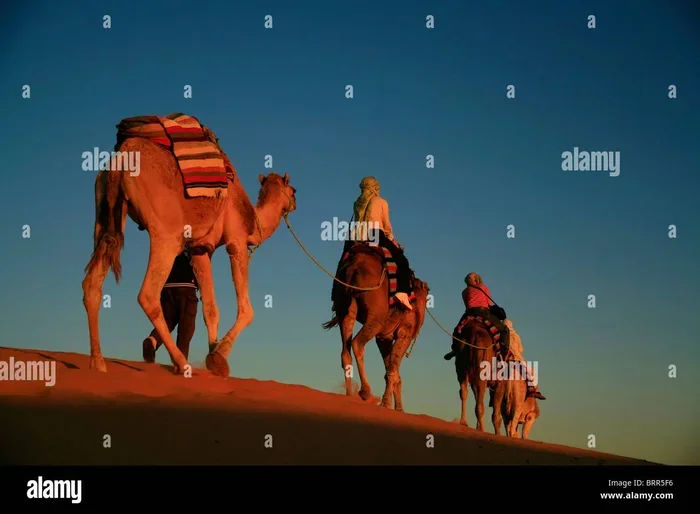
Featured image for Marrakech Sahara camel sunset
Image source: c8.alamy.com
A 7-day tour from Marrakech to the Sahara Desert is the ultimate Moroccan adventure, combining imperial cities, Atlas Mountains crossings, and authentic desert experiences. This comprehensive itinerary takes you through UNESCO World Heritage sites, traditional Berber villages, and the towering Erg Chebbi dunes. Perfect for travelers seeking culture, adventure, and breathtaking landscapes, this week-long journey delivers memories that last a lifetime.
Key Takeaways
- Complete Circuit: A 7-day tour covers Marrakech, Atlas Mountains, Sahara Desert, and return via different scenic routes.
- Desert Highlights: Camel trekking to Erg Chebbi or Erg Chigaga offers authentic overnight stays in Berber desert camps.
- Best Travel Seasons: October to April provides ideal weather, with cooler desert nights and pleasant daytime temperatures.
- Cultural Encounters: The journey includes visits to Ait Ben Haddou, Todra Gorge, and traditional Berber markets.
- Budget Range: Prices typically range from $600-$1,500 per person, depending on accommodation and tour type.
- Physical Requirements: Moderate fitness is needed for camel rides and walking, but most activities suit average travelers.
- Group vs Private: Both options exist, with private tours offering flexibility and group tours providing social experiences.
📑 Table of Contents
- Why a 7-Day Marrakech to Sahara Tour Is Morocco’s Greatest Adventure
- What to Expect on Your 7-Day Marrakech to Sahara Desert Itinerary
- Who Should Take This Tour and When Is the Best Time to Go
- Where This Tour Takes You: Key Destinations and Stops
- How the Tour Works: Transportation, Accommodation, and Daily Life
- Essential Tips for Making the Most of Your 7-Day Desert Tour
- Choosing Between Group Tours and Private Tours
- Final Thoughts: Why This Adventure Matters
Why a 7-Day Marrakech to Sahara Tour Is Morocco’s Greatest Adventure
Picture this: you’re standing atop a golden sand dune, the sun setting behind you, painting the sky in shades of orange, pink, and purple. Below, a sea of sand stretches endlessly, and somewhere in the distance, you hear the rhythmic beat of Berber drums welcoming the night. This isn’t a dream. This is what awaits you on a 7-day tour from Marrakech to the Sahara Desert.
Morocco is a country that feels like stepping into another world. Within just a few hours, you can move from bustling medinas filled with the scent of spices to snow-capped mountains, then to vast deserts that seem to go on forever. A week-long journey gives you enough time to truly experience this incredible diversity without feeling rushed. You’ll taste tagine cooked over open fires, sleep under stars brighter than you’ve ever seen, and meet people whose hospitality will warm your heart.
Did you know that Morocco’s Erg Chebbi dunes reach heights of up to 150 meters (nearly 500 feet)? That’s taller than a 40-story building! And here’s another fascinating fact: the Sahara Desert covers approximately 9.2 million square kilometers, making it the largest hot desert in the world. Yet only about 25% of it is actually sand, the rest is rocky plains and gravel. Your 7-day tour will introduce you to the most spectacular sandy portions of this natural wonder.
What to Expect on Your 7-Day Marrakech to Sahara Desert Itinerary
Understanding the flow of your week helps you prepare mentally and physically for the adventure ahead. Think of it like reading a great novel: each day is a new chapter, building toward an unforgettable climax in the desert.
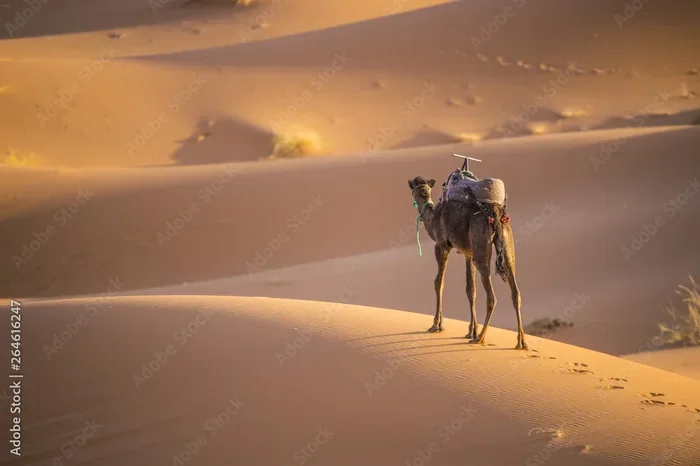
Visual guide about Marrakech Sahara camel sunset
Image source: as1.ftcdn.net
Day-by-Day Overview of the Journey
A well-designed 7-day tour follows a circular route, ensuring you see different landscapes on your outbound and return journeys. Here’s the typical structure:
- Day 1: Arrival in Marrakech and city exploration
- Day 2: Crossing the High Atlas Mountains via Tizi n’Tichka pass
- Day 3: Ait Ben Haddou, Ouarzazate, and the Road of a Thousand Kasbahs
- Day 4: Todra Gorge, Dades Valley, and approach to the desert
- Day 5: Sahara Desert immersion (camel trek and overnight camp)
- Day 6: Desert exploration and journey toward Draa Valley
- Day 7: Return to Marrakech via Anti-Atlas Mountains
Each day covers roughly 4-6 hours of driving, with plenty of stops for photos, meals, and stretching. The longest drives happen when crossing mountain passes, but these are also the most scenic parts of the journey. Think of the road as part of the adventure, not just a way to get somewhere.
Who Should Take This Tour and When Is the Best Time to Go
Understanding whether this adventure matches your travel style and timing your visit correctly can make the difference between a good trip and an extraordinary one.
Ideal Travelers for This Experience
This tour welcomes a wide variety of travelers. Solo adventurers find it easy to join group departures and meet like-minded explorers. Couples love the romantic desert sunsets and starlit nights. Families with children aged 8 and older typically enjoy the experience, though younger kids may find long drives challenging. Photography enthusiasts will be in paradise, capturing everything from mountain landscapes to desert silhouettes.
One common misconception is that desert tours are only for extreme adventurers or fitness fanatics. In reality, the camel rides are gentle, the walks are optional, and accommodations range from comfortable riads to traditional but cozy desert camps. If you can walk up a flight of stairs comfortably, you can handle this tour.
Best Seasons for the Marrakech to Sahara Desert Tour
Did You Know? Desert temperatures can swing dramatically, from over 45°C (113°F) in summer afternoons to below 5°C (41°F) in winter nights. This is why timing matters so much!
- October to November: Perfect temperatures (20-28°C during the day), clear skies, and post-summer pricing deals
- December to February: Cool but pleasant days (15-20°C), cold desert nights (can drop below freezing), fewer crowds
- March to April: Ideal weather blooming, wildflowers in valleys, comfortable sleeping temperatures
- May to September: Hot temperatures (35-45°C), especially challenging in the desert, but lower prices
The sweet spot for most travelers is October-November or March-April. You’ll enjoy comfortable weather, beautiful scenery, and manageable crowd levels at popular sites.
Where This Tour Takes You: Key Destinations and Stops
Your week-long journey passes through some of Morocco’s most iconic locations. Each stop tells part of the country’s story, from ancient kasbahs to natural wonders.
Marrakech: The Starting Point
Known as the “Red City” because of its distinctive pink-hued buildings, Marrakech is your gateway to the Sahara. Before heading into the desert, you’ll explore the UNESCO-listed medina, visit the bustling Jemaa el-Fnaa square, and wander through the sensory overload of the souks. The square comes alive at night with storytellers, musicians, snake charmers, and food stalls serving everything from grilled meats to fresh-squeezed orange juice.
Think of Marrakech as the appetizer before the main course. It’s vibrant, colorful, and sets the tone for the cultural richness that awaits throughout your journey.
Atlas Mountains and Berber Villages
The High Atlas Mountains form a natural barrier between Marrakech and the Sahara, and crossing them is an adventure in itself. The Tizi n’Tichka pass reaches 2,260 meters (7,410 feet), offering panoramic views that will leave you speechless. Along the way, you’ll pass through traditional Berber villages where people have lived the same way for centuries, tending terraced fields and raising livestock.
Did You Know? The Berber people (also known as Amazigh, meaning “free people”) are Morocco’s original inhabitants, with a history dating back over 4,000 years. Their culture, language, and traditions remain strong in mountain villages today.
Ait Ben Haddou: The Hollywood of Morocco
This UNESCO World Heritage Site is a fortified village (ksar) that looks like something from a fairy tale. Its earthen clay architecture has served as the backdrop for famous films and series including “Gladiator,” “Lawrence of Arabia,” and “Game of Thrones.” Walking through its narrow passages feels like stepping back in time.
The Sahara Desert: Erg Chebbi or Erg Chigaga
The crown jewel of your journey is the Sahara itself. Most 7-day tours from Marrakech visit either Erg Chebbi (near Merzouga) or Erg Chigaga (a more remote option). Erg Chebbi is more developed and accessible, with dune heights reaching 150 meters. Erg Chigaga offers a wilder, more remote experience but requires more driving to reach.
Imagine the desert like an ocean that’s frozen in time. The dunes create waves of sand that shift with the wind, creating an ever-changing landscape that has fascinated travelers for millennia.
How the Tour Works: Transportation, Accommodation, and Daily Life
Knowing the practical details helps remove uncertainty and lets you focus on enjoying the experience.
Transportation Throughout the Week
Most tours use comfortable 4×4 vehicles or air-conditioned minivans for the journey. Drivers double as informal guides, sharing knowledge about the regions you pass through. For the camel trek into the desert, you’ll swap vehicles for these traditional “ships of the desert.” Don’t worry, the ride is smooth, and the camels are well-trained and gentle.
Group sizes typically range from 4-16 people for shared tours, while private tours offer just you and your travel companions. Smaller groups mean more flexibility and personal attention, while larger groups often have lower per-person costs.
Accommodation: From Riads to Desert Camps
Your accommodation varies throughout the week, adding to the adventure:
- Riads and Hotels: Traditional Moroccan guesthouses or 3-4 star hotels in cities and towns
- Kasbahs: Restored fortress-style accommodations with authentic character
- Desert Camps: Traditional Berber tents with shared or private bathrooms (depending on your package)
The desert camp experience is often the highlight for many travelers. Despite being in the middle of nowhere, these camps provide comfortable beds, delicious meals, and entertainment around the campfire. The silence of the desert at night, broken only by distant drums or the wind, creates a profound sense of peace.
Food: A Culinary Journey
Moroccan cuisine is one of the world’s most underrated, and your tour will showcase its best. Expect tagines (slow-cooked stews with meat and vegetables), couscous, fresh salads, and bread baked in communal ovens. Mint tea, Morocco’s national drink, accompanies every gathering, and you’ll learn to appreciate its sweet, refreshing taste.
Did You Know? Moroccan tagines are named after the cone-shaped clay pots they’re cooked in, not the other way around! The unique shape helps circulate steam and keep food moist during the long cooking process.
Essential Tips for Making the Most of Your 7-Day Desert Tour
Preparation and a positive attitude transform a good trip into an unforgettable one. Here are proven strategies from experienced travelers.
What to Pack for the Journey
Think layers, not bulk. Desert temperatures swing from hot days to cold nights, especially in winter. Here’s what experienced travelers recommend:
- Clothing: Light, breathable fabrics for daytime, warm layers for evenings, a scarf or shemagh for sand protection
- Footwear: Comfortable walking shoes plus sandals for the desert
- Sun Protection: High-SPF sunscreen, sunglasses, and a wide-brimmed hat
- Health Items: Personal medications, motion sickness remedies for mountain roads, hand sanitizer
- Electronics: Camera with extra batteries (cold nights drain them fast!), power bank, universal adapter
- Extras: Reusable water bottle, small flashlight for desert nights, wet wipes
Budget Considerations and Value
Prices for 7-day Marrakech to Sahara tours vary based on accommodation quality, group size, and inclusions. Budget tours start around $600 per person, mid-range tours average $900-$1,200, and luxury experiences can reach $1,500-$2,500+. Most tours include transportation, accommodation, most meals, and activities, making them excellent value compared to independent travel.
Think of it this way: paying for a tour is like buying a complete puzzle. Everything fits together perfectly, and you don’t have to worry about missing pieces (like transportation logistics or restaurant recommendations).
Cultural Etiquette and Respectful Travel
Morocco is a Muslim country with conservative traditions in rural areas. Simple respect goes a long way:
- Dress modestly, especially when visiting villages and religious sites
- Ask permission before photographing people
- Remove shoes when entering someone’s home or a mosque
- Use your right hand for eating and greeting
- Accept mint tea graciously when offered, even if you’re full
- Learn a few Arabic or Berber greetings like “Salaam Alaikum” (peace be upon you)
Choosing Between Group Tours and Private Tours
One important decision affects your entire experience: whether to join a group or book a private tour. Each option has distinct advantages.
Benefits of Group Tours
Group tours offer significant advantages for many travelers. You’ll meet people from around the world, share costs to access better vehicles and accommodations, and benefit from guides experienced in managing diverse groups. They also require less planning on your part, as everything is organized in advance. For solo travelers especially, group tours solve the challenge of single supplements and provide built-in companionship.
Advantages of Private Tours
Private tours shine for those seeking flexibility and personalization. You set your own pace, choose where to stop and for how long, and enjoy intimate cultural exchanges with your guide. Families with children often prefer private tours because they can accommodate nap schedules and meal preferences. Photographers love the ability to wait for perfect lighting conditions.
The choice is like picking between a dinner party with friends (group tour) and a private chef experience (private tour). Both are wonderful, just different.
Final Thoughts: Why This Adventure Matters
A 7-day tour from Marrakech to the Sahara Desert is more than a vacation. It’s a journey through time, culture, and some of the world’s most stunning landscapes. You’ll witness sunrise over ancient kasbahs, share tea with Berber families in mountain villages, ride camels into the sunset, and sleep under a canopy of stars so dense it feels like you could touch them.
This experience offers something increasingly rare in our connected world: genuine disconnection. In the desert, far from city lights and Wi-Fi signals, you’ll find a silence that allows you to hear your own thoughts. You’ll return home with more than photographs; you’ll carry stories, friendships, and a renewed sense of wonder about our planet’s beauty.
Whether you’re seeking adventure, cultural immersion, or simply a break from routine, this journey delivers. The Sahara has been calling travelers for centuries, from ancient caravan merchants to modern explorers. Now it’s calling you. All you have to do is answer.
Start planning your 7-day Marrakech to Sahara Desert adventure today, and prepare for the trip of a lifetime.
Frequently Asked Questions
How much does a 7-day tour from Marrakech to the Sahara Desert cost?
A 7-day Marrakech to Sahara tour typically costs between $600 and $1,500 per person, depending on accommodation quality, group size, and what’s included. Budget options start around $600, mid-range tours average $900-$1,200, and luxury experiences can exceed $1,500. Most tours include transportation, accommodation, guide services, most meals, and activities like camel trekking.
Is the 7-day Marrakech to Sahara Desert tour suitable for families with children?
Yes, families with children aged 8 and older typically enjoy this tour. The drives can be long, so younger children might struggle with patience. Most reputable tour operators accommodate families in private vehicles, allowing flexible stops and schedule modifications. The camel ride and desert camping experience are usually highlights that children remember for years.
What should I wear on a 7-day tour to the Sahara Desert?
Pack light, breathable clothing for daytime and warm layers for cold desert nights, especially in winter. Include a scarf or shemagh for sun and sand protection, comfortable walking shoes, sandals for the desert, and modest clothing for visiting villages. A wide-brimmed hat, sunglasses, and high-SPF sunscreen are essential for sun protection.
Which is better, Erg Chebbi or Erg Chigaga?
Erg Chebbi is more popular and accessible, with dunes reaching 150 meters and more developed tourist facilities. It’s closer to Merzouga and offers more amenities. Erg Chigaga is more remote and wild, requiring longer drives to reach but providing a more authentic, less crowded experience. Both offer spectacular desert experiences; your choice depends on whether you prefer comfort and accessibility or solitude and adventure.
Do I need to be physically fit for this tour?
Moderate fitness is helpful but not essential. The camel rides are gentle and suitable for most people, though you should be comfortable sitting for extended periods. Walking is optional and limited to short distances. If you can handle stairs and occasional uneven terrain, you’ll manage this tour fine. Pregnant women and people with severe back problems should consult their doctor before booking.
Is it safe to take a tour to the Sahara Desert from Marrakech?
Yes, organized tours to the Sahara Desert are generally very safe. Morocco is one of North Africa’s most stable countries, and the tourist routes are well-traveled and patrolled. Reputable tour operators employ experienced drivers familiar with mountain and desert conditions. Standard precautions apply: keep valuables secured, stay with your group in remote areas, and follow your guide’s instructions, especially regarding desert activities.