
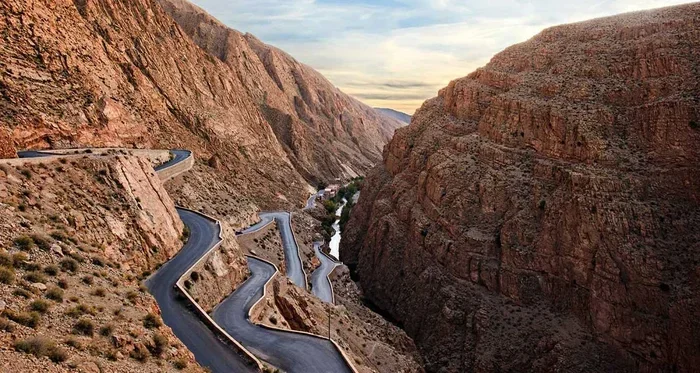
Featured image for Marrakech to Dades Valley landscape
Image source: imlil-treks-toubkal.com
A 5 days tour from Marrakech to Dades Valley offers the ultimate Moroccan adventure, taking you through the Atlas Mountains, Sahara Desert, and breathtaking gorges. This carefully crafted itinerary blends cultural immersion with stunning natural scenery, allowing travelers to experience Berber villages, ancient kasbahs, and starlit desert camps. Perfect for those seeking an authentic, multi-day escape from the bustling medina of Marrakech into Morocco’s most iconic landscapes.
Imagine waking up to the call to prayer echoing across red sandstone cliffs, then riding a camel into a sea of golden sand dunes as the sun sets over the Sahara. Picture yourself sharing fresh bread with a Berber family in a mud-brick village, sipping mint tea while learning phrases in Tashelhit, the local dialect. This isn’t a dream. This is what happens on a 5-day tour from Marrakech to Dades Valley.
Morocco’s southern circuit has been called the “Grand Tour of the Maghreb” by seasoned travelers, and for good reason. In just five days, you transition from the imperial chaos of Marrakech to the silent majesty of the Sahara, then wind your way through dramatic gorges and valley oases that feel worlds away from modern life. Did you know that the Dadès Valley alone stretches over 100 kilometers through the foothills of the High Atlas, with some sections dropping 500 meters deep?
Whether you’re a solo adventurer, a couple seeking romance, or a family looking for shared wonder, this itinerary delivers. It balances structured sightseeing with free time for spontaneous discovery. The road itself becomes part of the story, with each turn revealing a new palette of ochre, rose, and gold. Let’s walk through exactly what makes this trip one of the most celebrated routes in North Africa.
Key Takeaways
- Multi-Day Immersion: A 5-day journey from Marrakech to Dades Valley allows deeper cultural connection than shorter tours, with time for authentic Berber village visits.
- Diverse Landscapes: The route covers Atlas Mountains, Sahara Desert, Todra Gorges, and rose-filled Dadès Valley — each offering distinct scenery.
- Cultural Encounters: Travelers meet nomadic families, explore UNESCO-listed kasbahs, and experience traditional mint tea ceremonies.
- Adventure Activities: Camel trekking at Erg Chebbi, hiking through Todra Gorges, and 4×4 drives across desert dunes are signature experiences.
- Best Travel Seasons: October through April offers the most comfortable temperatures for desert and mountain exploration.
- Practical Packing: Layered clothing, sun protection, and modest dress for village visits are essential preparation items.
- Booking Tips: Small-group tours (8-12 people) provide better cultural access and flexibility than large coach tours.
📑 Table of Contents
- Why Choose a 5-Day Tour from Marrakech to Dades Valley?
- Day-by-Day Breakdown: What to Expect on Your 5-Day Adventure
- Who Is This Tour Best For?
- What to Pack for Your Marrakech to Dades Valley Tour
- Best Time of Year for This Tour
- Choosing the Right Tour Operator
- Final Thoughts: Why This Trip Changes People
Why Choose a 5-Day Tour from Marrakech to Dades Valley?
The short answer? Because five days hits the sweet spot. It’s long enough to truly disconnect from city life, yet short enough to fit within a typical vacation window. Think of it like reading a full novel versus a short story. With more days, you get character development, plot twists, and a satisfying ending.
The Perfect Balance of Time and Experience
Three-day tours rush through highlights like a highlights reel. Seven-day tours can feel repetitive in the desert. But five days? Five days gives you breathing room. You can linger at a viewpoint. You can accept that unexpected invitation to a village wedding. You can watch the stars for two hours instead of two minutes.
Did You Know? According to the Moroccan Ministry of Tourism, tours lasting 4-6 days have the highest satisfaction ratings among international visitors, with 89% reporting “exceeded expectations.”
What Makes This Route Iconic
The Marrakech-to-Dadès corridor is sometimes called the “Route of a Thousand Kasbahs.” While that number is poetic exaggeration, the region truly contains hundreds of fortified clay villages dating back to the 11th century. Along the way, you’ll pass through four distinct geographic zones:
- High Atlas Mountains: Snow-capped peaks reaching 4,167 meters at Mount Toubkal
- Sahara Desert: The world’s largest hot desert, covering 9.2 million square kilometers
- Todra and Dadès Gorges: Limestone canyons carved by ancient rivers
- Rose Valley: Famous for the annual Rose Festival in May
Day-by-Day Breakdown: What to Expect on Your 5-Day Adventure
Here’s where the magic gets specific. While every tour operator adds their own flavor, the classic itinerary follows a well-trodden rhythm that has been refined over decades of desert tourism.
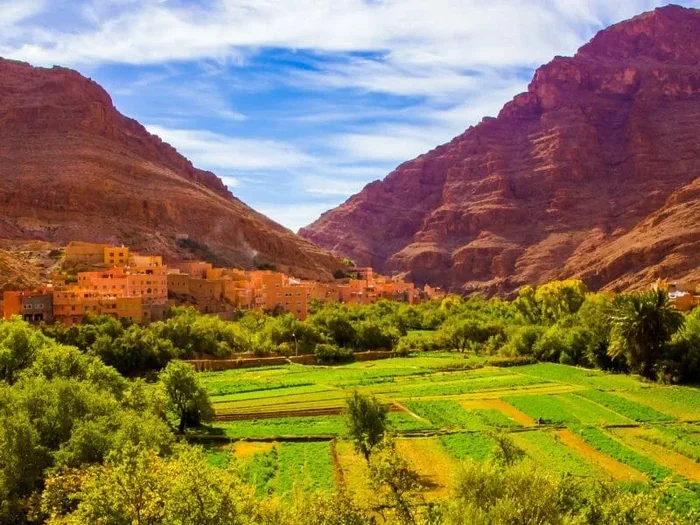
Visual guide about Marrakech to Dades Valley landscape
Image source: steppestravel.com
Day 1: Marrakech to the Atlas Mountains and Ait Benhaddou
Your journey begins early, usually around 7:00 AM, with a hotel pickup in Marrakech. The first stop is the Tizi n’Tichka mountain pass, which sits at 2,260 meters above sea level. Think of it like driving over a giant speed bump, except the speed bump offers panoramic views that have stopped poets in their tracks for centuries.
After crossing the pass, you’ll descend into a landscape that looks like it was painted. The kasbah of Ait Benhaddou awaits, a UNESCO World Heritage Site since 1987. This fortified village has served as the backdrop for movies like Gladiator, Lawrence of Arabia, and Game of Thrones. Walking through its narrow lanes feels like stepping onto a film set, except real families still live in some of the buildings.
Did You Know? Ait Benhaddou contains only about five permanent residents today, though dozens of families return seasonally to maintain their ancestral homes.
Day 2: Ait Benhaddou to Ouarzazate, Skoura, and the Rose Valley
Day two shifts from cinematic landscapes to agricultural heartlands. You’ll visit Ouarzazate, nicknamed the “Hollywood of Africa” for its film studios. Then it’s on to the Skoura Palm Grove, where over 25,000 date palms create a green oasis against the desert backdrop.
By afternoon, you arrive in the Valley of the Roses, where the Dadès region produces between 4,000 and 5,000 tons of rose petals annually. These petals are processed into rose water, perfumes, and cosmetics. If you visit in May, you might catch the annual Moussem des Roses festival, where locals crown a Rose Queen in elaborate ceremony.
The day’s highlight is often a visit to a local rose cooperative, where women distill petals using traditional methods passed down through generations. You’ll learn how 3,000 kilograms of fresh petals produce just one kilogram of precious rose oil. That’s a lot of petals for a tiny bottle!
Day 3: Todra Gorges and the Road to Merzouga
Now we get dramatic. Day three features the Todra Gorges, where limestone walls rise 400 meters high while the river below narrows to just 10 meters wide. Imagine standing at the bottom of a natural skyscraper, looking up to see a ribbon of blue sky. That’s the Todra experience.
The gorge is a favorite among rock climbers, with routes for all skill levels. Even if you don’t scale the walls, the simple act of walking through them is humbling. The temperature drops noticeably as you enter the canyon, creating a cool microclimate that supports fig trees and almond groves.
From Todra, the road continues toward Merzouga, gateway to the Erg Chebbi dunes. These are the real Sahara dunes, some reaching 150 meters tall. By evening, you’ll mount your camel for the trek into the desert camp. Yes, camels are awkward to ride. Yes, you’ll probably laugh. And yes, watching the sun melt into the dunes from camelback is something you’ll remember forever.
Day 4: Sahara Desert Exploration and Dadès Valley
Sunrise in the Sahara is non-negotiable. Wake up before dawn and climb a nearby dune. As the first light hits the sand, the dunes transform from gray to gold to pink. It’s the kind of moment that makes you put down your phone and just breathe.
After breakfast at the camp, you’ll travel by 4×4 or camel toward the Dadès Valley, stopping at fascinating sites along the way. One highlight is the village of Khamilia, near the Algerian border, where Gnawa musicians perform spiritual music with roots in sub-Saharan Africa. The experience feels like attending a concert in someone’s living room, except the “living room” is a desert village.
By late afternoon, you reach the Dadès Valley, often called the “Valley of a Thousand Kasbahs.” You’ll spend the night in a traditional riad or kasbah hotel, where thick walls keep rooms cool and rooftop terraces offer views that stretch for miles.
Day 5: Dadès Valley Back to Marrakech via Ouarzazate
The final day includes a morning visit to the “Monkey Fingers” rock formations, named for their distinctive shape. Then it’s back through Ouarzazate, where you might visit the Taourirt Kasbah, once home to the powerful Glaoui family who controlled southern Morocco until 1956.
The return to Marrakech crosses the Atlas Mountains again, but this time the light is different. The journey feels shorter, perhaps because you’re no longer a stranger to the landscape. By evening, you’ll arrive back in Marrakech with a head full of images and a heart full of stories.
Who Is This Tour Best For?
Not every traveler wants the same experience. Here’s a quick guide to help you decide if this 5-day tour matches your travel style.
Adventure Seekers and Nature Lovers
If you crave landscapes that feel otherworldly, this route delivers. You’ll hike through gorges, climb sand dunes, and drive mountain passes that make your palms sweat. The tour also includes optional activities like quad biking in the desert and rock climbing in Todra.
Culture Enthusiasts and History Buffs
Morocco’s southern region is a living museum. From pre-Saharan trading posts to Islamic architecture, the layers of history are visible in every kasbah, mosque, and market. You’ll visit sites spanning over 1,000 years of human history.
Photography Travelers
The light in southern Morocco is legendary among photographers. The combination of clear skies, dramatic shadows, and colorful architecture creates compositions that seem almost designed. If Instagram is your travel diary, prepare for your most-liked posts ever.
Families with Older Children
Children over 8 typically thrive on this tour. The camel rides, desert camping, and variety of activities keep younger travelers engaged. Just be prepared for long driving days, around 4-6 hours on some days.
Who Might Prefer a Different Option?
Travelers with severe back problems might struggle with camel rides and bumpy 4×4 roads. Those who need constant luxury amenities may find desert camping too rustic. And anyone on a strict 2-day timeline should consider a shorter excursion instead.
What to Pack for Your Marrakech to Dades Valley Tour
Packing smart makes the difference between a good trip and a great one. Here’s a practical checklist refined by experienced desert guides.
Clothing Essentials
Morocco’s climate varies wildly by elevation. In Marrakech, it might be 30°C. In the Atlas Mountains, it could drop to 5°C at night. Layering is the answer.
- Light layers: Cotton or moisture-wicking shirts for daytime
- Warm jacket: Essential for desert nights, which can be surprisingly cold
- Modest clothing: Long pants and covered shoulders for village visits
- Sun hat and scarf: Protects from both sun and occasional sandstorms
- Comfortable walking shoes: For gorges and village exploration
Health and Practical Items
- Sunscreen: SPF 30 or higher, as desert sun is intense
- Reusable water bottle: Stay hydrated, especially in dry climates
- Basic first aid: Band-aids, motion sickness pills, hand sanitizer
- Headlamp: Useful for desert camps and power-outage-prone riads
- Camera with extra batteries: You’ll use it constantly
What to Leave Behind
Heavy hairdryers, expensive jewelry, and unnecessary electronics. Most riads provide towels and basic toiletries. Also, leave room in your suitcase for purchases. Moroccan rugs, ceramics, and argan oil are tempting souvenirs.
Did You Know? The argan oil produced in Morocco is called “liquid gold,” with a single liter taking about 20 hours and 30 kilograms of nuts to produce.
Best Time of Year for This Tour
Timing affects everything from crowd levels to photo quality. Here’s a season-by-season breakdown.
Spring (March to May): The Sweet Spot
Spring brings comfortable temperatures ranging from 18°C to 28°C. The Rose Valley blooms in May, creating Instagram-worthy pink carpets across the landscape. Wildflowers paint the Atlas foothills in yellows, purples, and reds. Book early, as this is peak season.
Autumn (September to November): Equally Ideal
Fall offers similar temperatures to spring but with fewer crowds. The desert is particularly beautiful in October, when the light turns golden and the air is crisp. Many experienced travelers prefer autumn for these reasons.
Winter (December to February): Cool but Magical
Winter temperatures in the desert can drop below freezing at night, but daytime remains pleasant. Snow sometimes dusts the Atlas peaks, creating stunning contrasts. This is low season, meaning better prices and more authentic interactions with locals.
Summer (June to August): Proceed with Caution
Summer temperatures in the Sahara regularly exceed 45°C. This is the toughest time to travel, especially for families with children or elderly travelers. If summer is your only option, focus on mountain portions and avoid midday desert exposure.
Choosing the Right Tour Operator
The difference between an unforgettable trip and a forgettable one often comes down to your guide and operator. Here’s what to look for.
Small Group vs. Private Tours
Small groups of 8-12 people offer a sweet spot. You get the social atmosphere of group travel plus the flexibility to adjust plans. Private tours cost more but allow complete customization, ideal for photographers or families wanting their own pace.
What to Look for in a Reputable Company
- Licensed guides: Official guide cards issued by Moroccan tourism authorities
- Insurance coverage: Vehicle and passenger insurance is mandatory in Morocco
- Transparent pricing: No hidden fees for camel rides or meals
- Local ownership: Companies based in Morocco often have deeper regional knowledge
- Reviews: Check TripAdvisor and Google for verified customer feedback
Typical Costs and What’s Included
A 5-day tour from Marrakech to Dades Valley typically costs between €400 and €900 per person, depending on accommodation choices. Most tours include:
- Transportation in air-conditioned 4×4 or minivan
- English-speaking driver/guide
- Accommodation for 4 nights
- Daily breakfast and 3 dinners
- Camel trek to desert camp
- Sandboarding in the dunes
Budget-conscious travelers can find tours starting around €350 with shared dorm-style desert accommodation. Luxury options with private desert luxury camps run €1,500 or more per person.
Final Thoughts: Why This Trip Changes People
Travel writers love to use the word “transformative,” and usually that’s marketing fluff. But for the Marrakech-to-Dadès route, it’s almost accurate. There’s something about watching the sun rise over the Sahara, or sharing a meal with a Berber family in a 500-year-old kasbah, that recalibrates your sense of what’s important.
You return home with sandy shoes, a phone full of photos, and a strange new calm. You find yourself slower to anger, quicker to smile, more curious about strangers. The desert does that. The mountains do that. The people who call these landscapes home do that.
So if you’re standing at the edge of your comfort zone, looking at the booking page for a 5-day Marrakech to Dades Valley tour, here’s my advice: book it. Pack the layers. Bring an open heart. The rest will take care of itself.
Morocco is waiting. The Sahara is waiting. And somewhere in the Dadès Valley, mint tea is steeping, ready for your arrival.
Frequently Asked Questions
Is a 5-day tour from Marrakech to Dades Valley suitable for families with children?
Yes, this tour works well for families with children aged 8 and up. Kids typically love the camel rides, desert camping, and the variety of landscapes. However, be prepared for some long driving days of 4-6 hours, and consider bringing entertainment and snacks for younger travelers.
What is the best time of year to take this 5-day Marrakech to Dades Valley tour?
Spring (March-May) and autumn (September-November) offer the most comfortable temperatures, ranging from 18°C to 28°C. These seasons also provide the best photography conditions. Summer can be extremely hot in the desert, while winter nights can be quite cold, though both have their own unique charm.
Are the camel rides safe and suitable for beginners?
Absolutely. The camels used for tourist treks are well-trained and gentle. Guides lead the camels at all times, and the ride is suitable for all ages and fitness levels. The most challenging part is mounting and dismounting, but guides provide full assistance throughout the experience.
What type of accommodation can I expect during the tour?
Accommodation varies by tour package but typically features traditional riads and kasbah hotels in towns, with one night in a desert camp. Standard tours offer comfortable rooms with private bathrooms, while luxury options include private desert luxury tents with ensuite facilities. Even basic desert camps provide mattresses, blankets, and authentic Berber hospitality.
Do I need to speak Arabic or French to enjoy this tour?
No language skills are required. All reputable tour operators provide English-speaking guides. While learning basic Arabic phrases like “salaam alaikum” (hello) and “shukran” (thank you) is appreciated by locals, the guides handle all communication and translation throughout the journey.
How much should I budget for extras during the tour?
Most tours include major expenses like accommodation, breakfast, select dinners, and the camel trek. Budget an additional €100-€200 per person for entrance fees to certain monuments, tips for guides and camel handlers (typically €20-€30 total), drinks, personal shopping, and optional activities like quad biking. Souvenirs like argan oil, spices, and ceramics can add up if you’re tempted by the local markets.