
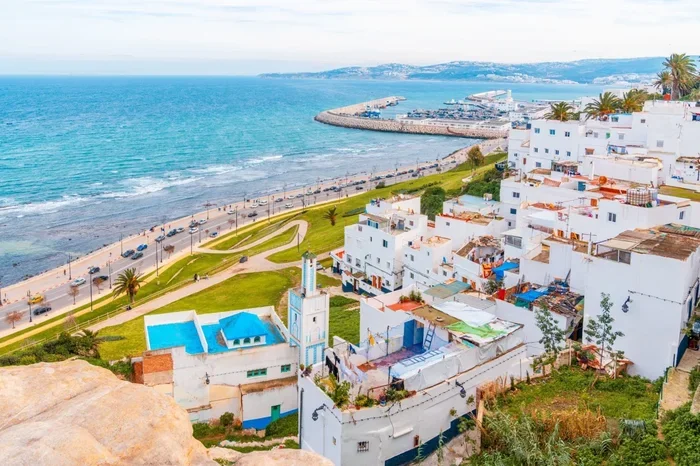
Featured image for Tangier Morocco coastal tour
Image source: revigorate.com
A 15 days tour from Tangier to Asilah offers the ultimate Moroccan adventure, blending imperial cities, Atlantic coastlines, and Sahara desert experiences. This comprehensive journey covers Tangier’s Mediterranean charm, the blue streets of Chefchaouen, ancient Fez, the dunes of Merzouga, and the artistic seaside town of Asilah. Perfect for travelers seeking culture, history, and natural beauty in one unforgettable trip.
Morocco is a land of vivid contrasts, where ancient meditas buzz alongside modern boulevards, where Atlantic waves crash against desert dunes, and where every corner tells a story spanning thousands of years. A 15 days tour from Tangier to Asilah gives you the perfect window to experience all of this magic without feeling rushed.
Think of this journey like reading a great novel. Each chapter reveals something new and exciting. You start in Tangier, a city where Europe and Africa almost touch. Then you wind through blue-painted villages, ancient imperial cities, bustling souks, and finally reach the towering Sahara dunes before ending on the peaceful Atlantic coast in Asilah. Every day brings fresh adventures and discoveries.
Whether you’re a solo traveler, a couple, or a family, this route works beautifully. It balances famous landmarks with hidden gems, structured sightseeing with free exploration time, and physical activities with relaxed cultural immersion. Let’s dive into everything you need to know about this incredible Moroccan adventure.
Key Takeaways
- Complete Coverage: The 15-day tour spans Morocco’s most iconic destinations from north to south and back to the coast.
- Cultural Diversity: Experience a unique mix of Arabic, Berber, Spanish, and French influences throughout the journey.
- Sahara Adventure: Camel trekking and overnight stays in Berber desert camps are key highlights of the itinerary.
- Coastal Beauty: Tangier and Asilah bookend the tour with stunning Atlantic and Mediterranean scenery.
- Imperial Cities: Visit four of Morocco’s imperial capitals: Fez, Meknes, Marrakech, and Rabat.
- Culinary Journey: Savor tagines, couscous, mint tea, and fresh seafood across diverse regions.
- Artisan Crafts: Discover traditional Moroccan handicrafts from pottery to leather goods and woven textiles.
📑 Table of Contents
Why Choose a 15 Days Tour from Tangier to Asilah?
Fifteen days hits the sweet spot for exploring Morocco comprehensively. Shorter tours force you to skip regions, while longer ones can feel exhausting. This duration lets you travel at a comfortable pace while covering the country’s geographic and cultural diversity.
The Perfect Duration for Deep Exploration
Morocco stretches from the Mediterranean Sea to the Sahara Desert, covering varied landscapes that demand time to appreciate. A 15 days tour from Tangier to Asilah allows roughly 2-3 days in each major region, giving you enough time to explore without travel fatigue setting in.
Did You Know? Morocco is just 14 kilometers (8.7 miles) from Spain at the Strait of Gibraltar. On clear days from Tangier, you can actually see the Spanish coastline! This geographical position has made Morocco a cultural crossroads for centuries.
Balanced Itinerary Structure
The route follows a logical geographical flow. You move south from Tangier through the Rif Mountains, then across central Morocco to the Sahara, before returning north to Asilah. This circular path minimizes backtracking and maximizes scenic variety. Each destination complements the last, building a rich picture of Moroccan life.
Day-by-Day Breakdown of the Journey
Here’s what a typical 15 days tour from Tangier to Asilah looks like. Remember, exact itineraries can vary based on your tour operator, but the structure remains similar across most options.
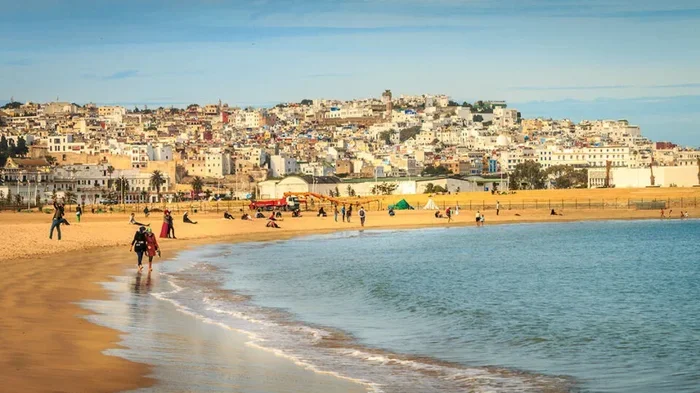
Visual guide about Tangier Morocco coastal tour
Image source: moroccogonow.com
Days 1-2: Exploring Tangier and the Northern Coast
Your adventure begins in Tangier, a port city with a fascinating history as an international zone. Start by wandering the medina’s narrow alleys, visiting the famous Café Hafa for mint tea with ocean views, and exploring the Kasbah Museum. The American Legation, the first American diplomatic property abroad, offers a unique historical perspective.
On day two, consider a visit to the Caves of Hercules, just outside the city. These ancient sea caves feature an opening shaped like the African continent. Capo Spartel, where the Atlantic meets the Mediterranean, provides dramatic photo opportunities and a sense of geographical significance.
Days 3-4: The Blue Pearl of Chefchaouen
From Tangier, travel southeast to Chefchaouen, nestled in the Rif Mountains. This town is famous for its blue-washed buildings, creating a dreamlike atmosphere perfect for photography. Spend two full days exploring the medina, hiking to the Spanish Mosque for sunset views, and shopping for woven goods unique to this region.
The blue color tradition has several theories behind it. Some say Jewish refugees introduced it in the 1930s as a symbol of the sky and heaven. Others believe it keeps mosquitoes away. Whatever the reason, the effect is undeniably magical and makes Chefchaouen one of Morocco’s most Instagram-worthy destinations.
Days 5-6: Volubilis, Meknes, and Fez
Day five takes you to the Roman ruins of Volubilis, a UNESCO World Heritage Site featuring remarkably preserved mosaics and columns. Imagine you’re walking through a 2,000-year-old city, complete with temples, homes, and public baths. Then continue to Meknes, Morocco’s smallest imperial city, known for its grand gates and the stunning Mausoleum of Moulay Ismail.
Days six and seven immerse you in Fez, Morocco’s cultural and spiritual capital. The medieval medina of Fez el-Bali is a labyrinth of over 9,000 alleys. You’ll likely get lost, and that’s part of the fun! Key sites include the Al-Qarawiyyin University (founded in 859 AD, often cited as the world’s oldest university), the tanneries, and the intricate Bou Inania madrasa.
Travel Tip: Hire a local guide for Fez. The medina is so complex that even Google Maps struggles. A guide helps you navigate and provides cultural context you won’t get otherwise.
Days 7-8: Middle Atlas Mountains
Leaving Fez, the route crosses the Middle Atlas Mountains through cedar forests home to Barbary macaques. Ifrane, nicknamed “Morocco’s Switzerland,” charms visitors with its alpine-style architecture and clean streets. The nearby Azrou cedar forest offers chances to see wild monkeys and photograph ancient trees.
The Middle Atlas region showcases a different side of Morocco. Where the coast feels Mediterranean and the cities feel Islamic, the mountains feel almost European. Temperatures drop here, so pack layers even in summer.
Days 9-10: Sahara Desert Adventure in Merzouga
This is often the tour’s highlight. Travel south to Merzouga, where the Erg Chebbi dunes rise up to 150 meters high. The journey itself is spectacular, passing through date palm oases, fossil-rich areas, and traditional Berber villages.
Your desert experience typically includes a camel trek into the dunes at sunset, overnight camping in a traditional Berber tent, and sunrise views the next morning. The Sahara is like an ocean of golden sand. Standing on a dune, with absolute silence except the wind, feels profoundly moving for most visitors.
Did You Know? The Sahara Desert covers approximately 9.2 million square kilometers, making it the largest hot desert in the world. Despite its harsh conditions, it supports diverse life including the endangered Saharan cheetah and various desert-adapted plants.
Days 11-12: Todra Gorge and Dades Valley
After the desert, the route returns west through dramatic landscapes. Todra Gorge features 400-meter-high canyon walls that climbers worldwide visit. The Dades Valley, known for its “monkey fingers” rock formations and kasbahs, offers excellent hiking and photography opportunities.
This region showcases Morocco’s geological diversity. The transition from Saharan sands to rose-colored canyons happens within just a few hours of driving, illustrating how compact and varied this country truly is.
Days 13-14: Ouarzazate, Ait Ben Haddou, and Marrakech
Day thirteen brings you to Ouarzazate, the “Gateway to the Sahara.” The Atlas Film Studios here have hosted productions from Gladiator to Game of Thrones. Just outside town, the UNESCO-listed Ait Ben Haddou kasbah stands as one of Morocco’s most photographed sites.
Cross the High Atlas Mountains via the spectacular Tizi n’Tichka pass, reaching Marrakech by day fourteen. The “Red City” overwhelms with sensory input: snake charmers in Jemaa el-Fnaa square, vibrant souks, stunning palaces like Bahia Palace, and the iconic Koutoubia Mosque minaret.
Travel Tip: In Marrakech, visit the Majorelle Garden early morning or late afternoon to avoid crowds and heat. The electric blue structures create an oasis of calm amid the city’s chaos.
Day 15: Rabat and Asilah
Your final day takes you north along the Atlantic coast. Rabat, Morocco’s capital, offers the Hassan Tower, the Kasbah of the Udayas, and the impressive Mohammed VI Mausoleum. Then continue to Asilah, your endpoint, where colorful murals adorn the whitewashed medina walls.
Asilah is the perfect conclusion. It’s small, relaxed, and artistic. The annual International Cultural Festival transforms the town each August. Even outside festival time, Asilah’s blend of Portuguese, Spanish, and Moroccan influences makes it a fitting finale to your comprehensive Moroccan adventure.
What Makes This Tour Special?
Beyond the destinations themselves, a 15 days tour from Tangier to Asilah succeeds because of the experiences woven into each day. It’s not just sightseeing; it’s immersive travel.
Authentic Cultural Encounters
Throughout your journey, you’ll share mint tea with Berber families, learn traditional cooking methods, hear live Gnawa music, and understand Islamic architecture beyond surface-level appreciation. These moments turn a vacation into a life-changing experience.
Did You Know? Morocco has two official languages: Arabic and Amazigh (Berber). French is widely spoken as a legacy of French colonial rule. Learning a few basic Arabic or French phrases earns warm smiles from locals.
Diverse Accommodation Experiences
The tour typically includes various accommodation styles: traditional riads (historic mansions with interior gardens), kasbahs-turned-hotels, Berber desert camps, and modern hotels. Each provides different insights into Moroccan hospitality traditions. Desert camping under millions of stars often becomes a defining memory.
Balanced Physical Activity
While the tour includes camel rides and optional hiking, it remains accessible to most fitness levels. Days balance active exploration with relaxed cultural immersion, preventing burnout while keeping things engaging.
Best Time to Take This Tour
Timing affects your experience significantly. Morocco’s climate varies by region, so the “best time” depends on what you prioritize.
Spring (March-May): The Ideal Season
Spring offers moderate temperatures across all regions. Wildflowers bloom in the Atlas Mountains, desert temperatures stay comfortable, and coastal areas enjoy pleasant weather without summer crowds. This is peak season for good reason.
Autumn (September-November): Another Excellent Option
Autumn mirrors spring’s advantages. Summer heat dissipates, and the harvest season brings fresh produce to local kitchens. Early autumn crowds thin after European summer holidays end.
Winter and Summer Considerations
Winter brings snow to the Atlas Mountains and chilly desert nights but pleasant daytime temperatures. Summer can be brutally hot, especially in the Sahara and Marrakech, though coastal regions remain comfortable.
Practical Tips for Your 15 Days Tour from Tangier to Asilah
Preparation makes the difference between a good trip and a great one. These tips help you maximize enjoyment while minimizing stress.
What to Pack
Pack layers because temperatures vary dramatically between regions and times of day. Include modest clothing for religious sites (shoulders and knees covered), comfortable walking shoes, a scarf or shemagh for sun protection and desert winds, sunscreen, sunglasses, and a basic first-aid kit.
Money Matters
Morocco uses the Moroccan Dirham (MAD). While cards work in cities and large establishments, cash remains king in smaller towns and markets. ATMs are widely available in cities. Budget roughly 200-300 MAD daily for meals, drinks, and tips beyond your tour package.
Health and Safety
Tap water isn’t recommended for visitors. Stick to bottled water, which is cheap and everywhere. Petty crime exists in cities, so keep valuables secure. Travel insurance covering medical evacuation provides peace of mind, especially given the remote desert sections.
Photography Etiquette
Always ask permission before photographing people, especially in rural areas and the desert. Some Berber communities request small fees for photos. Respect signs at religious sites, where photography may be restricted.
Conclusion: Your Moroccan Adventure Awaits
A 15 days tour from Tangier to Asilah represents the ideal way to experience Morocco’s incredible diversity. From Tangier’s international flair to Chefchaouen’s dreamy blues, from Fez’s medieval labyrinth to Merzouga’s golden dunes, and from Marrakech’s vibrant chaos to Asilah’s artistic calm, this journey captures Morocco’s essence.
You’ll return home with more than photos. You’ll carry stories of mint tea shared with strangers, the profound silence of the Sahara, the riot of colors in Marrakech’s souks, and the warmth of Moroccan hospitality. These memories last far longer than any souvenir.
Whether you’re a first-time visitor to Morocco or returning for a deeper exploration, this 15-day route delivers a perfect balance of must-see highlights and authentic experiences. Start planning, pack your bags, and prepare for the adventure of a lifetime.
Frequently Asked Questions
What is included in a typical 15 days tour from Tangier to Asilah?
Most tours include accommodation, transportation in air-conditioned vehicles, an English-speaking driver/guide, breakfast daily, some dinners, camel trekking in the Sahara, and desert camping. Entry fees to monuments are sometimes included but not always, so confirm details before booking.
Is 15 days enough time to see Morocco?
Yes, 15 days is excellent for covering Morocco’s main highlights comfortably. You’ll experience diverse landscapes from mountains to desert, visit multiple imperial cities, and have enough time at each stop to absorb the culture without feeling rushed.
What is the best month for this tour?
March, April, September, and October offer the best weather across Morocco’s varied regions. Temperatures stay moderate in both desert and mountain areas, making sightseeing comfortable. These months also avoid the extreme summer heat and winter mountain snow.
Is the Sahara desert tour suitable for families with children?
Absolutely! Children often love the camel rides and desert camping experience. Most tour operators accommodate families, and the Sahara portion can be adjusted based on children’s ages and stamina. The camel treks are typically short and manageable for most kids over five.
Do I need a visa for Morocco?
Citizens of many countries including the US, UK, EU nations, Canada, and Australia can enter Morocco visa-free for stays up to 90 days. Always check current requirements with your local Moroccan consulate before traveling, as regulations can change.
What should I wear on a Morocco tour?
Pack modest, comfortable clothing suitable for both warm days and cool evenings. Lightweight long sleeves and pants protect from sun and respect local customs at religious sites. Include a light jacket for desert nights and mountain areas. Comfortable walking shoes are essential for medina exploration.