
Featured image for Marrakech Sahara camel caravan
Image source: thumbs.dreamstime.com
A 13 day tour from Marrakech to Sahara Desert offers the most complete way to experience Morocco’s diverse landscapes, from imperial cities and Atlas Mountains to the towering dunes of Erg Chebbi. This extended journey allows travelers to venture deeper into the south, discover Berber villages, explore UNESCO sites, and immerse themselves in Saharan culture. Perfect for adventure seekers and culture lovers, this tour combines comfort, authentic experiences, and breathtaking scenery across two weeks.
Key Takeaways
- Comprehensive Route: A 13 day tour from Marrakech to Sahara Desert covers imperial cities, mountain passes, desert oases, and Atlantic coast highlights.
- Diverse Landscapes: Travelers experience the Atlas Mountains, Draa Valley, Todra Gorges, and the iconic Erg Chebbi dunes.
- Cultural Immersion: The tour includes visits to Berber villages, ancient kasbahs, and UNESCO World Heritage Sites like Ait Benhaddou.
- Adventure Activities: Camel trekking, 4×4 desert excursions, and overnight camping under the Saharan stars are signature experiences.
- Best Travel Seasons: Spring (March-May) and autumn (September-November) offer the most comfortable weather for desert exploration.
- Group vs Private: Both options exist, with private tours offering flexibility and group tours providing affordability and social atmosphere.
- Physical Preparation: Moderate fitness is recommended, especially for camel rides and walking through gorges and medinas.
📑 Table of Contents
- Why Choose a 13 Day Tour from Marrakech to Sahara Desert?
- The Ultimate 13 Day Marrakech to Sahara Itinerary
- What Makes This Tour Special Compared to Shorter Options?
- Who Is This Tour Designed For?
- When Is the Best Time to Take This Tour?
- How to Prepare for Your 13 Day Tour
- Final Thoughts on Your Moroccan Adventure
Why Choose a 13 Day Tour from Marrakech to Sahara Desert?
Morocco is a country that feels like several countries in one. In a single day, you can stand beside snow-capped mountains, wander through ancient medinas, and watch the sun melt over golden desert sands. The 13 day tour from Marrakech to Sahara Desert is designed for travelers who want to experience all of this without rushing.
Think of this journey like reading a long, beautiful novel. A quick weekend trip gives you the first chapter. But a 13 day tour gives you the entire story, with time to understand the characters, absorb the setting, and appreciate every plot twist along the way. You’ll cross mountain passes, sleep under stars, share tea with nomads, and explore cities that have welcomed travelers for nearly a thousand years.
Did You Know? Morocco welcomed a record 14.5 million tourists in 2023, with desert tours from Marrakech being among the top three requested experiences according to the Moroccan Ministry of Tourism. The Sahara Desert alone draws visitors from over 60 countries each year.
The longer duration also means deeper exploration. Instead of driving eight hours between sights, you’ll take scenic routes through valleys and oases. You’ll have time to climb dunes at sunrise, learn a few Berber words, and taste regional dishes that most short-trip visitors never get to try.
The Ultimate 13 Day Marrakech to Sahara Itinerary
A well-planned 13 day tour from Marrakech to Sahara Desert follows a logical geographic path. You start in the imperial city of Marrakech, cross the High Atlas Mountains, travel through the desert, loop along ancient caravan routes, and return through a different landscape. Here’s how the magic unfolds.
Visual guide about Marrakech Sahara camel caravan
Image source: cdn.britannica.com
Days 1-2: Exploring Imperial Marrakech
Your adventure begins in Marrakech, often called the “Red City” because of its pink sandstone walls. The medina is a UNESCO World Heritage Site and feels like stepping into a living museum. You’ll explore Jemaa el-Fnaa square, where snake charmers, storytellers, and food vendors have gathered for centuries.
Pro tip: Visit the Majorelle Garden early in the morning to avoid crowds. This two-acre botanical garden was restored by fashion designer Yves Saint Laurent and features stunning cobalt blue structures amid exotic plants.
Day two is dedicated to the city’s cultural treasures. The Bahia Palace shows what Moroccan royalty called home in the 19th century. The Saadian Tombs reveal intricate tilework from the 1500s. And the Koutoubia Mosque, with its 77-meter minaret, has been Marrakech’s landmark since 1162.
Days 3-4: Crossing the Atlas Mountains to Ait Benhaddou
On day three, you leave the city behind and drive into the High Atlas Mountains via the Tizi n’Tichka pass, which rises to 2,260 meters. The road winds through Berber villages where life has changed little in centuries. Children wave at passing vehicles, and women wash clothes in streams that have flowed since Roman times.
The crown jewel of this leg is Ait Benhaddou, a fortified village (ksar) that has served as a backdrop for films like Gladiator, Lawrence of Arabia, and Game of Thrones. Walking through its narrow alleys feels like traveling back to medieval times. You’ll spend the night in nearby Ouarzazate, known as the “Gateway to the Sahara.”
Did You Know? Ait Benhaddou is one of only nine UNESCO World Heritage Sites in Morocco, and the surrounding region has hosted more than 100 major film productions since the 1960s.
Days 5-6: Todra Gorges and the Road to the Dunes
After Ouarzazate, you travel through the Valley of Roses, where locals produce rose water used in perfumes worldwide. The journey continues to Todra Gorges, where canyon walls rise 400 meters high and are only 20 meters apart at their narrowest point. Rock climbers from around the world come here to test their skills.
By day six, the landscape transforms completely. Palm groves appear, and the air grows drier. You’re entering the pre-Saharan region. The town of Erfoud is famous for its date festivals and fossil workshops. From here, it’s a short drive to Merzouga, the village that sits beside the magnificent Erg Chebbi dunes.
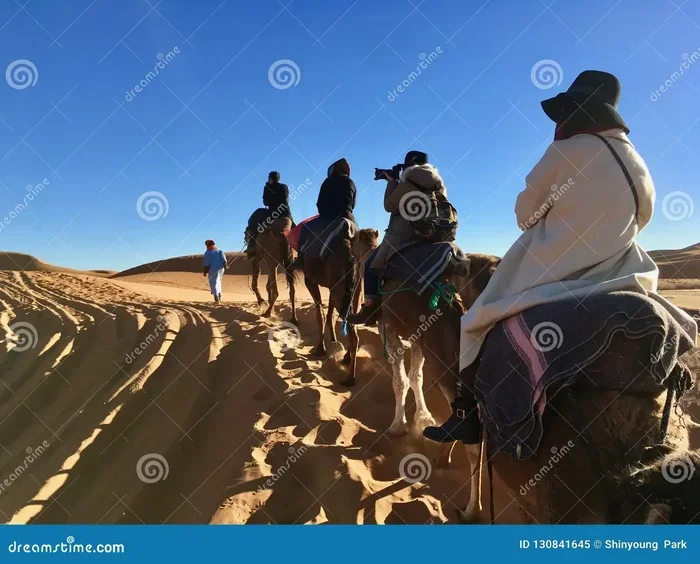
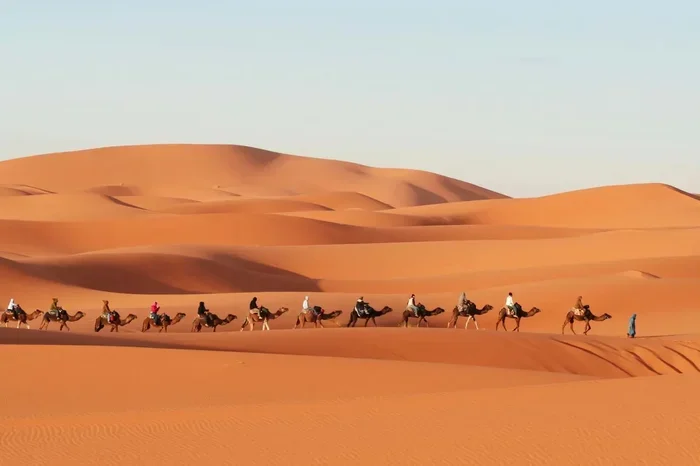
Imagine standing at the base of a sand dune that rises 150 meters high. That’s Erg Chebbi, and it’s where your desert dreams become reality. You’ll mount a camel just as caravans have done for thousands of years, and as the sun sets, you’ll watch the dunes turn from gold to orange to deep red.
Days 7-8: Sahara Desert Immersion
The 13 day tour from Marrakech to Sahara Desert includes at least two full days in the Sahara because rushing this experience would be a crime. On day seven, you’ll trek deeper into the dunes on camels or 4×4 vehicles, visit nomadic families, and learn how desert people survive in one of Earth’s harshest environments.
Evenings in the desert are unforgettable. A traditional Berber camp awaits, with tents made of camel hair and carpets laid out under the stars. Dinner features tagine (a slow-cooked stew), fresh bread, and mint tea. After dinner, Berber musicians play drums around a campfire, and the Milky Way stretches across the sky with startling clarity.
Did You Know? The Sahara Desert covers 9.2 million square kilometers across 11 countries, making it the largest hot desert on Earth. Yet only about 15% of it is sand; the rest is rocky plains and mountains.
Day eight offers optional activities. Some travelers wake before dawn to climb a dune and watch the sunrise. Others prefer sleeping in and exploring the oasis town of Merzouga, where you can swim in a hotel pool and contrast desert heat with refreshing water.
Days 9-10: Draa Valley and Skoura Oasis
Leaving the desert behind feels bittersweet, but the journey home offers new wonders. The Draa Valley is Morocco’s longest river valley, lined with millions of palm trees that create a green ribbon through the arid landscape. You’ll pass through Agdz and visit traditional kasbahs that once guarded valuable trade goods.
The Skoura Oasis is a photographer’s paradise. Its palm grove contains dozens of ancient kasbahs, some still inhabited and others slowly being reclaimed by sand. You might meet artisans making pottery, weaving carpets, or forging metal tools using techniques passed down through generations.
Think of the Draa Valley as Morocco’s version of the Nile, but without the crowds. It’s intimate, authentic, and refreshingly quiet after the bustle of Marrakech.
Days 11-12: Essaouira on the Atlantic Coast
The final major stop on your 13 day tour from Marrakech to Sahara Desert is often the charming port city of Essaouira. This Atlantic coastal town has a completely different vibe from the inland cities. The wind blows constantly here, making it a favorite spot for windsurfers and kiteboarders.
The medina of Essaouira is more relaxed than Marrakech’s. Whitewashed buildings with blue trim give it a Greek island feel. The ramparts date back to the 18th century when the Portuguese, French, and Spanish all tried to control this strategic port. Today, artists and musicians have made Essaouira their home, and the annual Gnaoua World Music Festival draws thousands.
Fresh seafood is the highlight here. Grilled sardines, oysters, and sea bream are caught that day and served simply with lemon and herbs. You can watch fishermen unload their catches at the port, then dine just meters away.
Day 13: Return to Marrakech
The final day takes you back to Marrakech via the interior road, passing through Haouz plains and small Berber villages. You’ll arrive with two weeks of memories, hundreds of photos, and stories to tell for years. Most tours end with a farewell dinner at a traditional riad, where you can reflect on the journey with fellow travelers.
What Makes This Tour Special Compared to Shorter Options?
You might wonder whether a 7-day tour would be enough. While shorter tours exist, the 13 day tour from Marrakech to Sahara Desert offers three major advantages that transform a vacation into a life-changing experience.
Depth Over Speed
With 13 days, you can spend quality time in each location. Instead of photographing a kasbah from the bus window, you walk through it. Instead of driving past a Berber village, you stop for tea. The pace is humane, and that’s what allows real cultural exchange to happen.
Scenic Detours Become Possible
Longer tours take routes shorter ones skip. The Draa Valley, the Valley of Roses, and the Anti-Atlas foothills are usually only included on tours of 10 days or more. These detours often become favorite memories for travelers.
Rest Days Prevent Burnout
Travel fatigue is real. A 13 day itinerary typically includes one or two lighter days where you can relax at a hotel pool, explore independently, or simply rest. This prevents the exhaustion that often comes with intensive touring.
Did You Know? According to a 2023 travel survey by Booking.com, 78% of travelers aged 35-54 prefer tours lasting 10 days or longer because they offer better value and deeper cultural immersion.
Who Is This Tour Designed For?
The 13 day tour from Marrakech to Sahara Desert attracts a diverse range of travelers. Understanding who it’s ideal for helps you decide if it’s right for you.
Adventure and Culture Enthusiasts
If you love history, architecture, photography, and outdoor activities, this tour checks every box. You’ll visit medieval medinas, ancient kasbahs, dramatic gorges, and endless dunes. Adventure activities like camel trekking, hiking, and 4×4 desert drives are included or available as add-ons.
Slow Travel Advocates
Tourists who prefer meaningful experiences over ticking off landmarks will appreciate this itinerary’s pace. You’ll have time to journal, sketch, or simply sit and absorb your surroundings. Many travelers describe the desert portion as transformative, and that requires unhurried time.
Couples and Small Groups
This tour works beautifully for honeymooners, friend groups, and families with older children. The romantic desert sunsets, starlit nights, and shared adventures create lasting bonds. Private tours can be customized to include special touches like anniversary dinners or photography sessions.
Solo Travelers Seeking Community
Joining a group tour is one of the best ways for solo travelers to explore Morocco safely. Most group tours welcome solo participants, and shared experiences around the campfire create friendships quickly. Many travelers report meeting their best travel companions on tours like this.
When Is the Best Time to Take This Tour?
Timing matters significantly for desert tours. Morocco has distinct seasons, and each affects your experience differently.
Spring (March to May)
Spring is widely considered the best time for a 13 day tour from Marrakech to Sahara Desert. Temperatures are mild (20-28°C in the desert), wildflowers bloom in the Atlas Mountains, and skies are clear. This is also when the rose harvest happens in the Valley of Roses.
Autumn (September to November)
Autumn offers similar benefits to spring. The summer heat breaks, and daytime temperatures become comfortable. October is particularly popular because it coincides with the dates of the Erfoud Date Festival in some years.
Winter (December to February)
Winter brings cooler temperatures, with nights in the desert dropping below freezing. Snow sometimes covers the Atlas passes, which are stunning but occasionally closed. This season offers lower prices and fewer crowds, making it attractive for budget travelers.
Summer (June to August)
Summer is the most challenging time. Desert temperatures can exceed 45°C during the day. While tours still operate, most operators start desert activities very early in the morning and end them by late afternoon. This season is best avoided unless you tolerate heat well.
Pro tip: Book at least three months in advance if traveling in spring or autumn, as these are peak seasons and quality tours sell out quickly.
How to Prepare for Your 13 Day Tour
Good preparation makes the difference between a stressful trip and a smooth adventure. Here’s what experienced travelers recommend.
Packing Essentials
Pack layers rather than heavy items. Desert temperatures swing dramatically from day to night. During the day, lightweight, breathable clothing works best. At night, you’ll want a warm jacket or fleece. A scarf (shemagh) is invaluable for protecting against sun, sand, and cold.
Comfortable walking shoes are essential for medina exploration and gorges hiking. Sandals are useful for the desert. Don’t forget sunscreen, sunglasses, a hat, and a refillable water bottle. A power adapter for Moroccan outlets (Type C and E) is also necessary.
Health and Safety Considerations
No special vaccinations are required for Morocco, but routine immunizations should be current. Bottled water is recommended throughout your tour. A basic first-aid kit with motion sickness pills, pain relievers, and rehydration salts is wise.
Morocco is generally very safe for tourists. Petty crime exists in cities, but violent crime against tourists is uncommon. Tour operators are well-connected and experienced in handling any issues that arise.
Budget and Money Matters
The 13 day tour from Marrakech to Sahara Desert typically costs between $1,200 and $2,500 per person, depending on whether you choose group or private options and the accommodation level. This usually includes transport, accommodation, breakfast, some dinners, and activities. Souvenirs, tips, and entrance fees are typically extra.
Carry some cash in Moroccan dirhams (MAD), especially for smaller vendors and tips. Credit cards are accepted in upscale restaurants and hotels but rarely in medinas or desert camps. ATMs are widely available in cities.
Cultural Etiquette
Morocco is a Muslim country, and respecting local customs enhances your experience. Dress modestly in rural areas, especially for women. Always ask before photographing people. Remove shoes when entering homes or mosques. Use your right hand for eating and greeting.
Tipping is appreciated but not mandatory. A small tip for guides, drivers, and hotel staff goes a long way. Around 10-15% at restaurants is standard if service isn’t included.
Final Thoughts on Your Moroccan Adventure
A 13 day tour from Marrakech to Sahara Desert isn’t just a vacation. It’s an immersion into one of the world’s most fascinating regions. You’ll trace ancient caravan routes, sleep under Saharan stars, navigate medina alleys, and share meals with families whose ancestors have lived here for millennia.
This journey rewards those who come with curiosity and openness. Every village you pass has a story. Every mountain has a name. Every dune shifts with the wind, just as your perspective shifts with each new experience.
Whether you’re a first-time visitor to Morocco or returning for a deeper exploration, the 13-day itinerary offers the perfect balance of adventure, culture, and relaxation. It transforms tourists into travelers, and travelers into storytellers. Book your tour, pack your bags, and prepare for the journey of a lifetime. The Sahara is calling, and it promises memories that will stay with you forever.
Frequently Asked Questions
What is included in a typical 13 day tour from Marrakech to Sahara Desert?
Most tours include accommodation, breakfast, some dinners, transportation in air-conditioned vehicles, English-speaking guides, camel treks, and desert camp stays. Entrance fees to monuments, lunches, drinks, and personal expenses are usually extra.
Is 13 days enough to see both the Sahara and Essaouira?
Yes, 13 days is actually the ideal length for combining inland Morocco, the Sahara, and the Atlantic coast. Shorter tours typically skip either the Draa Valley or Essaouira, but a 13-day itinerary includes both comfortably.
What type of accommodation can I expect on this tour?
Accommodation ranges from traditional riads (Moroccan guesthouses) in cities to comfortable hotels in smaller towns and authentic Berber tent camps in the desert. Private tours often allow upgrades to luxury riads and desert camps.
How physically demanding is the tour?
The tour is moderately active. You’ll walk through medinas, climb dunes, and explore gorges, but most activities are optional. Camel rides are gentle but can be uncomfortable for those with back issues. Average fitness is sufficient for most travelers.
Can I customize a 13 day Marrakech to Sahara tour?
Private tours are fully customizable. You can add hot air balloon rides, cooking classes, yoga sessions, or extra days in specific locations. Group tours follow fixed itineraries but offer some optional add-ons along the way.
What should I wear in the Sahara Desert?
Wear loose, light-colored clothing during the day to reflect heat. Long sleeves and pants protect against sun and sand. Bring a warm jacket for cold desert nights, which can drop below 10°C even in spring and autumn.