
Featured image for Marrakech Dades Valley landscape
Image source: steppestravel.com
A 13 day tour from Marrakech to Dades Valley is the perfect way to experience Morocco’s most breathtaking landscapes and rich cultural heritage in one unforgettable journey. This extended itinerary takes you from the bustling souks of Marrakech through the Atlas Mountains, into the heart of the Sahara Desert, and along the scenic Road of a Thousand Kasbahs to the stunning Dades Valley. You’ll visit imperial cities, ancient medinas, and Berber villages while enjoying authentic cuisine, comfortable riad stays, and guided cultural experiences along the way.
Imagine waking up to the call to prayer echoing across a medieval medina, then spending the same day watching the sun set over golden Sahara dunes. That’s exactly what a 13 day tour from Marrakech to Dades Valley offers. It’s not just a trip. It’s a journey through time, culture, and some of the most stunning landscapes on Earth.
Morocco sits at the crossroads of Africa and Europe, just a short flight from most European cities. Yet it feels like another world entirely. The country has been capturing travelers’ imaginations for centuries, and for good reason. From the snow-capped Atlas Mountains to the rolling waves of the Atlantic coast, from ancient kasbahs to bustling spice markets, Morocco packs more diversity into one country than most continents do.
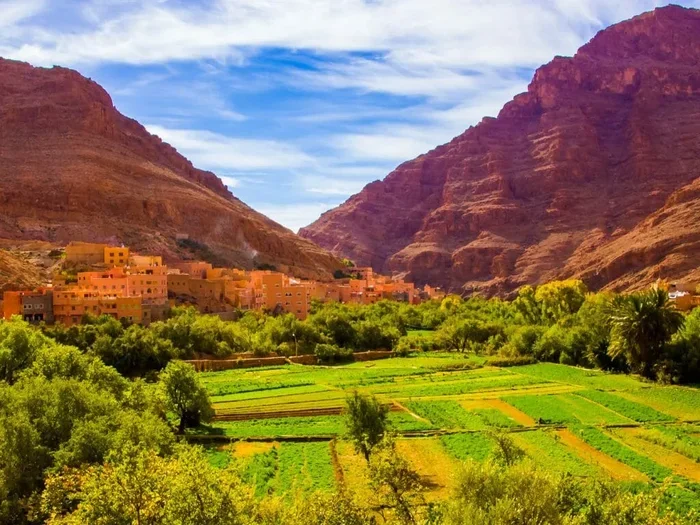
The Dades Valley, often called the “Valley of a Thousand Kasbahs,” sits in the southeastern part of the country. It’s famous for its dramatic red cliffs, lush oases, and traditional Berber culture. Getting there from Marrakech takes time, but that’s the whole point. The journey becomes the destination as you wind through mountain passes, cross palm-fringed valleys, and eventually reach the edge of the Sahara.
Key Takeaways
- Comprehensive Coverage: A 13 day tour allows you to explore Morocco beyond typical tourist routes, including hidden gems in the Atlas Mountains and Draa Valley.
- Sahara Experience: Camel trekking and overnight camping in the Erg Chebbi dunes is a highlight you won’t want to miss.
- Cultural Immersion: The tour includes visits to four imperial cities (Marrakech, Fes, Meknes, Rabat) and authentic Berber villages.
- Scenic Diversity: You’ll witness dramatic landscape changes from coastal areas to mountains, deserts, and lush valleys.
- Practical Duration: Thirteen days provides the ideal pace, balancing exploration with relaxation, without feeling rushed.
- Budget-Friendly Option: Group tours make this extensive journey affordable compared to independent travel.
- Year-Round Availability: These tours operate in all seasons, though spring and autumn offer the most comfortable weather.
📑 Table of Contents
- What Is a 13 Day Tour from Marrakech to Dades Valley?
- Why Choose a 13 Day Tour Instead of Shorter Options?
- The Best Route: Where Does the Journey Take You?
- When Is the Best Time to Book This Tour?
- How Much Does a 13 Day Tour Cost?
- What Should You Pack for the Journey?
- What Makes the Dades Valley Special?
- Tips for Making the Most of Your Tour
- Choosing the Right Tour Operator
- Conclusion: Is This Tour Right for You?
What Is a 13 Day Tour from Marrakech to Dades Valley?
A 13 day tour from Marrakech to Dades Valley is a comprehensive guided journey that covers Morocco’s most iconic destinations over nearly two weeks. Think of it as a carefully curated road trip where someone else handles all the logistics while you focus on soaking in the experience. You sleep in comfortable riads and desert camps, eat authentic Moroccan cuisine, and visit places that range from world-famous landmarks to off-the-beaten-path villages.
Who Is This Tour Designed For?
This tour appeals to a wide range of travelers. Solo adventurers love it because everything is organized, and group tours make it easy to meet like-minded people. Couples find it romantic, especially the desert camping experience under star-filled skies. Families appreciate the educational value and the variety of activities that keep everyone engaged. Even experienced travelers who have visited Morocco before often choose extended tours like this to discover regions they missed on shorter trips.
The pace is moderate. You’re not sprinting from attraction to attraction. Instead, you spend quality time at each location, with built-in rest days and flexible free time. Most tours accommodate between 12 and 16 participants, which is small enough to feel personal yet large enough to be social.
What Does the Itinerary Typically Include?
Standard inclusions cover airport transfers, accommodation throughout, daily breakfast and most dinners, air-conditioned transportation, English-speaking guides, camel trekking in the desert, and entry fees to major monuments. Some tours also include lunches and cooking classes, while optional activities like quad biking or hot air balloon rides can be added for an extra cost.
Exclusions usually involve international flights, travel insurance, alcoholic beverages, personal shopping, and tips for guides and drivers. Lunches are often not included, giving you the flexibility to explore local restaurants independently.
Why Choose a 13 Day Tour Instead of Shorter Options?
You might wonder why you’d need nearly two weeks when you could squeeze the highlights into 7 days. The answer is simple: depth versus breadth. Shorter tours rush through Morocco, giving you a taste but leaving you wanting more. A 13 day tour from Marrakech to Dades Valley lets you truly absorb each region.
Visual guide about Marrakech Dades Valley landscape
Image source: c8.alamy.com
Did You Know? Morocco has four UNESCO World Heritage Sites (Marrakech, Fes, Meknes, and the Ait Ben Haddou ksar), and a 13 day tour is one of the few itinerary lengths that allows you to visit all of them without feeling like you’re on a military march.
The Benefits of Slow Travel
Slow travel is a growing movement that emphasizes meaningful connections over checklist tourism. When you rush through a country, you miss the small moments that make travel magical. A longer tour gives you time to sit in a cafe and watch life unfold, to chat with your guide about local customs, or to wander a medina without worrying about the bus leaving without you.
Think of it like reading a book versus skimming the summary. One tells you what happens. The other makes you feel something. That’s the difference between a 7 day tour and a 13 day tour from Marrakech to Dades Valley.
Better Value for Your Money
Extended tours often work out cheaper per day than shorter ones. That’s because fixed costs like guides, vehicles, and permits get spread across more days. You’ll also avoid the premium pricing that comes with compressed itineraries. When you compare the daily cost of a luxury 13 day tour versus a budget 7 day tour, the longer option frequently offers better accommodations and experiences for similar money.
The Best Route: Where Does the Journey Take You?
Most 13 day tours from Marrakech to Dades Valley follow a circuit that maximizes diversity. The classic route goes south from Marrakech through the Atlas Mountains to the desert, then north through the Draa and Dades Valleys, before reaching Fes, Meknes, and Chefchaouen, and returning to Marrakech via the coast or Rabat.
Day-by-Day Overview
While specific itineraries vary by operator, here’s a typical breakdown:
- Days 1-2: Arrival in Marrakech, guided medina tour, Majorelle Garden, Bahia Palace
- Day 3: Drive through the High Atlas Mountains via the Tizi n’Tichka pass to Ait Ben Haddou
- Day 4: Explore Ouarzazate (Hollywood of Africa) and the Draa Valley, continue to the Sahara
- Days 5-6: Camel trek into Erg Chebbi dunes, overnight in a desert camp, sunrise over the dunes
- Day 7: Travel through Todra Gorge and into the Dades Valley
- Day 8: Explore Dades Valley’s kasbahs and rock formations, drive to Midelt
- Day 9: Cross the Middle Atlas via Ifrane (Morocco’s Switzerland) to Fes
- Days 10-11: Fes guided tour including the world’s oldest university, optional cooking class
- Day 12: Visit Meknes and Volubilis Roman ruins, then head to Chefchaouen
- Day 13: Explore the blue city, return to Casablanca airport or Marrakech
Geographic Highlights You’ll Encounter
The route takes you across multiple climate zones. Marrakech sits on a semi-arid plain. The Atlas Mountains rise to over 4,000 meters, with snow-capped peaks even in spring. The Sahara is, well, the Sahara, an ocean of sand that stretches as far as you can see. The Dades Valley is surprisingly lush, with palm groves fed by underground rivers. Fes sits in the fertile Saiss plain. And Chefchaouen nestles in the Rif Mountains near the Mediterranean coast.
It’s like traveling through five or six different countries in one trip. That’s the magic of Morocco.
When Is the Best Time to Book This Tour?
Morocco is a year-round destination, but timing can affect your experience. The best months are March through May and September through November. These shoulder seasons offer comfortable temperatures, fewer crowds, and lower prices than peak summer months.
Seasonal Breakdown
Spring (March-May) brings wildflowers to the valleys and pleasant daytime temperatures around 20-25°C (68-77°F). This is arguably the most beautiful time to visit the Dades Valley, when almond trees bloom and the landscape turns green.
Summer (June-August) can be brutally hot, especially in the desert and Marrakech. Temperatures regularly exceed 40°C (104°F). However, the Atlas Mountains remain cooler, and coastal areas like Essaouira stay mild. Summer tours are cheaper but require more flexibility and tolerance for heat.
Autumn (September-November) mirrors spring with comfortable weather and harvest season in many regions. The Draa Valley is particularly stunning in autumn, with date palms heavy with fruit.
Winter (December-February) brings snow to the Atlas Mountains and chilly nights in the desert. Daytime temperatures are mild, but nights can drop below freezing in the Sahara. Winter has its own charm, especially for travelers who want to avoid crowds.
Did You Know? Morocco is one of the few countries in the world where you can ski in the morning and camel trek in the Sahara the same day. The ski resort of Oukaïmeden sits just 80 kilometers from Marrakech.
Booking Tips and Lead Times
Peak season tours can fill up 2-3 months in advance, especially for popular dates around Easter and Christmas. Booking 4-6 weeks ahead usually secures good availability and prices. Last-minute bookings are sometimes possible but limit your choice of operators and departure dates.
How Much Does a 13 Day Tour Cost?
Prices vary widely based on accommodation quality, group size, and inclusions. Budget tours start around €700-900 per person, mid-range tours run €1,000-1,500, and luxury options can exceed €2,500. All prices assume shared room occupancy; single supplements typically add 30-50%.
What’s Included and What’s Not
Most tours include airport transfers (often only for the first and last day), 12 nights accommodation, daily breakfast, approximately 6-8 dinners, ground transportation in air-conditioned vehicles, an English-speaking driver/guide, camel trekking, and entry fees to scheduled attractions.
Not included typically are international flights, travel insurance, lunches, alcoholic drinks, personal expenses, optional activities, and tips. Tips are customary in Morocco, and €3-5 per day for your driver is standard.
Hidden Costs to Watch For
Some operators advertise low prices but add fees for “optional” excursions that feel mandatory. Others include activities that turn out to be shopping stops with commission incentives. Read reviews carefully and ask specific questions about what’s genuinely included. Reputable operators are transparent about pricing and don’t pressure participants to buy things.
Also factor in spending money. Souks are irresistible, and you’ll want to budget for souvenirs. A reasonable daily allowance for personal expenses is €30-50, depending on your shopping enthusiasm.
What Should You Pack for the Journey?
Packing for a 13 day tour from Marrakech to Dades Valley requires thinking about multiple climates and activities. You’ll experience desert heat, mountain cold, and everything in between.
Clothing Essentials
Modest clothing is respectful in Morocco, especially when visiting religious sites. Shoulders and knees should be covered. Light, breathable fabrics work best for daytime, while layers are essential for desert nights and mountain mornings. A warm jacket is non-negotiable, even in summer, for evenings in the desert where temperatures can drop 20°C from daytime highs.
Comfortable walking shoes are crucial. You’ll be navigating uneven medina streets, rocky paths, and sand dunes. Sandals are useful for riads and desert camps, but closed-toe shoes are better for hiking.
Gear and Accessories
A headscarf or buff serves multiple purposes, from sun protection to dust shielding during desert winds. Sunglasses with UV protection and high-SPF sunscreen are essential. A small daypack carries water, snacks, and your camera during excursions. A power adapter (Morocco uses Type C and E plugs) keeps devices charged.
Don’t forget a refillable water bottle, basic first aid items, any personal medications, and copies of important documents. Most riads provide towels and basic toiletries, so you can skip those.
What Makes the Dades Valley Special?
The Dades Valley deserves its reputation as one of Morocco’s hidden gems. While Marrakech, Fes, and the Sahara draw most tourists, the Dades Valley remains relatively uncrowded and authentically Berber.
Geography and Landscape
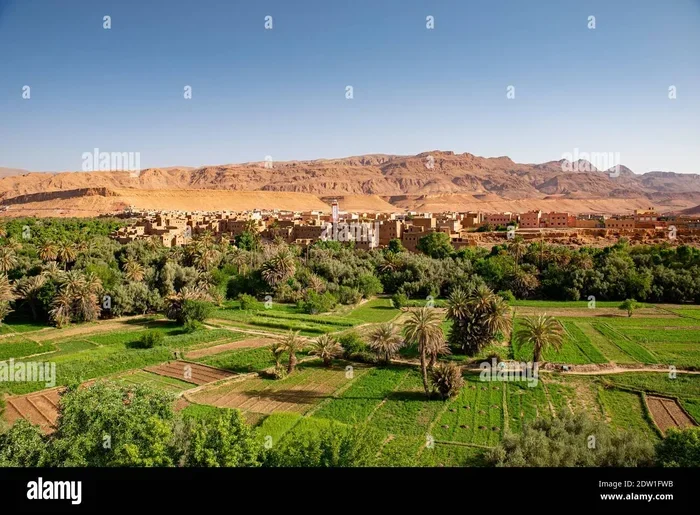
The valley sits between the High Atlas and the Jebel Saghro mountain ranges. The Dades River has carved a dramatic gorge through red limestone, creating a landscape that looks almost Martian. Along the river, lush palm groves support agriculture in an otherwise arid region.
The famous “Monkey Fingers” rock formations are the valley’s most photographed feature. These weathered sandstone pillars twist skyward in surreal shapes that change color throughout the day as the sun moves.
Cultural Significance
The valley is home to traditional Berber communities who have lived here for centuries. Many still speak Tashelhit, a Berber language, and maintain agricultural traditions passed down through generations. Visiting a local kasbah, like the Kaoua Palace, offers insight into rural Moroccan life that coastal cities can’t match.
The valley is also famous for its roses. Every May, the Rose Festival celebrates the harvest of damask roses used in perfumes and cosmetics. The air fills with rose fragrance, and the celebration includes music, dancing, and the election of a Rose Queen.
Tips for Making the Most of Your Tour
After taking this journey myself, I’ve learned a few things that can transform a good trip into a great one.
Embrace the Unexpected
Things don’t always go according to plan in Morocco. Roads might be closed for maintenance, weather might delay flights, or your camel might decide it doesn’t want to walk. Flexibility isn’t just helpful. It’s essential. The best memories often come from unplanned moments.
Connect with Your Guide
Your guide is your window into Moroccan culture. Don’t be shy about asking questions. Most guides love sharing their knowledge, from explaining Islamic architecture to recommending their grandmother’s tagine recipe. The more you engage, the richer your experience becomes.
Try Everything (Within Reason)
Moroccan cuisine is more diverse than most travelers realize. Beyond tagine and couscous, try pastilla (a sweet and savory pie), harira (a hearty soup), and msemen (a flaky bread). In the desert, eat under the stars. In the medinas, follow your nose to street food stalls. Just make sure to peel fruit yourself and drink only bottled water.
Learn Basic Arabic and Berber Phrases
A few words go a long way. “Salaam alaikum” (peace be upon you) opens conversations. “Shukran” (thank you) shows respect. “La shukran” (no thank you) helps with persistent shopkeepers. Even broken attempts at the local language earn smiles and better service.
Choosing the Right Tour Operator
Not all tour operators are equal. The difference between a mediocre and an exceptional experience often comes down to the company you choose.
What to Look For
Look for operators with consistent five-star reviews across multiple platforms. Check that they’re properly licensed and insured. Ask about their guides’ qualifications and language abilities. Reputable companies are happy to provide references and answer detailed questions before booking.
Avoid operators who pressure you with “limited time” offers or who are vague about inclusions. Transparency is a sign of professionalism. If a company won’t provide a detailed itinerary or contract before you pay, walk away.
Red Flags to Avoid
Be wary of prices that seem too good to be true. They usually are. Extremely cheap tours often cut corners on accommodation, skip paid attractions, or pressure participants into shopping commissions. Also avoid operators with no physical address or those who only communicate via WhatsApp without a proper website.
Another warning sign is rigid itineraries with no flexibility. Morocco rewards spontaneous stops and unexpected detours. Good tour operators build in time for these moments.
Conclusion: Is This Tour Right for You?
A 13 day tour from Marrakech to Dades Valley is more than a vacation. It’s an immersion into a culture, a landscape, and a way of life that has endured for millennia. You’ll return home with sand still in your shoes, new friends from around the world, and stories you’ll tell for years.
Is it for everyone? Probably not. If you prefer beach resorts and poolside cocktails, this isn’t your trip. But if you’re curious, adventurous, and open to new experiences, few journeys offer this much variety and depth.
Morocco has a way of capturing hearts. The colors, the sounds, the smells, and the warmth of its people create an experience that stays with you long after you’ve left. The Dades Valley, with its dramatic beauty and authentic culture, represents everything that makes Morocco special.
So pack your sense of adventure, leave your expectations behind, and prepare for the trip of a lifetime. Morocco is waiting, and it’s even more magical than you imagine.
Frequently Asked Questions
What is the best 13 day tour from Marrakech to Dades Valley?
The best tour depends on your budget and travel style. Look for operators with strong reviews, licensed guides, and small group sizes. Many reputable companies offer this route, with mid-range tours around €1,200 providing excellent value including desert camping, riad stays, and all major attractions.
How much does a 13 day tour from Marrakech to Dades Valley cost?
Prices range from €700 for budget tours to over €2,500 for luxury options. Most travelers find mid-range tours between €1,000 and €1,500 offer the best balance of comfort and value. This typically includes accommodation, breakfast, most dinners, transportation, guides, and desert activities.
Is 13 days enough to see Morocco from Marrakech to Dades Valley?
Yes, 13 days is actually an ideal duration for this route. It allows you to visit all major highlights including imperial cities, the Sahara Desert, and the Dades Valley without rushing. Shorter tours feel hurried, while longer ones might include unnecessary repetition.
What should I pack for a 13 day Morocco tour?
Pack layers for varying temperatures, modest clothing for cultural sites, comfortable walking shoes, sunscreen, sunglasses, a headscarf, and a warm jacket for desert nights. Don’t forget a power adapter, reusable water bottle, and any personal medications. Most riads provide towels and basic toiletries.
When is the best time to visit the Dades Valley?
Spring (March-May) and autumn (September-November) offer the best weather for visiting the Dades Valley. Temperatures are comfortable, the landscape is at its most beautiful, and you’ll avoid the extreme heat of summer. The Rose Festival in May is a special highlight.
Is the 13 day tour from Marrakech to Dades Valley safe?
Morocco is generally very safe for tourists, and guided tours add an extra layer of security. Petty crime exists like anywhere, but violent crime against tourists is rare. Follow your guide’s advice, keep valuables secure, and you’ll have a safe and enjoyable experience throughout your 13 day journey.