
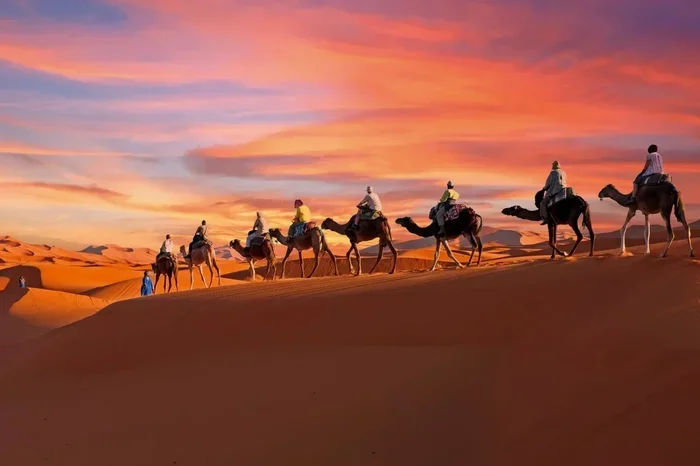
Featured image for Marrakech desert dunes camel sunset
Image source: marrakech-desert-trips.com
The best 7 day tour from Marrakech to Zagora offers travelers a perfect blend of Moroccan culture, desert adventure, and historical exploration. This week-long journey takes you through the Atlas Mountains, UNESCO-listed kasbahs, and the breathtaking Sahara Desert. It’s the ideal itinerary for those who want to experience southern Morocco’s highlights without rushing. From camel trekking over golden dunes to sleeping under star-filled desert skies, this tour promises memories that last a lifetime.
If you’ve ever dreamed of riding a camel across golden desert dunes, exploring ancient mud-brick villages, and watching the sun set over endless sand, then a 7-day tour from Marrakech to Zagora might be your perfect Moroccan adventure. This carefully crafted itinerary has become one of the most popular routes for travelers who want to experience the magic of southern Morocco without committing to a longer expedition.
Think of this tour as a seven-course tasting menu of Morocco’s most spectacular sights. Each day brings something new, from snow-capped mountain passes to palm-fringed oases, from bustling souks to silent desert nights. You’ll travel through landscapes that look like they’ve been painted by an artist, meet warm Berber people who still live much as their ancestors did centuries ago, and create memories that will stay with you forever.
Whether you’re a solo traveler seeking adventure, a couple looking for a romantic getaway, or a family wanting an educational experience, this tour delivers. In this comprehensive guide, we’ll walk you through everything you need to know: what to expect each day, where you’ll stay, what you’ll eat, and how to prepare for the trip of a lifetime.
Key Takeaways
- Perfect Duration: Seven days gives you enough time to explore southern Morocco comfortably without feeling exhausted or rushed.
- Diverse Landscapes: The route covers mountains, valleys, desert dunes, and palm groves, showcasing Morocco’s incredible geographical variety.
- Cultural Immersion: You’ll visit authentic Berber villages and experience traditional nomadic culture along the way.
- Sahara Highlight: Camel trekking and overnight camping in the Zagora desert is the unforgettable centerpiece of the journey.
- UNESCO Sites Included: The tour includes Ait Ben Haddou, a famous UNESCO World Heritage Site used in many Hollywood films.
- Best Season: October through April offers the most comfortable weather for desert travel and outdoor activities.
- Budget-Friendly: Compared to longer expeditions, this tour provides excellent value while covering major southern Morocco attractions.
📑 Table of Contents
- What Is the 7 Day Marrakech to Zagora Tour?
- When Is the Best Time to Take This Tour?
- What Does a Typical 7 Day Itinerary Look Like?
- How Much Does the Tour Cost and What’s Included?
- What Should You Pack for the Tour?
- What Cultural Experiences Await on This Tour?
- Essential Tips for an Amazing Tour Experience
- Why This Tour Offers Unforgettable Value
What Is the 7 Day Marrakech to Zagora Tour?
The 7 day tour from Marrakech to Zagora is a guided adventure that takes travelers through southern Morocco’s most iconic destinations. It combines cultural exploration, natural beauty, and desert adventure into one well-balanced itinerary. Think of it as a road trip through a living museum, where every turn reveals something ancient, beautiful, or surprising.
Who Is This Tour Designed For?
This tour welcomes virtually every type of traveler. It’s perfect for first-time visitors to Morocco who want a comprehensive introduction to the country’s southern region. It’s also ideal for experienced travelers looking to explore beyond the typical tourist routes. Age isn’t a barrier either, as travelers ranging from young backpackers to retirees enjoy the journey every year.
Families with children above six years old typically have wonderful experiences on this tour. The camel rides, starry nights, and castle explorations captivate younger travelers. However, the tour involves some long driving days, so very young children might find it challenging. Solo travelers will find this route particularly social, as group tours create natural opportunities to meet fellow adventurers from around the world.
What Makes Zagora Special?
Zagora is a small desert town that serves as the gateway to the Sahara. It’s famous as the starting point for camel treks into the Erg Chigaga dunes, some of the most stunning sand dunes in Morocco. The town itself has a rugged, frontier-town feel that makes you feel like you’ve truly reached the edge of civilization.
Did You Know? Zagora is famous for its “Timbuktu” sign, a weathered road marker pointing south toward the legendary city in Mali. Though Timbuktu is actually 52 days by camel from Zagora, the sign has become one of the most photographed landmarks in Morocco and a symbol of Saharan adventure.
Where Does the Tour Go?
The tour follows a carefully planned route through southern Morocco’s most spectacular scenery. Starting in Marrakech, you’ll travel through the High Atlas Mountains via the stunning Tizi n’Tichka pass. Then you’ll visit the UNESCO World Heritage Site of Ait Ben Haddou, explore the dramatic Todra Gorges, and journey through the Draa Valley’s palm groves before reaching the desert near Zagora.
The route also includes stops in Ouarzazate, known as the “Hollywood of Africa” for its famous film studios. You’ll pass through Skoura’s beautiful oasis and visit traditional Berber villages along the way. The return journey often includes different stops, ensuring you see varied landscapes both ways.
When Is the Best Time to Take This Tour?
Timing can make or break your desert adventure. The best seasons for a Marrakech to Zagora tour are spring (March to May) and autumn (September to November). During these months, daytime temperatures are pleasant, ranging from 20°C to 28°C (68°F to 82°F), and nights are cool but not uncomfortably cold.
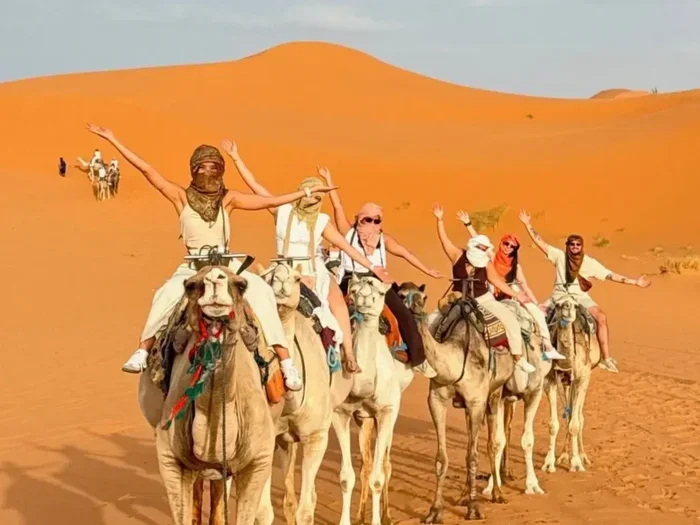
Visual guide about Marrakech desert dunes camel sunset
Image source: exploringmoroccotrips.com
Why Winter Can Be Magical
Winter (December to February) brings colder temperatures, especially at night in the desert, where temperatures can drop to near freezing. However, winter has its own charm. The Atlas Mountains may have snow on their peaks, creating stunning contrast with the desert. Crowds are thinner, prices are lower, and the skies are often crystal clear for stargazing.
If you travel in winter, pack warm layers for desert nights. Many tour operators provide heavy blankets and warm tea in the desert camps, but personal warm clothing is essential. Daytime temperatures still reach comfortable levels, usually between 15°C and 20°C (59°F to 68°F).
Why Summer Is Challenging
Summer (June to August) can be extremely hot, with desert temperatures often exceeding 45°C (113°F). While some budget-conscious travelers choose summer for lower prices, the heat can make long driving days uncomfortable and limit activities during midday hours. Sandstorms are also more common during summer months.
Did You Know? Morocco’s desert can experience temperature swings of up to 30°C (54°F) between day and night. This is why layering your clothing is crucial regardless of when you visit.
What Does a Typical 7 Day Itinerary Look Like?
Understanding your day-by-day journey helps you prepare mentally and practically. While exact itineraries vary by operator, most follow a similar structure that maximizes both adventure and comfort.
Day 1-2: Marrakech to the Atlas Mountains and Ait Ben Haddou
Your adventure begins with an early morning pickup from your Marrakech hotel. The drive crosses the High Atlas Mountains via the Tizi n’Tichka pass, which sits at 2,260 meters (7,415 feet) above sea level. The winding road offers spectacular panoramic views that will have your camera working overtime.
Along the way, you’ll stop at traditional Berber villages where life has remained largely the same for centuries. Women wash clothes in rivers, children tend to goats, and farmers work terraced fields just as their ancestors did. These stops aren’t just photo opportunities; they’re windows into authentic Moroccan rural life.
The highlight of the first two days is Ait Ben Haddou, a stunning ksar (fortified village) that has served as a backdrop for Hollywood films like “Gladiator,” “Lawrence of Arabia,” and “Game of Thrones.” Walking through its narrow alleys feels like stepping back in time. You’ll spend the night in Ouarzazate, often called the “Hollywood of Africa” due to its famous Atlas Film Studios.
Day 3-4: Ouarzazate to Todra Gorges and the Desert
Day three takes you through the “Valley of a Thousand Kasbahs” and into the stunning Todra Gorges. These towering limestone cliffs rise 400 meters (1,312 feet) on either side of a narrow canyon, creating one of Morocco’s most dramatic natural landscapes. Rock climbers from around the world come here, but you don’t need to be a climber to appreciate the sheer beauty.
After exploring the gorges, you’ll continue toward the Sahara. The landscape gradually transforms from rocky mountains to sandy plains. By day four, you’ll arrive in Zagora and begin the camel trek into the desert. Your camel, swaying gently with each step, carries you into the Erg Chigaga dunes as the sun begins its golden descent.
Day 5-7: Desert Adventure and Return to Marrakech
Your desert experience typically includes a night in a traditional Berber camp, where you’ll sleep under the stars (or in comfortable nomad-style tents, depending on your chosen package). The silence of the desert is profound; many travelers describe it as one of the most moving experiences of their lives.
Mornings in the desert are magical. Watching the sunrise paint the dunes in shades of pink, orange, and gold is something no photograph can fully capture. After breakfast, you’ll return by camel to Zagora and begin the journey back to Marrakech, often stopping at different sites than your outbound journey.
The return route typically includes the Draa Valley, Morocco’s longest river valley, dotted with millions of palm trees creating an almost surreal green ribbon through the arid landscape. You might also stop at Agdz, a peaceful town that offers a glimpse of traditional Moroccan life away from tourist crowds.
How Much Does the Tour Cost and What’s Included?
The 7 day Marrakech to Zagora tour offers excellent value, especially compared to the cost of independent travel through the same region. Prices typically range from €400 to €800 per person, depending on the level of comfort and inclusions.
Understanding What’s Included
Most standard packages include accommodation throughout the tour (hotels, riads, and desert camp), transportation in air-conditioned vehicles, breakfast and dinner daily, camel trek, and an English-speaking driver-guide. Some packages also include lunch and entrance fees to attractions.
Think of the tour price as an all-inclusive experience. You pay once, and most of your major expenses are covered. This makes budgeting much easier and eliminates the stress of constantly calculating costs during your trip.
Budget vs. Luxury Options
Budget tours (€400-€500) typically use shared transportation, standard hotels, and basic desert camps with shared bathrooms. Mid-range tours (€500-€700) offer better hotels, smaller group sizes, and upgraded desert camps with private facilities. Luxury tours (€700+) feature riad accommodations, private guides, premium desert camps with en-suite bathrooms, and sometimes even private camel treks.
Did You Know? Private tours can be arranged for small groups or families at higher prices but offer maximum flexibility. You can stop wherever you want, change the pace, and customize the itinerary to your interests.
Hidden Costs to Consider
While most major expenses are covered, budget for tips (€30-€50 total for the driver-guide and camel handlers), drinks, souvenirs, and any optional activities like quad biking in the desert. Lunch is sometimes not included, costing around €5-€10 per meal at local restaurants.
What Should You Pack for the Tour?
Packing wisely makes a huge difference in your comfort and enjoyment. The key principle is to layer your clothing, as temperatures vary dramatically between day and night and between different locations.
Clothing Essentials
Bring lightweight, breathable clothing for daytime, including long-sleeved shirts that protect you from sun and sand. Loose-fitting pants or trousers are ideal for camel riding and modest for village visits. Pack a warm jacket or fleece for desert nights, even in spring and autumn. A scarf or shemagh is incredibly versatile; it protects from sun, sand, and cold, and looks great in photos.
For footwear, comfortable walking shoes or sandals with straps work well. Avoid brand-new shoes that haven’t been broken in. If you plan to hike in the Todra Gorges, bring shoes with good grip.
Health and Comfort Items
Sunscreen with high SPF is essential, as desert sun is intense. Sunglasses protect your eyes from glare and blowing sand. A wide-brimmed hat or cap provides additional sun protection. Don’t forget lip balm, as desert air is very dry.
Pack any personal medications in their original containers, plus a small first-aid kit with basics like band-aids, pain relievers, and rehydration salts. Wet wipes and hand sanitizer are surprisingly useful when facilities are basic. A flashlight or headlamp helps in desert camps at night.
Tech and Documentation
Bring a good camera with extra batteries and memory cards; you’ll take hundreds of photos. A portable charger keeps your phone alive during long days. Don’t forget your passport, tour vouchers, and travel insurance information.
What Cultural Experiences Await on This Tour?
Beyond the stunning landscapes, this tour offers rich cultural experiences that connect you with Morocco’s diverse heritage. Each day provides opportunities to interact with local people and understand their way of life.
Berber Culture Encounters
The Berber people, also known as Amazigh, are Morocco’s indigenous inhabitants and have lived in North Africa for thousands of years. Throughout your tour, you’ll meet Berber families in their homes and villages. Many tours include traditional mint tea ceremonies, where you’ll learn the elaborate ritual of preparing and serving this symbol of hospitality.
Think of these encounters as cultural exchanges rather than tourist shows. You’ll see women weaving carpets using techniques passed down through generations, men working in silver smithies, and families sharing meals in their traditional homes. These moments of genuine connection often become the most cherished memories of the journey.
Music and Storytelling
Evenings in the desert often feature traditional Berber music around campfires. Drums beat hypnotic rhythms while local musicians sing songs that tell stories of love, journey, and the desert. This isn’t performance for tourists; it’s the actual cultural tradition of desert peoples, shared with visitors as honored guests.
Storytelling is another rich tradition. Your guides often share tales of desert life, nomadic routes, and local legends. These stories bring the landscape to life and give you context for what you’re experiencing.
Food as Cultural Connection
Moroccan cuisine is a delicious window into the country’s culture. Tagines (slow-cooked stews named after the cone-shaped clay pots they’re cooked in), couscous with vegetables, and freshly baked bread are staples you’ll enjoy throughout the tour. Each region has its specialties, and meals become opportunities to taste the geographic diversity of Morocco.
Did You Know? Moroccan bread is so culturally significant that it’s said you should never place it upside down or throw it away, as doing so is considered disrespectful to the life it sustains.
Essential Tips for an Amazing Tour Experience
After helping countless travelers prepare for this adventure, we’ve gathered the most valuable tips that can transform a good trip into an unforgettable one.
Choose Your Tour Operator Carefully
Not all tour operators are equal. Research reviews on independent platforms like TripAdvisor, read recent traveler feedback, and don’t just choose the cheapest option. A slightly higher price often means better hotels, more knowledgeable guides, and smaller group sizes. Ask specific questions about vehicle age, hotel categories, and maximum group size before booking.
Reputable operators are transparent about their itineraries and happy to answer detailed questions. They provide clear information about what’s included and what isn’t. If an operator is vague about details or pressures you to book quickly, consider it a red flag.
Embrace the Pace and Flexibility
Things move differently in the desert. Schedules are flexible, meals arrive when they’re ready, and the journey matters as much as the destination. Embracing this relaxed pace actually enhances your experience. Trying to rush through everything would rob you of the magic of slowing down.
However, this doesn’t mean you can’t speak up. If something doesn’t feel right or you need a break, communicate with your guide. Good guides appreciate feedback and want you to enjoy the experience.
Stay Healthy and Hydrated
Drink plenty of water throughout the tour, especially in the desert. Dehydration can sneak up on you, particularly during camel treks and long driving days. Most guides remind the group regularly, but make it a personal priority.
Be cautious with street food, though meals provided by your tour are generally safe. Wash your hands frequently and carry hand sanitizer. If you have a sensitive stomach, consider bringing probiotics and anti-diarrheal medication just in case.
Respect Local Customs
Morocco is a Muslim country with conservative values in rural areas. Dress modestly, especially when visiting villages. Cover your shoulders and knees. Ask permission before photographing people, and never photograph military installations or government buildings.
When visiting homes or religious sites, remove your shoes when appropriate. During Ramadan, avoid eating, drinking, or smoking in public during daylight hours, even if you’re not Muslim. These small gestures of respect open doors to warmer interactions with local people.
Capture Memories Thoughtfully
You’ll want to photograph everything, but also take time to simply experience moments without a camera between you and the scene. The most powerful memories often come from moments you didn’t photograph but felt with all your senses.
Keep your phone charged but also present. The laughter shared with travel companions, the smell of tagine cooking, the feel of warm tea in cold hands, these sensory memories often outlast photographs in importance.
Why This Tour Offers Unforgettable Value
The 7 day tour from Marrakech to Zagora represents something rare in modern travel: an affordable, comprehensive experience that genuinely transforms how you see the world. For less than what many people spend on a weekend city break, you get a week of adventure, cultural immersion, and natural beauty that rivals much more expensive destinations.
Think of this tour as an investment in stories you’ll tell for decades. The night you spent under desert stars, the camel ride at sunset, the mint tea shared with a Berber family, the ancient kasbah where Hollywood films were made; these experiences become part of who you are. They change conversations at dinner parties, inspire future travels, and remind you that our world still holds places of genuine wonder.
Morocco has welcomed travelers for centuries, and this particular route has been refined to showcase the very best of what southern Morocco offers. The infrastructure is well-developed for tourism, the people are welcoming, and the experiences are authentic. Whether you’re marking a special occasion, seeking adventure, or simply wanting to explore beyond your everyday world, this tour delivers on every front.
Your journey through Morocco’s south begins with a single step, or perhaps a single booking. The golden dunes of Zagora, the towering gorges of Todra, the ancient walls of Ait Ben Haddou, and the warm hospitality of Berber people are waiting. All you need to do is decide to go.
Frequently Asked Questions
Is the 7 day Marrakech to Zagora tour suitable for families with children?
Yes, this tour works well for families with children aged six and above. Kids typically love the camel rides, desert camping, and exploring ancient sites. However, be prepared for long driving days and bring entertainment for younger children. Some operators offer family-friendly itineraries with shorter driving distances when possible.
Do I need travel insurance for this tour?
Travel insurance is strongly recommended for any Morocco tour. Your policy should cover medical emergencies, trip cancellation, and evacuation. Some activities like camel trekking may not be covered by standard policies, so check the fine print. Many tour operators require proof of insurance before departure.
What is the camel ride experience actually like?
Camel riding is gentler than many people expect. The animals walk at a steady pace, and while mounting and dismounting can feel awkward, the ride itself is quite comfortable. Each camel typically carries one person, and the ride to the desert camp usually takes 1-2 hours. Your Berber guide leads the camel train and shares information about the desert along the way.
Can I do this tour if I have mobility issues?
This tour involves some walking on uneven surfaces, climbing stairs at kasbahs, and mounting camels, which may be challenging for those with significant mobility issues. However, the pace is generally relaxed, and you can opt out of specific activities like the camel trek if needed, sometimes substituting with 4×4 transfer to the camp. Discuss your specific needs with tour operators before booking.
What happens if there’s bad weather during the tour?
Tour operators monitor weather conditions closely. Heavy rain or sandstorms occasionally affect desert areas, particularly in winter and spring. In such cases, guides adjust the itinerary, perhaps adding extra time in Ouarzazate or skipping certain stops. The camel trek might be substituted with 4×4 transport if conditions are unsafe. Your safety always takes priority over schedule.
Is tipping expected on this tour?
Tipping is customary in Morocco and greatly appreciated. Plan to tip your driver-guide around €20-€30 for the entire tour. Camel handlers and desert camp staff typically receive €5-€10 each. Restaurant staff usually receive small tips of €1-€2 per meal. These tips often make a significant difference in the income of tourism workers.