
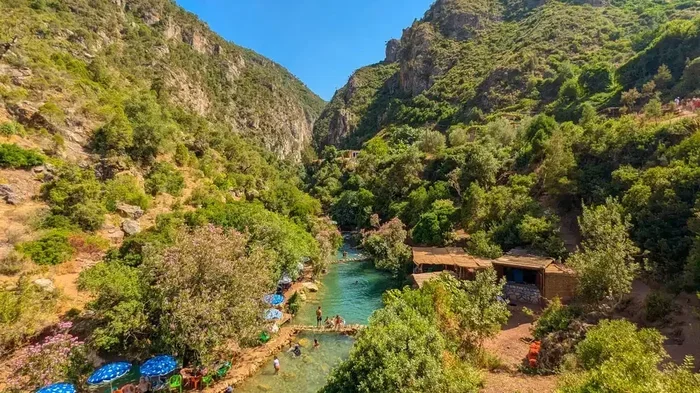
Featured image for Akchour Waterfalls Morocco
Image source: mementomorocco.com
A private day trip from Chefchaouen to Akchour Waterfalls is one of Morocco’s most rewarding excursions, combining scenic mountain drives with a refreshing nature hike. Just 30 kilometers from the famous blue city, the Akchour falls offer emerald pools, lush valleys, and the famous God’s Bridge rock formation. This guide covers everything you need to know — from costs and what to pack to the best times to visit — so you can plan a stress-free, unforgettable day in the Rif Mountains.
Picture this: you wake up in Chefchaouen, that dreamy blue city tucked into Morocco’s Rif Mountains. After breakfast on a rooftop with views of whitewashed walls and blue-painted doors, you hop into a private car. Within an hour, the city noise is gone. You’re suddenly surrounded by green valleys, rocky cliffs, and the sound of rushing water. That’s the magic of a private day trip from Chefchaouen to Akchour Waterfalls — it feels like stepping into a different world, and it’s all doable in a single day.
Whether you’re a nature lover, a casual hiker, or a photographer chasing stunning landscapes, this trip has something for you. The Akchour Waterfalls, hidden inside Talassemtane National Park, are among Morocco’s most beautiful natural attractions. And the best part? Because it’s a private tour, you get to set the pace. You can spend more time at the pools, stop for photos, or even add a visit to a small Berber village along the way.
In this guide, we’ll walk you through everything you need to know. From how to get there and what to expect on the hike, to packing tips and local insights, consider this your complete playbook for the perfect day trip. Let’s dive in!
Key Takeaways
- Distance and Travel Time: Akchour is about 30 km from Chefchaouen, taking roughly 45 minutes to 1 hour by private car.
- Best Time to Visit: Spring (March–May) and autumn (September–October) offer the best water flow and comfortable hiking temperatures.
- Hiking Options: Two main trails — the lower trail to the main waterfall (about 2 hours round trip) and the upper trail to God’s Bridge (an additional 2–3 hours).
- Why Go Private: A private tour offers flexibility, comfort, air-conditioned transport, and a local guide who tailors the experience to your pace.
- Entry Fees: Expect to pay a small entrance fee (around 10–20 MAD) for the park plus optional tips for local guides.
- What to Pack: Comfortable hiking shoes, swimwear, a towel, sunscreen, plenty of water, and a light jacket.
- Cultural Insight: The Talassemtane National Park is home to unique flora and fauna, including the endangered Barbary macaque.
📑 Table of Contents
- What Makes the Akchour Waterfalls So Special?
- Why Choose a Private Day Trip?
- How to Get There: The Journey from Chefchaouen to Akchour
- What to Expect on the Hike
- When Is the Best Time to Visit?
- What to Pack and Practical Tips
- Cost Breakdown: What to Expect
- Frequently Asked Questions
- Final Thoughts: Why This Trip Should Be on Your Morocco Itinerary
What Makes the Akchour Waterfalls So Special?
The Akchour Waterfalls are not your average waterfalls. Tucked away in the heart of Talassemtane National Park, these falls are part of a larger network of cascades, rivers, and natural pools that draw visitors from around the globe. What makes them truly special is the combination of natural beauty and accessibility. You don’t need to be a hardcore hiker to enjoy them — but if you are, there’s a lot more waiting for you beyond the main falls.
Did You Know? Talassemtane National Park covers over 60,000 hectares and is home to the endangered Barbary macaque, one of the few monkey species in Africa found outside of sub-Saharan regions. Spotting one in the wild here is a real treat!
The Lower Falls: The Main Attraction
The lower waterfall, often simply called the “Akchour Falls,” is the most popular spot. After a relatively easy 45-minute walk from the parking area, you’ll arrive at a stunning cascade that drops into a large, natural pool. The water is cool, clear, and incredibly refreshing — especially on a hot Moroccan day. Many visitors swim here, so don’t forget your swimwear.
The trail is mostly flat with some gentle elevation changes, making it suitable for families, casual walkers, and anyone of moderate fitness. The path is well-marked, but having a local guide helps because they can point out hidden spots, local plants, and even the best photo angles.
The Upper Falls and God’s Bridge
For the more adventurous, continuing past the main falls leads you deeper into the park. After another 2–3 hours of hiking, you’ll reach the famous God’s Bridge — a massive natural rock arch that spans the river. The formation is so dramatic that it almost feels otherworldly.
Beyond God’s Bridge, the trail continues to the upper falls, which are taller and more secluded. Very few tourists make it this far, so if you want a truly off-the-beaten-path experience, this is where to go.
Pro Tip: If you want to see both the lower and upper falls in one day, start early. The full hike can take 5–6 hours round trip, so you’ll need the extra time.
Why Choose a Private Day Trip?
You might be wondering: why go private when there are shared group tours available? Great question. The answer comes down to flexibility, comfort, and personalization. Let’s break it down.
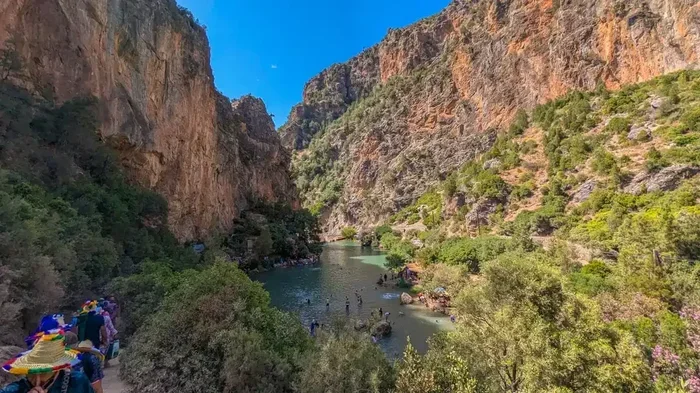
Visual guide about Akchour Waterfalls Morocco
Image source: mementomorocco.com
Flexibility and Pacing
On a group tour, you’re locked into a schedule. The bus leaves at 8 AM, you have 30 minutes at the falls, and you must be back by 4 PM. With a private day trip from Chefchaouen to Akchour Waterfalls, you call the shots. Want to sleep in and leave at 10 AM? No problem. Want to spend three hours swimming at the pools instead of rushing back? You can do that too.
Think of it like the difference between a buffet and a chef’s table. Both will feed you, but one is tailored entirely to your tastes.
Comfort and Convenience
Private tours typically use air-conditioned vehicles with comfortable seating. Your driver picks you up directly from your hotel or riad in Chefchaouen, so you don’t need to walk to a meeting point or share space with strangers. After a long hike, that comfortable ride back feels like a luxury.
Most private tour operators also include a local guide for the hike itself. These guides know the trails inside and out. They can show you shortcuts, point out wildlife, and help you avoid slippery sections on the path. They’re also wonderful storytellers, often sharing Berber folklore and local history along the way.
Customizable Itineraries
Many private tours can be customized. Want to add a stop at a Berber village? Done. Interested in a Moroccan lunch by the river? Easy. Want to visit the famous Spanish Mosque viewpoint in Chefchaouen before or after the hike? Just ask. This kind of flexibility is impossible on a standard group tour.
Did You Know? Morocco welcomed over 14.5 million tourists in 2023, and many of them reported that personalized experiences like private tours were the highlight of their trip.
How to Get There: The Journey from Chefchaouen to Akchour
The journey from Chefchaouen to Akchour is short but incredibly scenic. The distance is only about 30 kilometers, but the winding mountain road feels like a movie scene. Here’s what to expect.
The Drive
From the center of Chefchaouen, you’ll head southeast along a paved road that winds through the Rif Mountains. The drive takes about 45 minutes to 1 hour, depending on traffic and weather. Along the way, you’ll pass:
- Olive groves and small farms — the region is known for its olive oil production.
- Traditional Berber villages perched on hillsides, with red-tiled roofs and stone houses.
- Panoramic viewpoints where you can stop for photos of the surrounding valleys.
The road can be narrow and curvy in places, so if you’re prone to motion sickness, bring some medication just in case. The good news is that a private driver will handle all the tricky parts — you just sit back and enjoy the view.
Arriving at the Park
Once you arrive at the entrance to Talassemtane National Park, you’ll need to pay a small entry fee (usually around 10–20 MAD per person, or roughly $1–$2 USD). From there, you’ll park your vehicle and begin the hike. There are small cafés and shops near the entrance where you can grab water, snacks, or a last-minute coffee.
Pro Tip: Some tours include the entry fee in their price, while others don’t. Always clarify this when booking.
What to Expect on the Hike
Now, let’s talk about the hike itself. This is the heart of your day trip, so it helps to know what you’re getting into.
Trail Difficulty and Duration
The lower trail to the main waterfall is classified as easy to moderate. It covers about 3–4 kilometers one way and is mostly flat with some rocky sections. Most people complete the round trip in 2–2.5 hours, including time for photos and a swim.
The upper trail to God’s Bridge adds another 4–5 kilometers one way and includes some steeper, more challenging sections. If you plan to do both, expect a full 5–6 hour hiking day.
Think of it like this: the lower trail is like a stroll through a park, while the upper trail is more like a light mountain hike. Both are doable for most people, but the upper trail requires a bit more stamina and proper footwear.
What You’ll See Along the Way
The trail winds along the Farda River, with the sound of water as your constant companion. You’ll walk through forests of:
- Cedar and oak trees — the park is famous for its ancient forests.
- Wildflowers in spring, including poppies, lavender, and jasmine.
- Limestone cliffs that tower over the river, creating dramatic scenery.
Keep an eye out for local wildlife. Besides the Barbary macaque, you might spot birds like the Bonelli’s eagle or the Levaillant’s woodpecker. If you’re lucky, you might even see wild boar tracks along the trail.
Swimming in the Pools
If you visit between April and September, the pools are warm enough for a swim. The water is cold but not freezing, and it’s incredibly refreshing after a hike. Many visitors say swimming here is one of the highlights of their entire Morocco trip.
Important: There are no lifeguards on duty, and the rocks can be slippery. Always test the depth before jumping in, and never swim alone.
When Is the Best Time to Visit?
Timing can make or break your experience. Here’s a seasonal breakdown to help you plan.
Spring (March to May)
Spring is arguably the best time to visit. The waterfalls are at their strongest thanks to snowmelt, the wildflowers are in bloom, and the temperatures are mild (usually between 15–25°C or 59–77°F). The trails are also less crowded than in summer.
Summer (June to August)
Summer is the peak tourist season. The weather is hot, with temperatures often reaching 30–35°C (86–95°F). While this is great for swimming, the trails can get crowded, especially on weekends. If you visit in summer, start early to avoid the midday heat.
Autumn (September to November)
Autumn is another excellent time. The crowds thin out, the weather cools down, and the water levels are still decent. The fall foliage adds beautiful colors to the landscape, making it a photographer’s dream.
Winter (December to February)
Winter is the off-season. The waterfalls can be stunning after heavy rains, but the trails can be muddy and slippery. Some tours may not operate during heavy rain, so check ahead. Temperatures can drop to 5–10°C (41–50°F), so pack warm layers.
Did You Know? The Rif Mountains receive more rainfall than any other region in Morocco, which is why the waterfalls here are so reliable year-round compared to other parts of the country.
What to Pack and Practical Tips
Packing smart can make a huge difference. Here’s a practical checklist to ensure you’re prepared.
Essential Items
- Comfortable hiking shoes with good grip — the trails can be rocky and slippery.
- Swimwear and a quick-dry towel if you plan to swim.
- Sun protection — sunscreen, sunglasses, and a hat are must-haves, even in cooler months.
- Plenty of water — at least 2 liters per person. You can refill at the entrance area.
- Snacks or a packed lunch — there are small cafés at the entrance, but options are limited.
- A light jacket or hoodie — temperatures can drop in the late afternoon.
- A small backpack to carry everything hands-free.
- Camera or phone — the views are incredible, and you’ll want to capture them.
Things to Avoid
- Don’t bring plastic bags — Morocco has banned single-use plastics in many natural areas.
- Avoid heavy luggage — this is a day trip, so pack light.
- Don’t forget cash — small shops and entry fees may not accept cards.
Health and Safety Tips
- Stay on marked trails to avoid getting lost.
- Watch your step, especially near the waterfalls where rocks can be slick with moss.
- If you have any medical conditions, inform your guide before the hike.
- Travel insurance is always a good idea, especially for outdoor activities.
Pro Tip: If you’re visiting during Ramadan, be respectful and avoid eating or drinking in public during daylight hours. Your guide can advise you on local customs.
Cost Breakdown: What to Expect
One of the best things about this day trip is that it’s incredibly affordable compared to many other travel experiences. Here’s a rough breakdown of costs.
Private Tour Prices
Private tours from Chefchaouen to Akchour typically cost between 600–1000 MAD per group (around $60–$100 USD) for up to 4 people. This usually includes:
- Hotel pickup and drop-off in Chefchaouen.
- Air-conditioned private vehicle with a driver.
- Local guide for the hike.
- Fuel and parking fees.
Entry fees to the park (10–20 MAD) and tips for your guide and driver (around 100–200 MAD total) are usually extra. Some operators also offer add-ons like lunch or extended hikes for an additional fee.
Is It Worth the Price?
Absolutely. When you consider the convenience, comfort, and personalized experience, a private tour offers excellent value. Plus, splitting the cost among a group of 3–4 people makes it very affordable per person.
Did You Know? Morocco is consistently ranked as one of the most affordable travel destinations in the world, and experiences like this are often a fraction of the cost of similar excursions in Europe or North America.
Frequently Asked Questions
How far is Akchour from Chefchaouen?
Akchour is approximately 30 kilometers southeast of Chefchaouen. The drive takes about 45 minutes to 1 hour, depending on traffic and road conditions. The route is scenic, passing through the Rif Mountains and small Berber villages.
Do I need a guide for the Akchour hike?
While the lower trail is well-marked and can be done independently, a local guide is highly recommended. Guides know the trails, can show you hidden spots, share local history, and help in case of emergencies. For the upper trail to God’s Bridge, a guide is essential.
Is the Akchour hike suitable for children and beginners?
Yes! The lower trail to the main waterfall is suitable for most fitness levels, including children and beginners. It’s mostly flat and can be completed in about 2 hours round trip. The upper trail is more challenging and better suited for older children and experienced hikers.
What should I wear for the hike?
Wear comfortable, breathable clothing and sturdy hiking shoes with good grip. Bring layers, as temperatures can change throughout the day. If you plan to swim, wear your swimwear under your clothes or bring a change. Modest dress is appreciated, especially in rural areas.
Can I swim in the Akchour Waterfalls?
Yes, swimming is allowed and very popular! The natural pools are refreshing and clean. However, there are no lifeguards, so swim at your own risk. Always check the water depth and avoid jumping from high rocks.
What is the best time of year to visit Akchour?
Spring (March–May) and autumn (September–October) are ideal. The weather is mild, the waterfalls are flowing well, and the trails are less crowded. Summer is also popular but can be hot and busy, while winter can be cold and muddy.
Final Thoughts: Why This Trip Should Be on Your Morocco Itinerary
A private day trip from Chefchaouen to Akchour Waterfalls is more than just a hike — it’s a chance to experience the raw, untouched beauty of Morocco’s natural landscape. From the moment you leave the blue streets of Chefchaouen to the moment you dip your toes in the cool mountain water, every second of this trip feels like a reward.
It’s the kind of experience that stays with you long after you’ve returned home. You’ll remember the sound of the water, the smell of cedar forests, the warmth of the Moroccan sun, and the kindness of the local people. Whether you’re traveling solo, as a couple, or with family, this day trip offers something for everyone.
So, if you’re planning a trip to Chefchaouen, don’t just stay in the city. Get out into nature. Book that private tour. Pack your hiking shoes. And get ready for one of the most beautiful days of your entire Moroccan adventure. Trust us — you won’t regret it.