
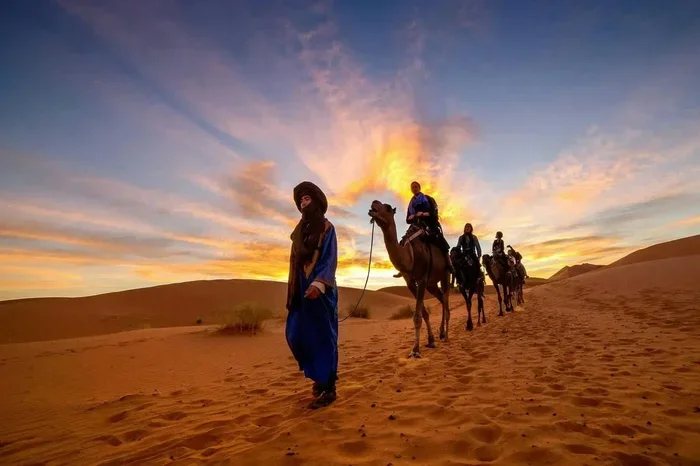
Featured image for Merzouga desert camels sunrise
Image source: touringinmorocco.com
A 7-day excursion from Marrakech to Merzouga is the ultimate way to experience Morocco’s diverse landscapes, from bustling medinas to towering Sahara dunes. This guided journey takes you through the Atlas Mountains, ancient kasbahs, lush oases, and ends with a magical camel trek and overnight stay in a Berber desert camp. Perfect for travelers who want depth, culture, and adventure in one unforgettable trip.
Imagine standing on top of a massive sand dune, the color of fire as the sun sets behind you, with nothing but endless waves of golden sand stretching to the horizon. That’s exactly what awaits you at the end of a 7-day excursion from Marrakech to Merzouga. It’s not just a trip—it’s a journey through the soul of Morocco.
Morocco is a land of contrasts. In just one week, you can go from the chaotic charm of Marrakech’s medina to the peaceful silence of the Sahara. You can cross snow-capped mountains, walk through ancient kasbahs, sip mint tea with Berber families, and sleep under a blanket of stars in the desert. This 7-day route is, without exaggeration, the most complete way to see southern Morocco.
Whether you’re a solo traveler, a couple, or a family, this guide will walk you through everything you need to know. We’ll cover the route, the highlights, what to pack, when to go, and how to make the most of your adventure. Let’s get started!
Key Takeaways
- 7 Days Is the Sweet Spot: One week gives you enough time to cross the Atlas Mountains, explore multiple valleys, and spend quality time in the Sahara without feeling rushed.
- Merzouga Is the Ultimate Destination: Home to the Erg Chebbi dunes—some reaching 150 meters tall—Merzouga offers Morocco’s most iconic desert experience.
- The Route Is Half the Adventure: You’ll pass through Ait Ben Haddou, Ouarzazate, the Draa Valley, and Todra Gorge, each with its own unique charm.
- Camel Trekking Is a Must: Riding a camel into the Sahara at sunset is one of the most photographed experiences in Morocco.
- Mix of Comfort and Authenticity: Expect a blend of riad stays, hotels, and a traditional Berber desert camp with drums, stars, and tagine dinners.
- Best Time to Go: October through April offers pleasant daytime temperatures and cool, starry desert nights.
- Book with a Trusted Operator: Local guides know the terrain, culture, and hidden gems that make the trip truly special.
📑 Table of Contents
- What Is the 7-Day Marrakech to Merzouga Excursion?
- Why Choose a 7-Day Trip Instead of a Shorter One?
- What Are the Must-See Highlights Along the Route?
- When Is the Best Time to Go on This Excursion?
- What Should You Pack for a 7-Day Marrakech to Merzouga Trip?
- How Much Does the 7-Day Excursion Cost and What’s Included?
- What Are the Best Tour Operators for This Route?
- Frequently Asked Questions About the 7-Day Excursion from Marrakech to Merzouga
- Final Thoughts: Is This Trip Worth It?
What Is the 7-Day Marrakech to Merzouga Excursion?
The 7-day excursion from Marrakech to Merzouga is a guided overland adventure that takes travelers across southern Morocco, ending at the famous Erg Chebbi sand dunes near the Algerian border. Think of it as a road trip with a story at every stop.
The Basic Itinerary at a Glance
Here’s a simple breakdown of how the week usually flows:
- Day 1: Marrakech to Ait Ben Haddou via the High Atlas Mountains
- Day 2: Ouarzazate to Todra Gorge through the Valley of a Thousand Kasbahs
- Day 3: Todra Gorge to Merzouga, including a camel trek and desert camp
- Day 4: Explore Merzouga region—nomad visits, Khamlia village, and lake sightings
- Day 5: Merzouga to Draa Valley with a stop in Alnif or Rissani
- Day 6: Draa Valley to Ouarzazate or Ait Ben Haddou
- Day 7: Return to Marrakech via the Atlas Mountains
Of course, every tour operator tweaks the route a little. Some go faster, some add stops. But this is the general rhythm.
Who Is This Trip For?
This trip is perfect for anyone who wants to see the “real Morocco” beyond the tourist postcards. It’s great for:
- First-time visitors who want a complete overview of southern Morocco
- Adventure seekers who love hiking, camel riding, and sleeping under the stars
- Culture lovers who want to meet Berber and nomadic communities
- Photographers chasing dramatic landscapes and golden light
- Families with kids old enough to handle long drives (the route is around 1,500 km total)
Did You Know? The Sahara Desert covers over 9 million square kilometers across several African countries, but the Erg Chebbi dunes in Merzouga are considered among the most beautiful in the world because of their fine, soft sand and towering height.
Why Choose a 7-Day Trip Instead of a Shorter One?
You might be wondering, “Why not just do a 3-day tour?” It’s a fair question. Here’s the honest answer.
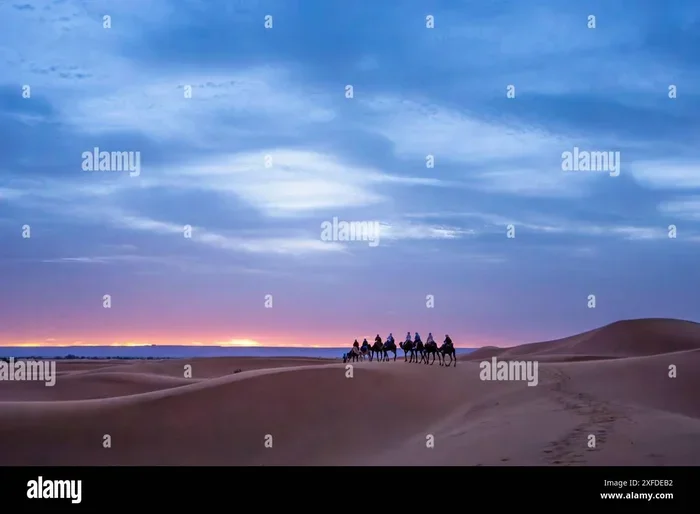
Visual guide about Merzouga desert camels sunrise
Image source: c8.alamy.com
More Time Means More Magic
A 3-day tour from Marrakech to Merzouga is possible, but it’s basically just a long drive with one night in the desert. You’ll spend most of your time on the road. With 7 days, you can actually stop and breathe. You get time to:
- Walk through the Todra Gorge instead of just driving past it
- Visit a nomadic family and share bread and tea
- Watch the sunrise over the dunes from your tent door
- Explore Ouarzazate’s film studios and Ait Ben Haddou’s ancient alleys
Think of it like this: a 3-day tour is like flipping through a photo album. A 7-day tour is like living inside the photo.
The Journey Becomes the Destination
The road from Marrakech to Merzouga isn’t just a path—it’s a story. You pass through six different landscapes:
- The High Atlas Mountains (snow-capped peaks in winter)
- The Rose Valley (famous for rose harvests in May)
- The Dadès Valley (known as the “Valley of a Thousand Kasbahs”)
- The Todra Gorge (a canyon with 400-meter walls)
- The Draa Valley (Morocco’s longest river valley)
- The Sahara Desert (the legendary Erg Chebbi dunes)
Each region feels like a different country. With 7 days, you get to enjoy all of them.
What Are the Must-See Highlights Along the Route?
Now let’s dive into the actual places you’ll visit. These are the stops that make the 7-day excursion unforgettable.
Ait Ben Haddou: The Hollywood of Morocco
This ancient earthen clay village is a UNESCO World Heritage Site. It’s been the backdrop for famous films like Gladiator, Lawrence of Arabia, and Game of Thrones. Walking through its narrow alleys feels like stepping back 1,000 years.
Tip: Climb to the top of the hill for a panoramic view. The light is best in the early morning or late afternoon.
Ouarzazate: The Gateway to the Desert
Known as the “Gateway to the Sahara,” Ouarzazate is where many desert tours begin. It has the Atlas Film Studios, where you can tour movie sets, and the Taourirt Kasbah, a stunning old palace.
Todra Gorge: Nature’s Cathedral
The Todra Gorge is a massive canyon with walls that rise up to 400 meters high. It’s a favorite spot for rock climbers and hikers. You can walk along the river at the bottom and feel incredibly small next to the cliffs.
Did You Know? The Todra River carved this gorge over millions of years. The rock walls change color throughout the day, glowing orange at sunset.
Merzouga and Erg Chebbi: The Sahara’s Crown Jewel
This is the highlight of the entire trip. Erg Chebbi has dunes that reach up to 150 meters tall—that’s taller than the Statue of Liberty! The sand is so fine it squeaks under your feet.
Your camel trek usually starts in the late afternoon. You’ll ride for about an hour to an hour and a half, arriving at your desert camp just as the sun sets. Then comes the magic: dinner under the stars, Berber music around a fire, and a night in a traditional nomadic tent.
Khamlia Village: A Taste of Gnawa Music
Many tours include a stop in Khamlia, a small village near Merzouga inhabited by the Gnawa people. They’re descendants of former slaves from sub-Saharan Africa and are famous for their hypnotic music. You’ll likely be invited in for tea and a performance.
The Draa Valley: Morocco’s Hidden Oasis
The Draa Valley is the longest river valley in Morocco, lined with palm groves and ancient kasbahs. It’s often called the “hidden paradise” because it’s less touristy than other regions but just as beautiful.
When Is the Best Time to Go on This Excursion?
Timing can make or break your desert experience. Here’s what you need to know.
The Ideal Months: October to April
The cooler months are the most comfortable for traveling. Daytime temperatures range from 20°C to 28°C (68°F to 82°F), and desert nights are cool but not freezing (around 5°C to 10°C).
Avoiding the Extreme Heat
From May to September, temperatures in Merzouga can soar above 45°C (113°F). That’s hot enough to make camel rides uncomfortable and sleep difficult, even in winter tents.
Shoulder Seasons: The Sweet Spot
March, April, October, and November are the best months. You get warm, sunny days and cool, clear nights. The skies are also clearer for stargazing in the desert.
Did You Know? In the Sahara, you can see the Milky Way so clearly that it actually casts shadows on the ground. No phone filter needed!
What Should You Pack for a 7-Day Marrakech to Merzouga Trip?
Packing smart is key. You don’t need a giant suitcase—just the right stuff.
Clothing
- Light layers: T-shirts for daytime, a warm jacket for desert nights
- Comfortable pants: Jeans or hiking pants for long drives
- A scarf or shemagh: Protects you from sun and desert sand
- Sun hat and sunglasses: The sun is intense, especially in the desert
- Swimwear: Some hotels have pools along the way
- Walking shoes: For hiking in Todra Gorge and Ait Ben Haddou
Essentials
- Sunscreen (high SPF): The desert sun is no joke
- Reusable water bottle: Stay hydrated—aim for 2-3 liters a day
- Power bank: You’ll be far from outlets in the desert
- Camera: You’ll regret not bringing one
- Headlamp: Useful for the desert camp at night
- Small first-aid kit: Band-aids, painkillers, and motion sickness pills
What to Leave Behind
Don’t overpack. You can wash clothes at hotels along the way. Leave heavy books, hairdryers, and expensive jewelry at home. And remember: the desert is conservative, so pack modest clothing, especially for women.
How Much Does the 7-Day Excursion Cost and What’s Included?
Let’s talk money. Prices vary based on the level of comfort and the operator, but here’s a general guide.
Budget Options: €350–€500 per person
Shared group tours with standard hotels, shared tents in the desert, and a guide/driver. Meals are usually included, but drinks are extra.
Mid-Range Options: €500–€800 per person
Smaller groups (4-8 people), upgraded riad stays, private tents with shared bathrooms, and sometimes air-conditioned vehicles.
Luxury Options: €800–€1,500+ per person
Private tours, luxury desert camps with private bathrooms, 4×4 transfers, and top-rated riads throughout the trip.
What’s Typically Included
- Airport pickup and drop-off
- Transportation in a 4×4 or minivan
- English or Spanish-speaking driver/guide
- 6 nights of accommodation (hotels, riads, and desert camp)
- Daily breakfast and 4-5 dinners
- Camel trek to the desert camp
What’s Not Included
- Lunches and snacks
- Drinks (water, soda, alcohol)
- Entrance fees to certain monuments (Ait Ben Haddou is about €2-3)
- Tips for drivers and guides (€3-5 per day is standard)
Pro tip: Always confirm what’s included in writing before you book. Avoid operators who promise “luxury” for rock-bottom prices—usually, that means hidden costs later.
What Are the Best Tour Operators for This Route?
Choosing the right operator is crucial. A great guide makes the trip magical; a bad one makes it miserable.
What to Look For in an Operator
- Local expertise: A Moroccan-based company knows the roads, weather, and culture
- Reviews: Check TripAdvisor and Google Reviews for honest feedback
- Clear pricing: No surprise fees
- Small groups: The smaller, the better—more flexibility and personal attention
- Safety record: Make sure vehicles are insured and well-maintained
Trusted Platforms to Book
For travelers starting from Fes, several reputable companies offer this exact route. Companies like Tours From Fes and similar local agencies specialize in cross-country Morocco tours. Many allow you to start in Marrakech and end in Fes (or vice versa), which is a popular option for travelers who want to visit both imperial cities.
Questions to Ask Before Booking
- What type of vehicle will we be using?
- How many people are in the group?
- Are the desert tents private or shared?
- Can dietary restrictions be accommodated?
- What’s the cancellation policy?
Did You Know? Many Moroccan tour operators are family-run businesses that have been guiding travelers for generations. Booking with a local company directly supports these families and their communities.
Frequently Asked Questions About the 7-Day Excursion from Marrakech to Merzouga
Is the 7-day excursion from Marrakech to Merzouga suitable for families with kids?
Yes, this trip is great for families with children aged 6 and up. Kids usually love the camel rides, desert camp experience, and the chance to meet Berber nomads. Just be prepared for long driving days and bring snacks, entertainment, and motion sickness remedies for winding mountain roads.
How long is the drive from Marrakech to Merzouga?
The total driving distance is approximately 750 km (about 470 miles) one way. Over 7 days, that averages around 150-200 km per day (3-4 hours of driving), with plenty of stops to break up the journey. You’ll never feel rushed.
Do I need a visa for Morocco?
Most Western passport holders (EU, US, Canada, Australia) can enter Morocco visa-free for up to 90 days. Some nationalities need a visa, so always check with your local Moroccan embassy before booking your trip.
Is it safe to travel to the Sahara Desert in Merzouga?
Yes, Merzouga is one of the safest areas in Morocco. The region is heavily used for tourism and has a strong local presence of guides and security. Just follow your guide’s instructions, especially during camel rides and desert walks.
Can I do this excursion starting from Fes instead of Marrakech?
Absolutely! Many travelers prefer to start in Fes and end in Marrakech (or vice versa). Operators like Tours From Fes offer reverse itineraries that combine the cultural richness of Fes with the desert adventure of Merzouga. This is a great way to see two of Morocco’s imperial cities.
What should I wear in the desert?
Wear loose, breathable, light-colored clothing during the day to reflect the sun. Bring a warm jacket or fleece for desert nights, as temperatures drop quickly after sunset. A scarf or shemagh is essential for protecting your face from sand and sun. Women should pack modest clothing for visiting villages.
How physically demanding is this trip?
The excursion is moderately active. There are short hikes (Todra Gorge, dunes) and the camel trek can be tiring for some, but nothing extreme. If you have back problems, request a 4×4 transfer to the desert camp instead of a camel. Most travelers of average fitness handle the trip just fine.
Final Thoughts: Is This Trip Worth It?
Let me be straight with you: a 7-day excursion from Marrakech to Merzouga isn’t just a tour. It’s a life experience. You’ll come home with sand still in your shoes, a camera full of golden dunes, and stories you’ll be telling for years.
Morocco has a way of getting under your skin. The call to prayer echoing through ancient medinas, the warmth of mint tea shared with strangers, the silence of the Sahara at night—these are the things that make this trip special. You can’t get them on a 3-day rushed itinerary.
If you’re looking for a week that combines adventure, culture, natural beauty, and unforgettable moments, this is it. Book it, pack your bags, and get ready. The Sahara is waiting.
Ready to book? Reach out to a trusted local operator like Tours From Fes to start planning your 7-day Marrakech to Merzouga excursion today. Adventure is just a desert away.