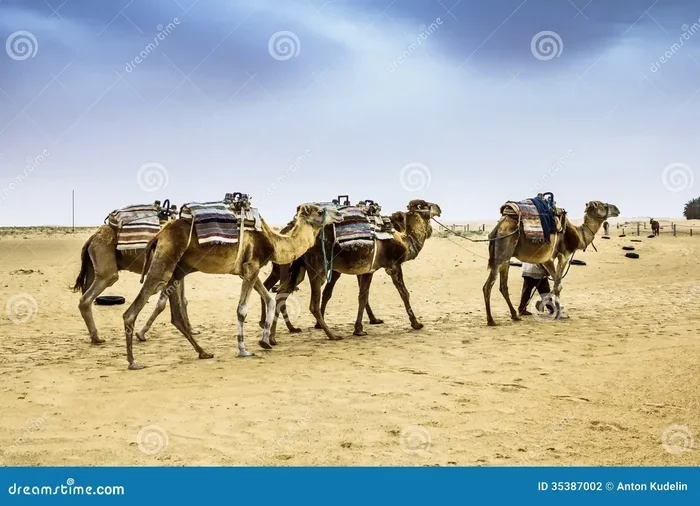
Featured image for Sahara desert camel caravan
Image source: thumbs.dreamstime.com
A 10-day Fes to Sahara Desert tour is the ultimate Moroccan adventure, blending ancient medinas, dramatic mountain passes, and unforgettable Sahara sunsets. This epic journey takes you through four imperial cities, over the Middle Atlas Mountains, and into the heart of the Erg Chebbi dunes. Expect camel trekking, Berber hospitality, and cultural encounters that turn a simple vacation into a life story worth telling.
Picture this: you’re standing at the edge of a vast ocean of golden sand, the sun melting into the horizon like butter on warm bread. Behind you, a camel chews lazily. Ahead, nothing but dunes as far as your eyes can see. This isn’t a dream. This is Day 7 of a Fes to Sahara Desert 10 day tour, and it’s about to become one of the most unforgettable weeks of your life.
Morocco is the kind of country that hits all your senses at once. The call to prayer echoing through ancient medinas. The smell of fresh mint tea wafting from a roadside stall. The vibrant blues of Chefchaouen that look like someone spilled the sky onto the walls. A 10-day journey from Fes to the Sahara gives you all of this and more, weaving together imperial cities, mountain villages, and the endless beauty of the desert.
Whether you’re a solo backpacker, a couple looking for romance, or a family craving adventure, this route checks every box. In this guide, we’ll walk you through everything you need to know: the itinerary, the costs, what to pack, and the little secrets that turn a good trip into a legendary one. Let’s dive in.
Key Takeaways
- Duration & Distance: A 10-day Fes to Sahara tour covers roughly 1,800 km, looping through Morocco’s most iconic landscapes.
- Best Time to Go: October through April offers the most comfortable weather, with pleasant days and cool desert nights.
- Must-See Stops: Ifrane, the Middle Atlas, Erfoud, Merzouga, Todra Gorge, and the Dades Valley are essential highlights.
- Sahara Experience: Overnight in a Berber desert camp is the trip’s crown jewel, including camel rides and traditional music.
- Cultural Depth: You’ll visit four imperial cities (Fes, Meknes, Marrakech, Rabat), each with unique historical treasures.
- Budget Range: Mid-range tours cost around $900–$1,400 per person, while luxury options can exceed $3,000.
- What to Pack: Layers, sun protection, a headscarf, and sturdy walking shoes are non-negotiable essentials.
📑 Table of Contents
- Why Choose a 10-Day Tour from Fes to the Sahara Desert?
- What Does a Typical 10-Day Itinerary Look Like?
- How Much Does a 10-Day Fes to Sahara Tour Cost?
- What Should You Pack for a Sahara Desert Tour?
- When Is the Best Time to Visit?
- What Cultural Experiences Await on This Journey?
- Frequently Asked Questions
- Conclusion
Why Choose a 10-Day Tour from Fes to the Sahara Desert?
You might be wondering: why 10 days? Why not a quick weekend getaway or a two-week extravaganza? The answer lies in the geography. Morocco isn’t a tiny country you can zip through in a few days. It’s diverse, dramatic, and packed with places that demand more than a passing glance.
The Sweet Spot for Exploration
Ten days is the magic number. It’s long enough to explore Morocco’s highlights without rushing. It’s short enough that you don’t need to take three months off work. Think of it like reading a great novel. You want time to enjoy each chapter, but you don’t want it to drag on forever.
According to the Moroccan Ministry of Tourism, the average international visitor spends around 7 nights in the country. But those who stay longer consistently report higher satisfaction rates. A 10-day tour gives you the buffer to slow down, sip that mint tea, and actually be in the moment.
A Balanced Blend of Culture and Adventure
Some tours focus purely on culture, shuffling you through mosques and museums until your brain hurts. Others lean so heavily into adventure that you feel like you’re running a marathon. The best Fes to Sahara Desert 10 day tour strikes a balance. You’ll wander the medieval streets of Fes, but you’ll also ride a camel into the sunset. You’ll explore ancient Roman ruins, but you’ll also hike through stunning gorges. It’s the best of both worlds, served on one silver platter.
What Does a Typical 10-Day Itinerary Look Like?
Every tour operator has their own twist, but most itineraries follow a similar arc. Here’s a day-by-day breakdown of what you can expect on a classic route.
Visual guide about Sahara desert camel caravan
Image source: thumbs.dreamstime.com
Day 1-2: Exploring Fes, Morocco’s Cultural Capital
Fes is the heart and soul of Morocco. Founded in the 9th century, it’s home to the world’s oldest university, Al-Qarawiyyin, which has been operating since 859 AD. That’s over 1,160 years of continuous learning. Did you know that? The medina of Fes is so dense with history that UNESCO declared it a World Heritage Site in 1981.
On day one, you’ll likely arrive and settle into a traditional riad, a charming Moroccan house with a courtyard in the middle. Picture a building organized around an open-air garden, like a donut with a leafy hole. On day two, a guided tour through the medina awaits. You’ll lose yourself in the maze-like alleys, discover the famous tanneries, and marvel at intricate tilework that looks like mathematical perfection.
Day 3: Middle Atlas Mountains and Ifrane
Say goodbye to the city and hello to the mountains. The drive south takes you through the Middle Atlas, a range of peaks covered in cedar forests. You’ll stop in Ifrane, often called the “Switzerland of Morocco” because of its alpine-style architecture and clean streets. Did You know Ifrane is actually one of the coldest cities in Africa? Temperatures in winter can drop below freezing. That’s right, snow in Africa!
Keep your eyes peeled for Barbary macaques in the nearby cedar forest. These playful monkeys are the only primate species native to Europe and Africa, and they’re surprisingly friendly.
Day 4: The Sahara Beckons – Erfoud and Merzouga
By day four, the landscape shifts. The mountains fade, and the desert creeps in. You’ll pass through Erfoud, a town famous for its fossil-rich quarries. Some local artisans craft entire tables and sinks out of ancient sea fossils that date back millions of years. It’s like bringing a piece of prehistoric ocean into your living room.
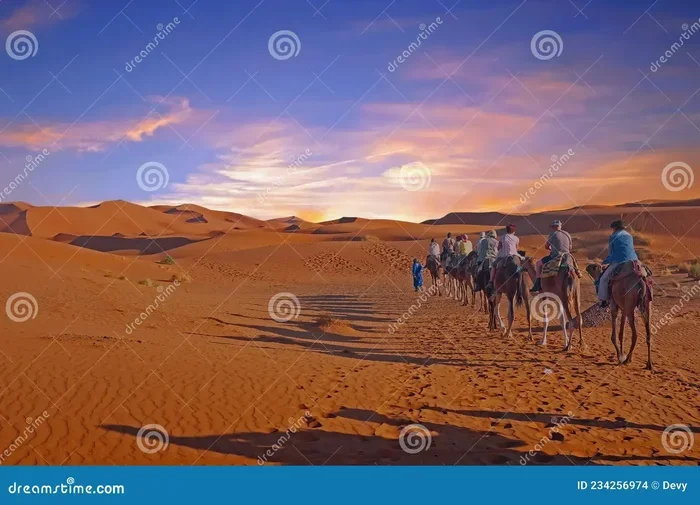
By evening, you’ll arrive in Merzouga, the gateway to the Erg Chebbi dunes. These towering sand mountains can reach heights of 150 meters, roughly the same as a 40-story building. You’ll hop on a camel and ride into the sunset, an experience that feels straight out of a movie.
Day 5: Desert Camp Experience
This is the day everyone talks about when they come home. You’ll wake up in a Berber desert camp, surrounded by silence so deep you can hear your own heartbeat. The Sahara covers about 9.2 million square kilometers across multiple countries, but the Erg Chebbi dunes in Morocco are arguably the most accessible and stunning.
Evenings in the camp are magical. Berber musicians play drums under a blanket of stars. You eat tagine, a slow-cooked stew named after the cone-shaped clay pot it’s prepared in, by firelight. And you sleep in a tent that, while simple, feels more luxurious than any five-star hotel because of where it is.
Day 6-7: Todra Gorge and Dades Valley
Leaving the desert, you’ll travel through Todra Gorge, a canyon with walls that rise 400 meters straight up. Imagine a hallway so tall that the Empire State Building could fit inside with room to spare. Rock climbers from around the world come here to test their skills on the sheer cliffs.
The Dades Valley, often called the “Valley of a Thousand Kasbahs,” is next. These ancient fortified houses, with their distinctive earthen architecture, dot the landscape like sandcastles that never washed away.
Day 8-9: Ait Benhaddou and Marrakech
Ait Benhaddou is a UNESCO-listed ksar, a fortified village, that has served as a backdrop for Hollywood films like Gladiator and Lawrence of Arabia. Fun fact: it’s been featured in over 20 movies and TV shows.
Then it’s on to Marrakech, the “Red City,” named for its distinctive pink sandstone buildings. The medina here is a sensory explosion: snake charmers, storytellers, and the famous Jemaa el-Fnaa square, which comes alive at night with food stalls and performers.
Day 10: Return to Fes or Departure
Most tours either loop back to Fes or end in Marrakech, depending on your preference. If you’re flying out, Marrakech’s airport is usually the easier choice for international connections.
How Much Does a 10-Day Fes to Sahara Tour Cost?
Let’s talk money. The cost of a tour depends on the level of comfort you want.
Budget Tours ($600-$900 per person)
These tours typically include shared accommodations, basic desert camps, and group transport. You’ll sleep in standard riads and shared tents, but you’ll still get the full Sahara experience. Think of it like flying economy: you reach the same destination, just with fewer frills.
Mid-Range Tours ($900-$1,400 per person)
This is the sweet spot for most travelers. You’ll stay in upgraded riads, enjoy private or small-group tours, and sleep in more comfortable desert camps with private tents and proper beds. Meals are usually included.
Luxury Tours ($2,000-$4,000+ per person)
Luxury tours offer five-star riads, private guides, luxury desert camps with en-suite bathrooms, and even hot air balloon rides over the Atlas Mountains. If money is no object, this is the way to roll.
What’s Typically Included
Most tours include accommodation, breakfast and dinner daily, transport in an air-conditioned vehicle, an English-speaking driver/guide, camel rides, and desert camp fees. Airfare to Morocco is usually separate, costing anywhere from $400 to $1,200 from Europe or North America.
What Should You Pack for a Sahara Desert Tour?
Packing for Morocco can feel tricky because the climate changes dramatically as you travel. In Fes, it might be cool and rainy. In the Sahara, it can hit 45°C (113°F) during the day and drop to near freezing at night.
Clothing Essentials
Pack layers. That’s the golden rule. Bring lightweight, breathable fabrics for daytime desert heat. Add a warm jacket or fleece for chilly nights. A scarf or shemagh isn’t just a fashion statement; it protects you from sun, wind, and sand. Modest clothing is also respectful when visiting religious sites. Shoulders and knees covered, please.
Other Must-Haves
- Sunscreen (SPF 50+): The desert sun is no joke.
- Sunglasses: UV protection is essential.
- Reusable water bottle: Stay hydrated, especially in dry areas.
- Headlamp: Desert camps are dark, and you’ll appreciate hands-free lighting.
- Power bank: Charging opportunities can be limited in remote areas.
- Comfortable walking shoes: You’ll be navigating uneven medina streets and sandy dunes.
- Camera: Trust us, you’ll want to capture this.
When Is the Best Time to Visit?
Timing can make or break your Sahara experience.
Peak Season: October to April
This is when most travelers come. Temperatures are pleasant, ranging from 15°C to 25°C (59°F to 77°F) during the day. Nights in the desert can be cold, sometimes dropping to 5°C (41°F), so pack accordingly.
Summer (May to September)
Summer in the Sahara is brutal. Daytime temperatures often exceed 45°C (113°F). Sandstorms are also more common. If you’re heat-tolerant and want fewer crowds, you can still go, but be prepared.
Shoulder Seasons: March-April and October-November
These are arguably the best times. The weather is mild, the landscapes are lush from spring rains or fall harvests, and tourist crowds are thinner. It’s like finding the perfect parking spot at the mall: rare but magical.
What Cultural Experiences Await on This Journey?
A 10-day tour isn’t just about scenery. It’s about people, traditions, and the little moments that stick with you long after you return home.
Berber Hospitality
The Berber people, also known as Amazigh, meaning “free people,” are the indigenous inhabitants of North Africa. They’ve called these lands home for over 12,000 years. Their hospitality is legendary. You’ll be welcomed into homes for tea, offered bread fresh from the oven, and treated like family. Accept these gestures graciously. It’s part of the experience.
Traditional Music and Dance
From the Gnawa musicians of the desert, descendants of West African spiritual traditions, to the Andalusian-influenced melodies of Fes, Morocco’s music scene is incredibly diverse. You’ll likely hear live performances at your desert camp and in the medinas.
Craftsmanship and Souks
Morocco’s souks, or traditional markets, are treasure troves of handmade goods. You’ll find hand-woven carpets, intricate metalwork, leather goods, and ceramics. Bargaining is expected, so don’t accept the first price. Start at about 50% of the asking price and negotiate from there. Think of it as a friendly conversation, not a battle.
Frequently Asked Questions
Is 10 days enough for a Fes to Sahara Desert tour?
Absolutely! Ten days is the perfect duration to explore Morocco’s highlights without feeling rushed. You’ll have time to experience Fes, the desert, mountain gorges, and Marrakech at a comfortable pace.
Is the Sahara Desert tour safe for solo travelers?
Yes, Morocco is one of the safest countries in North Africa for solo travelers. Joining a group tour adds an extra layer of security and companionship, plus you’ll make friends along the way.
Do I need a visa for Morocco?
Most Western passport holders can stay in Morocco visa-free for up to 90 days. Always check your specific country’s requirements before traveling, as rules can change.
Can I do the tour if I have dietary restrictions?
Most tour operators can accommodate vegetarian, vegan, halal, and gluten-free diets with advance notice. Moroccan cuisine is naturally rich in vegetables, legumes, and grains, so options abound.
What language is spoken in Morocco?
Arabic and Berber (Amazigh) are the official languages. French is widely spoken due to Morocco’s colonial history, and English is common in tourist areas. A few Arabic phrases like “shukran” (thank you) go a long way.
Is camel riding safe and ethical?
Camel rides are generally safe, and reputable operators ensure the animals are well-treated. If animal welfare is a concern, ask your tour operator about their practices or consider walking parts of the desert route instead.
Conclusion
A 10-day Fes to Sahara Desert tour is more than a vacation. It’s a passport to another world, one where ancient medinas meet endless dunes, where mountains give way to magic, and where every sunset feels like a painting come to life. Whether you’re tracing the footsteps of Lawrence of Arabia, getting lost in the blue alleys of a mountain village, or simply sipping mint tea under a desert sky, Morocco has a way of getting under your skin.
So pack your bags, charge your camera, and prepare for the trip of a lifetime. The Sahara is calling, and trust us, you want to answer.