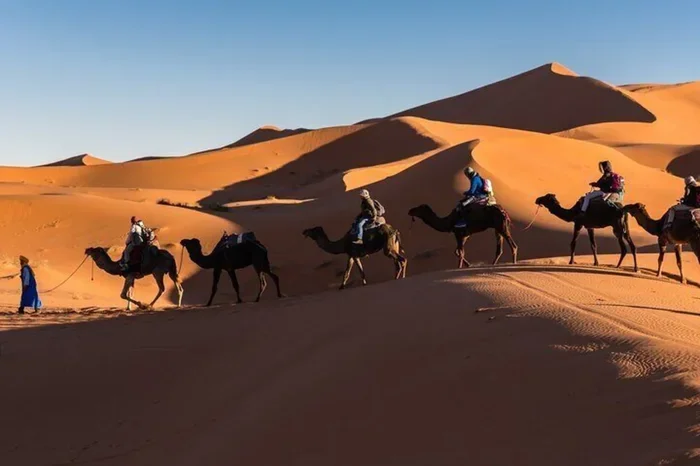
Featured image for camel trek Chefchaouen mountains
Image source: mediaim.expedia.com
A Tangier to Chefchaouen tour with camel trek offers the perfect blend of cultural discovery and adventure. Travelers journey through stunning landscapes, ride camels across traditional routes, and end in Morocco’s famous “Blue City.” This experience combines scenic beauty, authentic Berber culture, and unforgettable photo opportunities. Ideal for those seeking a unique Moroccan adventure beyond typical tourist paths.
Have you ever dreamed of riding a camel through mountains while heading toward a city painted entirely in blue? That dream becomes reality on a Tangier to Chefchaouen tour with camel trek. This isn’t just another vacation. It’s a journey through time, culture, and some of the most breathtaking scenery in North Africa.
The route connects two of Morocco’s most fascinating destinations. Tangier sits at the crossroads of Africa and Europe, buzzing with energy and history. Chefchaouen, on the other hand, feels like a peaceful painting come to life. Between them lies the Rif Mountains, a region most tourists never see. Adding a camel trek transforms a simple transfer into an unforgettable adventure. Think of it like swapping a highway drive for a scenic backroad journey, except the “backroad” includes ancient trading paths and spectacular views.
This comprehensive guide covers everything you need to know. From what to expect on the camel trek to the best spots in Chefchaouen, we’ve got you covered. Whether you’re a solo traveler, a couple, or a family, this tour deserves a spot on your Morocco itinerary.
Key Takeaways
- Best Duration: A 2-3 day tour provides the ideal balance of travel time, camel trekking, and Chefchaouen exploration.
- Camel Trek Highlights: The camel ride through Rif Mountain trails offers a unique perspective on Morocco’s lesser-known landscapes.
- Scenic Route: The journey covers approximately 200 kilometers through valleys, forests, and mountain passes.
- Best Time to Visit: Spring (March-May) and autumn (September-November) offer the most comfortable weather for trekking and sightseeing.
- Cultural Encounters: Tours include visits to local Berber villages where traditional crafts and customs remain vibrant.
- Chefchaouen Must-See: The blue-painted medina, Spanish Mosque viewpoint, and Ras El Ma waterfall are essential stops.
- What to Pack: Comfortable walking shoes, layered clothing, sunscreen, and a camera are essential items for this tour.
📑 Table of Contents
- Why Choose a Tangier to Chefchaouen Tour with Camel Trek?
- What to Expect on the Camel Trek
- The Journey from Tangier to Chefchaouen
- Exploring Chefchaouen: Morocco’s Blue Pearl
- Planning Your Tangier to Chefchaouen Tour
- Cultural Etiquette and Practical Advice
- Making the Most of Your Tour Experience
- Common Questions and Final Thoughts
Why Choose a Tangier to Chefchaouen Tour with Camel Trek?
Morocco offers countless tour options. So why pick this specific one? Let’s break it down with a simple comparison. Imagine you’re traveling from one beautiful town to another. You could take a bus, a taxi, or even drive yourself. All get you there. But only one option lets you experience the landscape, meet local people, and create memories that last forever. That’s the camel trek difference.
A Unique Perspective on Morocco
Most visitors to Morocco focus on Marrakech, Fes, or the Sahara Desert. The northern region often gets overlooked. Yet this area holds some of the country’s most authentic experiences. The Rif Mountains remain relatively undeveloped for tourism. Villages here still follow centuries-old traditions. By choosing this tour, you see a side of Morocco that guidebooks rarely highlight.
The Camel Trek Experience
Riding a camel might sound touristy, but it’s deeply rooted in Moroccan culture. Camels have served as transportation in this region for thousands of years. Today, they offer a slower, more immersive way to travel. Think of it like sailing versus flying. Both reach a destination, but sailing lets you feel the journey. Camels do the same for the Moroccan landscape.
Combining Adventure with Comfort
Worried about roughing it too much? Don’t be. Most Tangier to Chefchaouen tours with camel trek balance adventure with comfort. You might spend a few hours on a camel, then return to comfortable riads or hotels. You get the thrill without sacrificing a good night’s sleep. It’s like having your cake and eating it too, except the cake is an incredible Moroccan adventure.
Who Is This Tour Best For?
This experience suits many types of travelers:
- Adventure seekers who want more than standard sightseeing
- Photography enthusiasts looking for stunning landscapes
- Culture lovers interested in Berber heritage and traditions
- Couples seeking a romantic, off-the-beaten-path experience
- Families wanting an educational and fun activity for older children
- Solo travelers looking to meet like-minded adventurers
What to Expect on the Camel Trek
Let’s get into the details. A camel trek isn’t just hopping on an animal and riding for an hour. It’s a carefully planned experience. Here’s what you need to know.
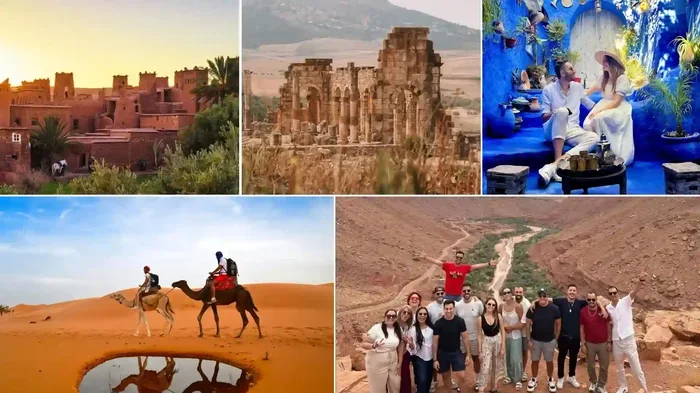
Visual guide about camel trek Chefchaouen mountains
Image source: exploringmoroccotrips.com
Duration and Distance
Most camel treks last between two to four hours, covering 5-10 kilometers depending on the route. The journey usually takes place on the first day of your tour, heading out from Tangier or a nearby starting point. Some tours offer half-day treks, while others include multi-day camel expeditions. For most travelers, the half-day option provides the perfect introduction without taking too much time from Chefchaouen exploration.
Did You Know? Camels can travel up to 40 miles per day in desert conditions, but tourist treks are intentionally slower to let you enjoy the scenery. In Morocco, the camel species you’ll likely ride is the dromedary (one hump), perfectly adapted to the region’s climate.
The Trek Route
Your camel trek typically winds through the foothills of the Rif Mountains. You’ll pass through:
- Rolling hills dotted with wildflowers in spring
- Cedar and oak forests that provide shade and fresh air
- Traditional Berber villages where locals may wave as you pass
- Valley viewpoints perfect for photography breaks
- Streams and rivers where camels often stop to drink
Mounting and Riding Tips
New to camel riding? Don’t worry. The local guides are experts. They help you mount safely and provide instructions. The key things to remember:
- Lean back when the camel stands up (it goes front legs first, then back)
- Hold the saddle handle, especially during the standing motion
- Wear long pants to prevent chafing
- Bring a hat and sunscreen for sun protection
- Keep your camera secure but accessible
Safety Considerations
Reputable tour operators prioritize safety. Camels are well-cared for, and guides carry first aid supplies. The animals used for tourism are typically calm and experienced with riders. If you have back problems or are pregnant, consult your doctor before booking. Otherwise, camel riding is safe for most people, including older adults and teenagers.
The Journey from Tangier to Chefchaouen
The complete tour takes you from Tangier, on Morocco’s northern coast, to Chefchaouen, nestled in the Rif Mountains. Understanding this journey helps you appreciate every moment.
Where Exactly Are These Places?
Tangier sits on the Strait of Gibraltar, where the Atlantic Ocean meets the Mediterranean Sea. It’s Morocco’s gateway to Europe, just 14 kilometers from the Spanish coast. Chefchaouen lies about 110 kilometers southeast, tucked into the Rif Mountains at an elevation of 600 meters. The total driving distance is around 200 kilometers, but with stops and the camel trek, your travel day stretches into a full adventure.
Scenic Stops Along the Way
Most tours include interesting stops between Tangier and Chefchaouen:
Cape Spartel
This dramatic headland marks the meeting point of two oceans. The lighthouse here has guided ships since 1864. You’ll find stunning coastal views and often see local camels resting on the beach.
Hercules Cave
Just outside Tangier, this natural cave features an opening shaped like the map of Africa. According to legend, Hercules rested here during his labors. It adds a touch of mythology to your journey.
Akchour Waterfalls
Some tours detour through Akchour, home to beautiful waterfalls and natural pools. The area offers hiking trails and a chance to stretch your legs before continuing to Chefchaouen.
Transportation Options
Your tour typically includes comfortable 4×4 transport for the road sections. These vehicles handle mountain roads with ease. The camel trek replaces a portion of driving with traditional travel. Some tours also offer the option to add stops at Tetouan, known as the “Little Jerusalem” for its Jewish heritage, or the Caves of Hercules.
Exploring Chefchaouen: Morocco’s Blue Pearl
After your camel trek and scenic drive, you arrive at Chefchaouen. This town captures hearts instantly. Walking through its streets feels like stepping into a painting.
The Story Behind the Blue
Why is Chefchaouen blue? Several theories exist. Some say Jewish refugees introduced the tradition in the 1930s, symbolizing the sky and heaven. Others believe the blue color repels mosquitoes. Whatever the reason, the result is magical. Every building, every doorway, every staircase seems to glow in shades of blue and white.
Did You Know? Chefchaouen was completely closed to outsiders until 1920. Spanish and French colonial powers controlled access. This isolation preserved unique architectural styles and traditions you won’t find elsewhere in Morocco.
Must-Visit Spots in Chefchaouen
Outa El Hammam Square
The main square sits at the heart of the old medina. Here you’ll find the Kasbah, a 15th-century fortress with beautiful gardens. The square buzzes with cafes, vendors, and locals going about their day. It’s perfect for people-watching with a mint tea.
The Spanish Mosque
Located on a hill outside the medina, this mosque offers the most famous viewpoint in Chefchaouen. A short 30-minute walk rewards you with panoramic views of the entire blue city. Sunset visits are especially popular among photographers.
Ras El Ma Waterfall
Just a 30-minute walk from the medina, this small waterfall marks where Chefchaouen’s river begins. Locals gather here to wash clothes, chat, and enjoy the peaceful atmosphere. It’s a wonderful contrast to the busy medina.
The Medina Streets
Simply wandering Chefchaouen’s medina is an experience. Every corner reveals photo opportunities. Cat-filled alleys, flower-decorated doorways, and artisan workshops await. Don’t rush this part of your tour.
Shopping in Chefchaouen
The medina offers unique shopping opportunities. Look for:
- Handwoven blankets with traditional Berber patterns
- Local pottery in distinctive blue glazes
- Leather goods made by local artisans
- Natural cosmetics including argan oil and rose products
- Spices straight from nearby farms
Remember to bargain politely. Start at about half the asking price and negotiate from there. Shopping in Chefchaouen tends to be less aggressive than in larger Moroccan cities.
Planning Your Tangier to Chefchaouen Tour
Good planning makes great experiences. Here’s everything you need to arrange your adventure.
When to Go
The best time for a Tangier to Chefchaouen tour with camel trek depends on what you value most.
Spring (March-May)
This season offers the most pleasant weather. Temperatures range from 15-25°C (59-77°F). Wildflowers bloom across the Rif Mountains. Tourist crowds remain manageable. It’s the peak recommendation for most travelers.
Autumn (September-November)
Similar to spring, autumn brings comfortable temperatures and clear skies. The landscape turns golden, creating beautiful photography conditions. This season also works well for camel trekking.
Summer (June-August)
Temperatures can exceed 35°C (95°F). The heat makes camel trekking less comfortable. However, summer offers the cheapest prices and fewest crowds. If you travel in summer, book early morning treks.
Winter (December-February)
Chefchaouen can get cold, with temperatures dropping to 5°C (41°F) at night. Snow occasionally dusts the mountains. While winter offers unique beauty, some mountain roads may close. Camel rides continue year-round but include extra layers.
How to Book
Several booking options exist:
- Local tour operators in Tangier offer the best prices and personalized service
- Online platforms like Viator or GetYourGuide provide convenience and reviews
- Hotel recommendations often connect you with trusted local guides
- Custom private tours cost more but offer flexibility
Pro tip: Book directly with local Moroccan operators when possible. This supports local businesses and often results in better prices. However, verify reviews and credentials before sending any money.
Budget Considerations
Tour prices vary based on duration and inclusions. As a general guide:
- 1-day tours start around $80-120 per person
- 2-day tours range from $150-250 per person
- 3-day extended tours cost $250-400 per person
- Private tours typically cost 50-100% more
Most tours include transportation, guide services, camel trek, accommodation (multi-day tours), and some meals. Always confirm what’s included before booking.
What to Pack
Smart packing makes your tour more enjoyable. Here’s your essential checklist:
- Comfortable walking shoes with good grip
- Layered clothing for changing temperatures
- Long pants for camel riding
- Sunscreen and hat for sun protection
- Sunglasses to shield from glare
- Camera or phone with extra battery
- Reusable water bottle to stay hydrated
- Small backpack for daily essentials
- Cash in small denominations for tips and shopping
- Light jacket for mountain evenings
Cultural Etiquette and Practical Advice
Morocco has a rich culture with specific customs. Understanding these helps you connect respectfully with locals and enhance your experience.
Basic Cultural Tips
Morocco is a Muslim country with conservative traditions in rural areas. The northern region around Chefchaouen tends to be more liberal than the deep south, but respectful behavior matters everywhere.
- Dress modestly, especially when visiting religious sites
- Ask permission before photographing people
- Use your right hand for greeting and eating
- Remove shoes when entering homes or mosques
- Accept tea when offered as refusing can seem rude
Language Basics
Arabic and Berber are Morocco’s official languages. French serves as the business language. English is increasingly common in tourist areas. Learning a few Arabic phrases delights locals:
- “Salam Alaikum” means “Peace be upon you”
- “Shukran” means “Thank you”
- “La, shukran” means “No, thank you”
- “Bslama” means “Goodbye”
Tipping Guidelines
Tipping isn’t mandatory but is appreciated. Consider these amounts:
- Tour guides: 10-15% of tour cost
- Camel handlers: 50-100 dirham per person
- Restaurant servers: 10% if service isn’t included
- Hotel staff: 20-50 dirham for good service
- Taxi drivers: Round up the fare
Health and Safety
Morocco is generally safe for tourists. The northern regions experience fewer incidents than busy cities like Marrakech. Still, take standard precautions:
- Keep valuables secure in crowded areas
- Use bottled water for drinking
- Carry basic medications
- Have travel insurance that covers adventure activities
- Save emergency contacts in your phone
Did You Know? Morocco invests heavily in tourism safety. The country has dedicated tourist police in major destinations. Emergency numbers include 19 for police and 15 for medical services. Most tour guides carry first aid kits and know local medical facilities.
Making the Most of Your Tour Experience
Now that you know the basics, let’s talk about creating an amazing experience. Small details often make the biggest difference.
Photography Tips
This tour offers incredible photo opportunities. To capture them well:
- Golden hour (just after sunrise or before sunset) provides the best light
- Blue hour in Chefchaouen creates magical blue tones
- Wide-angle lenses capture the expansive mountain views
- Respect local privacy when photographing people
- Ask before entering someone’s home or shop for photos
Connecting with Locals
One of the tour’s greatest rewards is meeting local people. Berber communities in the Rif Mountains maintain warm hospitality traditions. Don’t shy away from conversations. Share a smile. Learn a few words in their language. These small gestures create meaningful cultural exchanges.
Sustainable Tourism
Help preserve the beauty you came to see:
- Stay on marked trails during treks
- Avoid littering, even biodegradable items
- Respect wildlife from the distance
- Support local businesses and artisans
- Conserve water in this dry region
Extending Your Trip
Consider adding these experiences to your Tangier-Chefchaouen journey:
- Day trip to Tetouan for UNESCO World Heritage architecture
- Visit to Akchour for hiking and waterfalls
- Cooking class in Chefchaouen to learn tagine preparation
- Hammam experience for traditional Moroccan relaxation
- Extended camel trek for multi-day mountain adventures
Common Questions and Final Thoughts
Let’s address some final questions travelers often have about this tour experience.
Is the camel trek suitable for beginners?
Absolutely. Most camel treks on this route are designed for first-time riders. Guides provide thorough instructions and assist throughout. The camels used are calm and experienced with tourists. You’ll feel like a pro by the end of your first ride.
How physically demanding is the tour?
The tour requires moderate fitness. Walking on uneven medina streets and getting on/off camels requires some mobility. However, you don’t need to be an athlete. Most travelers of average fitness complete the tour comfortably. Those with severe mobility issues should discuss options with tour operators.
Can I do this tour independently?
While possible, independent travel misses key elements. The camel trek requires local connections, permits, and proper equipment. Guides also provide cultural context that enriches the experience. Joining an organized tour ensures everything runs smoothly and safely.
What if I get motion sick on camels?
Camel riding involves a gentle rocking motion. Most people adapt quickly. If you’re concerned, take motion sickness medication before the trek. Sitting forward and focusing on the horizon helps. The slow pace of tourist camel rides usually doesn’t trigger motion sickness.
Are children welcome on this tour?
Most operators welcome children above age 7. Younger kids might find camel riding uncomfortable due to height. Family-friendly tours often include shorter treks and additional activities. Always confirm age policies when booking.
Final Thoughts
A Tangier to Chefchaouen tour with camel trek offers something rare in modern travel. It combines authentic cultural experiences with genuine adventure, all wrapped in stunning natural beauty. This isn’t a manufactured tourist experience. It’s a real journey through Morocco’s heart.
From the moment you mount your camel in the foothills outside Tangier to your final walk through Chefchaouen’s blue-washed streets, every moment connects you to this remarkable region. You’ll return home with more than photos. You’ll carry stories, new friendships, and a deeper understanding of Morocco beyond the postcards.
Whether you’re planning your first Morocco trip or adding to previous adventures, this tour deserves serious consideration. The memories you create here will stay with you long after the journey ends. Book your Tangier to Chefchaouen tour with camel trek, and discover why travelers fall in love with northern Morocco.