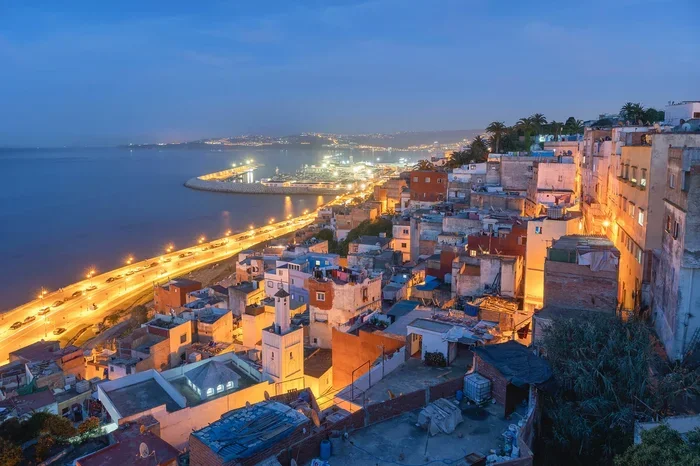
Featured image for Tangier Morocco coastline tour
Image source: saharadeserttour.com
An 11 days tour from Tangier to Casablanca takes you through Morocco’s most iconic destinations, from the Mediterranean charm of the north to the Atlantic elegance of the west. This comprehensive route covers imperial cities like Fez and Marrakech, includes a Sahara Desert adventure, and showcases stunning coastal towns along the way. Perfect for travelers who want to experience Morocco’s diversity in a single, well-planned trip.
Picture yourself standing at the edge of the Sahara Desert, watching the sun set over golden sand dunes. Now imagine doing this just days after wandering through ancient medinas, riding camels across desert landscapes, and sipping mint tea in mountaintop villages. That’s exactly what an 11 days tour from Tangier to Casablanca offers.
Morocco sits at the crossroads of Africa and Europe, blending cultures, languages, and landscapes in ways that few countries can match. This 11-day journey captures the best of what makes Morocco special. You start in Tangier, where the Mediterranean meets the Atlantic, and end in Casablanca, Morocco’s economic capital on the Atlantic coast. Between these two coastal cities lies an incredible variety of experiences waiting for you.
Many travelers underestimate how much Morocco packs into a relatively small area. In just 11 days, you can visit four imperial cities, sleep under the stars in the Sahara, explore ancient Roman ruins, walk through mountain valleys, and relax on Atlantic beaches. This guide breaks down everything you need to know to plan the trip of a lifetime.
Key Takeaways
- Comprehensive Coverage: An 11-day itinerary visits Morocco’s four imperial cities, the Sahara Desert, and both coastlines in one trip.
- Best Travel Duration: Eleven days provides enough time to explore without rushing, unlike shorter 5-7 day tours.
- Diverse Landscapes: The route includes mountains, deserts, beaches, and medinas, showcasing Morocco’s geographic variety.
- Cultural Immersion: Travelers experience Berber, Arab, and French influences across different regions.
- Practical Planning: The best seasons are spring (March-May) and fall (September-November) for comfortable weather.
- Transport Options: Private drivers, guided tours, and trains offer different ways to complete this route.
- Budget Flexibility: The tour accommodates backpackers, mid-range travelers, and luxury seekers with various accommodation options.
📑 Table of Contents
What Is an 11 Days Tour from Tangier to Casablanca?
An 11 days tour from Tangier to Casablanca is a guided or self-guided journey across Morocco that begins in the northern port city of Tangier and ends in the western metropolis of Casablanca. The route typically forms a loop or linear path through Morocco’s most celebrated destinations.
Did You Know? Morocco has been called “the country of a thousand kasbahs” because of its countless fortified structures. An 11-day tour lets you see many of these architectural wonders up close.
Think of this tour like reading a great novel. Each day reveals a new chapter. Chapter one introduces you to Tangier’s coastal character. The story builds through Chefchaouen’s blue streets, peaks with the Sahara’s vast silence, and reaches a satisfying conclusion in Casablanca’s modern energy.
Who Is This Tour For?
This itinerary works wonderfully for several types of travelers:
- First-time visitors to Morocco who want a complete overview
- Couples seeking a romantic adventure with luxury desert camps
- Families with older children interested in cultural exploration
- Solo travelers wanting a safe, structured introduction to the country
- Photography enthusiasts drawn to diverse landscapes and architecture
- History buffs fascinated by ancient civilizations and Islamic culture
What Makes 11 Days the Sweet Spot?
Morocco deserves more than a weekend visit. However, most vacationers have limited time. Eleven days hits the perfect balance. Shorter tours force you to skip major destinations. Longer journeys risk fatigue. Eleven days provides enough breathing room to actually absorb what you’re experiencing rather than just racing between photo stops.
Why Choose This Route?
The Tangier-to-Casablanca route makes geographical sense. Both cities sit on Morocco’s coastline, but on different oceans. Tangier faces the Mediterranean and Atlantic. Casablanca faces the Atlantic only. Connecting them takes you through Morocco’s interior, exposing you to the country’s full diversity.
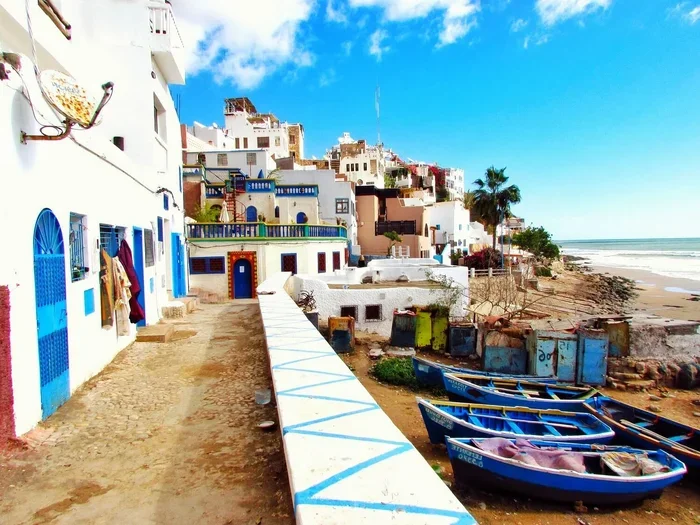
Visual guide about Tangier Morocco coastline tour
Image source: morocco-excursion.com
Did You Know? Tangier was an international zone administered by multiple countries from 1923 to 1956. Casablanca means “white house” in Spanish, named after the whitewashed buildings visible from the sea.
Here’s a simple analogy: imagine Morocco as a sandwich. Tangier and Casablanca are the bread on either end. The fillings between them include mountains, deserts, ancient cities, and cultural experiences. An 11-day tour lets you enjoy every layer.
Geographic Advantages
Morocco stretches from the Mediterranean in the north to the Sahara in the south. The Tangier-Casablanca route runs roughly northwest to west. This positioning means you can add desert adventures without backtracking. You move forward continuously, which saves travel time and maximizes experiences.
Cultural Storytelling
Each city along this route tells a different part of Morocco’s story. Tangier reveals its international, artistic past. Chefchaouen shows the Rif Mountains’ Berber heritage. Fez presents Morocco’s spiritual and intellectual heart. Marrakech displays imperial grandeur and southern traditions. Casablanca concludes with modern Morocco’s ambitions.
When to Take This Tour
Timing your Morocco tour properly can transform your experience. The country’s climate varies dramatically by season and elevation. Coastal cities stay mild year-round. The Sahara burns hot in summer and freezes at night in winter. Mountains experience snow from December through February.
Did You Know? Morocco’s Atlas Mountains create a weather barrier that keeps the Sahara drier than other deserts at similar latitudes. This is why Erg Chebbi and Erg Chigaga dunes remain stable year-round.
Best Seasons Explained
Think of Morocco’s seasons like different movie genres. Spring (March to May) feels like a romantic comedy. Pleasant temperatures, blooming flowers, and comfortable desert conditions make this ideal for first-time visitors. Fall (September to November) plays like an adventure film. Similar weather to spring but with harvest festivals adding cultural depth.
Summer (June to August) resembles an action movie. Intense, dramatic, and potentially overwhelming. Desert temperatures exceed 45°C (113°F). However, coastal cities remain comfortable, and mountain regions offer relief. If you travel in summer, prioritize Atlantic destinations like Essaouira and Casablanca.
Winter (December to February) feels like a mystery novel. Quieter, moodier, with snow-capped Atlas peaks creating stunning photography. Desert nights get cold but days stay pleasant. This is high season for surfing in Taghazout and for exploring southern Morocco.
Religious and Cultural Considerations
Ramadan dates shift each year based on the lunar calendar. During this month, many restaurants close during daylight hours, and business hours adjust. However, Ramadan also offers unique cultural experiences as cities come alive after sunset. Check the calendar before booking your tour.
Where Does the Tour Go?
An 11 days tour from Tangier to Casablanca follows a roughly circular route through Morocco’s most celebrated regions. Here’s the typical path with what you’ll experience at each stop.
Day 1-2: Tangier and Chefchaouen
Tangier welcomes you with its unique blend of African and European influences. The medina sits near the coast where the Mediterranean meets the Atlantic. Visit the Kasbah, walk through the old American Legation building (the first American property abroad), and explore the Caves of Hercules just outside the city.
From Tangier, you travel to Chefchaouen, the famous “Blue City.” The drive takes about 2.5 hours through the scenic Rif Mountains. Chefchaouen’s medina features buildings painted in various shades of blue, a tradition that began in the 1930s. The relaxed atmosphere here provides a gentle introduction to Moroccan culture.
Day 3-4: Volubilis, Meknes, and Fez
The ancient Roman ruins of Volubilis sit between Chefchaouen and Fez. This UNESCO World Heritage Site features remarkably preserved mosaics, columns, and city walls. It gives you a tangible connection to Morocco’s pre-Islamic past.
Meknes, another imperial city, lies nearby. Often called the “Versailles of Morocco,” it features massive gates, the stunning Mausoleum of Moulay Ismail, and the massive Heri es-Souani granaries. Many tours include a quick Meknes stop en route to Fez.
Fez is Morocco’s spiritual and cultural capital. The Fes el-Bali medina is the world’s largest car-free urban zone, with over 9,000 alleys. Key attractions include Al-Qarawiyyin University (founded in 859 CE, often called the world’s oldest continuously operating university), the Chouara Tanneries, and the Bou Inania Medersa.
Day 5-6: Middle Atlas and Sahara Desert
Leaving Fez, you journey south through the Middle Atlas Mountains. The landscape transforms from green forests to barren plains. Stop in Ifrane, often called “Little Switzerland of Morocco” for its alpine architecture and clean streets.
Midelt or Merzouga serves as the gateway to the Sahara. Merzouga sits at the edge of Erg Chebbi, where dunes reach 150 meters high. Camel treks into the desert at sunset rank among Morocco’s most iconic experiences. Luxury desert camps offer comfortable beds, traditional music, and stunning starry skies.
Did You Know? The Sahara Desert spans 11 countries across Africa. The Moroccan portion, including Erg Chebbi, covers approximately 150,000 square kilometers.
Day 7-8: Todra Gorge and Ait Benhaddou
North from Merzouga lies the Todra Gorge, a stunning canyon with 400-meter-high walls. Rock climbers come here for the challenging routes. The surrounding region features traditional Berber villages where life continues much as it has for centuries.
Ait Benhaddou, a UNESCO-protected ksar (fortified village), sits along the former caravan route between the Sahara and Marrakech. Its earthen clay architecture has served as a backdrop for films like Gladiator and Lawrence of Arabia.
Day 9-10: Marrakech
Marrakech hits your senses like a vibrant symphony. The medina buzzes with activity. Jemaa el-Fnaa square fills with storytellers, musicians, snake charmers, and food stalls each evening. The Majorelle Garden offers peaceful contrast with its vibrant blue structures and bamboo groves.
Other highlights include the Bahia Palace, the Saadian Tombs, and the Koutoubia Mosque’s towering minaret. A cooking class provides insight into Moroccan cuisine, from tagines to couscous.
Day 11: Casablanca
The tour concludes in Casablanca, Morocco’s largest city and economic hub. The Hassan II Mosque stands as one of the world’s largest mosques, with its minaret reaching 210 meters into the sky. The mosque sits dramatically on the Atlantic Ocean, partially built over the water.
The Corniche offers seaside walking, the Habous Quarter showcases traditional architecture in a modern context, and the Morocco Mall provides contemporary shopping if you need gifts. Most international flights depart from Casablanca’s Mohammed V Airport.
How to Plan This Tour
Planning an 11 days tour from Tangier to Casablanca involves several practical decisions. Each choice affects your budget, comfort, and experience level.
Tour Style Options
Private Guided Tours: These offer maximum flexibility and personal attention. A driver and guide accompany you throughout. You set the pace, choose restaurants, and can adjust the itinerary. This option costs more but provides deeper cultural insights.
Small Group Tours: Typically limited to 12-16 travelers, these balance cost and experience. You travel with like-minded people while keeping the group manageable. Guides share knowledge and arrange logistics.
Self-Guided Adventures: Independent travelers can arrange their own transport using trains, buses, and rental cars. Morocco’s train network connects major cities efficiently. However, the Sahara and mountain regions require desert tours or 4WD vehicles.
Accommodation Choices
Morocco offers accommodation across all price ranges:
- Budget: Riads (traditional guesthouses) and hostels ($15-40 per night)
- Mid-range: 3-4 star hotels and boutique riads ($60-120 per night)
- Luxury: 5-star properties and premium desert camps ($150-400+ per night)
Riads provide the most authentic experience. These traditional houses feature interior courtyards, often with fountains. Many offer rooftop terraces with medina views and home-cooked Moroccan breakfast.
Budget Breakdown
Typical costs for an 11-day tour (per person):
- Budget travel: $800-1,200 (hostels, local transport, street food)
- Mid-range comfort: $1,500-2,500 (3-star hotels, guided tours, restaurant meals)
- Luxury experience: $3,000-5,000+ (5-star hotels, private guides, premium desert camps)
These estimates include accommodation, transport, most meals, and entrance fees. International flights add $600-1,200 depending on departure city.
What to Pack
Morocco’s diverse climates demand layered packing. Bring:
- Light, breathable clothing for daytime
- A warm jacket for desert nights and mountain evenings
- Comfortable walking shoes for medina exploration
- A scarf or shawl for women (useful for mosque visits and sun protection)
- Sunscreen and sunglasses (desert sun is intense)
- A reusable water bottle (staying hydrated is essential)
- Basic first-aid items and any personal medications
Did You Know? Morocco has over 3,800 hours of sunshine annually. That’s among the highest in the world, which is why sunscreen becomes your best friend here.
Practical Tips for Your Tour
Beyond planning, certain tips help you get the most from your 11 days tour from Tangier to Casablanca.
Money Matters
The Moroccan Dirham (MAD) is the local currency. Exchange money at banks or official exchange offices rather than hotels. ATMs work in cities but may not exist in remote areas. Credit cards are accepted in larger establishments but cash remains essential for medina shopping.
Budget roughly 200-300 MAD per day for meals at local restaurants. Tip your guide and driver (around 10% is appreciated), and round up taxi fares.
Language Basics
Arabic and Berber are Morocco’s official languages. French serves as the business and educational language. English has become increasingly common in tourist areas. Learning a few Arabic phrases delights locals:
- Salaam alaikum: Peace be upon you (hello)
- Shukran: Thank you
- La, shukran: No, thank you (useful for persistent vendors)
- Bslama: Goodbye
Safety and Etiquette
Morocco ranks among Africa’s safer countries. Standard precautions apply: watch your belongings in crowded areas, avoid displaying expensive items, and use registered taxis. Women should dress modestly, particularly in conservative areas. Covering shoulders and knees shows respect.
During Ramadan, eating publicly during daylight hours is inappropriate. Ask permission before photographing people, especially women and elders.
Health Considerations
No vaccinations are required for Morocco. However, hepatitis A and typhoid are recommended. Tap water isn’t safe to drink. Stick to bottled water and avoid ice in drinks. Street food from busy stalls is generally safer than food sitting out for hours.
Conclusion: Your Moroccan Adventure Awaits
An 11 days tour from Tangier to Casablanca offers something rare in modern travel: genuine transformation. You arrive as a visitor and leave with stories that change how you see the world.
This route works because it respects Morocco’s geography. You move forward constantly, never backtracking. You experience the country’s full spectrum, from Mediterranean beaches to Saharan silence, from ancient medinas to modern boulevards. Eleven days provides enough time to feel the rhythm of each place rather than just checking boxes.
The memories you’ll create last far longer than the trip itself. Watching sunrise over Erg Chebbi’s dunes. Getting lost in Fez’s endless alleys. Sharing mint tea with Berber families. Hearing the call to prayer echo through Marrakech. These moments stay with you.
Morocco waits, ready to share its secrets. All you need to do is arrive. Tangier’s gates stand open. Your adventure begins the moment you decide to go.
Frequently Asked Questions
Is 11 days enough to see Morocco on a Tangier to Casablanca tour?
Yes, 11 days provides enough time to visit Morocco’s main highlights comfortably. This duration lets you explore imperial cities, experience the Sahara Desert, and see diverse landscapes without feeling rushed. Most travelers find 11 days ideal for a first Moroccan adventure.
What is the best time of year for an 11-day Morocco tour?
Spring (March-May) and fall (September-November) offer the best weather for this tour. Temperatures stay comfortable across all regions. Summer brings extreme desert heat while winter can be cold in mountain and desert areas. These shoulder seasons also have fewer crowds.
How much does an 11 days tour from Tangier to Casablanca typically cost?
Costs vary by accommodation and tour style. Budget travelers spend around $800-1,200 total. Mid-range tours typically cost $1,500-2,500. Luxury experiences range from $3,000-5,000 or more. These figures exclude international flights but include most in-country expenses.
Do I need a guide for this Morocco tour?
A guide isn’t strictly required but significantly enhances your experience. Official guides provide historical context and navigate language barriers. For the Sahara portion, guided tours are essential as independent desert travel poses logistical challenges. Many travelers use guides for the full route.
Is Morocco safe for tourists on this route?
Morocco is generally safe for tourists. The Tangier-Casablanca route covers well-traveled areas with established tourism infrastructure. Standard precautions like watching belongings in crowds and avoiding isolated areas at night apply. Morocco’s tourism industry prioritizes visitor safety and security.
What should I pack for an 11 days tour from Tangier to Casablanca?
Pack layers for temperature variation, comfortable walking shoes, sunscreen, and a scarf. Bring modest clothing for mosque visits and conservative areas. Include a light jacket for cool desert nights. Leave expensive jewelry at home. Pack a small daypack for excursions and keep valuables secure.